
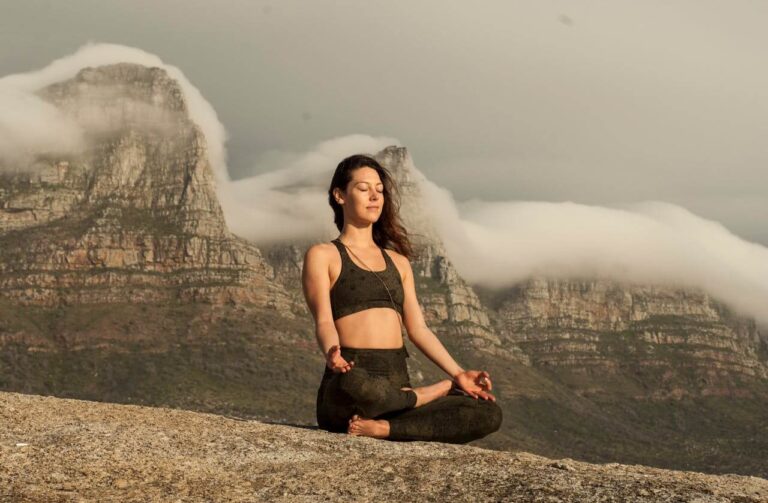
Discover how meditation on thoughts can transform your mental clarity and inner peace. Learn easy steps, benefits, and tips to start today.
Overview: What You’ll Learn in This Post
In this article, you will discover:
- What meditation on thoughts means and how it differs from regular meditation.
- The key benefits of practicing meditation on thoughts—from reducing anxiety to enhancing mental clarity.
- Step-by-step guidance on how to practice meditation on thoughts, even if you’re a beginner.
- Common mistakes to avoid and practical tips to build a sustainable practice.
- How integrating meditation on thoughts into your daily life can positively impact mental health, productivity, and emotional resilience.
Whether you’re new to meditation or looking to deepen your practice, this guide will give you everything you need to begin—and stick with—meditation on thoughts in a meaningful way.
Why Focus on Thoughts?
Our minds are constantly active. Thoughts flow in and out—sometimes helpful, sometimes overwhelming. Unchecked, this mental chatter can lead to stress, anxiety, or a sense of being emotionally unbalanced. That’s where meditation on thoughts steps in.
Rather than trying to suppress or judge your thoughts, meditation on thoughts encourages you to observe them with curiosity and compassion. You become the calm witness to the mental activity, rather than entangled in it. Over time, this witnessing cultivates clarity, emotional balance, and a deeper sense of inner peace.
Let’s explore what meditation on thoughts really is—and how you can begin practicing it.
What Is Meditation on Thoughts?
Definition and Core Principles
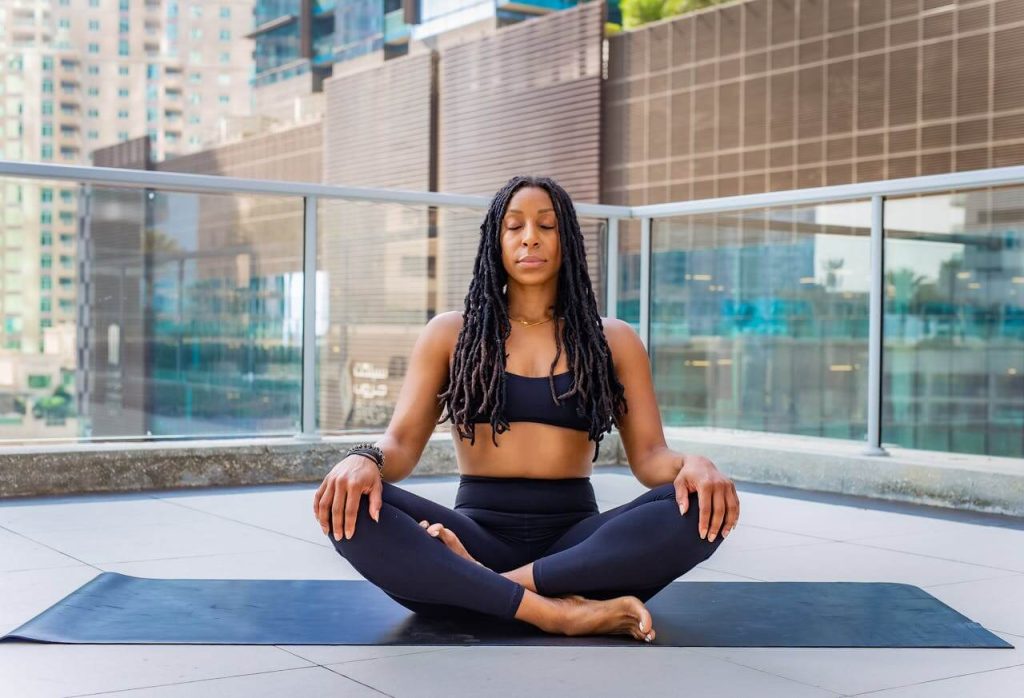
Meditation on thoughts is a mindfulness-based practice where you intentionally observe the flow of your thoughts—without judgement, without trying to change them, and without getting carried away. Instead of pushing thoughts away or focusing on external anchors (like breath or sounds), the mind gently rests in awareness of thoughts as they arise and pass. Key principles include:
- Non-judgmental observation: Let thoughts come and go without labeling them good or bad.
- Detached awareness: Recognize thoughts as passing mental events—not fixed truths or identities.
- Gentleness and compassion: Approach your inner experiences with kindness, not force.
How It Differs from Other Types of Meditation
While many meditation practices focus on breath, mantra, or body sensations, meditation on thoughts emphasizes the mental landscape—your inner dialogue, memories, worries, hopes, and random mental images. This practice helps you develop a more nuanced awareness of your mental patterns and triggers.
Where breath-based meditation might calm the nervous system, meditation on thoughts helps you understand and transform your relationship with your mind itself.
The Benefits of Meditation on Thoughts
Practicing meditation on thoughts regularly can yield numerous mental, emotional, and even physical benefits.
Mental Clarity and Focus
- Reduced mental clutter: By observing thoughts rather than identifying with them, you can reduce mental noise and improve concentration.
- Better decision-making: With a calmer mind, you’re less likely to act impulsively and more likely to respond with clarity.
Emotional Regulation and Resilience
- Less reactivity: Meditation on thoughts teaches you to pause before reacting. Instead of immediately reacting to anger or fear, you can observe the thought and choose a better response.
- Improved emotional balance: Over time, negative thought patterns (rumination, self-criticism) lose their grip, allowing more balanced and compassionate self-awareness.
Reduced Stress and Anxiety
- Lower cortisol levels: By calming the habitual mental chatter, you give your nervous system a chance to relax.
- Less worry: When thoughts become objects of observation rather than sources of identification, their emotional weight diminishes—leading to less rumination and anxiety.
Self-Awareness and Personal Growth
- Understanding triggers: Meditation on thoughts helps you notice recurring themes—perhaps insecurities, repetitive worries, or habitual fears—giving insight into what your mind tends to dwell on.
- Empowerment: Recognizing thoughts as separate from “you” gives you the power to choose which thoughts to engage with and which to let go.
Improved Productivity and Creativity
- Mental clarity: A calmer mind is more creative and better at generating solutions.
- Better time management: By reducing mental drift and distraction, you can stay more focused during tasks.
How to Start Practicing Meditation on Thoughts
Getting started might feel strange—your mind might resist being observed. But with gentle practice and consistency, it becomes deeply rewarding. Here’s a step-by-step guide:
Step-by-Step Practice Guide
- Create a quiet space.
Choose a calm spot, free from distraction. Sit comfortably—on a cushion, a chair, or even lying down (just make sure you won’t fall asleep!). - Set a timer.
If you’re new, start with 5–10 minutes daily. As you get comfortable, gradually increase to 15–20 minutes or more. - Begin with gentle grounding.
Close your eyes and take a few deep breaths. Feel your body ground against the floor or seat. This relaxes the body and settles the mind. - Invite awareness to your thoughts.
Without seeking to control anything, bring your attention to whatever thoughts arise. Notice them as impressions: a worry, a memory, a plan for later. - Label gently (optional).
Some people find it helpful to silently label thoughts: “thinking,” “worry,” “planning,” “memory,” etc. This helps create distance and clarity. - Let them pass.
As soon as a thought is noticed, let it drift away—like watching clouds float across the sky. Don’t cling, judge, or follow them. - Return to awareness.
Whenever your mind wanders—perhaps you begin to follow a thought—gently bring your awareness back to simply observing. No judgement. No frustration. - Closing the session.
After the timer ends, take a moment to breathe deeply and notice how your mind and body feel. Open your eyes slowly.
Beginner-Friendly Tips
- Consistency over length: A few minutes daily is better than long, infrequent sessions.
- Be gentle with yourself: The mind will wander. That’s expected. The practice is noticing and returning.
- Use a journal: After the session, jot down recurring thoughts or insights. This helps identify patterns.
- Practice at the same time: Morning or evening routines help embed the habit.
Common Challenges—and How to Overcome Them
Even with the best intentions, many beginners encounter obstacles. Here are common stumbling blocks and what you can do about them.
Challenge 1 – The Mind Won’t Settle
What happens: Thoughts feel relentless. You feel agitated, uncomfortable, and impatient.
What to do:
- Shorten the session time—even 3–5 minutes helps.
- Focus first on breath or body for a minute or two before shifting to thoughts.
- Remind yourself: the goal isn’t to stop thoughts, but to observe.
Challenge 2 – Frustration or Self-Judgment
What happens: “I’m terrible at this,” “I can’t do it,” or “Why can’t I quiet my mind?”
What to do:
- Reframe the goal—the point is awareness, not perfection.
- Use a compassionate mantra: “It’s okay.” “I’m observing.” “No judgement.”
- Accept that wandering attention is natural and part of the process.
Challenge 3 – Falling Asleep or Drowsiness
What happens: Sessions turn into naps.
What to do:
- Sit upright rather than lying down.
- Meditate earlier in the day when you’re alert.
- Open your eyes slightly, softening your gaze rather than fully closing.
Integrating Meditation on Thoughts into Daily Life
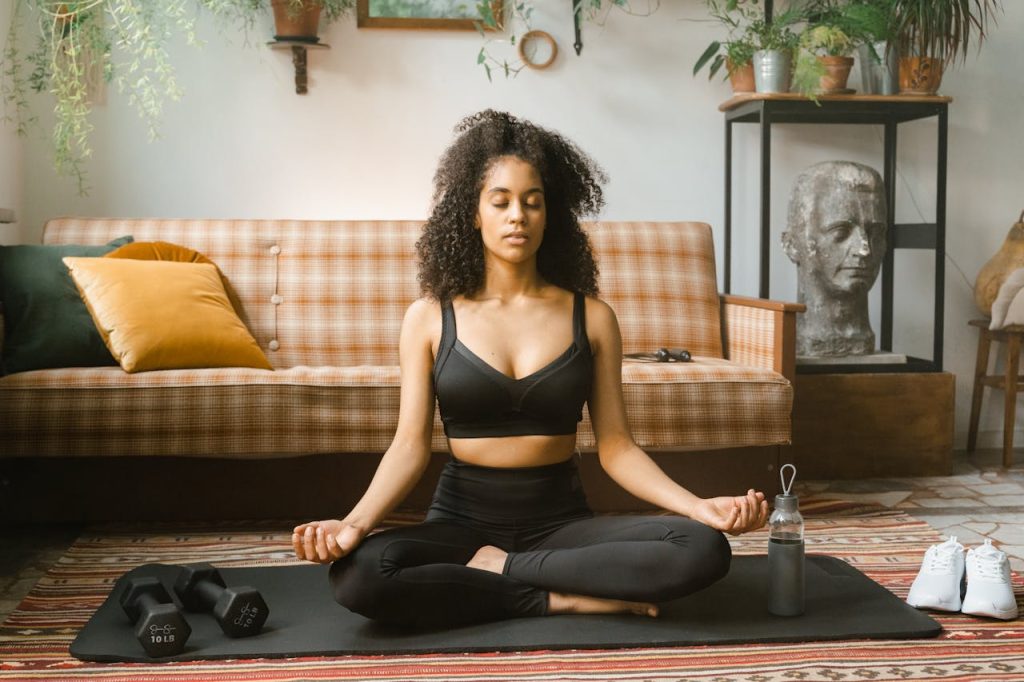
Meditation doesn’t need to be confined to a cushion. You can bring mindful awareness into everyday moments.
Simple Mindfulness Hacks
- Mindful walking: As you walk, observe thoughts that arise—perhaps stress about work or future plans. Watch them come and go without attaching.
- Mindful breaks: During busy days, pause for 1–2 minutes to observe your inner dialogue before resuming tasks.
- Mindful waiting: While waiting in line or commuting, use the time to observe your thoughts rather than checking your phone.
- Pre-sleep reflection: Before bed, sit quietly and observe your thoughts—release worries, plan mindfully, and create space for rest.
Combining with Other Practices
- With breath meditation: Begin with breath to calm the body, then shift to observing thoughts.
- With journaling: After thought meditation, write down emerging patterns, insights, or recurring themes. This strengthens self-understanding.
- With movement (yoga, stretching): Begin or end a gentle yoga session with a period of thought awareness to deepen mind-body connection.
Why Choosing Professional Guidance Helps—and What We Offer
At Mindfulness Meditation Hub, we specialize in guided mental wellness sessions—including structured meditation on thoughts—designed for both beginners and experienced practitioners. Here’s what we offer:
- Guided sessions led by experienced instructors, helping you navigate the mental landscape with support.
- Customized programs to tackle stress, anxiety, creative blocks, or emotional overwhelm.
- Community-based live sessions to connect with others on the same journey—fostering accountability and shared growth.
- Flexible formats: live classes, recorded meditations, journaling guidance, and integration tips for daily life.
By combining professional guidance with the practice of meditation on thoughts, you can deepen your awareness faster and build sustainable mental habits that last long-term.
Final Thought—Your Path Begins with a Thought
Meditation on thoughts offers a powerful and transformative way to relate to your own mind. Rather than resisting or suppressing mental activity, you gently observe—and in that gentle observation lies the seed of clarity, calm, and conscious living.
Whether you’re new to meditation or have tried other methods, give yourself the gift of curiosity and patience. Start small. Observe with kindness. And over time—you’ll likely notice a quieter mind, more emotional balance, and a deeper sense of inner peace.
If you’re ready to begin, we invite you to explore our guided meditation offerings, designed to meet you wherever you are on your mindfulness journey.
FAQs for Meditation on Thoughts
What is meditation on thoughts?
Meditation on thoughts is a mindfulness practice where you observe your thoughts without judgment, allowing them to rise and fall naturally.
How is meditation on thoughts different from regular meditation?
Unlike breath-focused or mantra-based meditation, meditation on thoughts centers on observing mental activity directly.
Can beginners practice meditation on thoughts?
Yes. Beginners can start with short sessions and gradually build up as they become more comfortable with the process.
How long does it take to see results from meditation on thoughts?
Most people begin noticing benefits—like calmness and clarity—within a few weeks of consistent practice.
What are the main benefits of meditation on thoughts?
Benefits include reduced stress, emotional balance, improved focus, mental clarity, and greater self-awareness.
Should I try to stop my thoughts during this meditation?
No. The goal is not to stop thoughts but to observe them without engaging or reacting.
How long should each meditation session be?
Begin with 5–10 minutes and gradually increase to 15–20 minutes as you feel more comfortable.
What should I do if I get distracted while meditating?
Gently return your focus to observing thoughts without judgment. Distraction is normal.
Can meditation on thoughts help with anxiety or overthinking?
Yes. It teaches you to detach from anxious thoughts and reduces the intensity of mental overactivity.
Is labeling thoughts helpful in this practice?
Soft labeling (e.g., “worry,” “planning”) can help create distance and awareness for beginners.
Can I lie down during meditation on thoughts?
You can, but sitting is recommended to stay alert and avoid falling asleep.
How often should I practice?
Daily practice is ideal, but even 3–4 times a week can bring benefits.
Can meditation on thoughts improve creativity?
Yes. By reducing mental clutter, it frees cognitive space for creative thinking.
What environment is best for this meditation?
Choose a quiet, comfortable space where you won’t be interrupted.
Do you offer guided meditation on thoughts sessions?
Yes. We offer instructor-led guided meditations to help you deepen your awareness and build a consistent practice.
Related Topics
- How to Practice Meditation: A Step-by-Step Guide for Beginners
- How Do I Start to Meditate? A Complete Beginner’s Guide
- What Do You Do When You Meditate? A Complete Guide
- How to Meditate Daily: A Simple Guide to Building a Lifelong
- Meditation Techniques for Anxiety | Calm Your Mind Naturally
- How to Meditate Effectively: A Step-by-Step Guide for Beginners
- Best Way to Meditate: A Complete Guide for Beginners and Experts
- Mind Success: Unlock Your Full Potential with Proven Techniques
- Stress Meditation: How Mindfulness Helps Reduce Stress
- What Do You Do When You Meditate? A Complete Guide
- Breathing Meditation Techniques for Beginners: A Complete Guide
- How to Meditate Daily: A Simple Guide to Building a Lifelong
- Grief Meditation: A Healing Practice for Emotional Recovery
- 5 Minute Meditation Scripts: Quick & Effective Guided Meditation
- Meditating at Home: Guide to Finding Peace and Balance
- Meditation and Sounds: Boost Mindfulness & Relaxation