
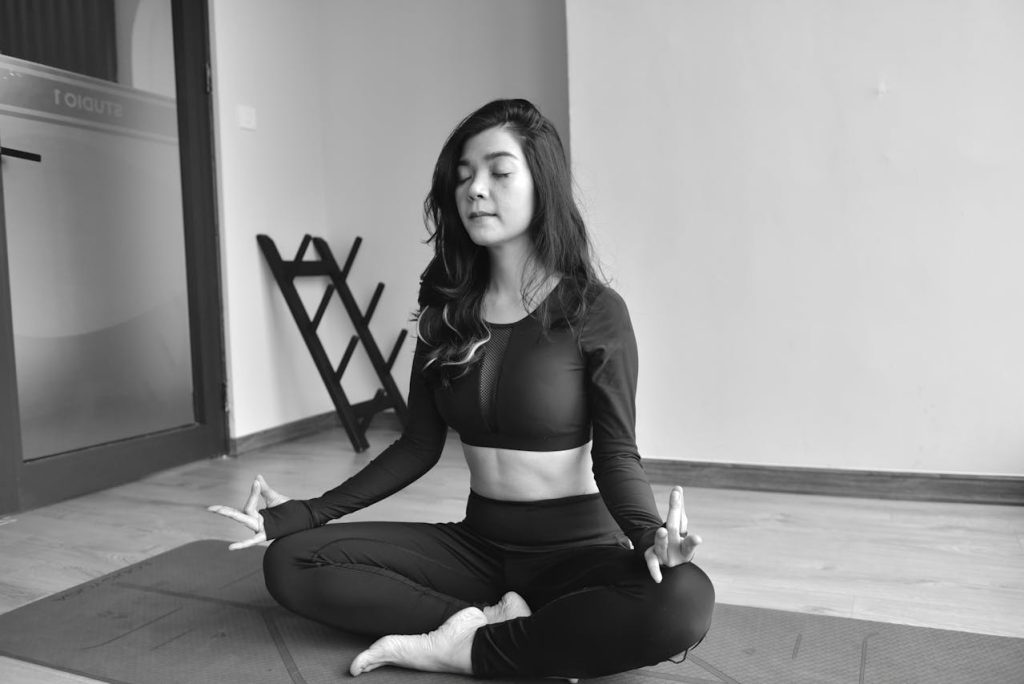
Discover the full definition of meditation, its benefits for mind and body, and practical tips to start your meditation practice. Learn the “meditations def” to improve focus, reduce stress, and enhance well-being.
Overview
In this blog post, readers will gain a clear understanding of what meditation is, why it matters, and how it can positively impact mental and physical health. By the end, readers will learn the definition of meditation, the different types of meditation, its scientifically backed benefits, and practical tips to integrate meditation into daily life. This post is designed for beginners, intermediate practitioners, and anyone curious about mindfulness practices.
What is Meditations? The Definitive Definition
The phrase “meditations def” refers to understanding the definition of meditation. Simply put, meditation is a mindfulness practice where an individual trains the mind to focus, relax, and achieve mental clarity. It often involves techniques such as deep breathing, visualization, or repeating a mantra.
Key points of the definition:
- Mindful awareness: Paying attention to the present moment without judgment.
- Focused attention: Directing mental energy toward a single point, thought, or object.
- Relaxation and calm: Reducing stress and promoting mental balance.
- Regular practice: Meditation is most effective when performed consistently over time.
The concept of meditation spans various cultures and traditions, from Buddhist mindfulness practices to Hindu meditation techniques like Transcendental Meditation (TM). Modern science also supports meditation’s impact on the brain, emotions, and overall well-being.
The Benefits of Meditation
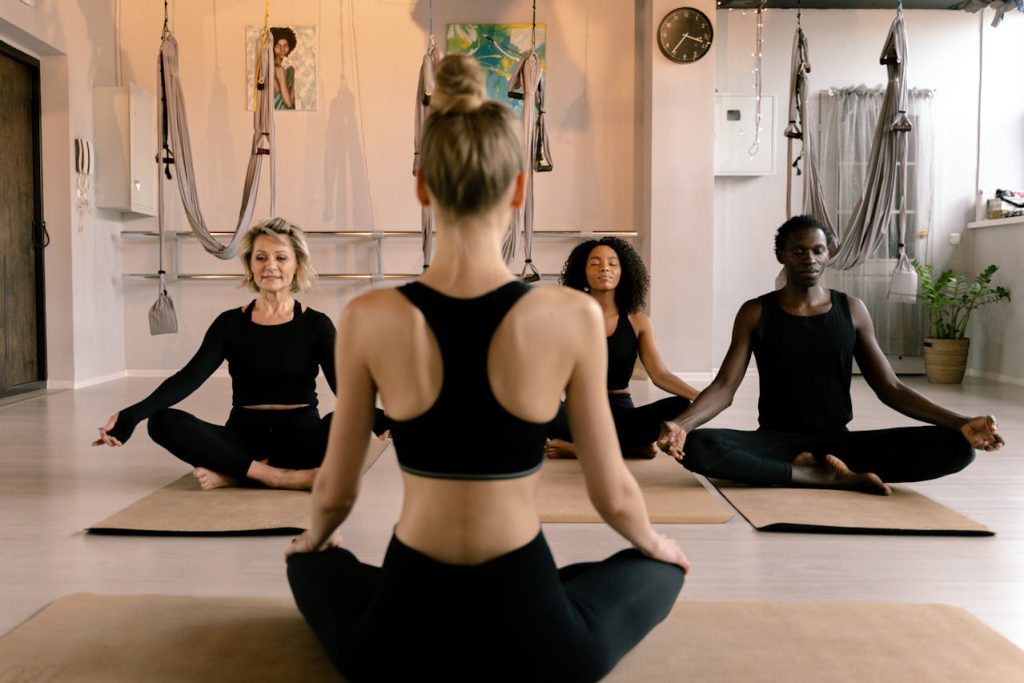
Understanding meditation is definitely incomplete without knowing the wide range of benefits meditation offers. Here’s what science and experience show:
1. Reduces Stress
One of the most popular reasons people meditate is stress reduction. Meditation helps lower cortisol, the stress hormone, promoting relaxation and emotional balance.
2. Improves Focus and Concentration
Regular meditation improves attention span, mental clarity, and the ability to stay focused. Studies show that even 10-20 minutes a day can enhance cognitive performance.
3. Enhances Emotional Health
Meditation encourages mindfulness, self-awareness, and compassion. It has been linked to reduced symptoms of anxiety and depression, promoting overall emotional well-being.
4. Supports Better Sleep
Practicing meditation before bedtime helps calm the mind, reduces insomnia, and improves sleep quality.
5. Strengthens Mind-Body Connection
Meditation is not only mental; it affects the body too. It can lower blood pressure, reduce inflammation, and even support heart health.
6. Promotes Self-Awareness
Meditation helps you recognize negative thought patterns and gain insight into your habits, enabling personal growth and self-reflection.
Different Types of Meditation
To fully understand meditation’s definition, it’s important to know that meditation comes in many forms, each with unique approaches and goals.
1. Mindfulness Meditation
Focuses on observing your thoughts, sensations, and feelings without judgment. Popular in Western culture, it helps improve focus and stress management.
2. Concentration Meditation
Involves focusing on a single object, sound, or mantra. Examples include Transcendental Meditation or breath-focused meditation.
3. Guided Meditation
A teacher or audio guide leads you through visualization, body scanning, or relaxation exercises. Perfect for beginners.
4. Loving-Kindness Meditation (Metta)
Centers on cultivating compassion and positive emotions toward yourself and others.
5. Movement Meditation
Includes practices like yoga, tai chi, or walking meditation, combining gentle movement with mindfulness.
6. Spiritual Meditation
Aimed at deepening connection with the divine, higher self, or spiritual insight. Often used in religious or spiritual traditions.
How to Start Your Meditation Practice
Starting a meditation routine can feel overwhelming, but meditation definitely is simple when broken down into practical steps:
Step 1: Choose Your Meditation Type
Pick a meditation style that resonates with your goals, whether it’s stress reduction, emotional clarity, or spiritual growth.
Step 2: Find a Quiet Space
Select a calm, distraction-free environment to help maintain focus.
Step 3: Set a Time Limit
Beginners can start with 5–10 minutes, gradually increasing to 20–30 minutes per session.
Step 4: Focus on Breath or Mantra
Pay attention to your breath, a word, or a phrase to anchor your mind.
Step 5: Acknowledge Thoughts Without Judgment
If your mind wanders, gently redirect attention to your breath or mantra.
Step 6: Practice Consistently
Consistency is key. Daily practice, even for a few minutes, is more effective than sporadic longer sessions.
Common Misconceptions About Meditation
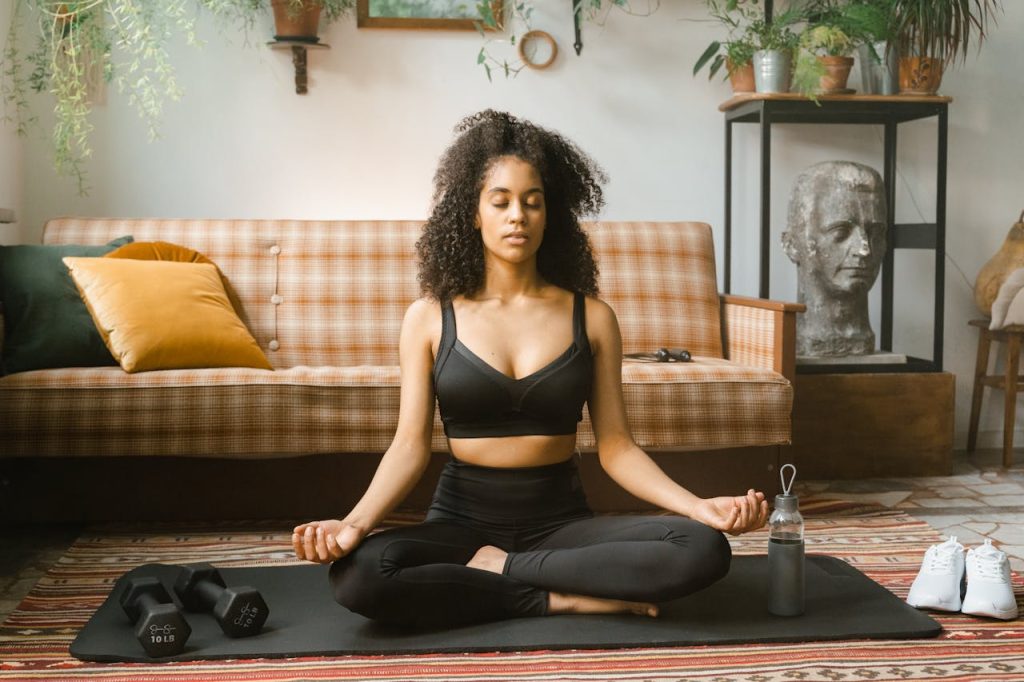
Even though meditation is widely recognized, some misconceptions exist:
- Myth 1: “Meditation is only for spiritual people.”
Fact: Meditation is for everyone, regardless of religion or belief system. - Myth 2: “You need to clear your mind completely.”
Fact: Meditation is not about emptying your mind but observing thoughts without attachment. - Myth 3: “It takes hours to benefit.”
Fact: Even short sessions of 5–15 minutes daily can improve mental clarity and reduce stress.
Tips to Make Meditation a Habit
To turn meditation into a lifelong habit, consider these practical tips:
- Start small: Begin with manageable sessions and gradually extend time.
- Use guided apps or videos: These provide structure and accountability.
- Create a dedicated space: A consistent environment supports routine.
- Track your progress: Note improvements in mood, focus, and relaxation.
- Be patient and gentle: Progress is gradual, and every session counts.
Meditation in Daily Life
Meditation isn’t limited to sitting quietly. You can incorporate mindfulness into everyday activities:
- Mindful eating: Focus on taste, texture, and sensations while eating.
- Mindful walking: Pay attention to each step, your surroundings, and your breathing.
- Mindful work breaks: Take 2–5 minutes to breathe deeply and release tension.
- Mindful conversations: Listen attentively without rushing to respond.
By integrating mindfulness into daily activities, meditation’s benefits expand beyond the cushion or chair.
Final Thought: Why Understanding “Meditations Def” Matters
Understanding meditations definitely is the first step toward a healthier, more balanced life. Meditation is a versatile tool for improving mental, emotional, and physical well-being. By exploring different types, starting a consistent practice, and integrating mindfulness into daily life, anyone can experience the profound benefits of meditation.
Remember: meditation is not about perfection—it’s about progress, self-awareness, and inner calm. Start small, stay consistent, and let the benefits unfold naturally.
FAQs for Meditations Def
What does meditations def mean?
“Meditations def” simply refers to the definition of meditation, which is the practice of focusing the mind, achieving relaxation, and cultivating mindfulness.
Why is meditation important?
Meditation improves mental clarity, reduces stress, enhances emotional well-being, and can even support physical health like better sleep and lower blood pressure.
How long should I meditate each day?
Beginners can start with 5–10 minutes daily and gradually increase to 20–30 minutes per session for maximum benefits.
What are the different types of meditation?
Common types include mindfulness meditation, concentration meditation, guided meditation, loving-kindness meditation, movement meditation, and spiritual meditation.
Can anyone practice meditation?
Yes, meditation is suitable for people of all ages and backgrounds, regardless of religion or prior experience.
How do I know if I’m meditating correctly?
Meditation is about observing your thoughts without judgment, not “emptying your mind.” If you feel calmer or more focused, you’re practicing correctly.
What are the benefits of mindfulness meditation?
Mindfulness meditation helps reduce stress, improve focus, enhance emotional regulation, and increase self-awareness.
Do I need a teacher to meditate?
While guidance from a teacher or app can help, you can meditate successfully on your own using online resources or audio guides.
Can meditation help with anxiety or depression?
Yes, research shows that regular meditation can reduce symptoms of anxiety and depression by promoting calmness and self-awareness.
When is the best time to meditate?
There is no strict rule, but morning or evening sessions often work best. Consistency matters more than timing.
Can meditation improve sleep?
Absolutely. Meditation relaxes the mind and body, making it easier to fall asleep and stay asleep.
What is guided meditation?
Guided meditation involves listening to an instructor or audio recording that leads you through a visualization, relaxation, or focus exercise.
How can I make meditation a habit?
Start small, meditate daily, use reminders or apps, and create a dedicated meditation space to establish a consistent habit.
Can meditation be combined with daily activities?
Yes, you can practice mindfulness while walking, eating, or even working, bringing meditation’s benefits into everyday life.
How long does it take to see results from meditation?
Some benefits, like reduced stress or improved focus, can appear within a few days, but long-term results typically show after 4–8 weeks of consistent practice.
Related Topics
- How to Practice Meditation: A Step-by-Step Guide for Beginners
- How Do I Start to Meditate? A Complete Beginner’s Guide
- What Do You Do When You Meditate? A Complete Guide
- How to Meditate Daily: A Simple Guide to Building a Lifelong
- Meditation Techniques for Anxiety | Calm Your Mind Naturally
- How to Meditate Effectively: A Step-by-Step Guide for Beginners
- Best Way to Meditate: A Complete Guide for Beginners and Experts
- Mind Success: Unlock Your Full Potential with Proven Techniques
- Stress Meditation: How Mindfulness Helps Reduce Stress
- What Do You Do When You Meditate? A Complete Guide
- Breathing Meditation Techniques for Beginners: A Complete Guide
- How to Meditate Daily: A Simple Guide to Building a Lifelong
- Grief Meditation: A Healing Practice for Emotional Recovery
- 5 Minute Meditation Scripts: Quick & Effective Guided Meditation
- Meditating at Home: Guide to Finding Peace and Balance
- Meditation and Sounds: Boost Mindfulness & Relaxation