
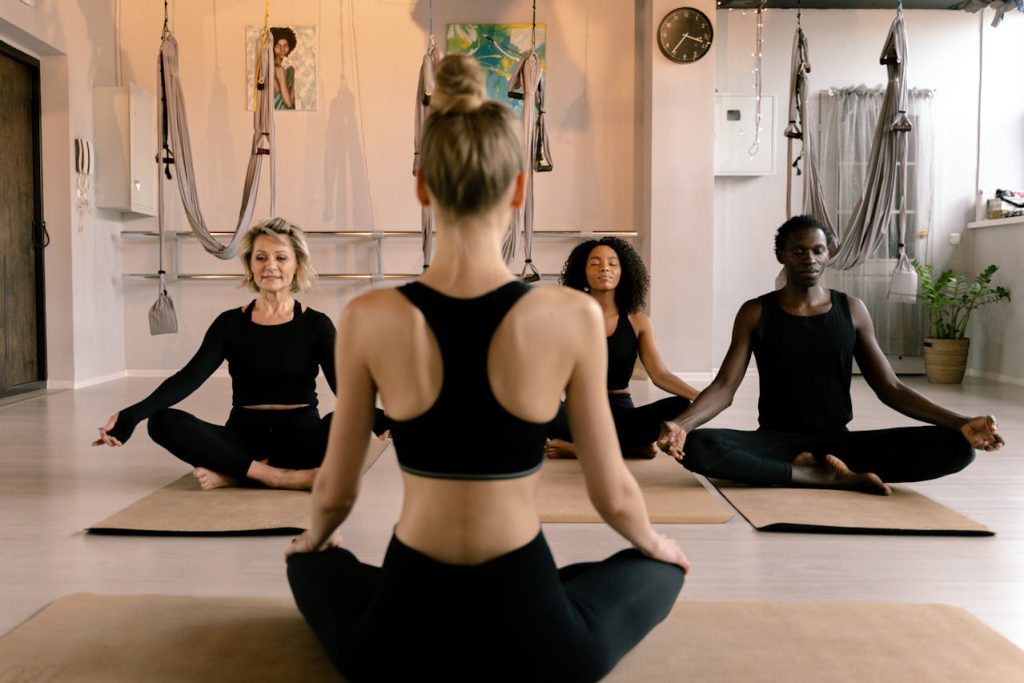
Discover effective mindfulness exercises for anxiety that help you manage stress, improve focus, and enhance emotional well-being. Learn simple techniques to practice daily.
Overview
Anxiety affects millions of people every day, making it difficult to focus, sleep, or simply enjoy life. While medications and therapy can be helpful, mindfulness exercises offer a natural, accessible, and evidence-based approach to managing anxiety. In this blog post, you will learn:
- How mindfulness can help reduce anxiety symptoms
- Simple mindfulness exercises you can practice daily
- Tips to integrate mindfulness into your routine
- Long-term benefits of regular mindfulness practice
By the end of this guide, you will have actionable strategies to reduce anxiety and enhance your overall emotional well-being.
What Is Mindfulness, and How Does It Help Anxiety?
Mindfulness is the practice of bringing your full attention to the present moment without judgment. This simple yet powerful approach can help you:
- Reduce racing thoughts
- Lower stress hormone levels
- Improve focus and clarity
- Increase emotional resilience
Research shows that practicing mindfulness exercises for anxiety can significantly reduce symptoms and help individuals cope with stress more effectively. Mindfulness teaches you to notice your thoughts and feelings without becoming overwhelmed by them, creating a sense of calm in your daily life.
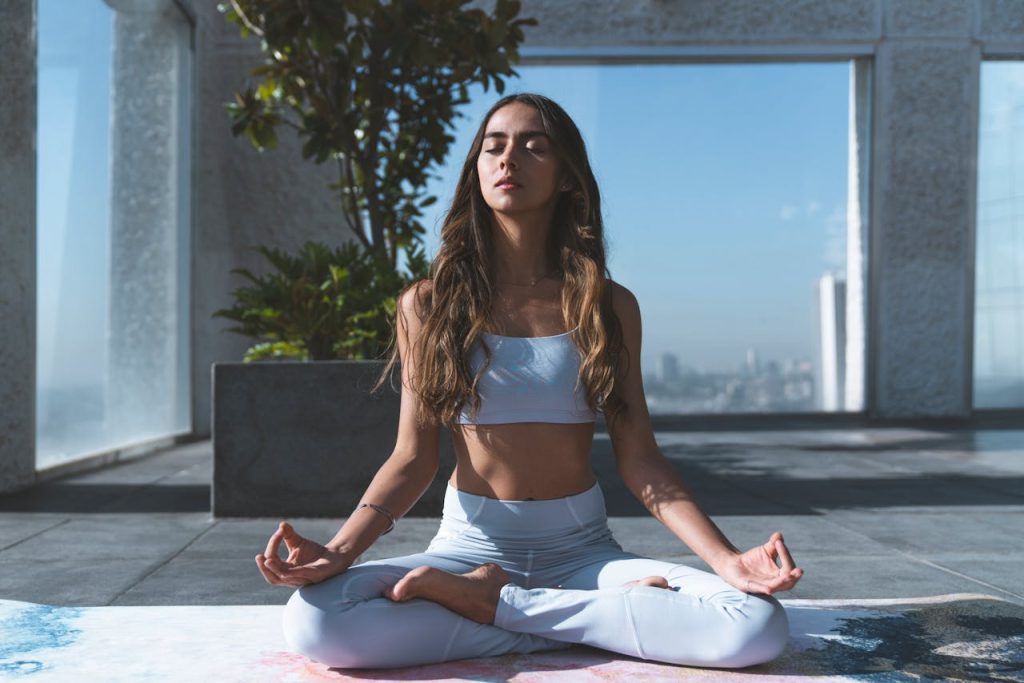
Top Mindfulness Exercises for Anxiety
Here are some of the most effective mindfulness exercises you can practice to manage anxiety. These techniques are simple, require no special equipment, and can be done anywhere.
1. Deep Breathing Techniques
Focusing on your breath is one of the simplest mindfulness exercises for anxiety. Deep breathing helps regulate the nervous system and can instantly reduce stress.
How to practice:
- Sit or lie down comfortably.
- Close your eyes and take a slow, deep breath through your nose for 4 counts.
- Hold your breath for 4 counts.
- Exhale slowly through your mouth for 6 counts.
- Repeat for 5–10 minutes.
Tip: Pair your breath with a calming phrase, like “I am calm” or “I release tension,” to enhance the effect.
2. Body Scan Meditation
A body scan helps you become aware of physical sensations and release tension stored in the body.
How to practice:
- Lie down in a comfortable position.
- Close your eyes and focus on your toes.
- Slowly move your attention upward, noticing any areas of tension or discomfort.
- Breathe into each area and imagine releasing the stress with each exhale.
Benefit: This exercise helps break the cycle of anxious thoughts by grounding your awareness in your body.
3. Mindful Walking
Mindful walking combines movement and awareness to calm the mind and reduce anxiety.
How to practice:
- Find a quiet place to walk slowly.
- Focus on each step, noticing the sensation of your feet touching the ground.
- Pay attention to your surroundings—the sounds, smells, and sights.
- If your mind wanders, gently bring your focus back to your steps.
Tip: Practice mindful walking for 10–15 minutes daily to feel more centered.
4. Guided Meditation
Guided meditation is perfect for beginners or those who struggle with anxious thoughts.
How to practice:
- Find a guided meditation app or online video.
- Sit or lie down comfortably.
- Follow the instructions, focusing on your breath, visualization, or body awareness.
Benefit: Guided meditation provides structure and helps you stay engaged in mindfulness exercises for anxiety without distraction.
5. Mindful Journaling
Journaling your thoughts and feelings mindfully can help reduce anxiety by creating awareness and clarity.
How to practice:
- Set aside 10–15 minutes each day.
- Write down your thoughts without judgment.
- Note any patterns, triggers, or feelings that arise.
- Reflect on what you can control and what you can release.
Tip: Pair journaling with gratitude practice to enhance positivity and emotional balance.
6. 5-4-3-2-1 Grounding Technique
This sensory awareness exercise is ideal for moments of acute anxiety.
How to practice:
- Notice 5 things you can see.
- Notice 4 things you can touch.
- Notice 3 things you can hear.
- Notice 2 things you can smell.
- Notice 1 thing you can taste.
Benefit: This exercise brings your attention to the present, breaking the cycle of anxious thoughts.
7. Loving-Kindness Meditation
Loving-kindness Meditation cultivates compassion toward yourself and others, reducing self-criticism and anxious feelings.
How to practice:
- Sit comfortably and close your eyes.
- Repeat phrases such as:
- “May I be safe.”
- “May I be happy.”
- “May I be healthy.”
- Gradually extend these wishes to loved ones, acquaintances, and even difficult people in your life.
Benefit: Enhances emotional well-being and reduces anxiety by fostering a sense of connection and acceptance.
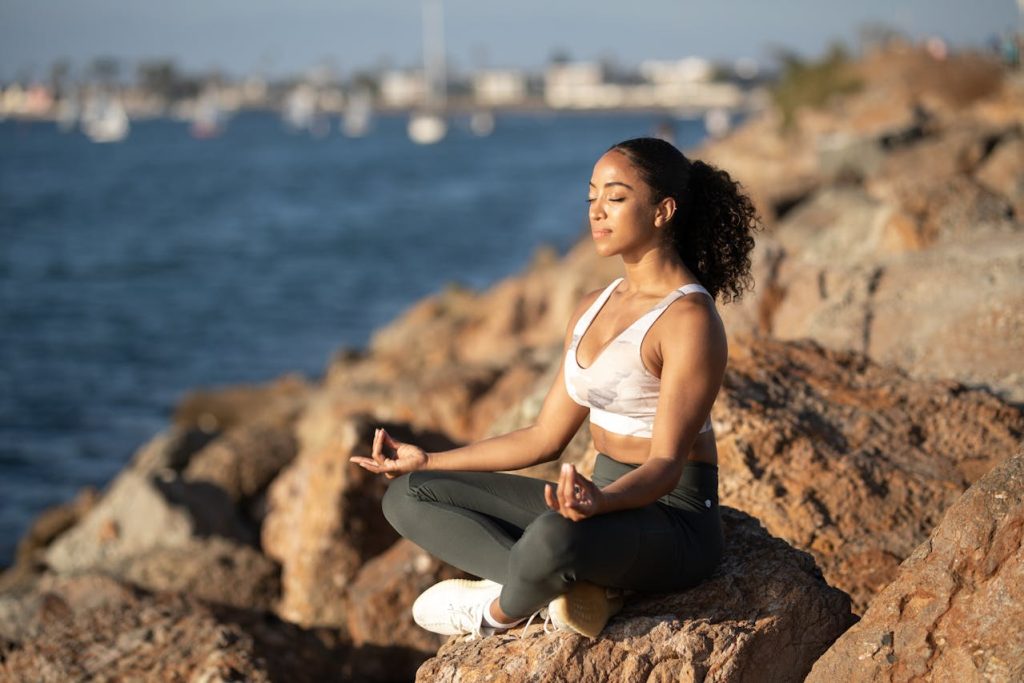
How to Incorporate Mindfulness Exercises into Daily Life
Consistency is key to experiencing the full benefits of mindfulness exercises for anxiety. Here are some tips to make it a habit:
- Set a routine: Practice at the same time every day, even if it’s just 5–10 minutes.
- Use reminders: Set alarms or post sticky notes to prompt mindfulness exercises.
- Start small: Focus on one or two techniques and gradually incorporate more.
- Combine with daily activities: Practice mindfulness while cooking, walking, or commuting.
- Track progress: Keep a journal of your practice and note improvements in mood or anxiety levels.
Benefits of Practicing Mindfulness Exercises for Anxiety
Regular mindfulness practice can provide lasting benefits, including:
- Reduced stress and anxiety levels
- Improved emotional regulation
- Enhanced focus and concentration
- Better sleep quality
- Increased self-awareness and resilience
- Greater overall well-being
Scientific studies confirm that practicing mindfulness exercises for anxiety can improve both mental and physical health, making it an effective tool for long-term stress management.
Final Thoughts
Mindfulness exercises for anxiety are accessible, effective, and can be incorporated into your daily life without any cost. From deep breathing and body scans to guided meditation and journaling, there are multiple techniques to explore. By practicing consistently, you can reduce anxiety, improve emotional balance, and regain a sense of calm.
Take the first step today: start with just a few minutes of mindful breathing or a short guided meditation, and gradually explore other exercises. Your mind and body will thank you.
FAQs for Mindfulness Exercises for Anxiety
What are mindfulness exercises for anxiety?
Mindfulness exercises for anxiety are techniques that help you focus on the present moment, reduce stress, and manage anxious thoughts effectively.
How do mindfulness exercises help reduce anxiety?
They calm the nervous system, improve emotional regulation, and train your mind to observe thoughts without judgment, reducing the intensity of anxious feelings.
Can beginners practice mindfulness exercises for anxiety?
Yes, mindfulness exercises are suitable for beginners. Starting with short sessions like deep breathing or guided meditation is recommended.
How long should I practice mindfulness exercises each day?
Even 5–10 minutes daily can be beneficial, but longer sessions of 20–30 minutes provide more noticeable results over time.
Are mindfulness exercises effective for severe anxiety?
They can help manage symptoms, but severe anxiety may also require therapy or medication in addition to mindfulness practices.
What is the best mindfulness exercise for anxiety?
There isn’t one “best” exercise; techniques like deep breathing, body scans, mindful walking, and guided meditation are all highly effective depending on individual preference.
Can mindfulness exercises improve sleep for anxious people?
Yes, practicing mindfulness before bedtime can help calm the mind, reduce racing thoughts, and promote better sleep.
How often should I do mindfulness exercises for anxiety?
Daily practice is ideal. Consistency helps train your mind to respond calmly to stressful situations.
Can children practice mindfulness exercises for anxiety?
Yes, mindfulness exercises can be adapted for children using simple breathing techniques, guided imagery, and mindful play.
Do mindfulness exercises have any side effects?
Generally, mindfulness exercises are safe. Some people may feel emotional release initially, but this usually subsides with continued practice.
How can I stay motivated to practice mindfulness regularly?
Set a routine, start small, use reminders, track your progress, and integrate mindfulness into daily activities to maintain motivation.
Is guided meditation better than self-guided mindfulness exercises?
Guided meditation can be helpful for beginners to maintain focus, but self-guided exercises allow flexibility and independence once you are more experienced.
Can mindfulness exercises reduce physical symptoms of anxiety?
Yes, by lowering stress hormones and promoting relaxation, mindfulness exercises can reduce symptoms like rapid heartbeat, muscle tension, and shallow breathing.
Are mindfulness exercises backed by science?
Yes, numerous studies show mindfulness exercises can significantly reduce anxiety, stress, and depression while improving overall mental health.
Can I combine mindfulness exercises with other treatments for anxiety?
Absolutely. Mindfulness exercises work well alongside therapy, medication, yoga, or other stress-reduction practices to enhance overall anxiety management.
Related Topics
- How to Practice Meditation: A Step-by-Step Guide for Beginners
- How Do I Start to Meditate? A Complete Beginner’s Guide
- What Do You Do When You Meditate? A Complete Guide
- How to Meditate Daily: A Simple Guide to Building a Lifelong
- Meditation Techniques for Anxiety | Calm Your Mind Naturally
- How to Meditate Effectively: A Step-by-Step Guide for Beginners
- Best Way to Meditate: A Complete Guide for Beginners and Experts
- Mind Success: Unlock Your Full Potential with Proven Techniques
- Stress Meditation: How Mindfulness Helps Reduce Stress
- What Do You Do When You Meditate? A Complete Guide
- Breathing Meditation Techniques for Beginners: A Complete Guide
- How to Meditate Daily: A Simple Guide to Building a Lifelong
- Grief Meditation: A Healing Practice for Emotional Recovery
- 5 Minute Meditation Scripts: Quick & Effective Guided Meditation
- Meditating at Home: Guide to Finding Peace and Balance
- Meditation and Sounds: Boost Mindfulness & Relaxation