
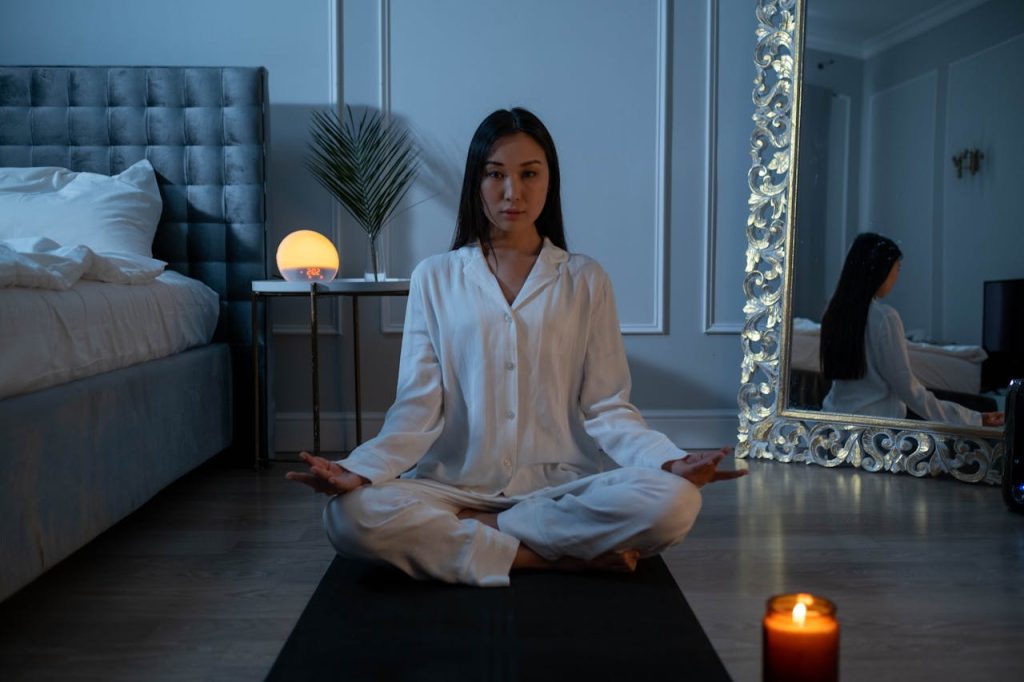
Discover the power of mirror meditation to boost self-awareness, reduce stress, and cultivate self-love. Learn step-by-step techniques and benefits for daily practice.
Overview
In this blog post, readers will learn about mirror meditation, a unique mindfulness practice that helps improve self-awareness, emotional balance, and self-compassion. They will discover its benefits, step-by-step techniques, tips for beginners, and guidance on incorporating this practice into daily life. By the end, readers will understand how mirror meditation can transform their mental well-being and strengthen their relationship with themselves.
Mirror Meditation: A Path to Self-Discovery and Mindfulness
In a world full of distractions and constant external validation, finding a moment to connect with ourselves can be challenging. Mirror meditation is a powerful practice that allows you to confront your inner self, build self-compassion, and enhance mindfulness. Unlike traditional meditation, which often involves closing your eyes and turning inward, mirror meditation requires a reflective surface—literally a mirror—to deepen self-awareness.

What is mirror meditation?
Mirror meditation is a form of mindfulness practice where you observe yourself in a mirror while focusing on your thoughts, emotions, and inner dialogue. This practice encourages self-reflection, self-acceptance, and emotional healing. By maintaining eye contact with your reflection, you can uncover subconscious patterns and negative self-talk while fostering a stronger sense of self-love.
Unlike conventional meditation techniques that focus on breath or body scans, mirror meditation combines mindfulness with introspection, creating a unique path toward personal growth.
The Benefits of Mirror Meditation
Practicing mirror meditation regularly can lead to numerous mental, emotional, and spiritual benefits:
- Enhances Self-Awareness: Observing your facial expressions and emotions in real-time helps you identify hidden feelings and patterns.
- Reduces Stress and Anxiety: Mindful observation of oneself can calm the nervous system, similar to other meditation techniques.
- Improves Emotional Intelligence: Mirror meditation teaches you to recognize and manage your emotions effectively.
- Promotes Self-Love and Compassion: Maintaining eye contact with yourself encourages acceptance and reduces self-criticism.
- Strengthens Mindfulness Practice: Incorporating reflection into meditation deepens your ability to stay present.
- Supports Personal Growth: By acknowledging subconscious beliefs, you can begin to make conscious choices for improvement.
These benefits make mirror meditation a powerful tool for anyone looking to improve mental clarity and emotional resilience.
Step-by-Step Guide to Mirror Meditation
Mirror meditation is simple to practice but requires patience and consistency. Here’s how to get started:
Step 1: Choose Your Mirror
Select a mirror where you can comfortably see your face at eye level. Avoid mirrors that are too small or distorted, as they can create distractions. A clean, clear mirror in a quiet space is ideal.
Step 2: Set Your Intention
Before starting, take a moment to define your intention. Ask yourself:
- Am I practicing self-love?
- Do I want to observe my thoughts without judgment?
- Am I seeking clarity about a particular emotion or habit?
Setting a clear intention helps focus your mind during the meditation session.
Step 3: Assume a Comfortable Position
Sit or stand in a relaxed position in front of the mirror. Keep your back straight, shoulders relaxed, and hands resting naturally on your lap or sides.
Step 4: Begin Mindful Observation
Gaze softly into your own eyes. Observe your facial expressions, emotions, and any sensations that arise. Avoid judgment or analysis—simply notice what is present.
Step 5: Use Affirmations or Mantras (Optional)
You can silently repeat positive affirmations or mantras such as
- “I accept myself as I am.”
- “I am worthy of love and compassion.”
- “I release judgment and embrace understanding.”
Affirmations enhance the self-compassion aspect of mirror meditation.
Step 6: Reflect on Emotions
Notice any emotions that surface. Allow yourself to feel without suppressing them. Mirror meditation encourages emotional release and self-awareness, which can be deeply healing over time.
Step 7: Close with Gratitude
End your session by thanking yourself for dedicating time to self-care. Take a few deep breaths and gently shift your attention away from the mirror.

Tips for Beginners
Starting mirror meditation can feel challenging, especially if you are not used to looking into your own eyes for extended periods. Here are some tips to ease the process:
- Start Small: Begin with 2–5 minutes per session and gradually increase the time.
- Practice Daily: Consistency is key to experiencing the full benefits.
- Stay Non-Judgmental: Avoid critiquing your appearance or emotions.
- Use Guided Sessions: Some mindfulness apps or online resources offer guided mirror meditations.
- Journal Your Experience: After each session, write down thoughts, feelings, or insights. Journaling complements the practice and enhances self-reflection.
Common Challenges and How to Overcome Them
While mirror meditation is beneficial, some people encounter challenges:
- Feeling Vulnerable or Awkward: This is normal, especially during the first few sessions. Over time, the practice becomes more natural.
- Negative Self-Talk: If critical thoughts arise, gently redirect your focus to your breath or repeat a positive affirmation.
- Distraction: Minimize background noise and interruptions to create a peaceful environment.
Remember, patience and self-compassion are essential. Mirror meditation is a gradual process that deepens with regular practice.
How to Incorporate Mirror Meditation into Daily Life
Mirror meditation can fit seamlessly into your daily routine:
- Morning Routine: Start your day with a few minutes of self-reflection to set a positive tone.
- Before Sleep: Use mirror meditation to release stress and cultivate gratitude before bed.
- During Breaks: Take short sessions during work or study breaks to reset your mind.
- Combined with Other Practices: Pair mirror meditation with yoga, breathing exercises, or journaling for a holistic mindfulness routine.
Final Thought: Embrace the Power of Mirror Meditation
Mirror meditation is more than just looking at your reflection—it’s a transformative practice that nurtures self-awareness, emotional balance, and self-love. By dedicating a few minutes each day to mindful observation, you can unlock deeper insights about yourself, reduce stress, and cultivate a more compassionate relationship with your inner world.
Start small, stay consistent, and allow yourself to grow with each session. Mirror meditation is not just a technique; it’s a journey toward understanding and embracing your authentic self.
FAQs for Mirror Meditation
What is mirror meditation?
Mirror meditation is a mindfulness practice where you observe yourself in a mirror to enhance self-awareness, cultivate self-love, and connect with your inner emotions.
How do I start practicing mirror meditation?
Begin by sitting comfortably in front of a clean mirror, gaze softly into your eyes, set a clear intention, and observe your thoughts and emotions without judgment.
How long should a mirror meditation session last?
Start with 2–5 minutes per session, gradually increasing to 10–15 minutes as you become more comfortable with the practice.
Can mirror meditation reduce stress and anxiety?
Yes, focusing on mindful observation and self-compassion can calm the nervous system and reduce feelings of stress and anxiety over time.
Is mirror meditation suitable for beginners?
Absolutely! Beginners can start with short sessions and use affirmations to guide their practice while gradually building comfort and confidence.
Do I need any special tools for mirror meditation?
All you need is a mirror and a quiet space. Optionally, you can use calming music, guided meditation apps, or affirmations for enhanced focus.
Can mirror meditation improve self-esteem?
Yes, regular mirror meditation helps you recognize your worth, embrace self-love, and reduce negative self-talk, which improves overall self-esteem.
Should I use affirmations during mirror meditation?
Affirmations are optional but highly recommended. Positive statements like “I accept myself” or “I am worthy of love” reinforce self-compassion and mindfulness.
How often should I practice mirror meditation?
Daily practice is ideal, but even 3–4 sessions per week can produce noticeable benefits in self-awareness and emotional balance.
Can mirror meditation be combined with other practices?
Yes, it pairs well with yoga, breathing exercises, journaling, or guided mindfulness sessions for a comprehensive self-care routine.
What are common challenges in mirror meditation?
Beginners may feel awkward, experience self-criticism, or get distracted. Patience, consistency, and gentle self-compassion help overcome these challenges.
Is mirror meditation spiritual or psychological?
Mirror meditation can be both. It enhances emotional intelligence and mental clarity (psychological) while also fostering self-acceptance and deeper inner connection (spiritual).
Can children or teenagers practice mirror meditation?
Yes, with guidance and shorter sessions, children and teens can benefit from self-awareness, emotional regulation, and confidence-building.
How can mirror meditation help with negative self-talk?
By observing yourself mindfully and repeating affirmations, mirror meditation helps recognize and gradually replace negative self-talk with compassionate thoughts.
Do I need to meditate in silence or can I use music?
You can use soft, calming music if it helps you focus. The key is to maintain mindful awareness and stay present with your reflection.
Related Topics
- How to Practice Meditation: A Step-by-Step Guide for Beginners
- How Do I Start to Meditate? A Complete Beginner’s Guide
- What Do You Do When You Meditate? A Complete Guide
- How to Meditate Daily: A Simple Guide to Building a Lifelong
- Meditation Techniques for Anxiety | Calm Your Mind Naturally
- How to Meditate Effectively: A Step-by-Step Guide for Beginners
- Best Way to Meditate: A Complete Guide for Beginners and Experts
- Mind Success: Unlock Your Full Potential with Proven Techniques
- Stress Meditation: How Mindfulness Helps Reduce Stress
- What Do You Do When You Meditate? A Complete Guide
- Breathing Meditation Techniques for Beginners: A Complete Guide
- How to Meditate Daily: A Simple Guide to Building a Lifelong
- Grief Meditation: A Healing Practice for Emotional Recovery
- 5 Minute Meditation Scripts: Quick & Effective Guided Meditation
- Meditating at Home: Guide to Finding Peace and Balance
- Meditation and Sounds: Boost Mindfulness & Relaxation