
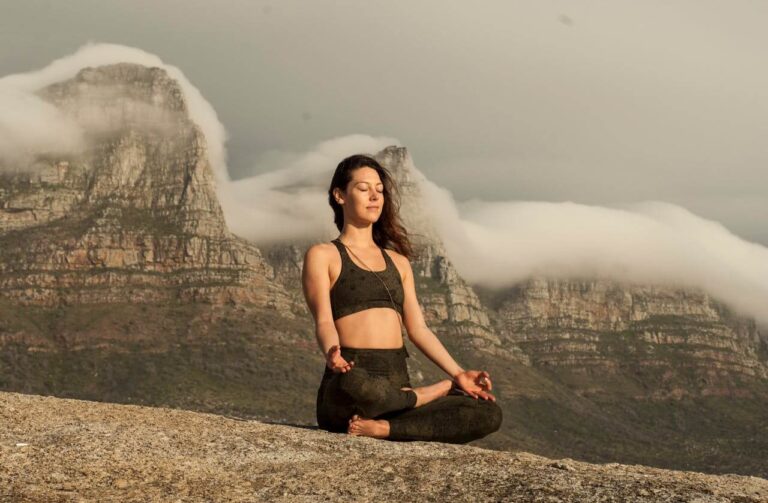
Experience the ultimate mindfulness with mountain meditation. Learn techniques, benefits, and how our guided sessions in serene mountain settings can reduce stress, enhance focus, and boost overall well-being.
Overview
In this blog post, readers will learn what mountain meditation is, why practicing meditation in mountainous environments can enhance mental and emotional well-being, and practical tips for starting their own mountain meditation journey. They will also discover the unique benefits of guided mountain meditation sessions, how to choose the right location, and ways to integrate mindfulness into daily life. By the end, readers will feel empowered to embrace meditation in nature and experience profound inner peace.
Mountain Meditation: A Path to Mindfulness and Inner Peace
Meditation is a timeless practice that helps calm the mind, reduce stress, and enhance self-awareness. While meditation can be done anywhere, practicing it in the serene and majestic environment of mountains offers a unique experience. Mountain meditation combines the benefits of mindfulness with the natural tranquility of high-altitude landscapes, offering an immersive retreat for the mind, body, and soul.
In this article, we’ll explore the power of mountain meditation, the techniques to practice it, and how guided sessions can help you unlock deeper states of relaxation and awareness.
What is mountain meditation?
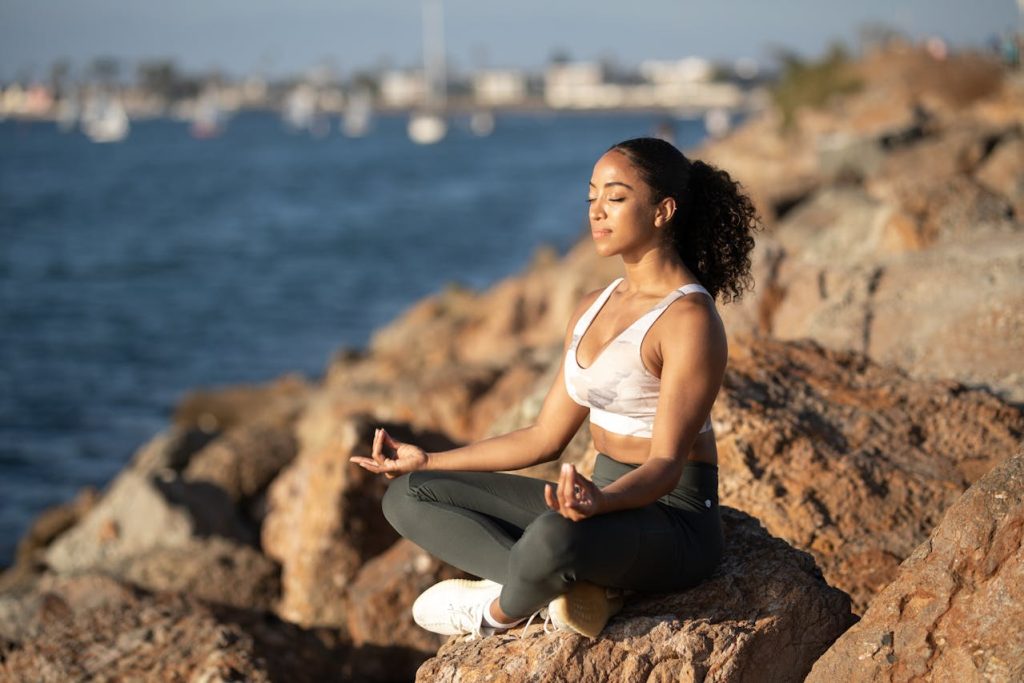
Mountain meditation is a form of mindfulness practice conducted in mountainous environments or visualized through meditation exercises that evoke the tranquility of mountains. The practice encourages connecting with nature, grounding oneself, and finding mental clarity.
Unlike conventional meditation done indoors, mountain meditation emphasizes the following:
- Immersion in natural surroundings
- Deep breathing in fresh mountain air
- Observing natural sounds and landscapes
- Feeling a sense of vastness and perspective
This form of meditation is particularly effective for individuals seeking to escape the chaos of daily life and reconnect with their inner calm.
Benefits of Mountain Meditation
Practicing meditation in mountainous environments provides unique physical, mental, and emotional benefits. Here are some key advantages:
1. Stress Reduction
The serene and quiet atmosphere of mountains helps lower cortisol levels, reducing stress and promoting relaxation. The combination of mindfulness and nature immersion creates a deeply calming experience.
2. Enhanced Focus and Clarity
The clean, fresh mountain air and natural surroundings help improve concentration, creativity, and cognitive clarity. Mountain meditation allows the mind to reset, free from distractions.
3. Emotional Balance
Being in nature has proven effects on emotional health. Mountain meditation can reduce anxiety, promote positive thinking, and encourage emotional resilience.
4. Connection with Nature
Spending time in mountains fosters a sense of awe and interconnectedness with the natural world, enhancing mindfulness and gratitude.
5. Physical Well-being
Mountain environments encourage walking meditation, gentle hikes, or yoga sessions. These activities, combined with meditation, support overall physical health, including improved circulation and respiratory function.
How to Practice Mountain Meditation
Mountain meditation can be practiced in-person or through guided visualization. Here’s a step-by-step approach to get started:
Step 1 – Choose Your Location
- Find a safe, scenic mountain area with minimal distractions.
- Ideal spots include mountain trails, elevated viewpoints, or serene valleys.
- If you’re unable to travel, use virtual mountain meditation or audio-guided sessions.
Step 2 – Prepare Your Mind and Body
- Wear comfortable clothing suitable for weather conditions.
- Bring a yoga mat, blanket, or meditation cushion for comfort.
- Practice deep breathing exercises to relax the body and mind.
Step 3 – Focus on Your Breath
- Begin with slow, deep breaths.
- Inhale for four counts, hold for four, and exhale for six counts.
- Focus on the rhythm of your breathing and the natural sounds around you, such as rustling leaves, flowing streams, or bird songs.
Step 4 – Engage in Mindful Observation
- Observe your surroundings without judgment.
- Notice colors, textures, and movements in the environment.
- Pay attention to your bodily sensations and thoughts as they arise, letting them pass without attachment.
Step 5 – Guided Mountain Meditation
- Consider participating in guided mountain meditation sessions.
- Experienced instructors lead you through techniques to deepen mindfulness and enhance your meditation practice.
- These sessions may include visualization, breathing exercises, and affirmations to connect with nature and your inner self.
Tips for a Successful Mountain Meditation Experience
- Start Early: Morning sessions offer cooler temperatures, softer light, and peaceful surroundings.
- Limit Distractions: Silence your phone and avoid digital devices.
- Hydrate Well: Bring water to stay hydrated, especially at higher altitudes.
- Practice Regularly: Consistency enhances the benefits of mountain meditation.
- Combine with Mindful Movement: Gentle stretches, yoga, or walking meditation can deepen relaxation.
Why Choose Our Mountain Meditation Services?
At Mindfulness Meditation Hub, we offer expertly guided mountain meditation experiences that cater to beginners and advanced practitioners alike. Our programs are designed to:
- Foster deep mindfulness and self-awareness
- Reduce stress and promote emotional balance
- Connect participants with the healing energy of nature
- Provide professional guidance to maximize the meditation experience
Our instructors are trained in mindfulness practices and provide step-by-step guidance, ensuring that every session is both safe and transformative.
Incorporating Mountain Meditation into Daily Life
Even if you can’t visit the mountains regularly, you can carry the essence of mountain meditation into everyday life:
- Visualization Meditation: Close your eyes and imagine being on a peaceful mountain, listening to natural sounds and feeling the fresh air.
- Mindful Breathing: Take a few minutes each day to focus solely on your breath, replicating the calmness of mountain air.
- Nature Walks: Spend time outdoors in parks or gardens and practice walking meditation, observing each step mindfully.
- Daily Reflection: Journal your thoughts, emotions, and gratitude after meditation sessions to reinforce mindfulness.
By integrating these practices, you maintain the mental clarity and emotional benefits of mountain meditation without needing to be physically present in a mountain environment.
Mountain Meditation for Stress Relief and Well-being
In today’s fast-paced world, stress and anxiety are common challenges. Mountain meditation offers a natural, effective solution by combining mindfulness techniques with the restorative power of nature.
Benefits include:
- Lowered stress and anxiety levels
- Improved emotional regulation
- Enhanced focus, creativity, and productivity
- Increased sense of calm and well-being
- Greater connection with nature and oneself
By regularly practicing mountain meditation, you can develop resilience, mindfulness, and a deeper appreciation for life.
Final Thoughts
Mountain meditation is more than just a mindfulness practice—it’s a transformative experience that connects you with nature, your inner self, and a sense of calm that lasts long after the session ends. Whether through guided retreats, outdoor meditation sessions, or visualization exercises, mountain meditation can help anyone achieve mental clarity, emotional balance, and holistic well-being.
Take the first step today by exploring our mountain meditation services, and discover how immersing yourself in the serenity of mountains can change your life.
FAQs for Mountain Meditation
What is mountain meditation?
Mountain meditation is a mindfulness practice conducted in mountainous environments or through visualization, combining meditation techniques with the calming presence of nature.
How does mountain meditation differ from regular meditation?
Unlike indoor meditation, mountain meditation emphasizes immersion in natural surroundings, fresh air, and scenic landscapes, which enhances relaxation and mental clarity.
What are the benefits of mountain meditation?
It reduces stress, improves focus, supports emotional balance, fosters a connection with nature, and promotes overall well-being.
Can beginners practice mountain meditation?
Yes, beginners can start with guided sessions, visualization exercises, or simple outdoor mindfulness practices in a safe mountain area.
How often should I practice mountain meditation?
For best results, aim for daily or at least 3–4 sessions per week, even if some are brief visualization exercises at home.
Do I need to visit a real mountain for mountain meditation?
Not necessarily. You can practice through guided visualization or meditation apps that simulate mountain environments.
What equipment do I need for mountain meditation?
Comfortable clothing, a meditation cushion or blanket, water, and optionally yoga mats are sufficient for an outdoor session.
How long should a mountain meditation session last?
Sessions can range from 10–60 minutes depending on your experience and schedule. Beginners may start with 10–15 minutes and gradually increase.
Is mountain meditation good for stress and anxiety?
Yes, it significantly lowers cortisol levels, promotes relaxation, and helps regulate emotions.
Can children and teens practice mountain meditation?
Yes, with age-appropriate guidance, children and teens can benefit from mindfulness in natural settings.
What is guided mountain meditation?
It is a structured meditation session led by an instructor, combining visualization, breathing exercises, and mindfulness techniques to maximize relaxation and focus.
Can mountain meditation improve sleep?
Yes, by reducing stress and calming the mind, mountain meditation can help improve sleep quality over time.
Should I meditate alone or in a group in the mountains?
Both options are effective. Solo meditation encourages personal reflection, while group meditation offers shared energy and guided support.
How do I prepare my mind before a mountain meditation session?
Focus on deep breathing, release tension from the body, and set an intention for your meditation, such as relaxation, gratitude, or clarity.
Can mountain meditation be combined with other practices?
Yes, it pairs well with yoga, mindful walking, journaling, or breathwork to enhance mindfulness and overall well-being.
Related Topics
- How to Practice Meditation: A Step-by-Step Guide for Beginners
- How Do I Start to Meditate? A Complete Beginner’s Guide
- What Do You Do When You Meditate? A Complete Guide
- How to Meditate Daily: A Simple Guide to Building a Lifelong
- Meditation Techniques for Anxiety | Calm Your Mind Naturally
- How to Meditate Effectively: A Step-by-Step Guide for Beginners
- Best Way to Meditate: A Complete Guide for Beginners and Experts
- Mind Success: Unlock Your Full Potential with Proven Techniques
- Stress Meditation: How Mindfulness Helps Reduce Stress
- What Do You Do When You Meditate? A Complete Guide
- Breathing Meditation Techniques for Beginners: A Complete Guide
- How to Meditate Daily: A Simple Guide to Building a Lifelong
- Grief Meditation: A Healing Practice for Emotional Recovery
- 5 Minute Meditation Scripts: Quick & Effective Guided Meditation
- Meditating at Home: Guide to Finding Peace and Balance
- Meditation and Sounds: Boost Mindfulness & Relaxation