
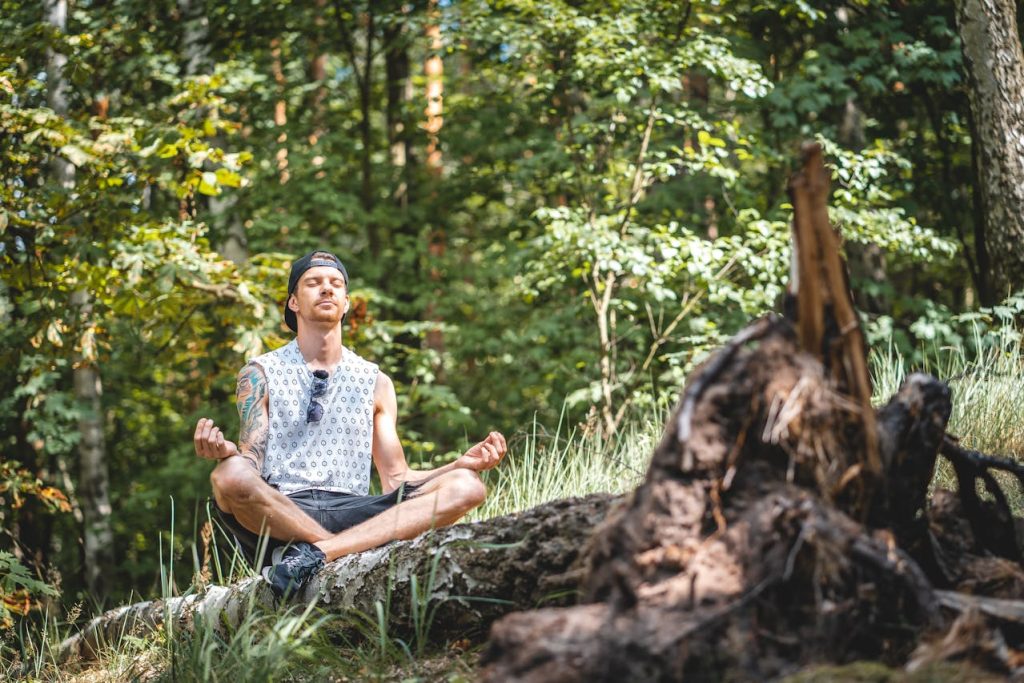
Discover the power of open meditation and how it enhances awareness, reduces stress, and improves focus. Learn techniques, benefits, and how to start your daily practice today.
Overview
In this comprehensive guide, you’ll discover everything you need to know about open meditation—a powerful mindfulness practice that helps you stay present without focusing on a single object. By the end of this article, you will learn:
- What open meditation is and how it differs from other meditation styles
- The science-backed benefits of practicing open meditation
- Step-by-step instructions to get started
- Practical tips to build a consistent meditation habit
- Common challenges and how to overcome them
Whether you’re a beginner or looking to deepen your mindfulness journey, this guide will help you unlock the full potential of open meditation.
What Is Open Meditation?
Open meditation (also known as open awareness or open monitoring meditation) is a form of mindfulness practice where you observe your thoughts, emotions, and sensations without judgment or attachment.
Unlike focused meditation—where attention is directed to a single object like the breath—open meditation encourages you to remain aware of everything happening in the present moment.
Key Characteristics of Open Meditation:
- Non-judgmental awareness
- No fixed point of focus
- Acceptance of thoughts and emotions
- Continuous present-moment observation
This approach allows your mind to become more flexible, aware, and less reactive.
How Open Meditation Works
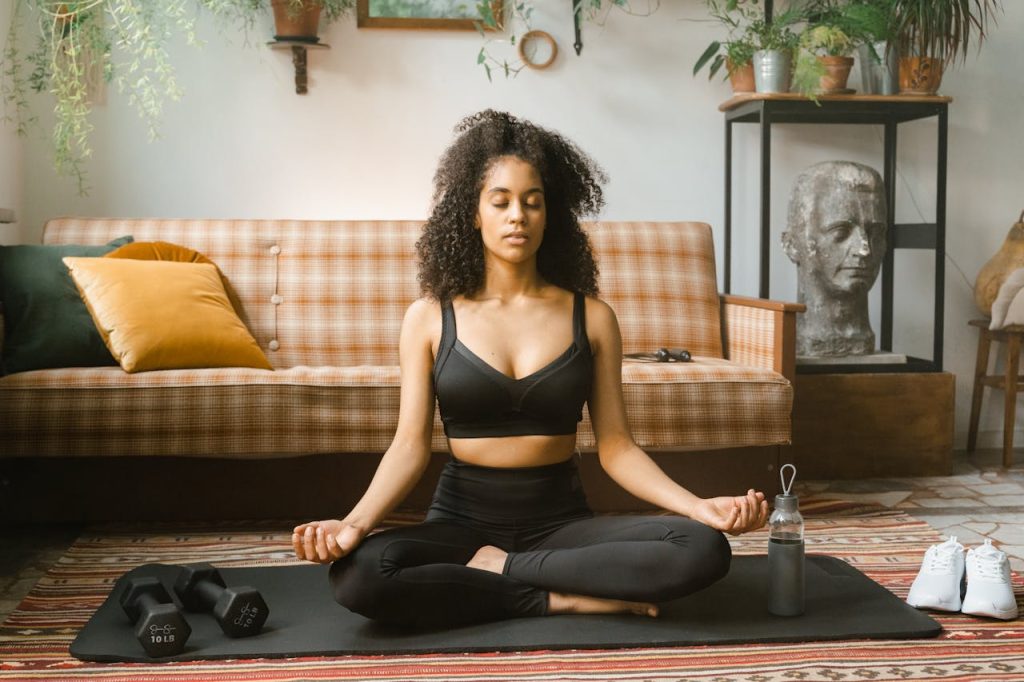
The essence of open meditation lies in observing rather than controlling. Instead of trying to stop your thoughts, you simply notice them as they arise and pass.
Example:
Imagine sitting quietly and noticing:
- The sound of birds outside
- A thought about your to-do list
- A feeling of restlessness
In open meditation, you acknowledge each of these experiences without reacting or getting caught up in them.
This creates a mental space where awareness grows and stress naturally decreases.
Benefits of Open Meditation
Practicing open meditation regularly can have a profound impact on your mental, emotional, and even physical well-being.
Mental Clarity and Focus
- Improves attention span
- Enhances cognitive flexibility
- Helps you stay present in daily tasks
Stress and Anxiety Reduction
Emotional Balance
Improved Mindfulness in Daily Life
- Helps you stay grounded
- Enhances appreciation for simple moments
- Builds a deeper connection with your surroundings
Better Sleep Quality
- Calms the mind before bedtime
- Reduces racing thoughts
- Promotes deeper, more restful sleep
Open Meditation vs. Focused Meditation
Understanding the difference can help you choose the right approach for your needs.
| Feature | Open Meditation | Focused Meditation |
|---|---|---|
| Attention | Open and flexible | Fixed on one object |
| Goal | Awareness of all experiences | Concentration |
| Thought Handling | Observe without attachment | Redirect focus |
| Difficulty | Moderate for beginners | Easier to start |
Both methods are valuable, but open meditation is particularly powerful for developing deep awareness and emotional resilience.
How to Practice Open Meditation (Step-by-Step)
Getting started with open meditation is simple, but consistency is key.
Step 1: Find a Quiet Space
Choose a calm environment where you won’t be disturbed.
Step 2: Sit Comfortably
- Sit on a chair or cushion
- Keep your back straight but relaxed
- Rest your hands comfortably
Step 3: Start with a Few Deep Breaths
This helps you settle into the present moment.
Step 4: Expand Your Awareness
Instead of focusing on your breath, begin noticing:
- Sounds around you
- Physical sensations
- Thoughts as they arise
Step 5: Observe Without Judgment
Let everything come and go naturally. Don’t try to control your experience.
Step 6: Return to Awareness When Distracted
If you get lost in thought, gently return to observing.
Step 7: Practice for 10–20 Minutes Daily
Consistency matters more than duration.
Tips to Improve Your Open Meditation Practice
To get the most out of open meditation, keep these practical tips in mind:
Start Small
Begin with 5–10 minutes and gradually increase your time.
Be Patient
It’s normal for the mind to wander. Progress takes time.
Practice Daily
Consistency builds stronger mindfulness habits.
Avoid Self-Judgment
There’s no “perfect” meditation. Every session is valuable.
Use Guided Support
If you’re new, guided sessions can help you stay on track.
Common Challenges (And How to Overcome Them)
Even though open meditation is simple, beginners often face a few challenges.
“My Mind Won’t Stop Thinking”
Solution: That’s normal. The goal isn’t to stop thoughts but to observe them.
“I Get Distracted Easily”
Solution: Gently bring your awareness back each time without frustration.
“I Feel Restless”
Solution: Try shorter sessions or combine meditation with deep breathing.
“I Don’t See Results”
Solution: Benefits build gradually. Stay consistent and trust the process.
Integrating Open Meditation Into Daily Life
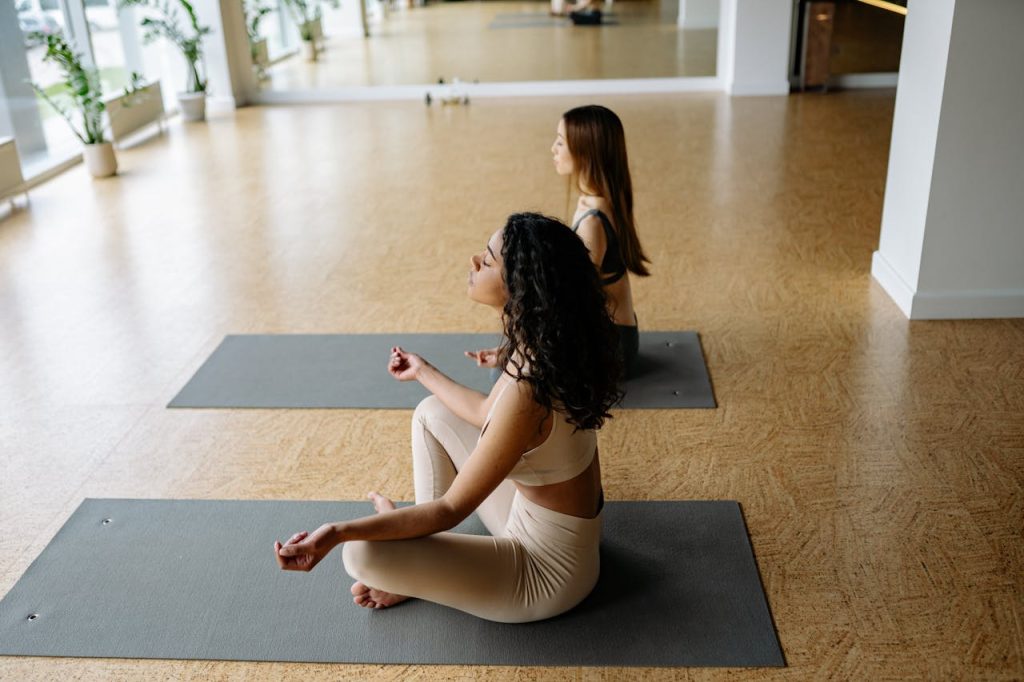
The beauty of open meditation is that it doesn’t have to be limited to sitting sessions.
You can practice it while:
- Walking
- Eating
- Working
- Commuting
Simple Daily Practice Example:
- Notice your breath while walking
- Observe your thoughts during a break
- Pay attention to sounds around you
This transforms everyday activities into mindful experiences.
Why Open Meditation Is Essential in Modern Life
In today’s fast-paced, distraction-filled world, our minds are constantly overloaded. Open meditation provides a powerful way to reset.
It helps you:
- Disconnect from constant stimulation
- Reduce digital overwhelm
- Improve emotional intelligence
- Build resilience against stress
By practicing open meditation, you create space for clarity, calmness, and conscious living.
How Our Platform Supports Your Meditation Journey
At Mindfulness Meditation Hub, we are committed to helping you build a sustainable mindfulness practice.
We offer:
- Beginner-friendly meditation guides
- Step-by-step tutorials
- Practical mindfulness techniques
- Resources to deepen your awareness
Whether you’re just starting or looking to refine your practice, our platform provides everything you need to succeed with open meditation.
Final Thoughts
Open meditation is more than just a technique—it’s a way of living with awareness, acceptance, and presence.
By practicing regularly, you’ll notice:
- Greater mental clarity
- Reduced stress
- Improved emotional balance
- A deeper connection with life
Start small, stay consistent, and allow yourself to experience the transformation that open meditation can bring.
FAQs for Open Meditation
What is open meditation and how does it work?
Open meditation is a mindfulness practice where you observe your thoughts, emotions, and surroundings without focusing on a single object. It works by training your mind to stay aware of the present moment without judgment.
Is open meditation suitable for beginners?
Yes, open meditation is beginner-friendly. While it may feel challenging at first due to distractions, with regular practice it becomes easier and more natural.
How is open meditation different from focused meditation?
Open meditation involves observing everything in your awareness, while focused meditation directs attention to a single point like the breath or a mantra.
How long should I practice open meditation daily?
You can start with 5–10 minutes a day and gradually increase to 15–20 minutes as you become more comfortable with the practice.
Can open meditation help reduce anxiety?
Yes, open meditation can reduce anxiety by helping you observe your thoughts without reacting, which lowers stress and emotional overwhelm.
What should I focus on during open meditation?
In open meditation, you don’t focus on one thing. Instead, you remain aware of all experiences—thoughts, sounds, sensations—as they arise and pass.
What if my mind keeps wandering during open meditation?
That’s completely normal. When your mind wanders, gently bring your awareness back without judging yourself.
Do I need a quiet place to practice open meditation?
While a quiet space helps, you can practice open meditation anywhere—even in a busy environment—by simply observing what’s happening around you.
Can open meditation improve concentration?
Yes, open meditation enhances mental clarity and focus by training your mind to stay present and aware.
Is there a best time of day to practice open meditation?
There’s no strict rule. Many people prefer morning for a fresh start or evening to relax, but the best time is whenever you can be consistent.
Can I practice open meditation while doing daily activities?
Yes, open meditation can be practiced during activities like walking, eating, or working by maintaining awareness of your surroundings and actions.
How long does it take to see results from open meditation?
Some people notice benefits within a few days, while deeper changes like improved focus and emotional balance may take a few weeks of consistent practice.
Is it normal to feel restless during open meditation?
Yes, restlessness is common, especially for beginners. It usually decreases as your mind becomes more accustomed to the practice.
Do I need guidance or a teacher for open meditation?
While you can practice on your own, guided sessions can be helpful, especially in the beginning, to understand the process better.
Can open meditation improve sleep quality?
Yes, open meditation helps calm the mind, reduce racing thoughts, and promote relaxation, which can lead to better sleep quality.
Related Topics
- How to Practice Meditation: A Step-by-Step Guide for Beginners
- How Do I Start to Meditate? A Complete Beginner’s Guide
- What Do You Do When You Meditate? A Complete Guide
- How to Meditate Daily: A Simple Guide to Building a Lifelong
- Meditation Techniques for Anxiety | Calm Your Mind Naturally
- How to Meditate Effectively: A Step-by-Step Guide for Beginners
- Best Way to Meditate: A Complete Guide for Beginners and Experts
- Mind Success: Unlock Your Full Potential with Proven Techniques
- Stress Meditation: How Mindfulness Helps Reduce Stress
- What Do You Do When You Meditate? A Complete Guide
- Breathing Meditation Techniques for Beginners: A Complete Guide
- How to Meditate Daily: A Simple Guide to Building a Lifelong
- Grief Meditation: A Healing Practice for Emotional Recovery
- 5 Minute Meditation Scripts: Quick & Effective Guided Meditation
- Meditating at Home: Guide to Finding Peace and Balance
- Meditation and Sounds: Boost Mindfulness & Relaxation