
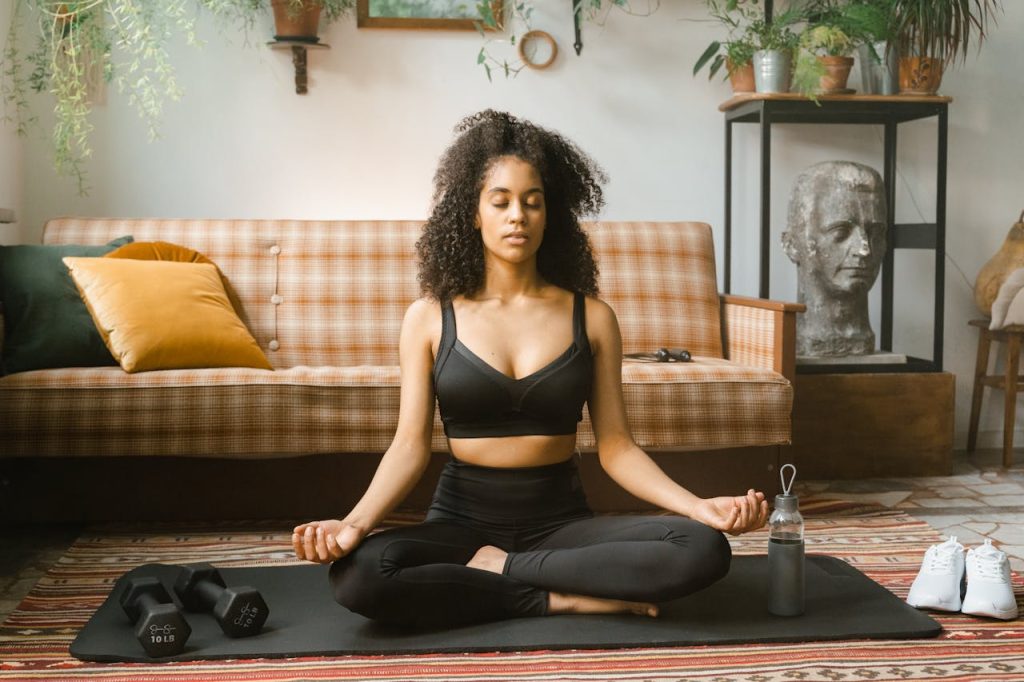
Struggling with impatience? Learn how to become a more person patient through mindfulness, practical strategies, and daily habits that improve emotional control and reduce stress.
Overview
In today’s fast-paced world, becoming a person patient is more important than ever. Whether you’re dealing with stress, relationships, work pressure, or personal growth, patience is a powerful skill that can transform your life.
In this blog post, you’ll learn:
- What it truly means to be a person patient
- Why patience is essential for mental and emotional well-being
- Practical techniques to develop patience in daily life
- How mindfulness and meditation can strengthen your patience
- Real-life applications to help you stay calm and composed
By the end, you’ll have a clear, actionable roadmap to become a more person patient and live a more balanced, peaceful life.
What Does It Mean to Be a Person Patient?
Being a person patient goes far beyond simply waiting without frustration. It means maintaining emotional control, staying calm under pressure, and responding thoughtfully rather than reacting impulsively.
A person patient demonstrates:
- Emotional stability in stressful situations
- The ability to tolerate delays and challenges
- A calm and understanding attitude toward others
- Long-term thinking rather than instant gratification
In essence, patience is not passive—it’s an active form of strength.
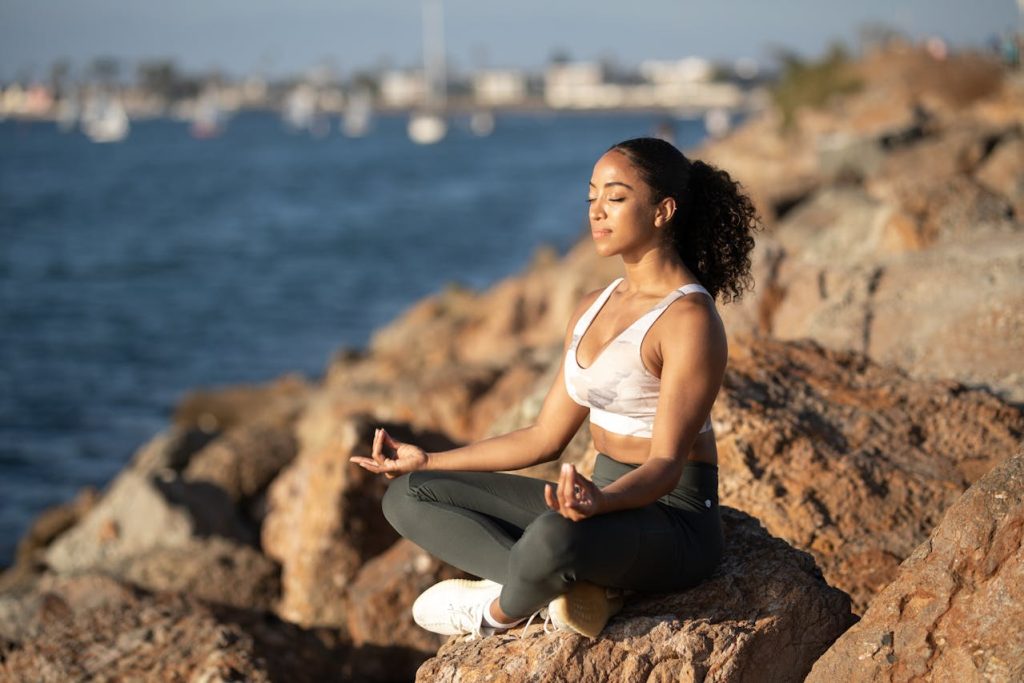
Why Being a Person Patient Matters
Emotional and Mental Benefits
When you become a person patient, you begin to experience noticeable improvements in your mental well-being.
Key benefits include:
- Reduced stress and anxiety
- Better emotional regulation
- Increased focus and clarity
- Improved resilience in difficult situations
Impatience often leads to frustration, anger, and poor decision-making. On the other hand, a person patient can navigate challenges with a clear mind.
Improved Relationships
Patience is a cornerstone of healthy relationships. Whether with family, friends, or colleagues, being a person patient allows you to:
- Listen more effectively
- Communicate calmly
- Resolve conflicts without escalation
- Show empathy and understanding
People naturally feel more comfortable around someone who remains composed and respectful.
Better Decision-Making
A person patient avoids rushing into decisions. Instead, they take time to analyze situations, leading to:
- More thoughtful choices
- Fewer mistakes
- Better long-term outcomes
Patience gives you the space to think before acting.
Common Reasons People Struggle with Patience
Before learning how to become a person patient, it’s important to understand why impatience happens.
1. Fast-Paced Lifestyle
Modern life encourages instant results—fast internet, quick deliveries, and immediate responses. This conditions the brain to expect everything instantly.
2. Stress and Anxiety
High stress levels reduce your ability to stay calm, making it harder to act as a person patient.
3. Lack of Mindfulness
When you’re not present in the moment, small inconveniences can feel overwhelming.
4. Unrealistic Expectations
Expecting perfection or immediate success often leads to frustration.
How to Become a Person Patient
Developing patience is a skill—and like any skill, it can be learned and strengthened over time.
1. Practice Mindfulness Daily
Mindfulness is one of the most effective ways to become a person patient. It trains your mind to stay present and reduces emotional reactivity.
Simple mindfulness practices:
- Focus on your breathing for 5–10 minutes daily
- Observe your thoughts without judgment
- Pay attention to your surroundings
When you’re mindful, you’re less likely to react impulsively.
2. Pause Before Reacting
A key trait of a person patient is the ability to pause.
Try this technique:
- When triggered, take a deep breath
- Count to five before responding
- Ask yourself: “Is this reaction helpful?”
This small pause can prevent unnecessary conflict and regret.
3. Reframe the Situation
Often, impatience comes from how we interpret situations.
Instead of thinking:
- “This is wasting my time”
Shift to:
- “This is an opportunity to practice patience”
A person patient sees challenges as opportunities for growth.
4. Set Realistic Expectations
Unrealistic expectations create frustration. Becoming a person patient means accepting that:
- Not everything happens instantly
- People make mistakes
- Delays are part of life
Adjusting your expectations reduces stress significantly.
5. Develop Emotional Awareness
Understanding your emotions is crucial.
Ask yourself:
- Why am I feeling impatient?
- What is triggering this reaction?
A person patient is self-aware and uses that awareness to stay in control.
6. Practice Gratitude
Gratitude shifts your focus from frustration to appreciation.
Daily gratitude habits:
- Write down 3 things you’re thankful for
- Reflect on positive moments
- Appreciate small wins
Gratitude naturally makes you a more person patient.
7. Engage in Meditation
Meditation strengthens your ability to stay calm and centered.
Benefits of meditation:
Even 10 minutes a day can help you become a more person patient over time.
Real-Life Examples of Being a Person Patient
At Work
Instead of reacting to tight deadlines with stress, a person patient prioritizes tasks calmly and communicates effectively.
In Relationships
When disagreements arise, a person patient listens, understands, and responds thoughtfully.
In Daily Life
Whether waiting in traffic or standing in line, a person patient remains composed and uses the time productively.
Signs You Are Becoming a Person Patient
As you practice, you’ll notice changes in your behavior.
You might observe:
- You react less emotionally
- You handle delays more calmly
- You feel more in control
- You communicate more effectively
These are clear signs you’re growing into a person patient.
How Mindfulness Meditation Supports Patience
At Mindfulness Meditation Hub, we emphasize the connection between mindfulness and patience.
Here’s how it helps:
1. Strengthens Awareness
You become more aware of your triggers.
2. Reduces Reactivity
You respond thoughtfully instead of reacting impulsively.
3. Builds Emotional Balance
You stay calm even in stressful situations.
4. Enhances Focus
You can handle challenges without feeling overwhelmed.
A consistent mindfulness practice is one of the fastest ways to become a person patient.
Daily Habits to Strengthen Patience
Building patience requires consistency.
Try incorporating these habits:
- Start your day with 5 minutes of deep breathing
- Practice mindful walking
- Limit multitasking
- Take short breaks during stressful moments
- Reflect on your reactions at the end of the day
Over time, these habits will transform you into a naturally person patient individual.
Common Mistakes to Avoid
Even with the best intentions, people often make mistakes when trying to build patience.
Avoid these:
- Expecting instant results
- Ignoring your emotions
- Being overly critical of yourself
- Trying to suppress feelings instead of understanding them
Remember, becoming a person patient is a gradual process.
Final Thoughts: Becoming a Person Patient Is a Lifelong Skill
Patience is not something you’re born with—it’s something you develop. Becoming a person patient requires practice, awareness, and consistency.
The good news is that every small step counts. Whether it’s pausing before reacting, practicing mindfulness, or adjusting your expectations, each effort brings you closer to a calmer, more balanced life.
In a world that constantly pushes for speed and instant results, choosing to be a person patient sets you apart. It improves your mental health, strengthens your relationships, and helps you navigate life with clarity and confidence.
FAQs for Person Patient
What does it mean to be a person patient?
Being a person patient means staying calm, composed, and emotionally balanced even in stressful or frustrating situations. It involves responding thoughtfully rather than reacting impulsively.
Why is being a person patient important in daily life?
A person patient experiences less stress, makes better decisions, and builds stronger relationships. Patience helps you handle challenges with clarity and control.
Can patience be learned or is it natural?
Patience is a skill that can absolutely be learned. With consistent practice like mindfulness and self-awareness, anyone can become a more person patient.
How does mindfulness help you become a person patient?
Mindfulness trains your mind to stay present, which reduces emotional reactions and helps you respond calmly—key traits of a person patient.
What are the signs of an impatient person?
Common signs include frustration over small delays, quick anger, difficulty waiting, and impulsive decision-making.
How long does it take to become a person patient?
There’s no fixed timeline. With daily practice, you can start seeing improvements within a few weeks, but mastering patience is a lifelong process.
Can meditation improve patience?
Yes, meditation is one of the most effective tools to become a person patient. It enhances focus, reduces stress, and builds emotional control.
What are simple ways to practice patience daily?
You can practice patience by pausing before reacting, taking deep breaths, managing expectations, and staying mindful in everyday situations.
How does patience improve relationships?
A person patient listens better, communicates calmly, and handles conflicts without escalation, leading to healthier and stronger relationships.
Why do people struggle with being patient?
Modern fast-paced lifestyles, stress, unrealistic expectations, and lack of mindfulness all contribute to impatience.
Is patience linked to emotional intelligence?
Yes, patience is a key component of emotional intelligence. A person patient understands and manages emotions effectively.
How can I stay patient during stressful situations?
Take deep breaths, pause before responding, reframe the situation, and focus on what you can control.
Does being a person patient mean tolerating everything?
No, being patient doesn’t mean accepting harmful situations. It means responding calmly and wisely while maintaining your boundaries.
Can patience help reduce anxiety?
Yes, becoming a person patient reduces anxiety by helping you stay grounded and avoid overreacting to stressors.
What are the benefits of becoming a person patient?
Benefits include improved mental health, better decision-making, stronger relationships, reduced stress, and greater overall life satisfaction.
Related Topics
Meditation and Sounds: Boost Mindfulness & Relaxation
How to Practice Meditation: A Step-by-Step Guide for Beginners
How Do I Start to Meditate? A Complete Beginner’s Guide
What Do You Do When You Meditate? A Complete Guide
How to Meditate Daily: A Simple Guide to Building a Lifelong
Meditation Techniques for Anxiety | Calm Your Mind Naturally
How to Meditate Effectively: A Step-by-Step Guide for Beginners
Best Way to Meditate: A Complete Guide for Beginners and Experts
Mind Success: Unlock Your Full Potential with Proven Techniques
Stress Meditation: How Mindfulness Helps Reduce Stress
What Do You Do When You Meditate? A Complete Guide
Breathing Meditation Techniques for Beginners: A Complete Guide
How to Meditate Daily: A Simple Guide to Building a Lifelong
Grief Meditation: A Healing Practice for Emotional Recovery
5 Minute Meditation Scripts: Quick & Effective Guided Meditation