
Discover the proper ways to meditate for stress relief, mental clarity, and overall well-being. Learn step-by-step techniques, tips, and best practices for a successful meditation journey.
Overview
Meditation has become a cornerstone for mental wellness, stress reduction, and spiritual growth. However, many people struggle to meditate effectively because they aren’t aware of the proper ways to meditate. In this comprehensive guide, readers will learn practical techniques, expert tips, and step-by-step methods to achieve a calm mind and improved focus. Whether you are a beginner or an experienced practitioner, this guide will help you develop a consistent meditation routine that brings real benefits.
Why Meditation Matters
Meditation isn’t just about sitting quietly; it’s about training your mind to focus, relax, and achieve inner clarity. Research shows that consistent meditation can:
- Reduce stress and anxiety
- Improve focus and cognitive performance
- Promote emotional stability
- Enhance sleep quality
- Support overall physical and mental health
However, achieving these benefits requires knowing the proper ways to meditate. Without guidance, beginners often struggle with wandering thoughts, discomfort, or impatience, which can lead to frustration and giving up.
Understanding the Proper Ways to Meditate
Learning the proper ways to meditate involves three key components: posture, breathing, and mental focus. Mastering these elements ensures that your meditation practice is both effective and sustainable.
1. Choosing the Right Environment
A calm and distraction-free environment is essential for effective meditation. Consider the following tips:
- Quiet Space: Find a room or area free from loud noises.
- Comfortable Temperature: Ensure the room is neither too hot nor too cold.
- Minimal Clutter: A tidy space promotes a sense of calm and clarity.
- Natural Light: Soft, natural light enhances relaxation.
Even short meditation sessions in a well-prepared space can improve your focus and help you maintain consistency.
2. Proper Posture for Meditation
Posture is critical to ensure comfort and alertness during meditation. Here are the most common and effective postures:
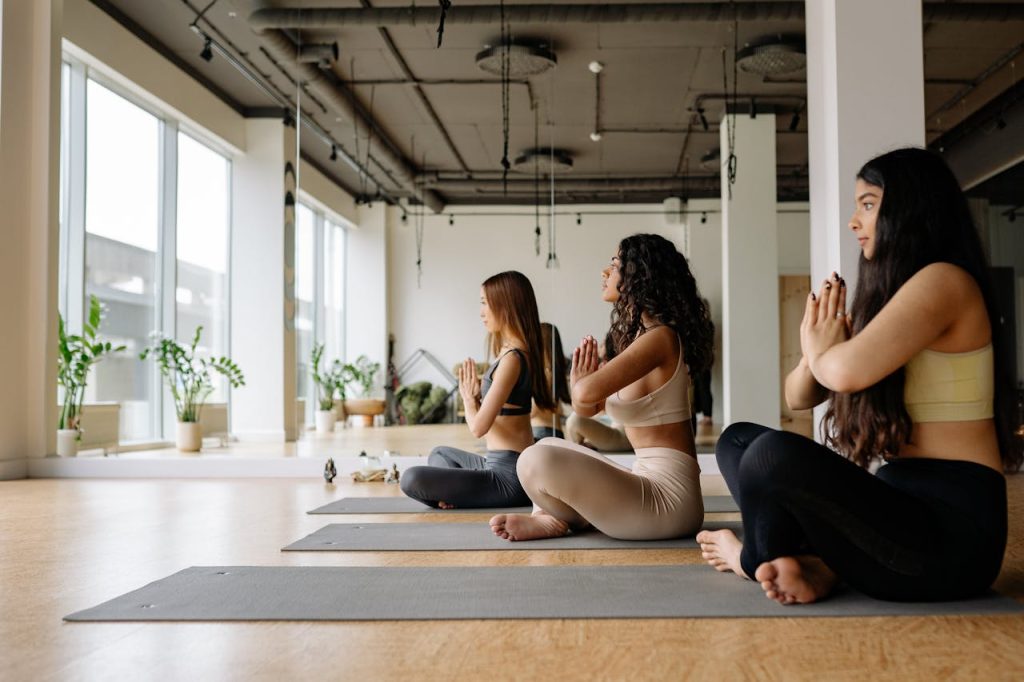
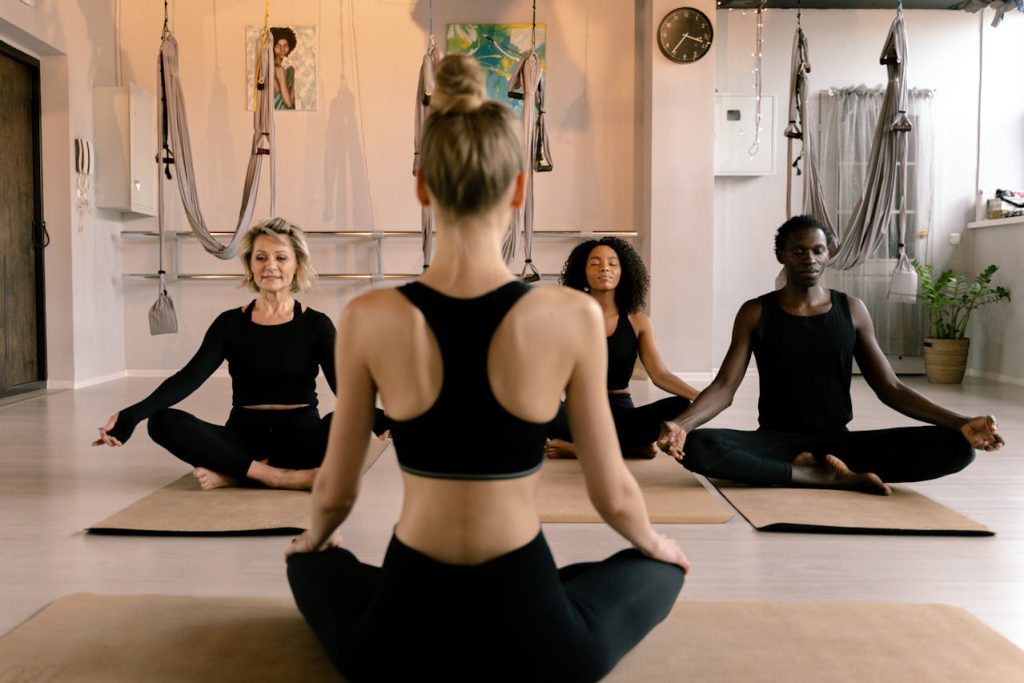
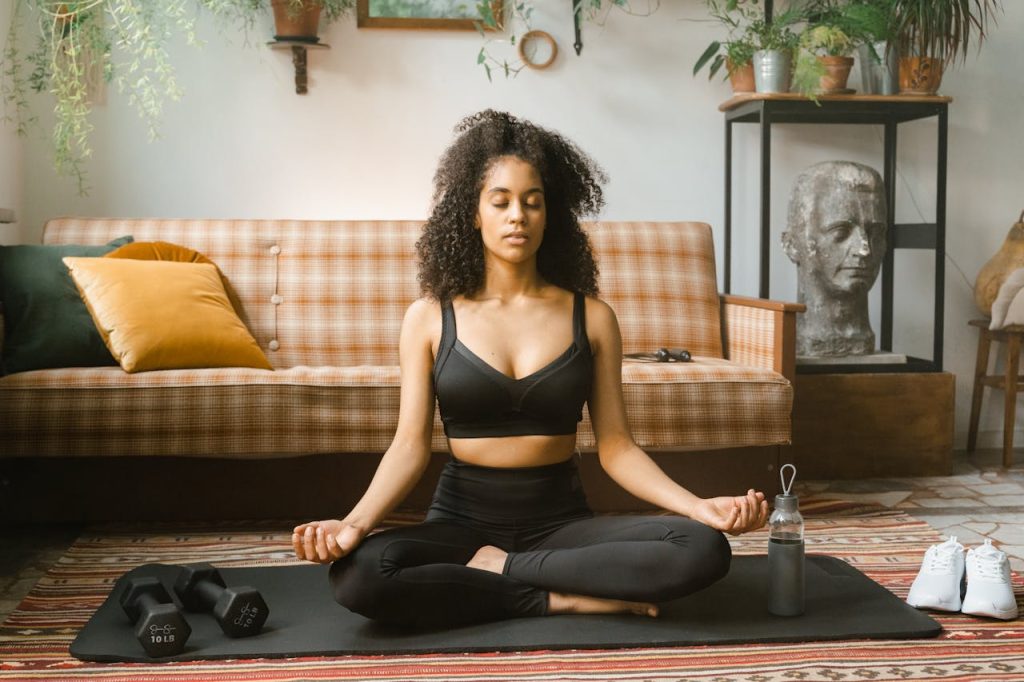
- Seated on the Floor: Sit cross-legged on a cushion with a straight spine. Hands can rest on your knees or lap.
- Seated on a Chair: Keep both feet flat on the ground with a straight back. Avoid slouching.
- Lying Down: Suitable for guided or relaxation meditation but can increase the risk of falling asleep.
- Standing or Walking Meditation: Useful for mindfulness practices or when sitting is uncomfortable.
Tip: Keep your shoulders relaxed, chest open, and chin slightly tucked. This alignment supports deep, easy breathing and reduces strain.
3. Breathing Techniques
Breathing is the bridge between your mind and body. The proper ways to meditate emphasize mindful and controlled breathing.
- Deep Diaphragmatic Breathing: Inhale deeply through the nose, letting your abdomen expand, then exhale slowly through the mouth.
- Counting Breath: Focus on counting each inhale and exhale to maintain concentration.
- Alternate Nostril Breathing: Useful for calming the nervous system and balancing energy.
Consistent breathing practices can reduce anxiety, improve oxygenation, and enhance mental clarity during meditation.
Types of Meditation
There are various meditation techniques, each suitable for different goals. Understanding these helps you choose the proper ways to meditate that fit your needs.
1. Mindfulness Meditation
Focuses on observing thoughts and sensations without judgment. It improves awareness, reduces stress, and promotes emotional balance.
Steps:
- Sit comfortably with your spine straight.
- Close your eyes and focus on your breath.
- Notice thoughts and sensations without engaging them.
- Return focus to your breath if the mind wanders.
2. Guided Meditation
A teacher or recorded audio guides you through visualization or relaxation exercises. Ideal for beginners who need direction.
Steps:
- Choose a guided meditation audio or app.
- Find a comfortable position.
- Follow the instructions, focusing on voice and imagery.
3. Loving-Kindness Meditation (Metta)
Promotes compassion and empathy toward yourself and others.
Steps:
- Sit comfortably and close your eyes.
- Visualize someone you love and silently repeat positive affirmations.
- Gradually extend these feelings to others, including neutral or challenging people.
4. Body Scan Meditation
Focuses attention sequentially on different parts of the body to release tension and increase awareness.
Steps:
- Lie down comfortably.
- Slowly move attention from toes to head, noticing sensations.
- Release tension in each area before moving to the next.
Tips for Maintaining a Consistent Meditation Practice
Even after learning the proper ways to meditate, consistency is key. Here are some tips to make meditation a daily habit:
- Start Small: Begin with 5–10 minutes per day and gradually increase.
- Set a Routine: Meditate at the same time each day to build habit.
- Use Apps or Timers: Guided apps or timers help maintain focus.
- Avoid Judgment: Don’t criticize yourself if your mind wanders.
- Track Your Progress: Note improvements in mood, focus, or stress levels.
Consistency over time produces measurable benefits for mental, emotional, and physical health.
Common Mistakes to Avoid
Even with knowledge of the proper ways to meditate, beginners often make mistakes that reduce effectiveness:
- Expecting Immediate Results: Meditation is a skill developed over time.
- Multitasking: Avoid meditating while checking your phone or thinking about tasks.
- Tension in the Body: Relax your shoulders, jaw, and hands to prevent discomfort.
- Skipping Breath Awareness: Breath is a central anchor for attention.
Awareness of these pitfalls ensures your meditation practice remains effective and enjoyable.
Advanced Meditation Techniques
Once you are comfortable with basic practices, explore advanced techniques for deeper benefits:
- Chakra Meditation: Focus on energy centers in the body for spiritual growth.
- Mantra Meditation: Repeat a word or phrase to achieve focus and calmness.
- Zen Meditation (Zazen): Emphasizes posture and breath, often done in silence for longer periods.
- Transcendental Meditation: Uses silent mantras to access deeper states of relaxation.
Advanced techniques build on the foundation of the proper ways to meditate but may require guidance or teacher support.
Benefits of Practicing the Proper Ways to Meditate
Adopting correct meditation methods ensures you experience maximum benefits:
- Reduced Stress and Anxiety: Mindful focus reduces cortisol levels.
- Enhanced Emotional Well-Being: Promotes empathy, compassion, and self-awareness.
- Improved Sleep Quality: Relaxation before bedtime leads to better sleep cycles.
- Greater Focus and Productivity: Trains the brain to sustain attention.
- Physical Health Benefits: Lowers blood pressure and improves cardiovascular health.
Final Thoughts
Learning the proper ways to meditate transforms meditation from a casual practice into a life-enhancing habit. By combining correct posture, mindful breathing, and consistent routines, anyone can cultivate a calm, focused, and resilient mind.
Whether you are a beginner or have tried meditation before, integrating these techniques into your daily life can significantly improve your mental and emotional well-being.
Remember: Meditation is not about perfection—it’s about progress. Start small, stay consistent, and explore different techniques until you find the method that resonates with you.
Your journey toward inner peace, focus, and well-being begins with mastering the proper ways to meditate.
FAQs for Proper Ways to Meditate
What are the proper ways to meditate for beginners?
Start with a quiet space, sit comfortably, focus on your breath, and keep your mind present. Short sessions of 5–10 minutes are ideal to build a habit.
How long should I meditate daily?
Begin with 5–10 minutes and gradually increase to 20–30 minutes. Consistency is more important than duration.
Can meditation reduce stress effectively?
Yes, following the proper ways to meditate lowers cortisol levels and promotes relaxation, reducing stress and anxiety.
What is the best posture for meditation?
Sit with a straight spine, relaxed shoulders, and hands resting on your knees or lap. You can also meditate while lying down or walking.
Do I need a quiet room to meditate?
While a quiet space helps, you can meditate anywhere by focusing your attention and minimizing distractions.
Can I meditate if my mind keeps wandering?
Yes, gently bring your focus back to your breath or mantra whenever your mind drifts. Mind wandering is normal, especially for beginners.
What are the different types of meditation?
Common types include mindfulness, guided, loving-kindness, body scan, mantra meditation, and transcendental meditation.
How does proper breathing help meditation?
Controlled, deep breathing anchors your mind, reduces tension, and improves oxygen flow, making meditation more effective.
Can meditation improve sleep?
Yes, practicing the proper ways to meditate before bedtime promotes relaxation and helps regulate sleep cycles.
Is it necessary to use guided meditations?
Not always, but guided meditations can help beginners stay focused and learn proper techniques more easily.
How soon can I see benefits from meditation?
Some benefits like relaxation and stress relief can be felt immediately, but consistent practice over weeks leads to long-term improvements in focus, mood, and well-being.
Can I meditate every day?
Yes, daily meditation is recommended. Even short sessions are effective when done consistently.
How do I know if I’m meditating correctly?
You are meditating correctly if you maintain a relaxed posture, focus on your breath or chosen technique, and gently bring your mind back when it wanders.
Are there any health benefits of meditation?
Yes, proper meditation reduces stress, improves mental clarity, lowers blood pressure, supports emotional stability, and enhances overall wellness.
Can children meditate?
Absolutely! Children can practice short, guided meditations to improve focus, emotional control, and relaxation.
Related Topics
- How to Practice Meditation: A Step-by-Step Guide for Beginners
- How Do I Start to Meditate? A Complete Beginner’s Guide
- What Do You Do When You Meditate? A Complete Guide
- How to Meditate Daily: A Simple Guide to Building a Lifelong
- Meditation Techniques for Anxiety | Calm Your Mind Naturally
- How to Meditate Effectively: A Step-by-Step Guide for Beginners
- Best Way to Meditate: A Complete Guide for Beginners and Experts
- Mind Success: Unlock Your Full Potential with Proven Techniques
- Stress Meditation: How Mindfulness Helps Reduce Stress
- What Do You Do When You Meditate? A Complete Guide
- Breathing Meditation Techniques for Beginners: A Complete Guide
- How to Meditate Daily: A Simple Guide to Building a Lifelong
- Grief Meditation: A Healing Practice for Emotional Recovery
- 5 Minute Meditation Scripts: Quick & Effective Guided Meditation
- Meditating at Home: Guide to Finding Peace and Balance
- Meditation and Sounds: Boost Mindfulness & Relaxation