
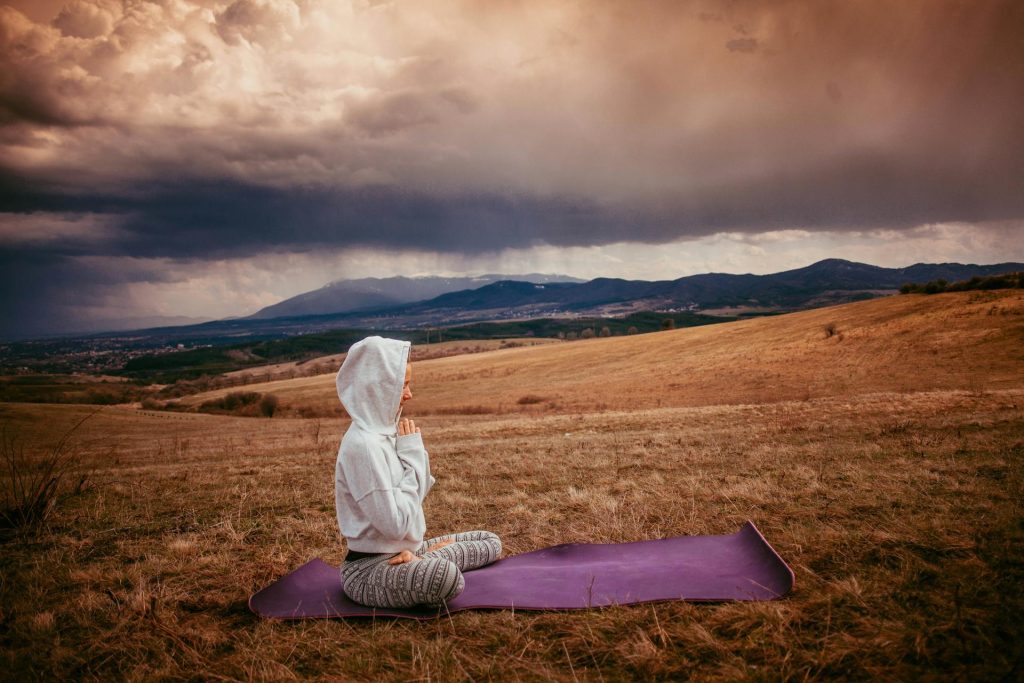
Learn how to start meditation with this complete beginner’s guide. Discover techniques, benefits, and simple steps to build a consistent meditation practice for stress relief and mental clarity.
Overview
If you’ve ever felt overwhelmed, distracted, or mentally drained, learning how to start meditation can be one of the most powerful changes you make in your life. This blog will walk you through everything you need to know—from understanding what meditation is to building a sustainable daily routine.
By the end of this guide, you will:
- Understand what meditation really is (and what it isn’t)
- Learn how to start meditation even if you have zero experience
- Discover simple techniques you can practice anywhere
- Build a daily meditation habit that sticks
- Explore the mental, emotional, and physical benefits of meditation
Whether you’re looking to reduce stress, improve focus, or simply feel more at peace, this guide will help you confidently start meditation today.
What Does It Mean to Start Meditation?
To start meditation means training your mind to focus and redirect your thoughts. It’s not about stopping your thoughts completely—it’s about observing them without judgment.
Meditation is a practice of awareness. Instead of being caught up in constant thinking, you learn to:
- Stay present in the moment
- Notice your breath, body, and thoughts
- Respond calmly rather than react impulsively
Many beginners believe meditation requires hours of silence or a perfectly calm mind. In reality, you can start meditation with just a few minutes a day.
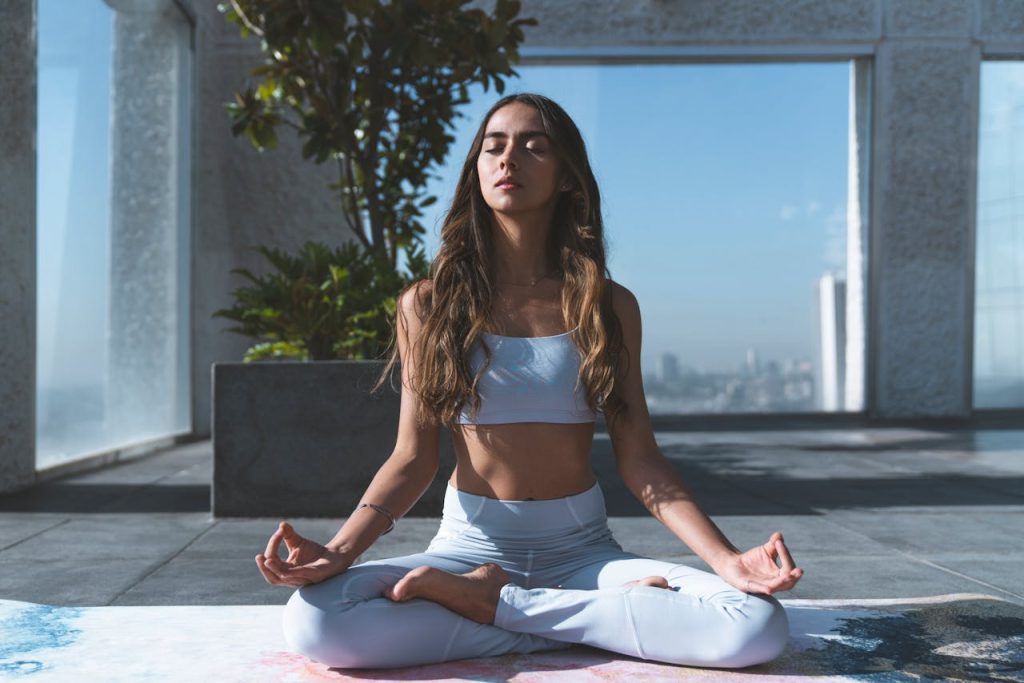
Why Should You Start Meditation?
Before you start meditation, it’s important to understand why it’s worth your time. Meditation is backed by science and widely recognized for its powerful benefits.
Mental Benefits
Physical Benefits
Emotional Benefits
When you start meditation, you’re not just practicing a technique—you’re investing in a healthier, more balanced life.
How to Start Meditation: Step-by-Step Guide
Starting meditation doesn’t have to be complicated. Follow these simple steps to begin your journey.
1. Choose a Quiet Space
Find a place where you won’t be disturbed. It doesn’t need to be perfectly silent—just comfortable enough to focus.
2. Sit Comfortably
You don’t need to sit cross-legged unless you want to. You can sit:
- On a chair
- On the floor
- On a cushion
The key is to keep your back straight and your body relaxed.
3. Focus on Your Breath
Close your eyes and bring your attention to your breathing. Notice:
- The inhale and exhale
- The sensation of air entering your nose
- The rise and fall of your chest
This is the simplest way to start meditation.
4. Observe Your Thoughts
Your mind will wander—that’s normal. When it happens:
- Notice the thought
- Don’t judge it
- Gently return your focus to your breath
5. Start Small
If you’re new, begin with:
- 5 minutes a day
- Gradually increase to 10–20 minutes
Consistency matters more than duration when you start meditation.
Simple Meditation Techniques for Beginners
When you start meditation, trying different techniques can help you find what works best.
Mindful Breathing
Focus entirely on your breath. This is the easiest way to begin.
Body Scan Meditation
Slowly bring attention to different parts of your body, noticing sensations.
Guided Meditation
Listen to a voice guiding you through the process—great for beginners.
Loving-Kindness Meditation
Focus on sending positive thoughts and compassion to yourself and others.
Each of these methods can help you successfully start meditation and build a consistent practice.
Common Mistakes to Avoid When You Start Meditation
Many beginners feel frustrated early on. Avoid these common mistakes:
Expecting Instant Results
Meditation is a skill. It takes time and patience.
Trying to Stop Thoughts Completely
The goal isn’t to eliminate thoughts but to observe them.
Being Inconsistent
Skipping days can make it harder to build the habit.
Being Too Hard on Yourself
If your mind wanders, that’s part of the process.
When you start meditation, remember: progress matters more than perfection.
How to Build a Daily Meditation Habit
Consistency is the key to success when you start meditation.
Set a Specific Time
Meditate at the same time every day—morning is ideal.
Create a Routine
Pair meditation with an existing habit, like:
- After waking up
- Before going to bed
Use Reminders
Set alarms or use apps to stay consistent.
Keep It Simple
Don’t overcomplicate your practice. Even a few minutes daily can make a big difference.
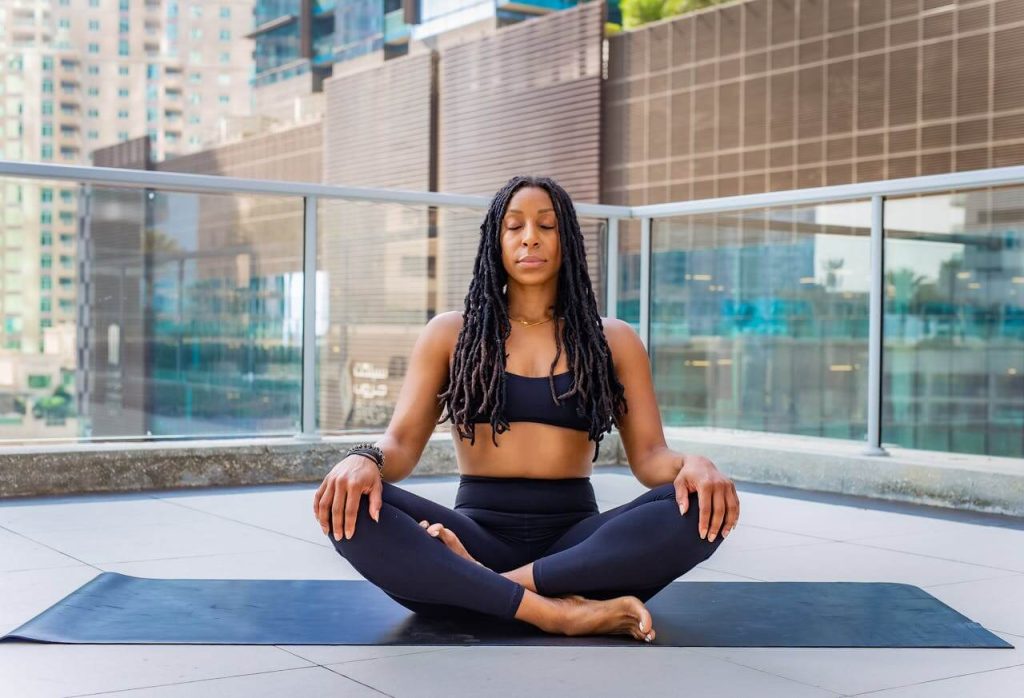
How Long Does It Take to See Results?
When you start meditation, you may notice small changes within a few days:
- Feeling calmer
- Improved focus
- Better emotional control
However, deeper benefits develop over weeks and months of consistent practice.
Can Anyone Start Meditation?
Yes—anyone can start meditation, regardless of age, lifestyle, or experience level.
You don’t need:
- Special equipment
- A spiritual background
- Hours of free time
All you need is a willingness to sit, breathe, and be present.
How Our Platform Helps You Start Meditation
At Mindfulness Meditation Hub, we make it easy for you to start meditation with confidence.
We offer:
- Beginner-friendly guides
- Step-by-step meditation techniques
- Practical tips for daily mindfulness
- Resources to deepen your practice
Our goal is simple: help you build a sustainable meditation habit that improves your life.
Final Thoughts: Start Meditation Today
There’s no perfect moment to begin—just a decision to take the first step.
When you start meditation, you’re choosing:
- Calm over chaos
- Focus over distraction
- Awareness over autopilot
Start small. Stay consistent. Be patient with yourself.
Over time, meditation becomes more than a practice—it becomes a way of life.
FAQs for Start Meditation
What is the best way to start meditation as a beginner?
The best way to start meditation is to keep it simple. Sit comfortably, focus on your breath, and practice for 5–10 minutes daily. Consistency is more important than doing it perfectly.
How long should I meditate when I first start meditation?
When you start meditation, begin with just 5 minutes a day. As you become more comfortable, you can gradually increase your practice to 10–20 minutes.
Do I need any special equipment to start meditation?
No, you don’t need any special tools to start meditation. All you need is a quiet space and a few minutes of your time.
Can I start meditation even if my mind is always busy?
Yes, absolutely. A busy mind is normal. When you start meditation, you’ll learn to observe your thoughts rather than control them.
What time of day is best to start meditation?
Morning is often the best time to start meditation because your mind is fresh. However, the best time is whenever you can be consistent.
Is it normal to get distracted when I start meditation?
Yes, distraction is completely normal. When you start meditation, gently bring your focus back to your breath whenever your mind wanders.
How quickly will I see results after I start meditation?
Some people notice benefits like calmness and focus within a few days. Long-term benefits come with consistent practice after you start meditation.
Can I lie down when I start meditation?
Yes, you can lie down, but sitting upright is recommended when you start meditation to help you stay alert and focused.
What should I focus on when I start meditation?
The most common focus when you start meditation is your breath. You can also focus on body sensations, sounds, or guided instructions.
Do I need to clear my mind completely to start meditation?
No, clearing your mind is not required. When you start meditation, the goal is to observe thoughts without judgment, not eliminate them.
Can I use apps or guided sessions to start meditation?
Yes, guided meditations are very helpful when you start meditation, especially for beginners who need structure and support.
How do I stay consistent after I start meditation?
Set a daily routine, choose a fixed time, and start small. Building a habit is key when you start meditation.
Is meditation connected to religion?
Meditation can be spiritual, but it doesn’t have to be religious. Anyone can start meditation regardless of beliefs.
What are the most common mistakes when you start meditation?
Common mistakes include expecting instant results, trying too hard to control thoughts, and being inconsistent after you start meditation.
Can children and teenagers start meditation?
Yes, people of all ages can start meditation. It can help improve focus, emotional balance, and overall well-being for younger individuals as well.
Related Topics
- How to Practice Meditation: A Step-by-Step Guide for Beginners
- How Do I Start to Meditate? A Complete Beginner’s Guide
- What Do You Do When You Meditate? A Complete Guide
- How to Meditate Daily: A Simple Guide to Building a Lifelong
- Meditation Techniques for Anxiety | Calm Your Mind Naturally
- How to Meditate Effectively: A Step-by-Step Guide for Beginners
- Best Way to Meditate: A Complete Guide for Beginners and Experts
- Mind Success: Unlock Your Full Potential with Proven Techniques
- Stress Meditation: How Mindfulness Helps Reduce Stress
- What Do You Do When You Meditate? A Complete Guide
- Breathing Meditation Techniques for Beginners: A Complete Guide
- How to Meditate Daily: A Simple Guide to Building a Lifelong
- Grief Meditation: A Healing Practice for Emotional Recovery
- 5 Minute Meditation Scripts: Quick & Effective Guided Meditation
- Meditating at Home: Guide to Finding Peace and Balance
- Meditation and Sounds: Boost Mindfulness & Relaxation