
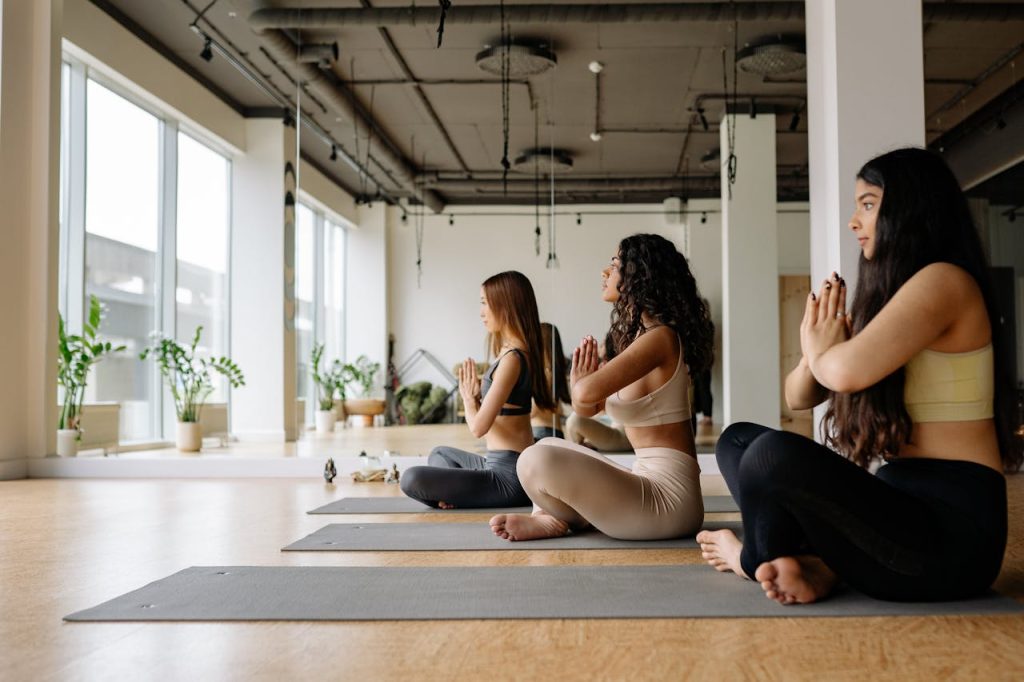
Discover the essential steps to meditate effectively. Learn practical techniques, posture tips, and mindfulness strategies to start your meditation journey today.
Overview
Meditation is more than just sitting quietly; it’s a journey toward mental clarity, stress reduction, and overall well-being. If you’ve ever wondered how to begin or improve your meditation practice, this guide will provide a clear roadmap. By the end of this article, you will understand the steps to meditate, how to structure your sessions, and how to create a consistent practice that fits into your lifestyle.
What is meditation, and why is it important?
Before diving into the practical steps, it’s essential to understand what meditation is and why it matters. Meditation is a practice that trains your mind to focus, relax, and develop greater awareness of the present moment. Scientific studies have shown that regular meditation can:
- Reduce stress and anxiety
- Improve concentration and cognitive performance
- Enhance emotional well-being
- Support better sleep patterns
- Promote a sense of inner peace
Whether your goal is to reduce daily stress or cultivate mindfulness, knowing the steps to meditate can help you achieve measurable benefits.
Preparing for Meditation
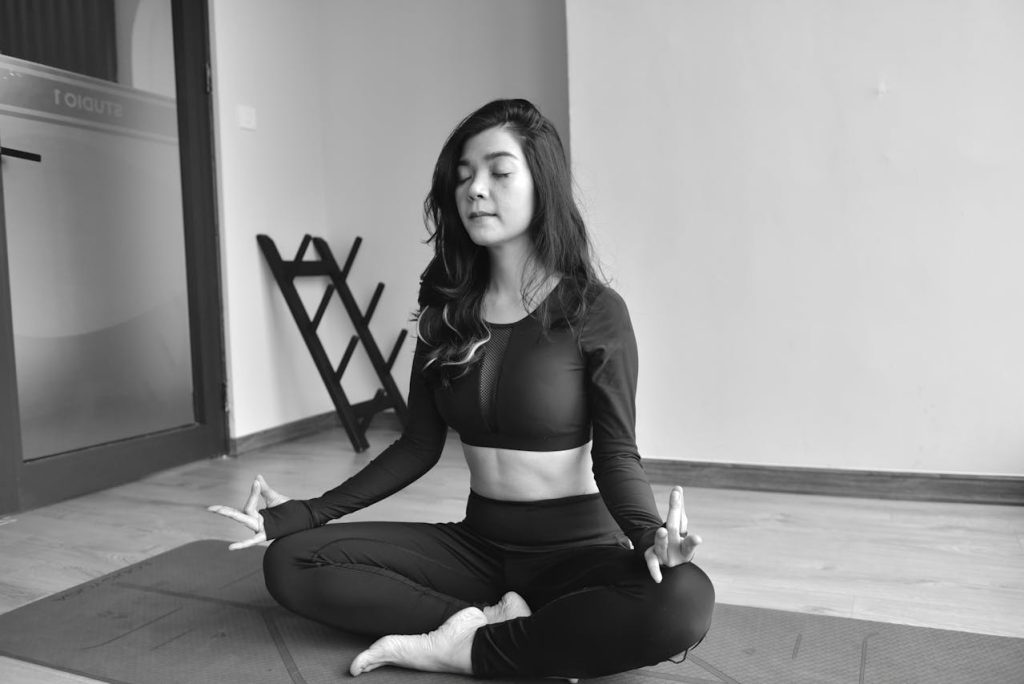
Preparation is key to a successful meditation session. Skipping this step can lead to discomfort or distractions, which may discourage consistent practice. Here’s how to prepare:
1. Choose a Quiet Space
Select a calm, quiet environment free from distractions. This could be a corner of your room, a garden, or any place where you feel safe and comfortable.
2. Set a Time Limit
For beginners, start with 5-10 minutes. As you become more experienced, you can gradually extend your sessions to 20, 30, or even 60 minutes.
3. Wear Comfortable Clothing
Loose, comfortable clothing allows you to sit without tension, which is essential for focusing on your practice rather than physical discomfort.
4. Optional: Use a Cushion or Chair
You can sit on the floor with a cushion or on a chair with your feet flat. Comfort ensures you can maintain your posture without strain.
Step-by-Step Guide: How to Meditate
Here are the essential steps to meditate that will help beginners and seasoned practitioners alike:
1: Sit Comfortably
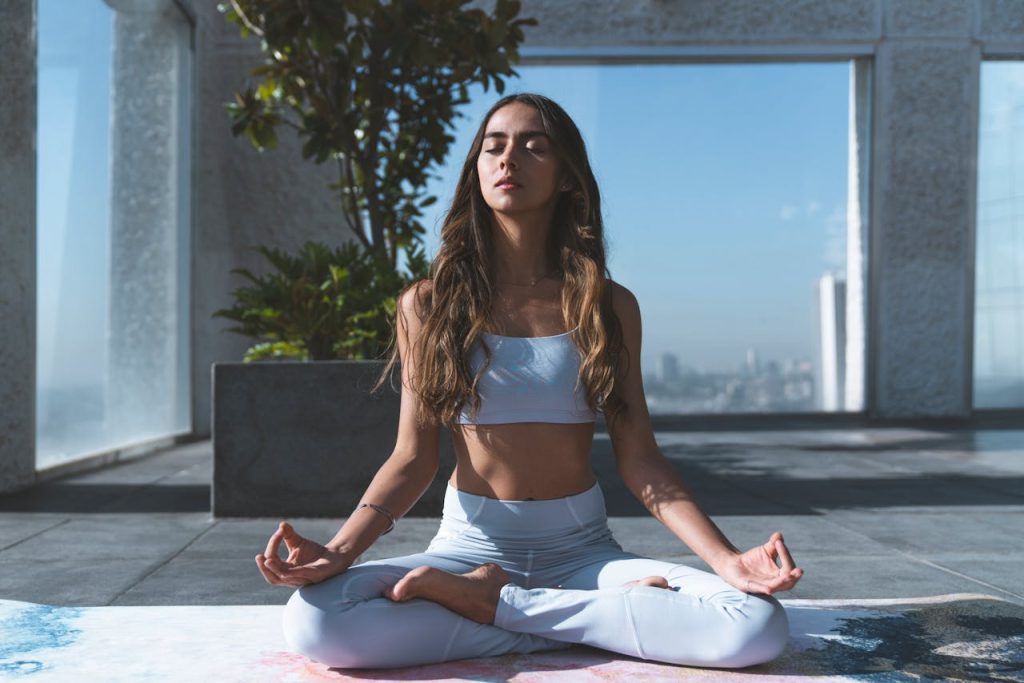
- Sit upright with your back straight and shoulders relaxed.
- Rest your hands on your knees or lap.
- Keep your head aligned with your spine to avoid tension.
2: Close Your Eyes and Relax
- Gently close your eyes to reduce visual distractions.
- Take a moment to release any tension in your neck, shoulders, and jaw.
3: Focus on Your Breath
- Begin by taking slow, deep breaths.
- Inhale through your nose, allowing your abdomen to expand.
- Exhale slowly and fully.
- Focus your attention on the sensation of your breath entering and leaving your body.
4: Notice Your Thoughts
- It’s normal for thoughts to arise.
- Observe them without judgment and gently bring your focus back to your breath.
5: Use a Mantra or Visualization (Optional)
- Some people find repeating a calming word, phrase, or sound helps maintain focus.
- Visualization, such as imagining a peaceful scene, can deepen relaxation.
6: Maintain Mindfulness
- Pay attention to your body, breath, and surroundings.
- Acknowledge any tension or discomfort, then release it with each exhale.
7: Gently End Your Session
- Slowly open your eyes and bring awareness back to your surroundings.
- Take a few moments before standing or resuming daily activities to carry the calm into your day.
Tips for a Successful Meditation Practice
Consistency is crucial to experiencing the full benefits of meditation. Here are some tips to help you stay committed:
- Create a Routine: Meditate at the same time every day to build a habit.
- Start Small: Short, consistent sessions are better than occasional long sessions.
- Track Your Progress: Use a journal or meditation app to record your experiences.
- Be Patient: Meditation is a skill that improves with time and practice.
- Avoid Judging Yourself: Some sessions may feel harder than others; that’s normal.
Common Mistakes to Avoid When Meditating
Even experienced meditators can make mistakes. Avoid these pitfalls to maintain a smooth practice:
- Expecting Instant Results: Meditation is a long-term journey, not a quick fix.
- Forcing Thoughts Away: Let thoughts pass naturally instead of pushing them away.
- Ignoring Physical Comfort: Sitting uncomfortably can lead to distraction and discomfort.
- Inconsistency: Skipping days frequently can slow progress and reduce benefits.
Advanced Tips for Experienced Practitioners
Once you’re comfortable with the basic steps to meditate, you can deepen your practice:
- Try Different Techniques: Explore guided meditations, loving-kindness meditation, body scans, or breath-focused techniques.
- Meditate in Nature: Practicing outdoors can enhance mindfulness and relaxation.
- Use Meditation Music or Sound Bowls: Audio tools can help maintain focus and calm the mind.
- Incorporate Mindful Movement: Yoga or walking meditation can complement your seated practice.
How Meditation Can Transform Your Life
Meditation is not just a practice; it’s a lifestyle change. Regular meditation can:
- Reduce chronic stress and improve mental health
- Increase emotional resilience
- Improve focus and productivity
- Promote better sleep and overall wellness
- Help you feel more present in daily life
By following the steps to meditate, anyone can gradually integrate mindfulness into their life, leading to lasting benefits.
Final Thoughts
Learning the steps to meditate is a simple yet powerful way to improve your physical, mental, and emotional well-being. By preparing your space, focusing on your breath, observing your thoughts, and maintaining a consistent practice, meditation can become a cornerstone of your daily routine.
Remember: the key is patience and consistency. Start small, be gentle with yourself, and enjoy the journey toward a calmer, more mindful life.
FAQs for Steps to Meditate
What are the basic steps to meditate for beginners?
The basic steps to meditate include finding a quiet space, sitting comfortably, focusing on your breath, observing your thoughts, and gently ending the session.
How long should I meditate as a beginner?
Beginners should start with 5–10 minutes per session and gradually increase to 20–30 minutes as they become more comfortable with the steps to meditate.
Do I need special equipment to meditate?
No, you don’t need special equipment. A quiet space, comfortable clothing, and optionally a cushion or chair are enough to start your meditation practice.
Can I meditate lying down or should I sit?
You can meditate lying down, sitting on a chair, or using a cushion. Sitting upright is preferred to maintain alertness, but comfort is the priority for beginners.
How often should I meditate to see benefits?
Daily practice is ideal. Even short sessions of 5–10 minutes each day can gradually reduce stress and improve focus if done consistently.
What is the best time of day to meditate?
Morning is often recommended for meditation because it sets a calm tone for the day. However, any time that fits your schedule consistently works well.
How do I stay focused during meditation?
Focus on your breath, use a mantra, or try guided meditation. Gently bring your mind back if it wanders—this is part of the steps to meditate effectively.
Is it normal for my mind to wander?
Yes, it’s completely normal. Meditation is about observing thoughts without judgment and gently returning focus to your breath or mantra.
Can meditation help with stress and anxiety?
Yes, regular meditation reduces stress hormones, improves emotional regulation, and promotes a calm, mindful state of mind.
What is the difference between guided and unguided meditation?
Guided meditation involves following instructions from a teacher or app, while unguided meditation lets you focus on your breath or mantra independently. Both follow the basic steps to meditate.
Can children practice meditation?
Yes, children can benefit from meditation using short, simple techniques like focusing on their breath or doing guided visualizations.
How do I deal with physical discomfort while meditating?
Adjust your posture, use a cushion or chair, and ensure clothing is comfortable. A little discomfort is normal, but meditation shouldn’t cause pain.
Can meditation improve sleep quality?
Yes, meditation relaxes the mind and body, making it easier to fall asleep and enhancing overall sleep quality.
Is it necessary to follow a strict routine for meditation?
Consistency is more important than a strict routine. Daily practice at any convenient time is sufficient to reap the benefits.
How long does it take to feel the benefits of meditation?
Some benefits like relaxation can be felt immediately, but consistent practice over 2–8 weeks often leads to noticeable improvements in focus, stress reduction, and emotional well-being.
Related Topics
- How to Practice Meditation: A Step-by-Step Guide for Beginners
- How Do I Start to Meditate? A Complete Beginner’s Guide
- What Do You Do When You Meditate? A Complete Guide
- How to Meditate Daily: A Simple Guide to Building a Lifelong
- Meditation Techniques for Anxiety | Calm Your Mind Naturally
- How to Meditate Effectively: A Step-by-Step Guide for Beginners
- Best Way to Meditate: A Complete Guide for Beginners and Experts
- Mind Success: Unlock Your Full Potential with Proven Techniques
- Stress Meditation: How Mindfulness Helps Reduce Stress
- What Do You Do When You Meditate? A Complete Guide
- Breathing Meditation Techniques for Beginners: A Complete Guide
- How to Meditate Daily: A Simple Guide to Building a Lifelong
- Grief Meditation: A Healing Practice for Emotional Recovery
- 5 Minute Meditation Scripts: Quick & Effective Guided Meditation
- Meditating at Home: Guide to Finding Peace and Balance
- Meditation and Sounds: Boost Mindfulness & Relaxation