
Learn the essential steps to meditation and build a daily practice that reduces stress, improves focus, and enhances emotional well-being. Beginner-friendly guide.
Overview
If you’ve ever felt overwhelmed, distracted, or mentally exhausted, meditation can be a powerful tool to bring balance back into your life. But starting can feel confusing—where do you sit? What are you thinking about? How long should you practice?
In this blog post, you’ll learn:
- The exact steps to meditation for beginners
- How to prepare your mind and environment
- Simple techniques to stay focused
- Common mistakes and how to avoid them
- How to build a consistent daily meditation habit
By the end, you’ll have a clear, practical roadmap to start meditating confidently—even if you’ve never tried it before.
Why Meditation Matters in Today’s World
Modern life is fast, noisy, and demanding. Meditation offers a simple way to pause and reconnect with yourself. Scientific studies have shown that meditation can:
- Reduce stress and anxiety
- Improve focus and concentration
- Enhance emotional control
- Promote better sleep
- Increase overall well-being
But to experience these benefits, you need to understand the proper steps to meditation and practice them consistently.
Understanding the Basics of Meditation
Before diving into the steps to meditation, it’s important to understand what meditation really is.
Meditation is not about stopping your thoughts completely. Instead, it’s about:
- Observing your thoughts without judgment
- Bringing your attention back to the present moment
- Developing awareness and inner calm
Once you understand this, the process becomes much easier and less intimidating.
Step-by-Step Guide: The Essential Steps to Meditation
1. Choose a Quiet and Comfortable Space
The first of the essential steps to meditation is finding the right environment.
You don’t need a special room—just a place where you won’t be disturbed.
Tips:
- Turn off notifications on your phone
- Choose a calm corner of your home
- Keep lighting soft and relaxing
Creating a peaceful space helps your mind settle more easily.
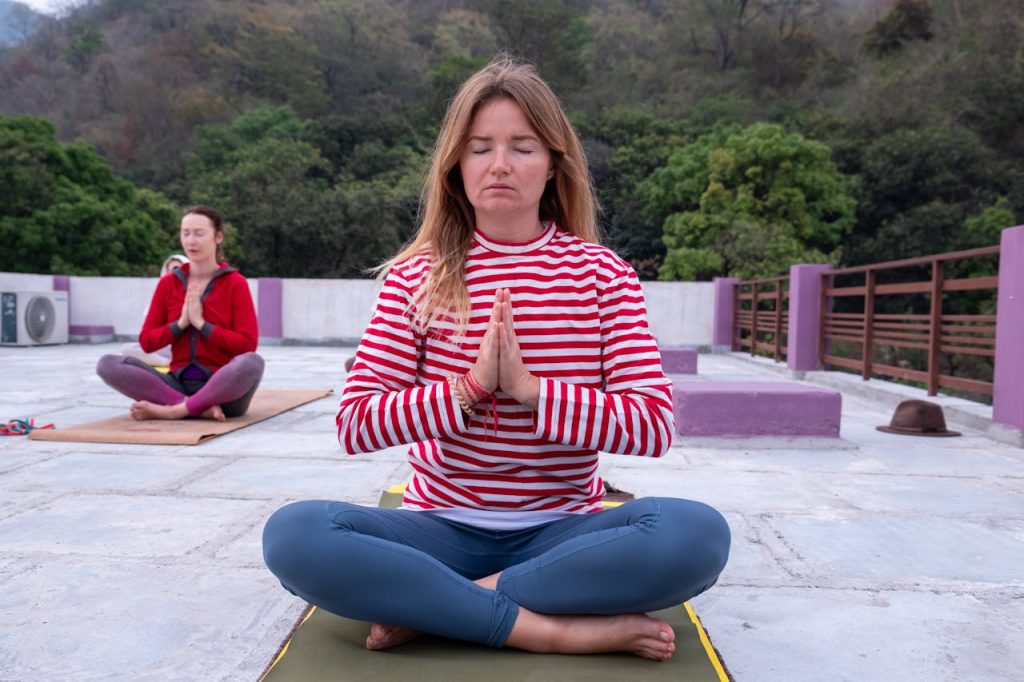
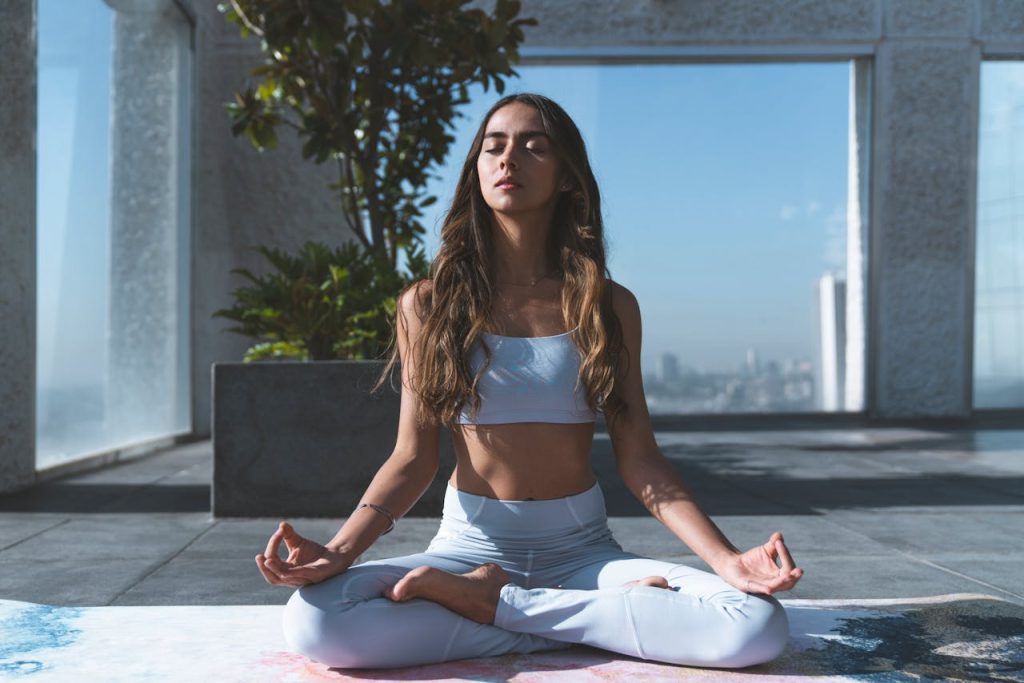
2. Sit in a Comfortable Position
You don’t have to sit cross-legged like a monk. Comfort is key.
You can:
- Sit on a chair with your feet flat on the ground.
- Sit on a cushion
- Keep your back straight but relaxed.
Good posture helps you stay alert without tension.
3. Set a Time Limit
For beginners, start small.
- 5–10 minutes is enough
- Gradually increase to 15–20 minutes
One of the most overlooked steps to meditation is consistency, not duration. Short daily sessions are more effective than long, irregular ones.
4. Focus on Your Breath
This is the core of most meditation practices.
Bring your attention to:
- The sensation of air entering your nose
- The rise and fall of your chest
- The rhythm of your breathing
When your mind wanders (and it will), gently bring it back to your breath.
This simple act is one of the most powerful steps to meditation.
5. Notice Your Thoughts Without Judgment
Many beginners think they’re “bad at meditation” because their mind keeps wandering.
That’s completely normal.
Instead of fighting your thoughts:
- Observe them
- Let them pass like clouds
- Return your focus to your breath.
Learning to observe without reacting is a key part of the steps to meditation.
6. Use a Gentle Anchor
If focusing on the breath feels difficult, you can use an anchor like the following:
- A simple word or mantra (e.g., “calm” or “peace”)
- Background sounds
- Body sensations
Anchors help you stay present and make the steps to meditation easier to follow.
7. End Your Session Slowly
Don’t rush out of meditation.
Take a moment to
- Notice how you feel
- Gently open your eyes.
- Stretch your body
This final step helps you transition calmly back into your day.
Common Mistakes to Avoid
Even when following the steps to meditation, beginners often face challenges. Here are some common mistakes:
Expecting Instant Results
Meditation is a skill. It takes time to see benefits.
Trying to Stop Thoughts Completely
Your mind is meant to think. The goal is awareness, not silence.
Being Too Hard on Yourself
If you get distracted, that’s okay. Just gently refocus.
Skipping Consistency
Practicing daily—even for a few minutes—is more effective than occasional long sessions.
How to Build a Daily Meditation Habit
Learning the steps to meditation is only the beginning. The real transformation happens through consistency.
Create a Routine
- Meditate at the same time every day
- Morning is ideal, but any time works.
Start Small
- Begin with 5 minutes
- Increase gradually
Track Your Progress
- Use a journal
- Note how you feel after each session.
Be Patient
Meditation is a long-term investment in your mental and emotional health.
Different Types of Meditation You Can Explore
Once you’re comfortable with the basic steps to meditation, you can explore different styles:
Mindfulness Meditation
Focus on the present moment and observe thoughts.
Breathing Meditation
Concentrate solely on your breath.
Guided Meditation
Follow a teacher or audio guide.
Loving-Kindness Meditation
Focus on compassion and positive emotions.
Each type follows similar foundational steps but offers a unique experience.
Benefits You’ll Experience Over Time
By consistently practicing the steps to meditation, you may notice:
- Greater mental clarity
- Reduced stress levels
- Improved emotional stability
- Better decision-making
- Increased self-awareness
These benefits build gradually, making meditation one of the most powerful habits you can develop.
Why Our Meditation Guidance Makes a Difference
At Mindfulness Meditation Hub, we don’t just teach theory—we help you build a real, sustainable meditation practice.
Our approach focuses on:
- Beginner-friendly techniques
- Practical, easy-to-follow steps
- Real-life application of mindfulness
- Long-term habit building
If you’re serious about mastering the steps to meditation, having structured guidance can make a significant difference.
Final Thoughts: Start Your Meditation Journey Today
Meditation doesn’t require special skills, expensive tools, or hours of free time. All it takes is a willingness to sit, breathe, and be present.
By following these simple steps to meditation, you can begin transforming your mental and emotional well-being starting today.
Remember:
- Start small
- Stay consistent
- Be patient with yourself.
Your mind will wander—that’s part of the process. What matters is that you gently bring it back, again and again.
Related Topics
- How to Practice Meditation: A Step-by-Step Guide for Beginners
- How Do I Start to Meditate? A Complete Beginner’s Guide
- What Do You Do When You Meditate? A Complete Guide
- How to Meditate Daily: A Simple Guide to Building a Lifelong
- Meditation Techniques for Anxiety | Calm Your Mind Naturally
- How to Meditate Effectively: A Step-by-Step Guide for Beginners
- Best Way to Meditate: A Complete Guide for Beginners and Experts
- Mind Success: Unlock Your Full Potential with Proven Techniques
- Stress Meditation: How Mindfulness Helps Reduce Stress
- What Do You Do When You Meditate? A Complete Guide
- Breathing Meditation Techniques for Beginners: A Complete Guide
- How to Meditate Daily: A Simple Guide to Building a Lifelong
- Grief Meditation: A Healing Practice for Emotional Recovery
- 5 Minute Meditation Scripts: Quick & Effective Guided Meditation
- Meditating at Home: Guide to Finding Peace and Balance
- Meditation and Sounds: Boost Mindfulness & Relaxation