
![{ "@context": "https://schema.org", "@graph": [ { "@type": "Article", "@id": "YOUR-BLOG-URL#article", "mainEntityOfPage": { "@type": "WebPage", "@id": "YOUR-BLOG-URL" }, "headline": "Boredom Meditation: Find Calm & Focus", "description": "Discover how boredom meditation can transform restless moments into calm, focus, and self-awareness with simple mindfulness techniques.", "image": { "@type": "ImageObject", "url": "YOUR-FEATURED-IMAGE-URL" }, "author": { "@type": "Organization", "name": "Mindfulness Meditation Hub", "url": "https://mindfulnessmeditationhub.com/" }, "publisher": { "@type": "Organization", "name": "Mindfulness Meditation Hub", "url": "https://mindfulnessmeditationhub.com/", "logo": { "@type": "ImageObject", "url": "YOUR-LOGO-URL" } }, "datePublished": "2026-08-29", "dateModified": "2026-08-29", "articleSection": "Meditation", "keywords": [ "boredom meditation", "meditation for boredom", "mindfulness meditation", "meditation for beginners", "mindfulness practice", "present moment awareness", "meditation techniques" ], "inLanguage": "en-US" }, { "@type": "FAQPage", "@id": "YOUR-BLOG-URL#faq", "mainEntity": [ { "@type": "Question", "name": "What is boredom meditation?", "acceptedAnswer": { "@type": "Answer", "text": "Boredom meditation is a mindfulness practice where you observe the experience of boredom, including thoughts, emotions, physical sensations, and urges, rather than immediately trying to distract yourself." } }, { "@type": "Question", "name": "Can meditation help with boredom?", "acceptedAnswer": { "@type": "Answer", "text": "Meditation can help you become more aware of boredom and your automatic reactions to it. Instead of immediately seeking stimulation, you can learn to observe the experience with curiosity and greater awareness." } }, { "@type": "Question", "name": "How long should I meditate when I feel bored?", "acceptedAnswer": { "@type": "Answer", "text": "Beginners can start with five to ten minutes. The goal is to practice consistently rather than meditate for a long period of time." } }, { "@type": "Question", "name": "What should I focus on during meditation?", "acceptedAnswer": { "@type": "Answer", "text": "You can focus on](https://mindfulnessmeditationhub.com/wp-content/uploads/2025/04/pexels-yankrukov-8436943-1024x682.jpg)
Learn how to teach mindfulness meditation effectively with this complete guide. Discover techniques, benefits, and step-by-step methods to help others build a lasting practice.
Overview
If you’re looking to teach mindfulness meditation, this comprehensive guide will walk you through everything you need to know. Whether you’re a beginner instructor or someone passionate about sharing mindfulness with others, you’ll learn the following:
- What mindfulness meditation really is
- Why teaching mindfulness meditation is valuable
- Step-by-step methods to guide others
- Proven techniques for beginners
- Common challenges and how to overcome them
- Tips to create engaging and effective sessions
By the end, you’ll feel confident and prepared to teach mindfulness meditation in a way that truly helps people reduce stress, improve focus, and live more intentionally.
What Is Mindfulness Meditation?
Before you can effectively teach mindfulness meditation, it’s essential to understand it deeply.
Mindfulness meditation is the practice of paying attention to the present moment without judgment. It involves focusing on your breath, thoughts, bodily sensations, or surroundings with awareness and acceptance.
Key Principles:
- Present-moment awareness
- Non-judgmental observation
- Acceptance of thoughts and emotions
- Gentle redirection of focus
When you teach mindfulness meditation, your goal is to guide others toward these principles in a simple and approachable way.
Why Teach Mindfulness Meditation?
The demand for mindfulness practices has grown significantly—and for good reason. When you teach mindfulness meditation, you’re offering a powerful tool that can transform lives.
Benefits for Students:
- Reduced stress and anxiety
- Improved concentration and productivity
- Better emotional regulation
- Enhanced self-awareness
- Improved sleep quality
Benefits for You as a Teacher:
- Personal growth and deeper mindfulness
- The ability to make a meaningful impact
- Opportunities to build a wellness-focused career
Teaching mindfulness isn’t just about techniques—it’s about helping people reconnect with themselves.
How to Teach Mindfulness Meditation (Step-by-Step)
To successfully teach mindfulness meditation, you need a clear, structured approach. Here’s a step-by-step framework you can follow.
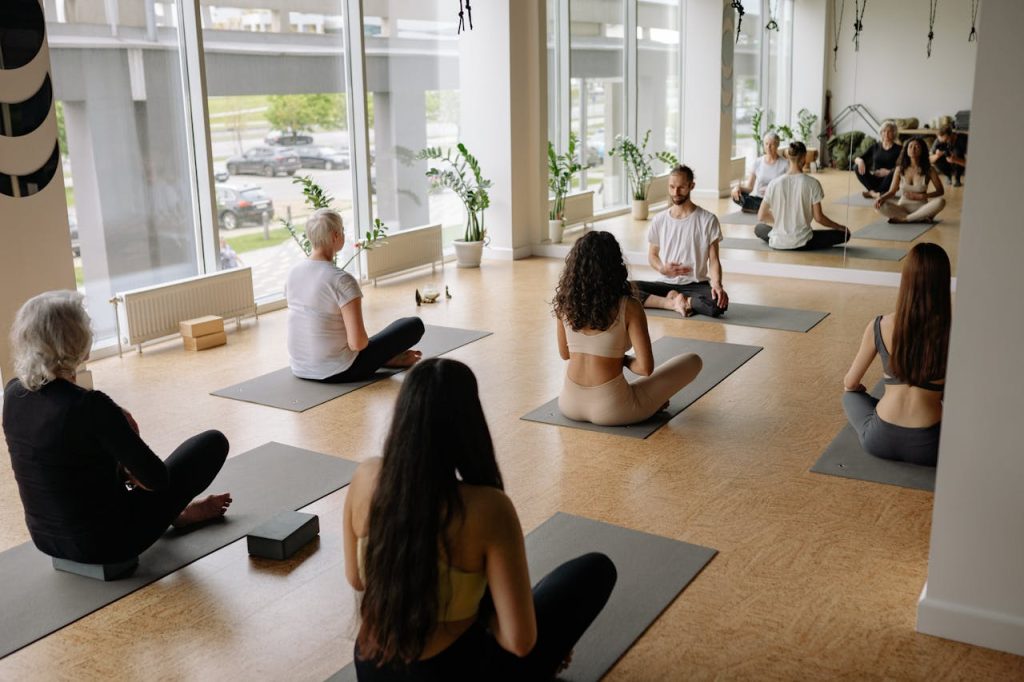
1. Create a Comfortable Environment
Your teaching space matters. Whether online or in person:
- Choose a quiet, distraction-free area
- Encourage comfortable seating or posture
- Use soft lighting or calming visuals
A peaceful environment helps students settle into the practice more easily.
2. Start with Simple Instructions
When you teach mindfulness meditation, keep instructions clear and beginner-friendly.
Example:
- “Close your eyes or soften your gaze.”
- “Take a slow, deep breath in… and out.”
- “Bring your attention to your breath.”
Avoid overwhelming students with too much information at once.
3. Guide the Breath
Breathing is the foundation of most mindfulness practices.
Teach students to:
- Notice the natural rhythm of their breath
- Feel the inhale and exhale
- Return to the breath when distracted
This simple technique is one of the most effective ways to teach mindfulness meditation to beginners.
4. Introduce Awareness of Thoughts
A common misconception is that meditation means “clearing the mind.”
Instead, explain:
- Thoughts are normal
- The goal is to observe, not control.
- Gently return focus when the mind wanders
Helping students understand this is crucial when you teach mindfulness meditation, as it reduces frustration.
5. Keep Sessions Short at First
For beginners:
- Start with 5–10 minutes
- Gradually increase duration over time
Short sessions make mindfulness more approachable and sustainable.
Effective Techniques to Teach Mindfulness Meditation
To keep your sessions engaging, use a variety of techniques.
Body Scan Meditation
Guide attention through different parts of the body:
- Head-to-toe awareness
- Noticing tension and relaxation
Mindful Breathing
Focus entirely on the breath:
- Counting breaths
- Observing sensations
Loving-Kindness Meditation
Encourage positive emotions:
- Sending kindness to oneself and others
- Building compassion
Mindful Observation
Use surroundings as a focus:
- Sounds
- Textures
- Visual details
Using diverse methods helps you teach mindfulness meditation in a way that resonates with different learners.
Common Challenges (and How to Overcome Them)
When you teach mindfulness meditation, you’ll encounter some common obstacles.
1. “I Can’t Stop Thinking”
Solution:
Reassure students that thinking is normal. Teach them to observe thoughts without judgment.
2. Restlessness or Discomfort
Solution:
Encourage small adjustments and remind them that discomfort often fades with practice.
3. Lack of Consistency
Solution:
Recommend:
- Setting a daily schedule
- Starting with short sessions
- Tracking progress
4. Unrealistic Expectations
Solution:
Explain that mindfulness is a gradual process, not an instant fix.
Tips to Become a Better Mindfulness Teacher
If you want to truly excel as you teach mindfulness meditation, focus on continuous improvement.
Practice Regularly
You can’t effectively teach what you don’t practice. Your own mindfulness journey matters.
Use a Calm and Clear Voice
Your tone should be
- Slow
- Gentle
- Reassuring
Be Patient and Supportive
Every student progresses differently. Avoid rushing the process.
Encourage Questions
Create a safe space where students feel comfortable asking questions.
Adapt to Your Audience
Tailor your approach based on:
- Experience level
- Goals
- Preferences
Teaching Mindfulness in Everyday Life
One of the most powerful ways to teach mindfulness meditation is by showing how it applies beyond formal sessions.
Encourage students to practice mindfulness during:
- Eating (mindful eating)
- Walking (feeling each step)
- Working (focused attention)
- Conversations (active listening)
This helps them integrate mindfulness into daily life, making the practice more meaningful and lasting.
Turning Mindfulness Teaching Into a Service
Since you offer this service, positioning yourself as a trusted guide is essential.
Ways to Offer Your Service:
- One-on-one coaching sessions
- Group meditation classes
- Online guided sessions
- Workshops and retreats
What Makes You Stand Out:
- Personalized guidance
- Beginner-friendly approach
- Practical, real-life applications
When you consistently deliver value, your ability to teach mindfulness meditation becomes both impactful and sustainable as a business.
Final Thoughts
To teach mindfulness meditation effectively, you don’t need to be perfect—you need to be present, authentic, and consistent.
Focus on:
- Simplicity over complexity
- Experience over theory
- Guidance over instruction
As you continue to refine your skills, you’ll not only help others find calm and clarity—you’ll deepen your own mindfulness journey as well.
FAQs for Teach Mindfulness Meditation
What is the best way to teach mindfulness meditation to beginners?
The best way to teach mindfulness meditation to beginners is to keep instructions simple, focus on breathing, and start with short sessions. Avoid overwhelming them with too many concepts at once.
How long should a beginner mindfulness meditation session be?
A beginner session should typically last between 5 to 10 minutes. As students become more comfortable, the duration can gradually increase.
Do I need certification to teach mindfulness meditation?
While certification is not always required, it can enhance your credibility and confidence. Many successful instructors start by building their own consistent practice first.
What are the key skills needed to teach mindfulness meditation?
Important skills include patience, clear communication, active listening, empathy, and a calm, steady voice.
How can I make mindfulness meditation sessions more engaging?
You can make sessions engaging by using different techniques like body scans, mindful breathing, and guided visualizations, as well as encouraging interaction.
What should I say during a guided mindfulness meditation session?
Use simple, calming phrases such as “focus on your breath,” “notice your thoughts,” and “gently return your attention.” Keep your tone slow and reassuring.
How often should students practice mindfulness meditation?
Daily practice is ideal, even if it’s just for a few minutes. Consistency is more important than session length.
What if my students say they can’t stop thinking during meditation?
Reassure them that thinking is normal. Teach them to observe thoughts without judgment and gently return focus to the breath.
Can mindfulness meditation help reduce stress and anxiety?
Yes, mindfulness meditation is widely known to help reduce stress and anxiety by promoting relaxation and improving emotional awareness.
How do I structure a mindfulness meditation class?
A typical class includes a brief introduction, guided meditation practice, a short reflection period, and time for questions or discussion.
Is mindfulness meditation suitable for everyone?
Yes, mindfulness meditation is generally suitable for all ages and experience levels. However, sessions should be adapted to individual needs.
How can I build confidence as a mindfulness meditation teacher?
Practice regularly, continue learning, and start teaching small groups. Over time, experience will naturally build your confidence.
What environment is best for teaching mindfulness meditation?
A quiet, comfortable, and distraction-free environment with soft lighting and minimal noise is ideal for meditation sessions.
Can I teach mindfulness meditation online?
Yes, online teaching is very effective. You can use video calls, recorded sessions, or apps to guide students remotely.
How do I encourage students to stay consistent with meditation?
Encourage them to set a daily routine, start small, track progress, and remind them of the benefits they experience over time.
Related Topics
Meditation and Sounds: Boost Mindfulness & Relaxation
How to Practice Meditation: A Step-by-Step Guide for Beginners
How Do I Start to Meditate? A Complete Beginner’s Guide
What Do You Do When You Meditate? A Complete Guide
How to Meditate Daily: A Simple Guide to Building a Lifelong
Meditation Techniques for Anxiety | Calm Your Mind Naturally
How to Meditate Effectively: A Step-by-Step Guide for Beginners
Best Way to Meditate: A Complete Guide for Beginners and Experts
Mind Success: Unlock Your Full Potential with Proven Techniques
Stress Meditation: How Mindfulness Helps Reduce Stress
What Do You Do When You Meditate? A Complete Guide
Breathing Meditation Techniques for Beginners: A Complete Guide
How to Meditate Daily: A Simple Guide to Building a Lifelong
Grief Meditation: A Healing Practice for Emotional Recovery
5 Minute Meditation Scripts: Quick & Effective Guided Meditation