
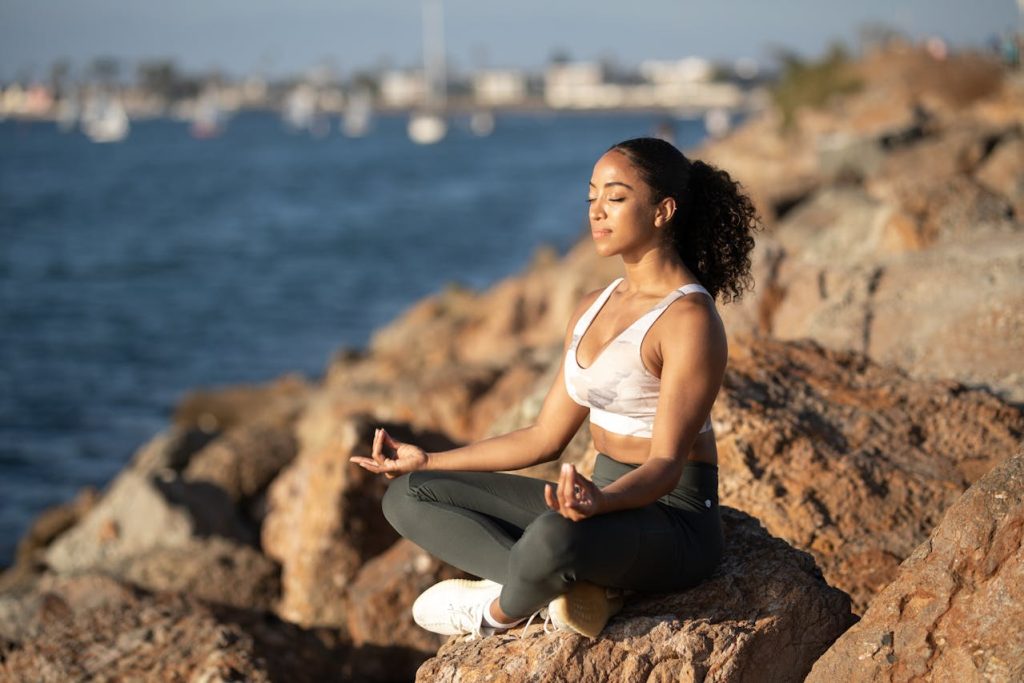
Learn the essentials of teaching mindfulness meditation with practical techniques, benefits, and step-by-step guidance. Discover how to build effective mindfulness sessions for beginners and advanced learners.
Overview
In this comprehensive guide, you will gain a clear understanding of teaching mindfulness meditation in a structured, practical, and effective way. Whether you are a wellness coach, meditation instructor, or someone planning to guide others, this article will help you build confidence and clarity.
By the end of this blog, you will learn:
- What teaching mindfulness meditation truly means in modern wellness practice
- Core principles behind effective mindfulness instruction
- Step-by-step methods to guide meditation sessions
- Common mistakes instructors should avoid
- Techniques that improve engagement and results
- How professional mindfulness programs structure their teachings
- How services like ours support structured mindfulness learning
This guide is designed using a practical, real-world teaching approach aligned with US wellness education standards.
What is teaching mindfulness meditation?
Teaching mindfulness meditation is the process of guiding individuals or groups to develop awareness, presence, and emotional balance through structured meditation practices. It involves more than just explaining techniques—it requires helping learners experience mindfulness in real time.
When someone is focused on teaching mindfulness meditation, they are not only instructing but also creating a safe, calm, and supportive environment where students can observe their thoughts without judgment.
At its core, teaching mindfulness meditation includes:
- Guided breathing practices
- Awareness of thoughts and emotions
- Body scan techniques
- Present-moment focus exercises
Professionals who specialize in teaching mindfulness meditation aim to help students build long-term habits for mental clarity and emotional stability.
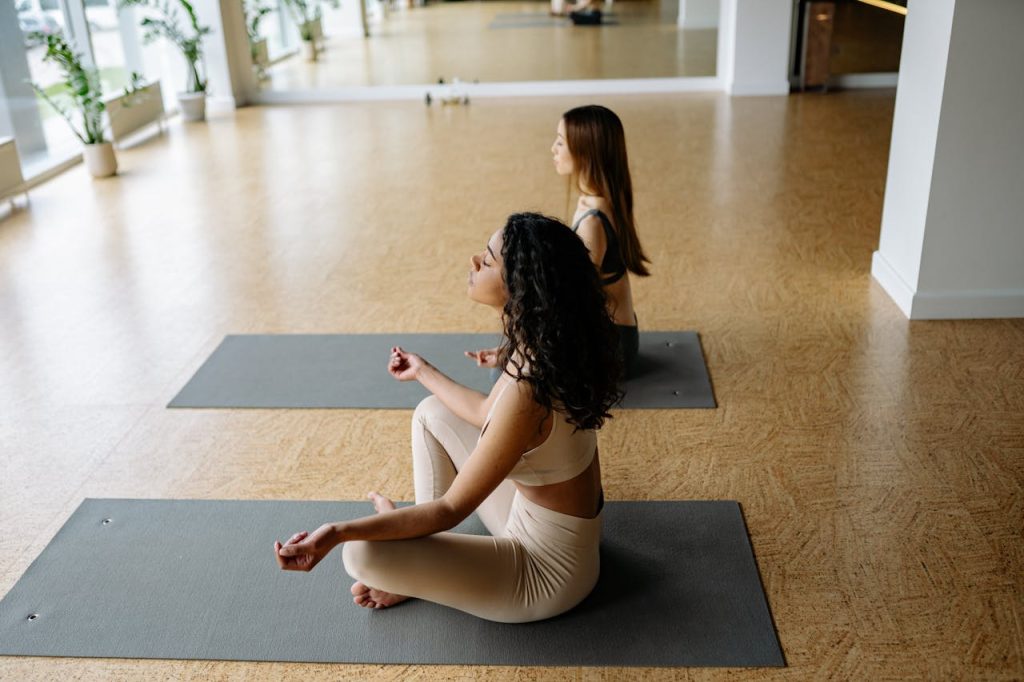
Why Teaching Mindfulness Meditation Matters Today
Modern life is fast-paced, stressful, and often overwhelming. This is why teaching mindfulness meditation has become an essential wellness skill.
Key reasons it matters:
- Reduces stress and anxiety levels
- Improves focus and productivity
- Supports emotional regulation
- Enhances self-awareness
- Promotes mental clarity
When you engage in teaching mindfulness meditation, you are offering people tools to handle everyday challenges with calmness and awareness.
Core Principles of Teaching Mindfulness Meditation
Successful teaching of mindfulness meditation is built on several core principles that ensure effectiveness and authenticity.
1. Present-Moment Awareness
Students are encouraged to focus on “now” instead of past regrets or future worries.
2. Non-Judgmental Observation
A key part of teaching mindfulness meditation is helping learners observe thoughts without labeling them as good or bad.
3. Consistency Over Perfection
Meditation is a practice, not a performance. Instructors should reinforce consistency.
4. Simplicity in Instruction
Effective teaching mindfulness meditation avoids overly complex explanations and focuses on simple, clear guidance.
5. Compassionate Guidance
A calm and supportive tone helps students feel safe and open during practice.
Step-by-Step Guide to Teaching Mindfulness Meditation
If you’re planning on teaching mindfulness meditation, following a structured process is essential.
Step 1: Set the Environment
Create a calm and distraction-free space. This helps students relax and focus.
Step 2: Begin with Breathing Awareness
Start every session with simple breathing exercises:
- Inhale slowly through the nose.
- Hold briefly
- Exhale gently
This is a foundational step in teaching mindfulness meditation.
Step 3: Introduce Body Awareness
Guide students to slowly scan their body from head to toe, noticing sensations without judgment.
Step 4: Guide Thought Observation
Encourage learners to observe thoughts as passing events rather than facts.
Step 5: End with Reflection
Ask participants to reflect on how they feel after the session.
Effective Techniques for Teaching Mindfulness Meditation
When it comes to teaching mindfulness meditation, using the right techniques makes a big difference in engagement and results.
Popular techniques include:
- Breath Counting Meditation
Helps beginners stay focused by counting each breath. - Body Scan Meditation
Builds deep awareness of physical sensations. - Sound Awareness Practice
Focuses attention on surrounding sounds without reaction. - Loving-Kindness Meditation
Encourages compassion toward self and others. - Walking Meditation
Combines movement with mindful awareness.
Each of these plays a valuable role in teaching mindfulness meditation effectively.
Common Mistakes in Teaching Mindfulness Meditation
Even experienced instructors can struggle when teaching mindfulness meditation if they overlook key elements.
Mistake 1: Overcomplicating Instructions
Too much explanation can confuse beginners.
Mistake 2: Rushing the Process
Mindfulness requires patience and time.
Mistake 3: Ignoring Individual Differences
Every student learns at a different pace.
Mistake 4: Lack of Consistency
Regular practice is more important than long sessions.
Avoiding these mistakes ensures better outcomes when teaching mindfulness meditation.
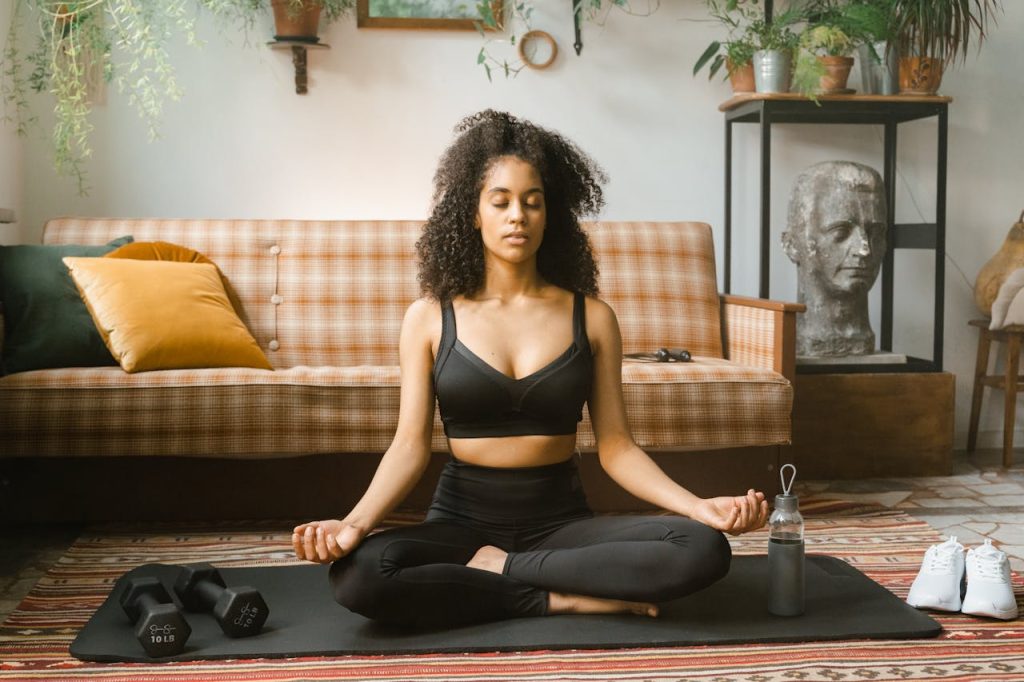
Who Can Benefit from Teaching Mindfulness Meditation?
The impact of teaching mindfulness meditation extends across many groups:
- Students dealing with academic stress
- Professionals facing workplace pressure
- Individuals managing anxiety or burnout
- Wellness coaches and therapists
- Anyone seeking emotional balance
This makes teaching mindfulness meditation a highly valuable and widely applicable skill.
How Our Platform Supports Teaching Mindfulness Meditation
At Mindfulness Meditation Hub, we specialize in structured wellness education designed to support both learners and instructors.
Our approach to teaching mindfulness meditation includes:
Guided Learning Resources
Step-by-step instructions for beginners and advanced practitioners.
Structured Meditation Programs
Professionally designed sessions for consistent practice.
Practical Teaching Methods
Tools and techniques for those who want to guide others effectively.
Real-World Application
We focus on helping people apply mindfulness in daily life.
Whether you’re new or experienced in teaching mindfulness meditation, our resources help you build confidence and clarity in your practice.
Benefits of Teaching Mindfulness Meditation
Engaging in teaching mindfulness meditation offers several professional and personal benefits:
- Strengthens communication and leadership skills
- Enhances emotional intelligence
- Improves patience and focus
- Builds meaningful connections with learners
- Creates positive impact in people’s lives
For many instructors, teaching mindfulness meditation becomes not just a profession but a purpose-driven practice.
Final Thoughts
Teaching mindfulness meditation is more than guiding breathing exercises—it is about helping individuals reconnect with themselves, reduce stress, and live with greater awareness.
When done correctly, teaching mindfulness meditation can transform not only students but also instructors themselves. It builds a deeper understanding of the mind and creates lasting emotional resilience.
At Mindfulness Meditation Hub, our mission is to make teaching mindfulness meditation accessible, practical, and impactful for everyone who wants to learn or guide others on this journey.
FAQs for Teaching Mindfulness Meditation
What is teaching mindfulness meditation?
Teaching mindfulness meditation is the practice of guiding individuals or groups to develop awareness, focus, and emotional balance through structured meditation techniques.
Who can teach mindfulness meditation?
Anyone with proper training, personal practice, and understanding of mindfulness principles can teach mindfulness meditation, including wellness coaches, therapists, and meditation practitioners.
Do I need certification to teach mindfulness meditation?
Certification is not always legally required, but professional training is highly recommended to ensure effective and ethical teaching practices.
How do I start teaching mindfulness meditation to beginners?
Start with simple breathing exercises, short guided sessions, and clear instructions that focus on present-moment awareness and non-judgment.
What are the key skills needed for teaching mindfulness meditation?
Key skills include patience, communication, empathy, consistency, and a strong personal mindfulness practice.
How long should a mindfulness meditation session be for beginners?
Beginners usually benefit from short sessions of 5–15 minutes to build consistency and comfort.
What techniques are commonly used in teaching mindfulness meditation?
Common techniques include breath awareness, body scan meditation, loving-kindness meditation, and mindful observation of thoughts.
Can teaching mindfulness meditation reduce stress?
Yes, regular mindfulness practice has been shown to significantly reduce stress and improve emotional regulation.
What is the difference between meditation and mindfulness meditation?
Meditation is a broad practice, while mindfulness meditation specifically focuses on present-moment awareness without judgment.
How often should mindfulness meditation be practiced?
Daily practice is ideal, even if it is just 10–20 minutes per day.
What challenges do beginners face in mindfulness meditation?
Common challenges include distraction, restlessness, difficulty focusing, and impatience.
How do I keep students engaged when teaching mindfulness meditation?
Use simple guidance, varied techniques, gentle voice tone, and short interactive practices to maintain engagement.
Can mindfulness meditation be taught online?
Yes, mindfulness meditation can be effectively taught through online sessions, videos, and guided audio practices.
What are the benefits of teaching mindfulness meditation professionally?
It improves communication skills, emotional intelligence, leadership ability, and creates a meaningful wellness career.
How does your platform help in teaching mindfulness meditation?
Our platform provides structured guides, practical techniques, and step-by-step resources to help both beginners and instructors effectively learn and teach mindfulness meditation.
Related Topics
- How to Practice Meditation: A Step-by-Step Guide for Beginners
- How Do I Start to Meditate? A Complete Beginner’s Guide
- What Do You Do When You Meditate? A Complete Guide
- How to Meditate Daily: A Simple Guide to Building a Lifelong
- Meditation Techniques for Anxiety | Calm Your Mind Naturally
- How to Meditate Effectively: A Step-by-Step Guide for Beginners
- Best Way to Meditate: A Complete Guide for Beginners and Experts
- Mind Success: Unlock Your Full Potential with Proven Techniques
- Stress Meditation: How Mindfulness Helps Reduce Stress
- What Do You Do When You Meditate? A Complete Guide
- Breathing Meditation Techniques for Beginners: A Complete Guide
- How to Meditate Daily: A Simple Guide to Building a Lifelong
- Grief Meditation: A Healing Practice for Emotional Recovery
- 5 Minute Meditation Scripts: Quick & Effective Guided Meditation
- Meditating at Home: Guide to Finding Peace and Balance
- Meditation and Sounds: Boost Mindfulness & Relaxation