
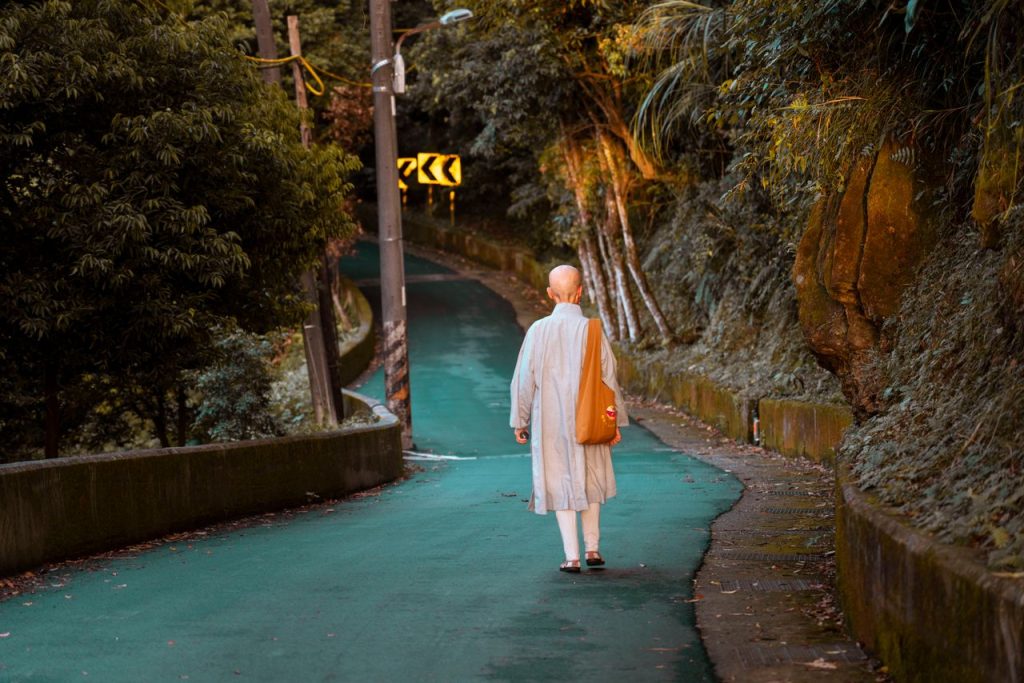
Discover walk through meditation with this practical guide. Learn simple steps, mindful breathing techniques, and ways to build a daily meditation habit.
Meditation is often associated with sitting quietly, closing your eyes, and focusing on your breathing. However, mindfulness does not always require sitting in one position. Sometimes, one of the simplest ways to become more present is to slow down, move intentionally, and pay attention to the world around you.
A walk through meditation offers an accessible way to combine gentle movement with mindfulness. Instead of allowing your thoughts to wander while walking from one destination to another, you intentionally bring your attention to each step, your breathing, physical sensations, and the environment around you.
This practice can be particularly helpful for people who find traditional seated meditation challenging. It allows you to experience mindfulness while doing something familiar and natural.
At MindfulnessMeditationHub.com, we provide practical resources, exercises, and mindfulness techniques to help you explore these practices and incorporate them into your daily life. Whether you are new to meditation or have been practicing for years, our goal is to support your personal mindfulness journey with accessible and useful guidance.
In this guide, you will discover how walking meditation works, how to practice it, what makes it different from traditional meditation, and how to develop a consistent routine.
What Is Walk Through Meditation?
Walk through meditation is a mindfulness practice that involves bringing deliberate awareness to the experience of walking. Rather than treating walking as an automatic physical activity, you use it as an opportunity to observe the present moment.
During the practice, you focus on sensations such as:
- Your feet making contact with the ground.
- The movement of your legs and arms.
- The natural rhythm of your breathing.
- The feeling of air against your skin.
- Sounds, colors, and other details in your surroundings.
- The physical sensations associated with each step.
The goal is not to reach a particular destination or achieve a completely empty mind. Instead, you practice noticing what is happening without immediately judging, resisting, or reacting to it.
For example, imagine walking through a quiet neighborhood. Normally, you might think about your upcoming responsibilities, replay an earlier conversation, or check your phone.
During mindful walking, you gently redirect your attention toward the physical experience of walking. You notice your steps, the temperature, nearby sounds, and the rhythm of your movement.
Whenever your mind wanders, you simply acknowledge the distraction and return your attention to the present moment.
That simple process is the foundation of walking meditation.
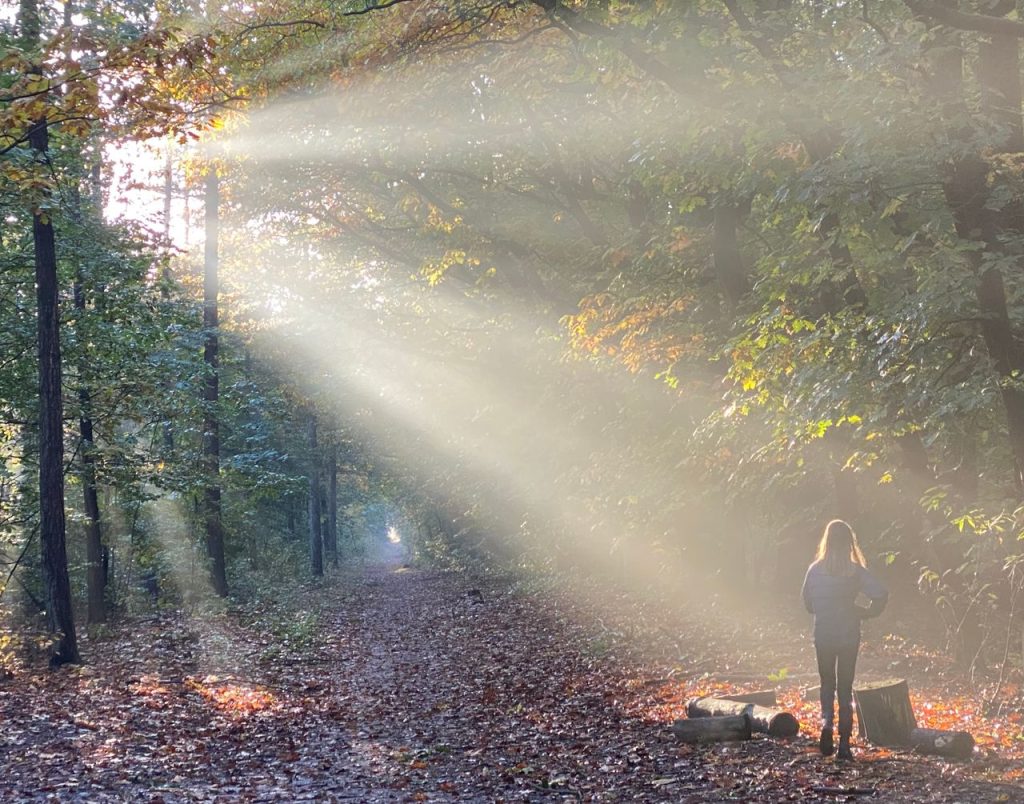
Benefits of Practicing Walking Meditation
Mindfulness practices can support greater awareness of your thoughts, emotions, and everyday experiences. Walking meditation offers a practical way to explore these benefits while incorporating movement into your routine.
Here are several reasons people include it in their mindfulness practice.
1. Encourages Present-Moment Awareness
One of the central goals of mindfulness is learning to pay attention to what is happening right now.
Walking meditation encourages you to notice experiences that might otherwise go unnoticed. You become more aware of your steps, breathing, surroundings, and physical sensations.
Over time, this practice can help you recognize when your attention becomes distracted and gently bring it back.
2. Provides an Alternative to Seated Meditation
Not everyone feels comfortable sitting still for extended periods.
Some people find it difficult to concentrate while sitting, while others simply prefer movement-based activities.
Walking meditation provides another way to explore mindfulness without requiring a traditional seated posture.
You can practice it in a garden, along a quiet sidewalk, inside your home, or in another safe environment.
3. Helps You Become More Aware of Your Breathing
Breathing is an important part of many mindfulness exercises.
During mindful walking, you can observe the natural relationship between your breathing and physical movement.
For example, notice whether your breathing changes as your walking pace increases or decreases.
There is no need to force a particular breathing pattern. Simply observe your natural rhythm.
4. Creates a Mindful Break During Busy Days
Modern routines often involve continuous notifications, responsibilities, and screen time.
Taking a few minutes to walk without checking your phone can create an opportunity to step away from those distractions.
Instead of rushing from one task to another, you give yourself a short period to reconnect with your surroundings.
5. Develops Greater Awareness of Everyday Experiences
Mindfulness is not limited to formal meditation sessions.
You can bring mindful attention into ordinary activities, including walking to work, moving around your home, or spending time outdoors.
The more regularly you practice noticing your experiences, the more opportunities you have to apply mindfulness throughout the day.
It is important to remember that individual experiences vary. Walking meditation is a personal mindfulness practice, not a guaranteed treatment for anxiety, stress, or other health conditions.
How to Practice Walk Through Meditation: A Step-by-Step Guide
You do not need special equipment, advanced meditation experience, or a particular location to begin. A quiet, safe walking space and a willingness to pay attention are enough.
Follow these steps to get started.
Step 1: Choose a Comfortable Walking Location
Begin by selecting a place where you can walk safely without frequent interruptions.
Good options include:
- A quiet garden or backyard.
- A peaceful walking path.
- A park with a relatively flat surface.
- An uncluttered hallway at home.
- A quiet outdoor area with minimal traffic.
If you are a beginner, choose a familiar location. This makes it easier to focus on the experience rather than worrying about navigation.
You can practice indoors or outdoors depending on your surroundings and personal comfort.
Step 2: Start With a Moment of Stillness
Before walking, pause for a few seconds.
Stand comfortably with your feet resting naturally on the ground. Allow your shoulders to relax and keep your posture upright without becoming stiff.
Take a moment to notice:
- How your feet feel against the ground.
- The position of your body.
- Your natural breathing rhythm.
- Any tension or relaxation you notice.
There is no need to change anything immediately. Simply observe your current experience.
Step 3: Begin Walking Slowly
Start walking at a comfortable, natural pace.
Pay attention to the movement involved in each step. Notice how one foot lifts, moves forward, and returns to the ground before the other foot follows.
You do not need to exaggerate your movements or walk unusually slowly.
The purpose is to become aware of an activity that usually happens automatically.
Step 4: Focus on Your Breathing
Once you become comfortable with your steps, bring some attention to your breathing.
Notice the air entering and leaving your body.
You might observe that your breathing becomes slightly faster or slower depending on your walking pace.
Allow your breath to remain natural. Avoid holding it or trying to force a specific rhythm.
If focusing on breathing feels uncomfortable, you can simply return your attention to the sensations in your feet.
Step 5: Notice Your Surroundings
Mindfulness does not mean ignoring everything around you.
Instead, allow yourself to notice your environment without becoming overly absorbed in individual distractions.
Pay attention to:
- The sound of birds or nearby conversations.
- The feeling of sunlight or a gentle breeze.
- The colors of plants, buildings, or the sky.
- The texture of the walking surface.
- The general atmosphere of your surroundings.
You do not need to label every experience. Let your attention move naturally while remaining connected to the present moment.
Step 6: Acknowledge Wandering Thoughts
Your mind will probably wander during meditation. This is completely normal.
You might suddenly remember an unfinished task, think about a conversation, or start planning what you need to do later.
Rather than becoming frustrated, recognize that your attention has shifted.
You can quietly acknowledge the thought and return your focus to your steps or breathing.
Remember, mindfulness is not about preventing thoughts from appearing. It is about developing a different relationship with them.
Step 7: Finish With a Moment of Reflection
When you are ready to finish, gradually slow down and stop walking.
Stand comfortably and notice how you feel.
Ask yourself a few simple questions:
- What did I notice during this practice?
- Was it difficult to maintain my attention?
- Which sensations were easiest to observe?
- Did I discover anything about my usual walking habits?
There are no right or wrong answers.
The purpose of reflection is simply to become more familiar with your experience.
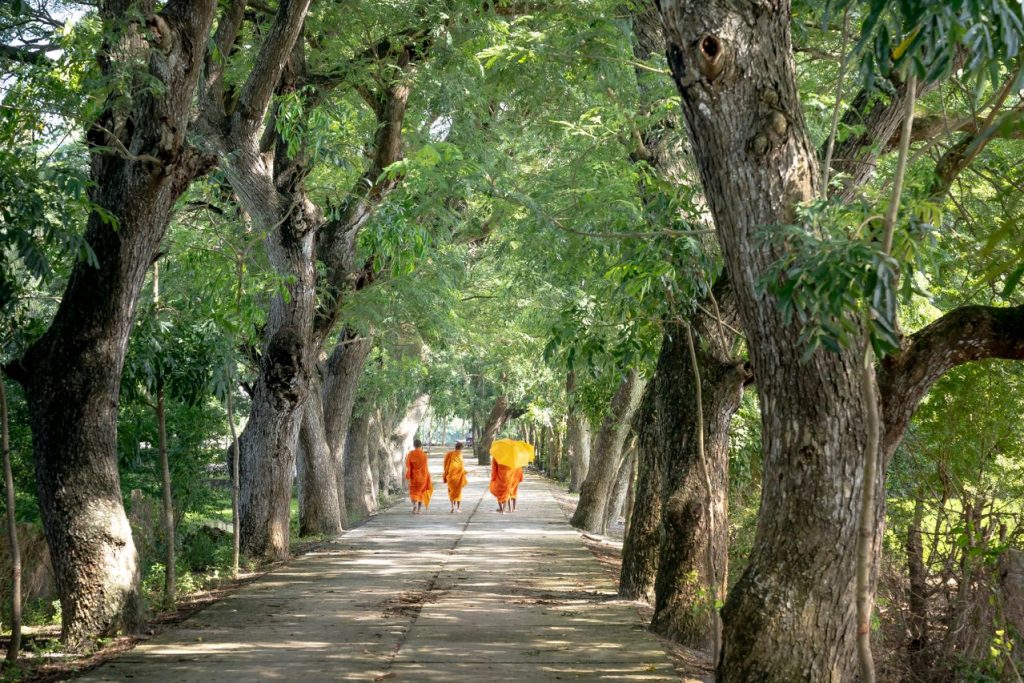
Different Types of Walking Meditation to Explore
There is no single way to practice mindfulness while walking. Different approaches allow you to explore awareness through movement, breathing, and your surroundings.
Here are a few approaches worth trying.
Mindful Walking in Nature
<PRIVATE_PERSON> Nature-based walking can offer many opportunities to notice the present moment.
Choose a peaceful outdoor location and observe the natural environment as you move.
Pay attention to the sounds of birds, the movement of leaves, the texture of the ground, and changes in the weather.
Rather than trying to identify or analyze everything, allow yourself to experience your surroundings.
Breathing-Focused Walking
This approach combines mindful movement with awareness of breathing.
As you walk, observe the natural rhythm of inhalation and exhalation.
You may notice that your breath and steps sometimes feel connected. However, there is no requirement to synchronize them.
Keep your attention relaxed and avoid changing your breathing unnecessarily.
Slow Walking Meditation
Slow walking involves reducing your pace so you can observe each movement more carefully.
Notice how your weight shifts between your feet and how your body maintains balance.
This approach can be particularly useful when you want to explore the physical sensations involved in walking.
Choose a safe, level surface and maintain a comfortable posture.
Sensory Awareness Walking
Sensory awareness focuses on what you can observe through your senses.
During your walk, notice:
- What you can see.
- What you can hear.
- What you can feel physically.
- What you can smell.
- How the environment changes as you move.
This technique encourages you to become more attentive to your immediate surroundings.
How Long Should You Practice Walking Meditation?
If you are new to mindfulness, you do not need to begin with a long session.
A short practice can help you become familiar with the technique before gradually increasing the duration.
Consider the following beginner-friendly schedule:
| Experience Level | Suggested Duration | Practice Goal |
|---|---|---|
| Beginner | 5 minutes | Notice your steps and surroundings |
| Developing | 10 minutes | Include breathing awareness |
| Intermediate | 15–20 minutes | Maintain mindful attention |
| Experienced | 20–30 minutes | Explore different awareness techniques |
These durations are suggestions, not strict requirements.
You can adjust your practice according to your schedule, physical comfort, and personal preferences.
Consistency is often more practical than attempting a long session occasionally.
Common Mistakes to Avoid During Walking Meditation
Although the practice is straightforward, beginners sometimes develop expectations that make mindfulness feel unnecessarily difficult.
Understanding these common mistakes can help you approach meditation with greater confidence.
Trying to Stop Every Thought
One common misconception is that successful meditation requires a completely empty mind.
Thoughts naturally arise throughout the day, including during mindfulness practice.
Instead of trying to eliminate them, practice noticing when your attention moves away and gently returning it.
Walking Too Slowly or Uncomfortably
Walking meditation does not require an unnatural pace.
If moving too slowly creates physical discomfort or makes you lose balance, choose a more natural speed.
Your comfort and safety should always come first.
Expecting Immediate Results
Mindfulness is a practice that develops through repeated experience.
You may find it difficult to concentrate during your first few sessions. That does not mean you are doing something incorrectly.
Give yourself time to become familiar with the process.
Becoming Distracted by Your Phone
Frequent notifications can interrupt your attention.
Whenever possible, silence unnecessary alerts and keep your phone out of your hands while practicing.
However, remain aware of your surroundings, particularly when walking outdoors.
Treating Meditation Like Another Task to Complete
Mindfulness is not a competition or productivity challenge.
You do not need to achieve a particular result during every session.
Approach each practice with curiosity rather than pressure.
Creating a Daily Walking Meditation Routine
Building a regular mindfulness habit becomes easier when you connect it with something you already do.
Instead of waiting for the perfect time or location, look for opportunities to include mindful movement in your existing schedule.
Here are some practical suggestions.
Start your morning mindfully: Spend five minutes noticing your breathing and surroundings before beginning your daily responsibilities.
Take a mindful afternoon break: Step away from your desk and walk for a few minutes without checking messages or thinking about unfinished tasks.
Practice after work: Use a short walking session as an opportunity to transition from work responsibilities to personal time.
Explore your surroundings: Occasionally choose a different safe walking route and pay attention to details you might normally overlook.
Keep a simple meditation journal: After each session, write down one thing you noticed. This can help you become more familiar with your experiences over time.
You can also combine walking meditation with other mindfulness activities, such as mindful breathing, gratitude exercises, body awareness, and seated meditation.
The important thing is to develop a routine that feels realistic and sustainable.
Walk Through Meditation vs. Traditional Seated Meditation
Both walking and seated meditation can help you explore mindfulness, but they offer different experiences.
Understanding their differences can help you decide which approach works best for your preferences.
| Feature | Walking Meditation | Seated Meditation |
|---|---|---|
| Physical activity | Involves gentle movement | Usually involves remaining still |
| Main focus | Steps, movement, breathing, and surroundings | Breathing, thoughts, sensations, or a chosen focus |
| Location | Walking paths, gardens, or safe indoor spaces | Quiet indoor or outdoor spaces |
| Posture | Comfortable upright walking posture | Comfortable seated posture |
| Beginner suitability | Useful for people who prefer movement | Useful for people who prefer stillness |
| Practice flexibility | Can fit into everyday walks | Usually requires setting aside time to sit |
Neither approach is automatically better than the other.
Some people prefer seated meditation because it provides a dedicated environment for reflection. Others enjoy movement-based mindfulness because it feels more natural.
You can also alternate between both approaches depending on your schedule and preferences.
Frequently Asked Questions About Walking Meditation
1. Can Beginners Practice Walking Meditation?
Yes. Beginners can start with a few minutes of mindful walking in a familiar and safe location. Focus on your steps, breathing, and surroundings rather than trying to achieve perfect concentration.
2. Is Walking Meditation Better Than Sitting Meditation?
Neither practice is universally better. Walking meditation involves mindful movement, while seated meditation generally involves stillness. Your preference, comfort, and personal goals can help determine which approach you enjoy.
3. Can I Practice Walking Meditation Indoors?
Absolutely. You can practice in a hallway, a spacious room, or another uncluttered indoor area. Choose a location where you can move comfortably without obstacles.
4. What Should I Focus on During Walking Meditation?
Start by noticing the contact between your feet and the ground. You can gradually include breathing, body movement, surrounding sounds, and other sensory experiences.
5. How Often Should I Practice Walking Meditation?
You can practice daily or several times a week. Starting with five minutes is a reasonable approach for beginners. Adjust the frequency and duration according to your comfort and schedule.
6. Can Walking Meditation Help With Stress?
Mindful walking can provide an opportunity to pause, observe your thoughts, and reconnect with your surroundings. Some people find this experience calming, although individual responses vary. It should not replace professional support when needed.
7. Do I Need Special Equipment for Walking Meditation?
No. Comfortable clothing and suitable footwear are generally sufficient. You do not need special meditation equipment, music, or accessories to begin.
8. Can I Combine Walking Meditation With Other Mindfulness Practices?
Yes. Walking meditation can complement mindful breathing, gratitude exercises, body awareness, and seated meditation. Combining different approaches can help you explore mindfulness in ways that fit your everyday life.
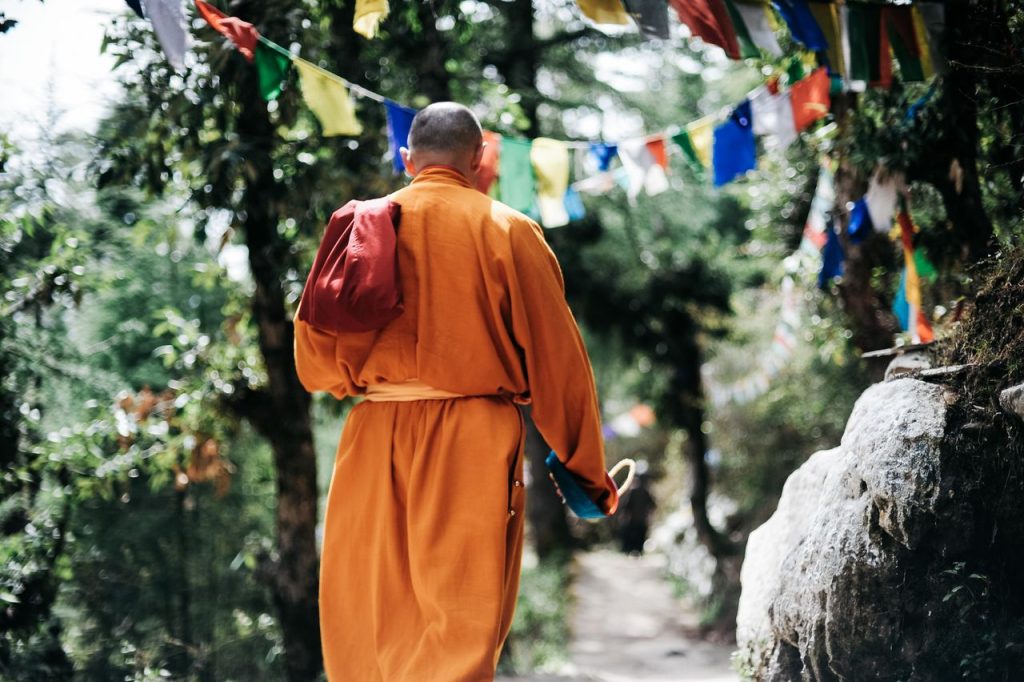
Begin Your Mindfulness Journey One Step at a Time
Mindfulness does not have to involve complicated routines, expensive equipment, or long periods of sitting in silence. Sometimes, it begins with something as simple as noticing your next step.
A walk through meditation provides an opportunity to bring greater awareness to an everyday activity. By paying attention to your movements, breathing, thoughts, and surroundings, you can explore mindfulness in a practical and accessible way.
Remember that your experience does not need to look like anyone else’s. Some days, maintaining attention may feel natural. On other days, your mind may wander frequently. Both experiences are part of learning.
The key is to approach the practice with patience, curiosity, and consistency.
At MindfulnessMeditationHub.com, we are here to make mindfulness easier to understand and practice. Explore our practical meditation guides, mindfulness exercises, and educational resources to discover techniques that fit your lifestyle.
Ready to take your next mindful step? Explore Mindfulness Meditation Hub today and start building a more intentional relationship with your everyday experiences.
Related Topics
- How to Meditate: A Simple Step-by-Step Guide for Beginners
- How Do I Meditate? A Beginner’s Guide to Mindfulness
- Mindful Daily: 9 Simple Ways to Transform Your Life
- Guide to Meditation: Techniques, Benefits & How to Get Started
- Meditation Techniques for Beginners: Simple Practices
- Introduction to Mindfulness: A Complete Beginner’s Guide
- What Is Mindfulness Mean? A Complete Beginner’s Guide
- Meditation for Beginners: A Simple Guide to Start Your Journey
- Mindfulness Meditation Hub – Start Your Journey Today