
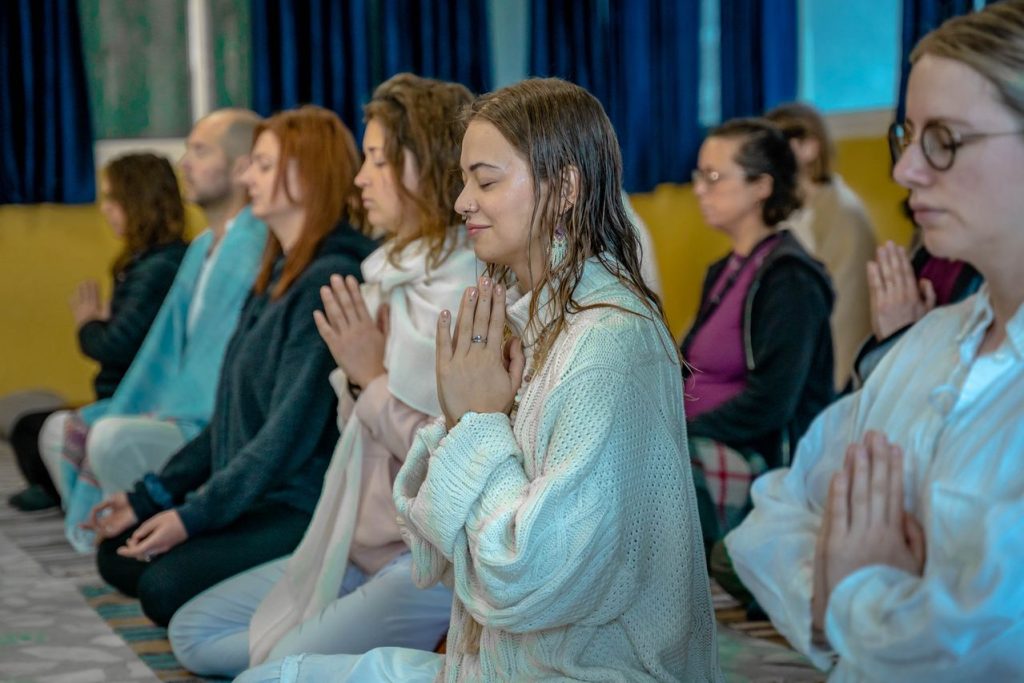
Discover how to live mindful daily with 9 simple habits, practical mindfulness exercises, and meditation techniques that bring more calm and clarity.
Modern life moves quickly. Between work responsibilities, family commitments, digital distractions, and personal expectations, it can be difficult to slow down and appreciate the present moment. Many people spend their days thinking about what they need to do next rather than experiencing what is happening right now.
This is where practicing a mindful daily lifestyle can make a meaningful difference. Mindfulness encourages you to become more aware of your thoughts, emotions, surroundings, and everyday experiences without immediately judging them. Instead of constantly reacting to everything around you, you learn to pause, observe, and respond with greater intention.
The good news is that mindfulness does not require hours of meditation or a complete lifestyle transformation. You can begin with small, manageable habits that fit naturally into your existing routine.
Whether you are new to meditation or have been practicing for years, developing greater awareness can help you approach everyday situations with more patience, clarity, and balance.
In this guide, we will explore nine practical ways to incorporate mindfulness into your everyday routine, along with simple exercises and meditation techniques you can start using today.
What Does It Mean to Live Mindful Daily?
Mindfulness is the practice of paying attention to the present moment with openness, curiosity, and without unnecessary judgment.
It involves noticing what is happening around you and within you. This includes your thoughts, physical sensations, emotions, breathing patterns, and interactions with other people.
For example, consider how you usually drink your morning coffee. You might check your phone, think about upcoming meetings, or rush through breakfast without noticing the experience.
A mindful approach would involve paying attention to the warmth of the cup, the aroma of the coffee, its taste, and the simple experience of taking a quiet moment for yourself.
This may seem like a small change, but it encourages you to become more connected with your everyday experiences.
Mindfulness is not about eliminating thoughts or forcing yourself to feel peaceful all the time. Instead, it is about recognizing what is happening without becoming completely controlled by it.
Why Is Mindfulness Important in Everyday Life?
Regular mindfulness practice can support several aspects of personal well-being.
Some potential benefits include:
- Greater self-awareness: Recognizing your thoughts, emotions, and behavioral patterns.
- Improved concentration: Practicing the ability to bring your attention back when distractions arise.
- Better emotional awareness: Understanding emotional reactions before responding.
- Stress management: Developing practical ways to pause and approach stressful situations.
- More meaningful relationships: Listening carefully and being more present during conversations.
- Greater appreciation: Noticing positive experiences that might otherwise go unnoticed.
The effects of mindfulness vary from person to person. However, consistent practice can help you develop a healthier relationship with your thoughts and everyday experiences.
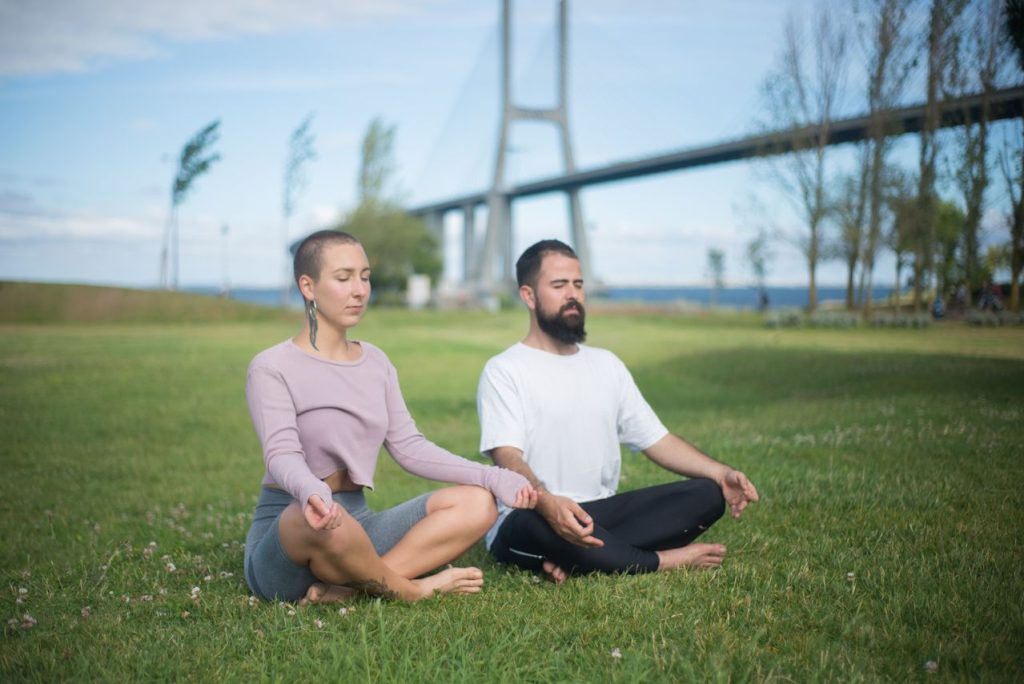
9 Simple Ways to Practice Mindfulness Every Day
You do not need to change your entire schedule to become more mindful. The most sustainable approach is to introduce small practices into activities you already perform.
Here are nine practical ways to get started.
1. Begin Your Morning With a Few Quiet Minutes
How you begin your morning can influence how you approach the rest of your day.
Instead of immediately reaching for your phone, checking notifications, or thinking about your responsibilities, give yourself a few quiet minutes.
Sit comfortably, relax your shoulders, and notice your breathing. You do not need to control your breath. Simply observe the natural rhythm of inhaling and exhaling.
During this time, consider asking yourself:
- How am I feeling this morning?
- What deserves my attention today?
- What intention would I like to carry throughout the day?
You might choose an intention such as patience, gratitude, focus, or kindness.
This simple morning mindfulness practice creates an opportunity to begin your day with greater awareness rather than immediately reacting to external demands.
2. Practice Mindful Breathing
Breathing is one of the simplest ways to bring your attention back to the present moment.
Mindful breathing involves observing your breath without trying to make it perfect or forcing a particular breathing pattern.
Try this beginner-friendly exercise:
- Find a comfortable seated position.
- Allow your shoulders and jaw to relax.
- Notice the sensation of air entering and leaving your body.
- Pay attention to the movement of your chest or abdomen.
- When your mind wanders, gently return your attention to your breathing.
- Continue for two to five minutes.
Your mind will probably wander. That is completely normal.
The purpose is not to prevent thoughts from appearing. Instead, you are practicing the ability to notice distractions and redirect your attention without criticizing yourself.
You can use this exercise before an important meeting, during a work break, or whenever you need a brief moment to reset.
3. Eat Without Distractions
Eating is an everyday activity that provides an excellent opportunity to practice mindfulness.
However, many people eat while watching television, scrolling through social media, or completing other tasks.
Mindful eating encourages you to slow down and pay attention to the experience of enjoying food.
Start by choosing one meal or snack each day to eat without unnecessary distractions.
Notice:
- The colors and appearance of your food.
- The aroma and different flavors.
- The texture as you chew.
- Your body’s hunger and fullness signals.
- How you feel after eating.
You do not need to make every meal a formal exercise. Even spending a few minutes eating with greater awareness can help you become more attentive to your body’s signals and your relationship with food.
4. Take Mindful Walking Breaks
Walking is another practical way to incorporate awareness into your routine.
You do not need a special meditation space or a complicated technique. A short walk around your neighborhood, garden, or workplace can become an opportunity to reconnect with the present.
During a mindful walk, pay attention to:
- The feeling of your feet touching the ground.
- The movement of your legs and body.
- The sounds around you.
- The temperature of the air.
- The colors, shapes, and details in your surroundings.
When your thoughts move toward work or personal responsibilities, gently bring your attention back to walking.
Start with five or ten minutes.
Over time, this practice can help you appreciate ordinary moments and create a healthier balance between periods of activity and rest.
5. Create a Mindful Daily Routine That Fits Your Lifestyle
Building a consistent mindfulness habit is often more effective than attempting long meditation sessions occasionally.
A simple routine helps you connect mindfulness with activities you already perform.
For example, you could structure your day around a few manageable practices:
| Time of Day | Mindfulness Practice | Suggested Duration |
|---|---|---|
| Morning | Quiet breathing and intention setting | 5 minutes |
| Breakfast | Mindful eating | 5 minutes |
| Midday | Short breathing break | 2–3 minutes |
| Afternoon | Mindful walking | 10 minutes |
| Evening | Gratitude reflection | 5 minutes |
| Before bed | Relaxation or meditation | 5–10 minutes |
You do not have to follow this schedule perfectly. Adjust it according to your responsibilities, energy levels, and personal preferences.
The goal is to make mindfulness accessible rather than turning it into another demanding responsibility.
6. Practice Mindful Listening
Mindfulness is not limited to individual meditation. It can also improve how you communicate with others.
In everyday conversations, people sometimes focus more on preparing their response than understanding what the other person is saying.
Mindful listening encourages you to give someone your full attention.
Try these simple techniques:
- Put your phone away during important conversations.
- Avoid interrupting before someone finishes speaking.
- Notice the other person’s tone and emotions.
- Listen to understand rather than immediately offering advice.
- Pause briefly before responding.
This approach can help create more thoughtful conversations and strengthen personal and professional relationships.
It also encourages empathy by helping you become more aware of perspectives beyond your own.
7. Notice Your Thoughts Without Judging Them
One of the most important mindfulness skills is learning to observe thoughts without automatically believing or reacting to everything that enters your mind.
For example, imagine that you make a mistake at work. You might immediately think, “I always get things wrong.”
Instead of accepting that thought as a fact, pause and recognize it as a thought arising in response to a difficult situation.
You can practice by following these steps:
- Notice the thought.
- Identify the emotion connected to it.
- Take a gentle breath.
- Consider whether the thought represents the complete situation.
- Choose a constructive response.
This technique is sometimes associated with mindful awareness and cognitive distancing.
It does not mean ignoring difficult emotions or pretending that problems do not exist. Rather, it creates space to respond more thoughtfully.
8. Develop a Gratitude Practice
Gratitude is another simple way to become more attentive to positive experiences.
It is easy to overlook ordinary moments when your attention is constantly focused on problems, responsibilities, and future goals.
A gratitude practice encourages you to recognize what you appreciate in your life.
At the end of each day, write down three things you are grateful for.
They do not have to be major achievements.
For example:
- Having a meaningful conversation with a friend.
- Enjoying a peaceful morning.
- Completing an important task.
- Spending time outdoors.
- Having a comfortable place to rest.
You can also reflect on why these moments mattered to you.
The purpose is not to deny challenges or force positive emotions. It is to develop a more balanced awareness of both difficult and meaningful experiences.
9. End Your Day With Mindful Reflection
The evening offers an opportunity to slow down and recognize how you experienced the day.
Instead of immediately moving from work to entertainment and then sleep, create a short period for reflection.
Find a quiet place, sit comfortably, and consider these questions:
- When did I feel most present today?
- What situations caused me to become distracted?
- How did I respond to challenging emotions?
- What small moment did I appreciate?
- What would I like to approach differently tomorrow?
You can write your answers in a journal or simply reflect silently.
This practice can help you recognize patterns in your thoughts and behavior while making your mindfulness journey more intentional.

How to Build a Consistent Mindfulness Habit
Knowing different techniques is useful, but consistency is what helps turn mindfulness into a sustainable part of your lifestyle.
Many beginners start with enthusiasm but struggle to maintain their practice when daily responsibilities become demanding.
Here are some practical ways to avoid that problem.
Start Smaller Than You Think You Need To
You do not have to meditate for 30 minutes every morning.
Begin with two or three minutes of breathing practice. Once that becomes comfortable, gradually increase the duration if you want to.
Small habits are often easier to maintain because they require less time and preparation.
Connect Mindfulness With Existing Habits
One effective strategy is habit stacking, which means connecting a new habit with an activity you already perform regularly.
For example:
- After brushing your teeth, take three mindful breaths.
- Before lunch, pause and notice how you are feeling.
- After finishing work, take a short mindful walk.
- Before sleeping, write down one thing you appreciated.
This approach reduces the need to remember an entirely separate activity.
Create a Comfortable Practice Environment
You do not need an expensive meditation room.
However, having a comfortable and relatively quiet space can make it easier to focus.
Consider choosing:
- A comfortable chair or meditation cushion.
- A quiet corner of your home.
- Soft lighting.
- A clean and uncluttered environment.
- A journal for recording reflections.
Your environment should support your practice without creating unnecessary pressure.
Accept That Some Days Will Be Difficult
There will be days when you feel distracted, restless, tired, or unmotivated.
That does not mean you are failing at mindfulness.
Some meditation sessions may feel peaceful, while others may involve constant thoughts and discomfort.
Both experiences can provide opportunities to practice awareness.
Instead of expecting perfection, focus on returning to your practice whenever possible.
Common Mindfulness Mistakes to Avoid
Although mindfulness is relatively simple to begin, certain misunderstandings can make the experience frustrating.
Here are some common mistakes and how to approach them differently.
Mistake 1: Expecting the mind to become completely empty
Mindfulness does not require you to stop thinking. Thoughts are a natural part of the human experience. The practice involves noticing them without becoming unnecessarily absorbed in them.
Mistake 2: Believing longer sessions are always better
A short, consistent practice may be more realistic than occasional long sessions. Choose a duration that works with your schedule.
Mistake 3: Judging yourself for getting distracted
Distraction is normal. Each time you notice that your attention has wandered and gently return it, you are practicing mindfulness.
Mistake 4: Treating mindfulness as another productivity task
Mindfulness is not about becoming more productive every minute. It is about developing awareness and experiencing life with greater intention.
Mistake 5: Giving up because results are not immediate
Mindfulness is a skill that develops through practice. Avoid expecting dramatic changes after only a few sessions.
Mindfulness Exercises for Beginners
If you are just getting started, the following exercises offer a simple introduction to different mindfulness techniques.
The Five-Senses Exercise
This exercise encourages you to reconnect with your immediate surroundings.
Pause wherever you are and identify:
- Five things you can see.
- Four things you can physically feel.
- Three things you can hear.
- Two things you can smell.
- One thing you can taste.
Move through the exercise slowly, paying attention to each experience.
It is a practical grounding technique that can help redirect attention toward the present environment.
The Body Scan Meditation
A body scan is a mindfulness meditation that involves gradually directing attention toward different parts of the body.
To begin:
- Lie down or sit in a comfortable position.
- Close your eyes if that feels comfortable.
- Bring attention to your feet.
- Slowly move your attention through your legs, abdomen, chest, shoulders, and head.
- Notice sensations without judging them.
- Finish by becoming aware of your body as a whole.
You do not need to change or fix any physical sensations. Simply notice what is present.
The One-Minute Pause
This is one of the easiest exercises to incorporate into a busy schedule.
For one minute:
- Stop what you are doing.
- Relax your shoulders.
- Notice your breathing.
- Observe your current thoughts.
- Identify how your body feels.
- Return to your activity with greater awareness.
Even a short pause can create an opportunity to step away from automatic reactions.
How Mindfulness and Meditation Work Together
Mindfulness and meditation are closely connected, but they are not exactly the same.
Mindfulness is a quality of awareness that can be practiced during almost any activity. Meditation is a structured practice that often involves setting aside specific time to develop attention and awareness.
For example, you can practice mindfulness while cooking, walking, eating, or talking with someone.
Meditation provides a more focused opportunity to develop these skills through techniques such as:
- Breath awareness meditation.
- Guided mindfulness meditation.
- Body scan meditation.
- Loving-kindness meditation.
- Sitting meditation.
- Mindful movement.
Combining formal meditation with informal mindfulness practices can help you explore different approaches and discover what works best for your lifestyle.
If you are a beginner, start with guided meditation or simple breathing exercises. Clear instructions can make the learning process more approachable and help you establish a comfortable routine.
Frequently Asked Questions
1. What is the easiest way to start practicing mindfulness?
The easiest way is to begin with a simple breathing exercise. Spend two or three minutes noticing your natural breathing without trying to control it. Gradually introduce other practices as you become more comfortable.
2. How many minutes should I practice mindfulness each day?
There is no universal time requirement. Beginners can start with two to five minutes and gradually increase their practice. Consistency and comfort are more important than reaching a specific duration.
3. Can I practice mindfulness without meditation?
Yes. Mindfulness can be incorporated into ordinary activities such as eating, walking, cleaning, cooking, and having conversations. Formal meditation is one way to develop mindfulness, but it is not the only approach.
4. Is mindfulness suitable for beginners?
Yes. Mindfulness does not require previous meditation experience, special equipment, or advanced knowledge. Simple breathing exercises and everyday awareness practices are accessible starting points.
5. What is the difference between mindfulness and positive thinking?
Mindfulness involves noticing thoughts and emotions without automatically judging or changing them. Positive thinking generally focuses on developing more optimistic perspectives. Mindfulness does not require you to replace every negative thought with a positive one.
6. How long does it take to develop a mindfulness habit?
It varies depending on the individual, schedule, and practice. Some people establish a routine relatively quickly, while others need more time. Start with manageable activities and build consistency gradually.
7. Can mindfulness help with everyday stress?
Mindfulness can support stress management by helping people recognize their reactions, pay attention to the present moment, and approach challenging situations more thoughtfully. However, it is not a replacement for professional mental health care when that support is needed.
Start Your Mindfulness Journey Today
Living with greater awareness does not require a perfect schedule, a quiet retreat, or hours of meditation. It begins with small decisions to become more present in ordinary moments.
You can start by taking a few mindful breaths in the morning, enjoying a meal without distractions, listening carefully during conversations, or spending a few minutes reflecting before bed.
Over time, these simple habits can become meaningful parts of your lifestyle.
At MindfulnessMeditationHub.com, we provide practical resources, exercises, and mindfulness techniques to help you explore these practices and incorporate them into your daily life. Whether you are new to meditation or have been practicing for years, our resources are designed to support your personal mindfulness journey.
Explore our meditation guides, beginner-friendly exercises, and mindfulness resources to discover techniques that fit your needs and preferences.
Start small, stay curious, and give yourself permission to grow at your own pace. Your next mindful moment can begin today.
Related Topics
- What Is Mindfulness? A Complete Guide to Inner Peace and Focus
- Meditate Correctly: A Beginner-Friendly Guide to Mindfulness
- Mindfulness Stress Reduction Techniques to Calm Anxiety
- Living with Mindfulness: A Practical Guide to Daily Peace & Balance
- Mindful Meditation for Anxiety: A Complete Guide to Finding Calm
- Mindfulness for Overthinking: How to Calm Your Mind
- Mindful Sleep Exercise Techniques for Deep, and Stress Relief
- Mindfulness Stress Relief: Reduce Anxiety and Find Inner Calm
- Mindfulness Daily Life: Simple Habits to Reduce Stress
- Teach Mindfulness Meditation: A Complete Guide