
![{ "@context": "https://schema.org", "@graph": [ { "@type": "Article", "@id": "YOUR-BLOG-URL#article", "mainEntityOfPage": { "@type": "WebPage", "@id": "YOUR-BLOG-URL" }, "headline": "Boredom Meditation: Find Calm & Focus", "description": "Discover how boredom meditation can transform restless moments into calm, focus, and self-awareness with simple mindfulness techniques.", "image": { "@type": "ImageObject", "url": "YOUR-FEATURED-IMAGE-URL" }, "author": { "@type": "Organization", "name": "Mindfulness Meditation Hub", "url": "https://mindfulnessmeditationhub.com/" }, "publisher": { "@type": "Organization", "name": "Mindfulness Meditation Hub", "url": "https://mindfulnessmeditationhub.com/", "logo": { "@type": "ImageObject", "url": "YOUR-LOGO-URL" } }, "datePublished": "2026-08-29", "dateModified": "2026-08-29", "articleSection": "Meditation", "keywords": [ "boredom meditation", "meditation for boredom", "mindfulness meditation", "meditation for beginners", "mindfulness practice", "present moment awareness", "meditation techniques" ], "inLanguage": "en-US" }, { "@type": "FAQPage", "@id": "YOUR-BLOG-URL#faq", "mainEntity": [ { "@type": "Question", "name": "What is boredom meditation?", "acceptedAnswer": { "@type": "Answer", "text": "Boredom meditation is a mindfulness practice where you observe the experience of boredom, including thoughts, emotions, physical sensations, and urges, rather than immediately trying to distract yourself." } }, { "@type": "Question", "name": "Can meditation help with boredom?", "acceptedAnswer": { "@type": "Answer", "text": "Meditation can help you become more aware of boredom and your automatic reactions to it. Instead of immediately seeking stimulation, you can learn to observe the experience with curiosity and greater awareness." } }, { "@type": "Question", "name": "How long should I meditate when I feel bored?", "acceptedAnswer": { "@type": "Answer", "text": "Beginners can start with five to ten minutes. The goal is to practice consistently rather than meditate for a long period of time." } }, { "@type": "Question", "name": "What should I focus on during meditation?", "acceptedAnswer": { "@type": "Answer", "text": "You can focus on](https://mindfulnessmeditationhub.com/wp-content/uploads/2025/04/pexels-yankrukov-8436943-1024x682.jpg)
Discover the best ways of meditation at home to reduce stress, improve focus, and create inner peace. Learn simple meditation techniques beginners can practice daily for a healthier, calmer mind.
Overview
Modern life can feel overwhelming. Between work responsibilities, social obligations, and endless screen time, many people struggle to find moments of peace. That is why more individuals are turning to meditation as a practical solution for stress relief, mental clarity, and emotional balance. The good news is that you do not need a luxury retreat or expensive classes to begin. There are many effective ways of meditation at home that anyone can practice regardless of experience level.
Meditation is more than simply sitting quietly. It is a mindful practice that helps calm the mind, improve awareness, and reconnect with the present moment. By creating a simple home meditation routine, you can experience benefits such as reduced anxiety, improved sleep, better focus, and emotional well-being.
At Mindfulness Meditation Hub, we help individuals discover practical and meaningful meditation techniques that fit naturally into everyday life. Whether you are a beginner or someone looking to deepen your mindfulness journey, learning different ways of meditation at home can transform your daily routine and improve your overall wellness.
Why Meditation at Home Is So Effective
Many people believe meditation requires a special studio, spiritual teacher, or perfect environment. In reality, some of the most effective meditation practices happen at home. Practicing meditation in your personal space creates comfort, flexibility, and consistency.
Some key advantages include the following:
- No travel required
- Flexible scheduling
- Greater privacy and comfort
- Easier to build a daily habit
- Cost-effective wellness solution
Exploring different ways of meditation at home allows you to discover techniques that best match your personality and lifestyle.
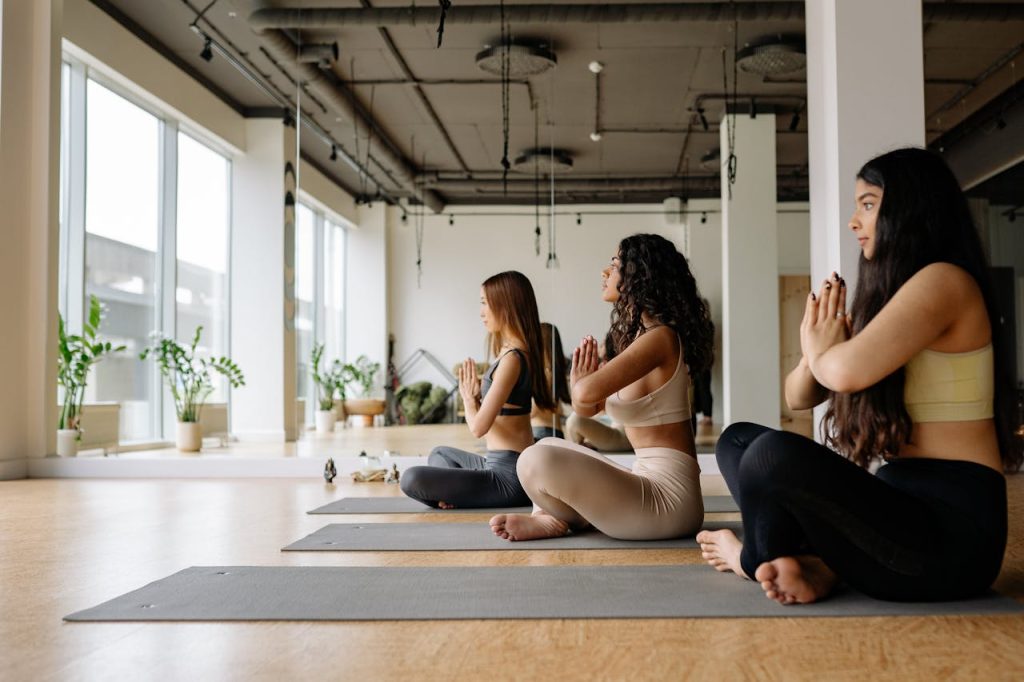
The Mental and Physical Benefits of Meditation
Meditation offers benefits that go far beyond relaxation. Research continues to show how mindfulness practices positively impact both mental and physical health.
Mental Benefits
- Reduced stress and anxiety
- Improved concentration and focus
- Better emotional regulation
- Increased self-awareness
- Enhanced positivity and gratitude
Physical Benefits
- Lower blood pressure
- Improved sleep quality
- Reduced muscle tension
- Better breathing patterns
- Stronger immune response
Consistent practice of the best ways of meditation at home can help create long-term improvements in overall wellness.
10 Effective Ways of Meditation at Home
There is no single “correct” way to meditate. Different techniques work for different individuals. Below are some of the most effective and beginner-friendly ways of meditation at home.
1. Mindfulness Meditation
Mindfulness meditation focuses on being fully present in the moment. You simply observe your thoughts, breathing, and surroundings without judgment.
How to Practice
- Sit comfortably in a quiet space
- Close your eyes.
- Focus on your breathing
- Notice thoughts without reacting to them
- Gently return attention to your breath
This is one of the easiest ways of meditation at home for beginners because it requires no special equipment or experience.
2. Guided Meditation
Guided meditation involves listening to an instructor or audio guide who leads you through relaxation exercises and visualizations.
Benefits
- Great for beginners
- Helps improve focus
- Reduces mental distractions
- Creates structure during practice
Many people use guided meditation apps, videos, or audio recordings to support their daily mindfulness routine.
3. Breathing Meditation
Breathing meditation centers attention on the breath. It is highly effective for stress reduction and calming an overactive mind.
Simple Breathing Exercise
Try the following:
- Inhale slowly for 4 seconds
- Hold for 4 seconds
- Exhale slowly for 6 seconds
- Repeat for 5–10 minutes
Breathing exercises are among the simplest ways of meditation at home because they can be practiced almost anywhere.
4. Loving-Kindness Meditation
Also known as Metta meditation, this practice focuses on compassion and positive emotions.
How It Works
You silently repeat phrases such as the following:
- “May I be happy?”
- “May I be healthy?”
- “May others be safe.”
- “May all people find peace.”
This form of meditation helps reduce anger, resentment, and emotional stress.
5. Body Scan Meditation
Body scan meditation increases awareness of physical sensations and tension throughout the body.
Steps
- Lie down comfortably
- Focus attention on each body part
- Slowly move from head to toe
- Release tension as you breathe
This technique is excellent for relaxation before bedtime.
6. Walking Meditation
Meditation does not always require sitting still. Walking meditation combines mindfulness with gentle movement.
Tips for Walking Meditation
- Walk slowly and naturally
- Focus on each step
- Notice your breathing
- Observe sounds and surroundings
Walking meditation is one of the most flexible ways of meditation at home, especially if you have a garden, balcony, or quiet room.
7. Mantra Meditation
Mantra meditation involves repeating a calming word or phrase during meditation.
Popular mantras include the following:
- “Peace”
- “Calm”
- “I am present.”
- “Om”
Repeating a mantra helps quiet mental distractions and improve concentration.
8. Visualization Meditation
Visualization meditation uses mental imagery to create feelings of calm and positivity.
Examples
You may imagine:
- A peaceful beach
- A forest trail
- Gentle waves
- Soft sunlight
Visualization is one of the most creative ways of meditation at home because it engages the imagination while promoting relaxation.
9. Gratitude Meditation
This meditation focuses on appreciation and positive thinking.
Practice Ideas
Reflect on:
- Family and friendships
- Health and opportunities
- Personal achievements
- Simple daily joys
Practicing gratitude regularly can improve emotional resilience and happiness.
10. Silent Meditation
Silent meditation removes all distractions and allows you to simply sit in stillness.
Although it may feel challenging at first, silence often creates deep mental clarity and self-awareness over time.
Among the many ways of meditation at home, silent meditation can become one of the most transformative practices once consistency develops.
How to Create the Perfect Meditation Space at Home
Your meditation environment can strongly influence your experience.
Tips for a Peaceful Meditation Space
- Choose a quiet area
- Keep the space clean and uncluttered.
- Use soft lighting
- Add comfortable cushions or mats
- Consider candles or calming scents
- Minimize phone and screen distractions
You do not need a large room or expensive decorations. Even a small peaceful corner can support effective meditation practice.
How Long Should You Meditate?
Many beginners worry about meditation duration. The truth is consistency matters more than length.
Recommended Starting Times
- Beginners: 5–10 minutes daily
- Intermediate: 15–20 minutes
- Advanced practitioners: 30+ minutes
Short daily sessions are often more beneficial than occasional long sessions.
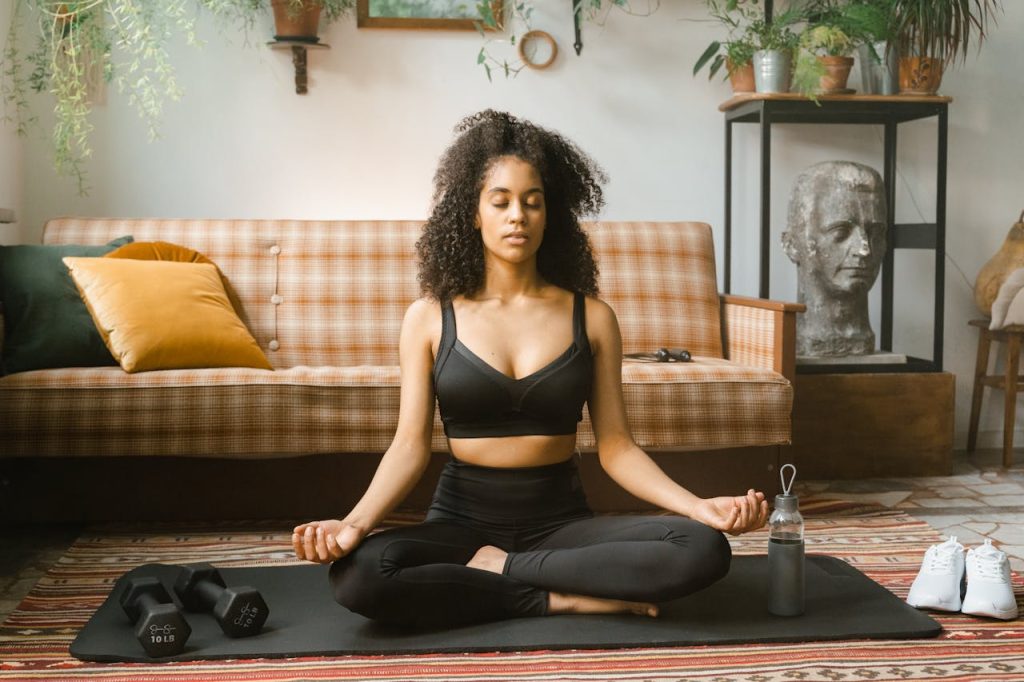
Common Meditation Mistakes to Avoid
While exploring different ways of meditation at home, avoid these common mistakes:
Expecting Instant Results
Meditation is a skill that improves gradually over time.
Trying Too Hard to Stop Thoughts
The goal is not to eliminate thoughts completely but to observe them calmly.
Being Inconsistent
Regular practice creates lasting benefits.
Comparing Yourself to Others
Everyone experiences meditation differently.
Tips for Building a Daily Meditation Habit
Creating a consistent habit is one of the biggest keys to success.
Helpful Strategies
- Meditate at the same time each day
- Start with small sessions
- Use guided meditation support
- Keep a mindfulness journal
- Be patient with yourself.
The more regularly you practice different ways of meditation at home, the easier meditation becomes.
Why More People Are Choosing Home Meditation
Home meditation has become increasingly popular because it provides accessibility and flexibility in today’s busy world. People are recognizing that mindfulness does not require complicated rituals. It simply requires intentional moments of awareness and calm.
At Mindfulness Meditation Hub, we believe meditation should feel approachable, supportive, and practical for everyone. Our goal is to help individuals create sustainable mindfulness practices that improve daily life and emotional well-being.
Final Thoughts
Learning effective ways of meditation at home can become one of the most valuable investments you make in your mental and emotional health. Whether you choose mindfulness meditation, breathing exercises, visualization, or gratitude practices, the important step is simply beginning.
Meditation does not require perfection. It requires consistency, patience, and self-awareness. By dedicating even a few minutes each day to mindfulness, you can reduce stress, improve focus, and create a stronger sense of peace in your everyday life.
FAQ for Ways of Meditation at Home
What are the best ways of meditation at home for beginners?
Beginners often start with mindfulness meditation, guided meditation, and breathing exercises because they are simple, calming, and easy to practice without experience.
How long should I meditate at home each day?
Most beginners can start with 5 to 10 minutes daily and gradually increase their meditation time as they become more comfortable.
Can meditation really reduce stress and anxiety?
Yes, regular meditation helps calm the nervous system, reduce stress hormones, and improve emotional balance over time.
Do I need special equipment for meditation at home?
No, you only need a quiet and comfortable space. Some people like using cushions, candles, or calming music, but they are optional.
What is the easiest meditation technique to learn?
Breathing meditation is considered one of the easiest techniques because it simply focuses attention on slow, mindful breathing.
Is it better to meditate in the morning or at night?
Both are beneficial. Morning meditation helps improve focus and positivity, while nighttime meditation can help with relaxation and sleep.
Can I meditate lying down?
Yes, especially during body scan meditation or relaxation meditation. However, sitting upright may help you stay more focused.
How do I stay focused during meditation?
Focus on your breathing or a calming phrase. If your mind wanders, gently bring your attention back without frustration.
What are the mental health benefits of meditation?
Meditation may improve focus, emotional awareness, stress management, patience, and overall mental well-being.
Are guided meditations effective?
Yes, guided meditations are very effective for beginners because they provide structure and help reduce distractions.
How quickly can I see results from meditation?
Some people feel calmer after one session, while long-term benefits usually develop after several weeks of regular practice.
Can meditation improve sleep quality?
Yes, meditation helps relax the body and mind, making it easier to fall asleep and improve overall sleep quality.
What should I do if I cannot stop thinking during meditation?
It is normal to have thoughts during meditation. The goal is not to stop thinking completely but to observe thoughts calmly and return focus gently.
Is meditation connected to religion?
Meditation can be spiritual for some people, but many practice it simply for mental clarity, stress relief, and emotional wellness.
Why are more people practicing ways of meditation at home?
Home meditation is convenient, flexible, affordable, and allows people to practice mindfulness comfortably in their own environment.
Related Topics
- How to Practice Meditation: A Step-by-Step Guide for Beginners
- How Do I Start to Meditate? A Complete Beginner’s Guide
- What Do You Do When You Meditate? A Complete Guide
- How to Meditate Daily: A Simple Guide to Building a Lifelong
- Meditation Techniques for Anxiety | Calm Your Mind Naturally
- How to Meditate Effectively: A Step-by-Step Guide for Beginners
- Best Way to Meditate: A Complete Guide for Beginners and Experts
- Mind Success: Unlock Your Full Potential with Proven Techniques
- Stress Meditation: How Mindfulness Helps Reduce Stress
- What Do You Do When You Meditate? A Complete Guide
- Breathing Meditation Techniques for Beginners: A Complete Guide
- How to Meditate Daily: A Simple Guide to Building a Lifelong
- Grief Meditation: A Healing Practice for Emotional Recovery
- 5 Minute Meditation Scripts: Quick & Effective Guided Meditation
- Meditating at Home: Guide to Finding Peace and Balance
- Meditation and Sounds: Boost Mindfulness & Relaxation