
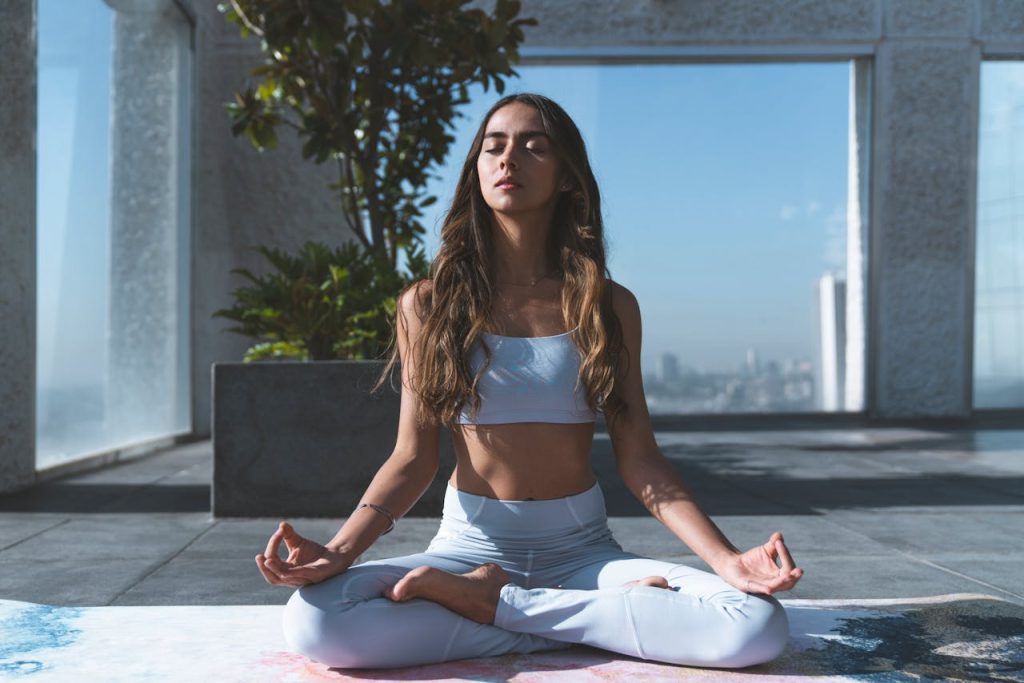
Wondering what you do when meditating? Learn step-by-step meditation techniques, common mistakes, benefits, and how to build a lasting mindfulness practice.
Overview
Meditation is often described as simple—but not always easy. If you’ve ever sat down, closed your eyes, and thought, “Okay… what do I actually do now?” you’re not alone. One of the most common questions beginners (and even experienced practitioners) ask is, “What do you do when meditating?”
At Mindfulness Meditation Hub, we guide thousands of people through meditation every day, and this exact question comes up again and again. Meditation isn’t about doing nothing, forcing silence, or having a “perfect” experience. It’s about learning how to relate to your thoughts, breath, and awareness in a healthy way.
In this comprehensive guide, we’ll break it all down in a clear, approachable, and practical way—so you know exactly what to do when meditating and how to build a sustainable practice.
What Is Meditation, Really?
Before answering what you do when meditating, it’s important to understand what meditation actually is.
Meditation is a mental and emotional training practice that helps you develop awareness, focus, and presence. It teaches you to observe your thoughts, feelings, and sensations without judgment.
Contrary to popular belief:
- Meditation is not about stopping thoughts.
- Meditation is not about forcing relaxation.
- Meditation is not about achieving a blank mind.
Instead, meditation is about noticing what’s happening in your mind and body—and learning how to respond with awareness rather than reaction.
What Do You Do When Meditating? (Step-by-Step)
Let’s get practical. Here’s what you actually do when meditating.
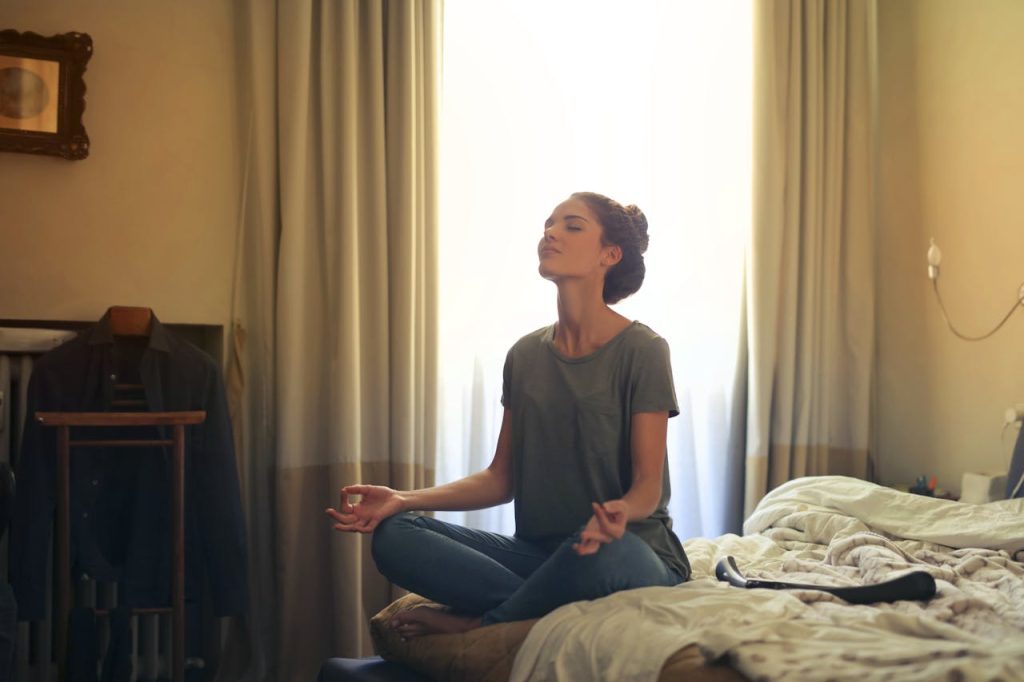
Step 1: Find a Comfortable Position
You don’t need to sit cross-legged on the floor unless that’s comfortable for you.
You can meditate:
- Sitting in a chair with feet flat on the floor
- Sitting on a cushion or mat
- Lying down (as long as you don’t fall asleep)
Key tip: Keep your spine gently upright and your body relaxed.
Step 2: Bring Attention to Your Breath
Once you’re settled, gently bring your attention to your breathing.
You’re not trying to change it. Just notice:
- The sensation of air entering and leaving your nose
- The rise and fall of your chest or belly
- The rhythm of each inhale and exhale
This is one of the most important answers to What do you do when meditating?”—you observe your breath as an anchor for your awareness.
Step 3: Notice Thoughts Without Judgment
Here’s where many people think they’re “doing it wrong.”
Thoughts will come. That’s normal.
When a thought arises:
- Notice it
- Don’t analyze it.
- Don’t push it away.
- Gently return your attention to your breath.
This process—noticing and returning—is meditation.
Step 4: Observe Sensations and Emotions
As you meditate, you may notice:
- Body sensations (tightness, warmth, tingling)
- Emotions (calm, boredom, restlessness, anxiety)
Instead of reacting, simply observe them with curiosity.
This teaches emotional regulation and mindfulness in daily life.
Step 5: End Gently and Intentionally
When your meditation session ends:
- Take a few deep breaths.
- Gently open your eyes.
- Notice how you feel
- Carry that awareness into your day.
Meditation doesn’t end when you stand up—it influences how you live.
Why Thoughts Aren’t the Enemy in Meditation
A major misconception around what you do when meditating is believing that thoughts should disappear.
In reality:
- Thoughts are a natural function of the brain.
- Meditation trains your relationship to thoughts.
- Awareness grows through noticing, not suppressing.
Each time you return to your breath, you strengthen focus and presence—just like a mental muscle.
Different Types of Meditation (And What You Do in Each)
Not all meditation looks the same. Here are some popular styles and what you do when meditating in each one.
Mindfulness Meditation
- Focus on breath or present-moment sensations
- Observe thoughts as they arise.
- Return to awareness repeatedly
Best for stress relief and emotional balance.
Breath Awareness Meditation
- Attention stays solely on breathing
- Count breaths or notice sensations
- Ideal for beginners
Loving-Kindness Meditation
- Silently repeat phrases of kindness
- Cultivate compassion for yourself and others.
- Helpful for emotional healing
Guided Meditation
- Follow verbal instructions from a teacher
- Visualization, body scan, or breath cues
- Perfect if you’re unsure what to do when meditating
At Mindfulness Meditation Hub, we offer guided meditations that support all these styles.
Common Meditation Mistakes to Avoid
If you’re asking what you do when meditating, you may also be unknowingly doing too much.
Avoid these common mistakes:
- Trying to stop thoughts
- Judging yourself for “bad” sessions
- Expecting instant calm or bliss
- Sitting too long too soon
- Skipping consistency
Meditation works through gentle repetition, not force.
How Long Should You Meditate?
There’s no single right answer, but here’s a helpful guideline:
- Beginners: 5–10 minutes daily
- Intermediate: 10–20 minutes
- Advanced: 20–45 minutes
Consistency matters far more than duration.
How Often Should You Meditate?
Daily practice—even for a few minutes—creates lasting change.
Benefits of regular meditation include:
- Reduced stress and anxiety
- Improved focus and clarity
- Emotional resilience
- Better sleep
- Increased self-awareness
Why Guided Meditation Helps So Many People
If you still wonder what you do when meditating, guided meditation may be the best place to start.
Guided sessions:
- Remove confusion
- Provide structure
- Help you stay present
- Support beginners and experienced meditators alike
At Mindfulness Meditation Hub, we offer free guided meditations led by experienced teachers to help you build confidence and consistency.
Bringing Meditation Into Daily Life
Meditation doesn’t stop on the cushion.
You can practice mindfulness by:
- Noticing your breath during stressful moments
- Listening fully in conversations
- Eating with awareness
- Pausing before reacting emotionally
This is where meditation truly transforms your life.
Final Thoughts: What Do You Do When Meditating?
So, what do you do when meditating?
You:
- Sit comfortably
- Observe your breath
- Notice thoughts without judgment.
- Return to awareness again and again
That’s it. Simple, human, and powerful.
Meditation isn’t about perfection—it’s about presence. With practice, patience, and guidance, meditation becomes a lifelong tool for clarity, calm, and connection.
If you’re ready to deepen your practice, explore the guided meditations available at Mindfulness Meditation Hub and start building a meditation routine that truly supports your well-being.
FAQs for What Do You Do When Meditating
What do you do when meditating for the first time?
When meditating for the first time, you simply sit comfortably, focus on your breathing, and gently observe your thoughts without trying to change or stop them.
What should I focus on while meditating?
Most people focus on their breath, body sensations, or a guided voice. The goal is to keep your attention anchored in the present moment.
Is it normal for my mind to wander during meditation?
Yes, mind-wandering is completely normal. Each time you notice it and return your focus, you are actively practicing meditation.
How long should a beginner meditate each day?
Beginners can start with 5–10 minutes per day and gradually increase the duration as their comfort and focus improve.
Do I need to sit on the floor to meditate properly?
No, you can meditate in a chair, on a cushion, or even lying down, as long as your posture is comfortable and supportive.
What do you do when meditating if you feel restless?
If restlessness arises, simply notice the sensation without judgment and gently return your focus to your breath or the guided instructions.
Can I meditate with my eyes open or closed?
Both are acceptable. Most people prefer eyes closed, but eyes-open meditation can also be effective if it helps you stay alert.
What should I do if I feel sleepy while meditating?
Try sitting more upright, opening your eyes slightly, or meditating earlier in the day when you’re more alert.
Is guided meditation better for beginners?
Yes, guided meditation is often ideal for beginners because it provides clear instructions and structure throughout the session.
How do I know if I’m meditating correctly?
If you’re showing up, observing your experience, and returning your attention when it wanders, you are meditating correctly.
What do you do when meditating with intrusive thoughts?
Acknowledge intrusive thoughts without engaging them, then gently bring your awareness back to your breath or anchor point.
Can meditation help with stress and anxiety?
Yes, regular meditation can help reduce stress, calm the nervous system, and improve emotional resilience over time.
How often should I meditate to see results?
Daily practice, even for a few minutes, is more effective than longer, irregular sessions.
What is the best time of day to meditate?
The best time is when you can be consistent—many people prefer morning or evening, but any time works.
What do you do after finishing a meditation session?
After meditating, take a moment to notice how you feel and carry that awareness into your daily activities.
Related Topics
- How to Practice Meditation: A Step-by-Step Guide for Beginners
- How Do I Start to Meditate? A Complete Beginner’s Guide
- What Do You Do When You Meditate? A Complete Guide
- How to Meditate Daily: A Simple Guide to Building a Lifelong
- Meditation Techniques for Anxiety | Calm Your Mind Naturally
- How to Meditate Effectively: A Step-by-Step Guide for Beginners
- Best Way to Meditate: A Complete Guide for Beginners and Experts
- Mind Success: Unlock Your Full Potential with Proven Techniques
- Stress Meditation: How Mindfulness Helps Reduce Stress
- What Do You Do When You Meditate? A Complete Guide
- Breathing Meditation Techniques for Beginners: A Complete Guide
- How to Meditate Daily: A Simple Guide to Building a Lifelong
- Grief Meditation: A Healing Practice for Emotional Recovery
- 5 Minute Meditation Scripts: Quick & Effective Guided Meditation
- Meditating at Home: Guide to Finding Peace and Balance
- Meditation and Sounds: Boost Mindfulness & Relaxation