
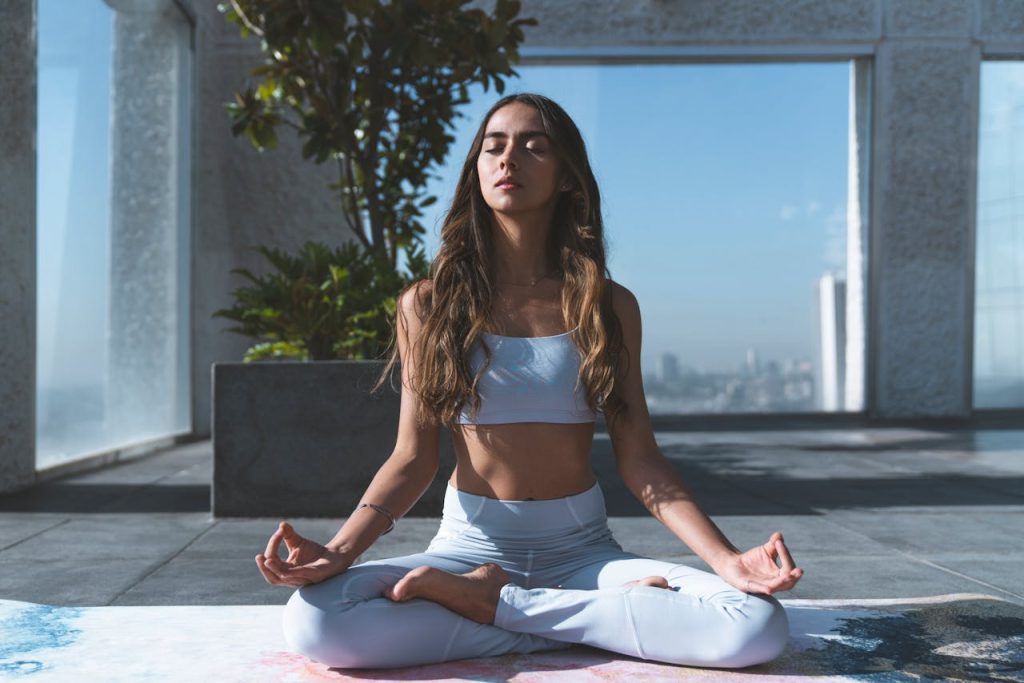
Discover what meditation is, its benefits for mental and physical health, popular techniques, and how to start your mindfulness practice today. Perfect for beginners and experienced meditators.
Overview
Meditation is a centuries-old practice that involves training the mind to focus, gain clarity, and achieve a state of calm awareness. Although it has roots in spiritual traditions, meditation is now widely practiced for its health and wellness benefits.
At its core, meditation is about being present in the moment, observing thoughts without judgment, and cultivating inner peace. Unlike passive relaxation, meditation actively engages the mind to develop mental clarity, emotional balance, and resilience.
The Purpose of Meditation
The purpose of meditation can vary depending on individual goals, such as
- Reducing stress and anxiety
- Improving concentration and focus
- Enhancing emotional well-being
- Promoting spiritual growth
- Supporting physical health
No matter the reason, meditation offers a pathway to greater self-awareness and inner calm.
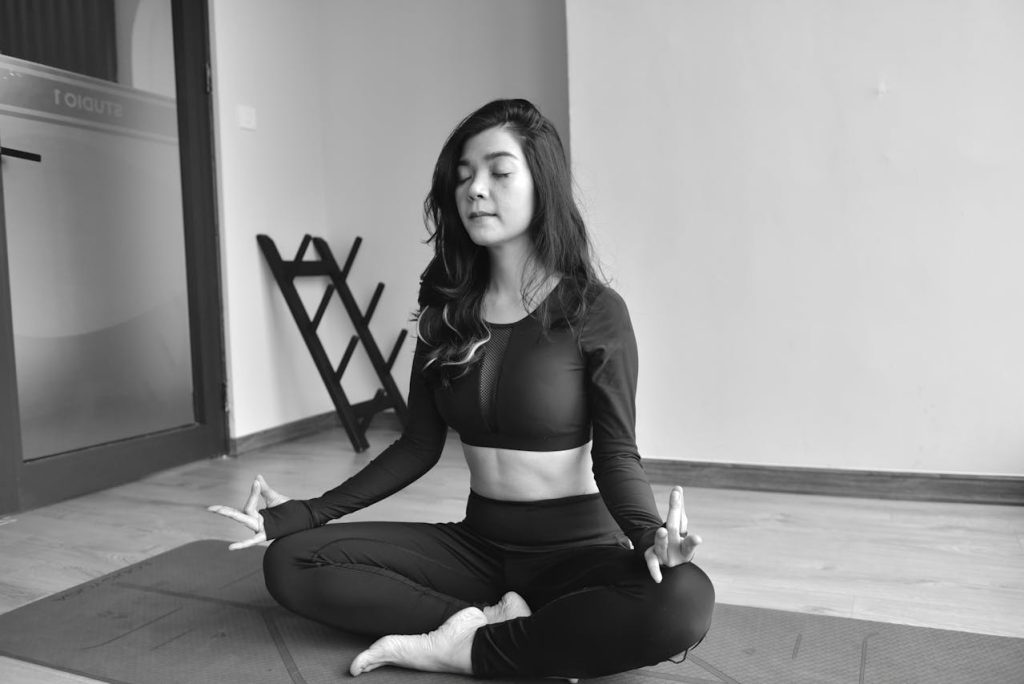
Benefits of Meditation
Understanding what meditation can do for you may motivate you to start a practice. Here are some scientifically supported benefits:
Mental Health Benefits
- Reduces Stress: Meditation activates the parasympathetic nervous system, helping lower cortisol levels.
- Improves Focus: Mindfulness meditation enhances attention span and cognitive flexibility.
- Decreases Anxiety and Depression: Regular practice can alleviate symptoms of anxiety and depression.
Physical Health Benefits
- Lowers Blood Pressure: Meditation promotes relaxation, which can reduce hypertension.
- Enhances Sleep Quality: Techniques like guided meditation help improve sleep patterns.
- Supports Immune Function: Meditation has been linked to improved immune response.
Emotional and Social Benefits
- Enhances Emotional Intelligence: Helps you respond rather than react to situations.
- Increases Compassion and Empathy: Loving-kindness meditation fosters positive social interactions.
- Boosts Resilience: Regular practice strengthens coping mechanisms in stressful situations.
Popular Types of Meditation
There are many types of meditation, each with its unique approach. Understanding these can help you choose the best one for your needs.
Mindfulness Meditation
- Focuses on observing thoughts and sensations without judgment.
- Commonly practiced through breath awareness and body scans.
Guided Meditation
- Involves following instructions from a teacher or an audio guide.
- Often used for relaxation, stress reduction, or personal growth.
Loving-Kindness Meditation (Metta)
- Cultivates feelings of love, kindness, and compassion toward self and others.
- Helps improve relationships and emotional resilience.
Transcendental Meditation
- Uses mantras or repeated phrases to achieve a deep state of relaxation.
- Promotes mental clarity and reduces anxiety.
Zen Meditation (Zazen)
- Traditional form of seated meditation rooted in Zen Buddhism.
- Emphasizes posture, breathing, and mindfulness of the present moment.
Movement Meditation
- Includes practices like yoga, tai chi, or walking meditation.
- Combines physical movement with mindful awareness.
How to Meditate: A Step-by-Step Guide
Knowing what meditation is is one thing, but starting a practice can seem challenging. Here’s a simple guide for beginners:
- Find a Quiet Space
Choose a calm, comfortable environment where you won’t be disturbed. - Get Comfortable
Sit or lie down in a relaxed position. You can use a cushion or chair for support. - Focus on Your Breath
Pay attention to your inhale and exhale. If your mind wanders, gently return your focus to breathing. - Observe Your Thoughts
Instead of trying to stop thoughts, notice them without judgment and let them pass. - Start Small
Begin with 5–10 minutes daily, gradually increasing as you become more comfortable. - Use Guided Sessions
Beginners often benefit from apps, audio recordings, or online guided meditations to stay focused.
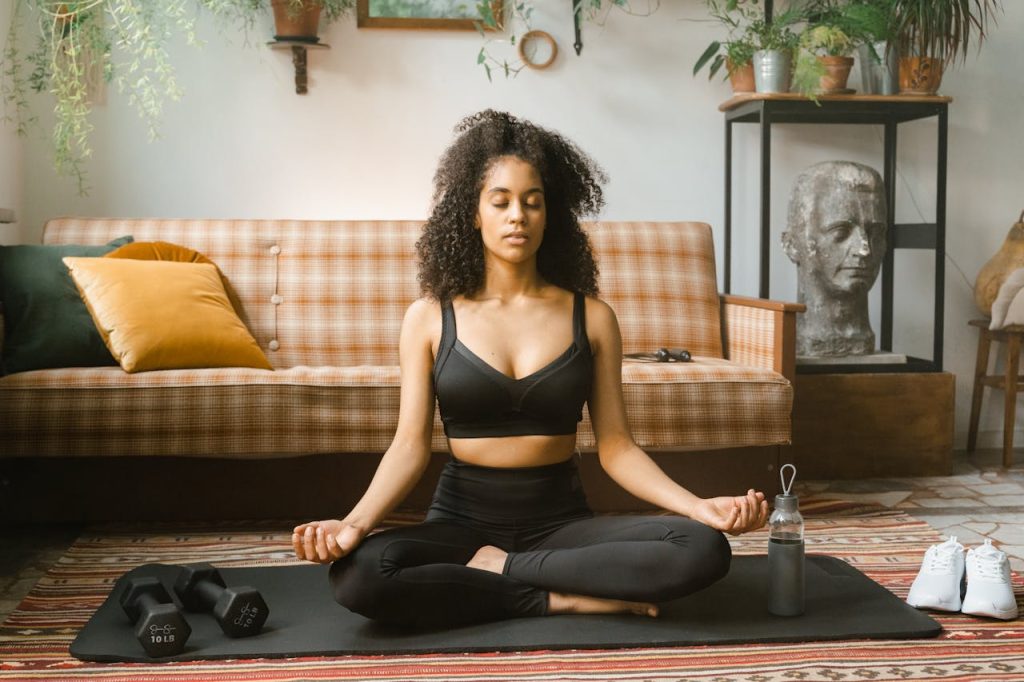
Tips for a Successful Meditation Practice
To maximize the benefits of meditation, keep these tips in mind:
- Consistency is key: Practice daily, even for a few minutes.
- Be patient: Meditation is a skill that improves over time.
- Avoid judgment: Accept your experience as it is, without labeling it “good” or “bad.”
- Create a routine: Meditate at the same time each day to build a habit.
- Combine with mindfulness: Integrate awareness into daily activities like eating, walking, or working.
Common Myths About Meditation
Many beginners wonder what meditation really is and have misconceptions:
- Myth 1: Meditation is about emptying your mind.
Truth: Meditation is about observing your thoughts without judgment, not suppressing them. - Myth 2: You need to sit for hours.
Truth: Even 5–10 minutes daily can provide benefits. - Myth 3: Meditation is only for spiritual people.
Truth: Anyone can meditate, regardless of belief system or background.
How Mindfulness Meditation Hub Can Help
At Mindfulness Meditation Hub, we offer a comprehensive library of guided meditations for beginners and advanced practitioners. Whether you want to:
- Reduce stress
- Improve sleep
- Enhance focus
- Practice loving-kindness
…we have sessions tailored to your needs, with thousands of teachers and live classes available anytime.
Our platform ensures that learning what meditation is becomes accessible, enjoyable, and effective for everyone.
Final Thought
Understanding what meditation is is the first step toward a calmer, healthier, and more mindful life. By incorporating meditation into your daily routine, you can enjoy mental clarity, emotional balance, and physical well-being.
Remember: the journey of meditation is personal and unique. Start small, stay consistent, and explore different techniques until you find the practice that works best for you.
At Mindfulness Meditation Hub, we make it easy to start your meditation journey today, offering guidance, resources, and support for every step.
FAQs for What is Meditation
What is meditation and why is it important?
Meditation is a practice of focusing your mind and cultivating awareness. It is important because it reduces stress, improves mental clarity, and enhances overall well-being.
How long should I meditate as a beginner?
Beginners can start with 5–10 minutes daily and gradually increase to 20–30 minutes as they get more comfortable with the practice.
What are the different types of meditation?
Some popular types include mindfulness meditation, guided meditation, loving-kindness meditation, transcendental meditation, Zen meditation, and movement meditation like yoga or tai chi.
Can meditation help reduce stress and anxiety?
Yes. Meditation activates the parasympathetic nervous system, helping lower stress hormones and reduce anxiety over time.
Do I need a quiet place to meditate?
While a quiet place helps minimize distractions, meditation can also be practiced in noisy environments using headphones, guided sessions, or focusing techniques.
What is mindfulness meditation?
Mindfulness meditation involves observing thoughts and sensations without judgment, staying present in the moment, and cultivating awareness of your mind and body.
Can meditation improve sleep?
Yes, meditation can improve sleep quality by calming the mind, reducing racing thoughts, and promoting relaxation before bedtime.
Is meditation only for spiritual people?
No. Meditation is for everyone, regardless of spiritual beliefs. It is a mental and physical wellness practice accessible to all.
How often should I meditate?
Daily meditation is recommended for the best results. Even short sessions of 5–10 minutes can provide benefits if practiced consistently.
Can meditation help with focus and productivity?
Yes. Meditation improves attention span, concentration, and mental clarity, which can enhance productivity in both personal and professional life.
What is guided meditation?
Guided meditation is a practice where a teacher or audio guide leads you through meditation, often helping you focus on relaxation, mindfulness, or specific goals.
Can children practice meditation?
Absolutely. Children can benefit from meditation through improved focus, emotional regulation, and stress reduction, using age-appropriate techniques.
How do I know if I am meditating correctly?
There is no “wrong” way to meditate. Focus on observing your thoughts and breathing, and gently return to your focus whenever your mind wanders.
Are there health benefits to meditation?
Yes. Meditation can reduce stress, lower blood pressure, enhance sleep, boost immune function, and improve emotional well-being.
How do I stay motivated to meditate daily?
Set a consistent routine, start small, track your progress, and use guided meditations or apps to make meditation a habit.
Related Topics
- How to Practice Meditation: A Step-by-Step Guide for Beginners
- How Do I Start to Meditate? A Complete Beginner’s Guide
- What Do You Do When You Meditate? A Complete Guide
- How to Meditate Daily: A Simple Guide to Building a Lifelong
- Meditation Techniques for Anxiety | Calm Your Mind Naturally
- How to Meditate Effectively: A Step-by-Step Guide for Beginners
- Best Way to Meditate: A Complete Guide for Beginners and Experts
- Mind Success: Unlock Your Full Potential with Proven Techniques
- Stress Meditation: How Mindfulness Helps Reduce Stress
- What Do You Do When You Meditate? A Complete Guide
- Breathing Meditation Techniques for Beginners: A Complete Guide
- How to Meditate Daily: A Simple Guide to Building a Lifelong
- Grief Meditation: A Healing Practice for Emotional Recovery
- 5 Minute Meditation Scripts: Quick & Effective Guided Meditation
- Meditating at Home: Guide to Finding Peace and Balance
- Meditation and Sounds: Boost Mindfulness & Relaxation