
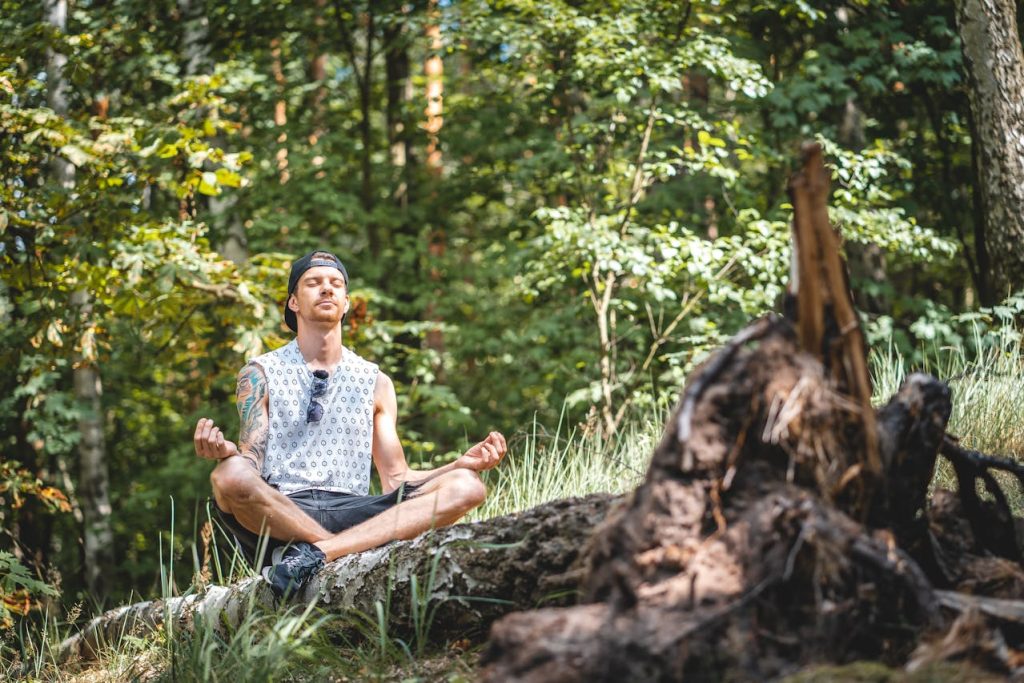
Discover what meditation is and how to do it step by step. Learn proven techniques, benefits, and tips to start your meditation journey today.
Overview
If you’ve ever wondered what meditation is and how you do it, you’re not alone. Meditation has become one of the most powerful tools for improving mental clarity, reducing stress, and enhancing overall well-being.
In this comprehensive guide, you will learn:
- The true meaning of meditation
- The science-backed benefits of meditation
- Step-by-step instructions on how to meditate
- Different types of meditation techniques
- Common beginner mistakes and how to avoid them
- Practical tips to build a consistent meditation habit
By the end of this article, you’ll have everything you need to confidently start your meditation journey.
What Is Meditation?
At its core, meditation is a practice that involves training your mind to focus and redirect your thoughts. It’s about becoming more aware of the present moment without judgment.
When people ask, What is meditation and how do you do it?, the simplest answer is
Meditation is the practice of focusing your attention to achieve mental clarity, emotional calmness, and inner peace.
It doesn’t require any special equipment, beliefs, or experience—just a willingness to slow down and be present.
Why Meditation Matters in Modern Life
In today’s fast-paced world, stress, anxiety, and constant distractions are common. Meditation provides a way to reset your mind and regain control.
Key Benefits of Meditation
- Reduces stress and anxiety
- Improves focus and concentration
- Enhances emotional well-being
- Promotes better sleep
- Increases self-awareness
- Supports overall mental health
Understanding what meditation is and how you do it can be a life-changing step toward a healthier, more balanced lifestyle.
How Do You Do Meditation? (Step-by-Step Guide)
If you’re new and asking, What is meditation and how do you do it?, follow these simple steps to get started:
1. Find a Quiet Space
Choose a calm and quiet environment where you won’t be disturbed.
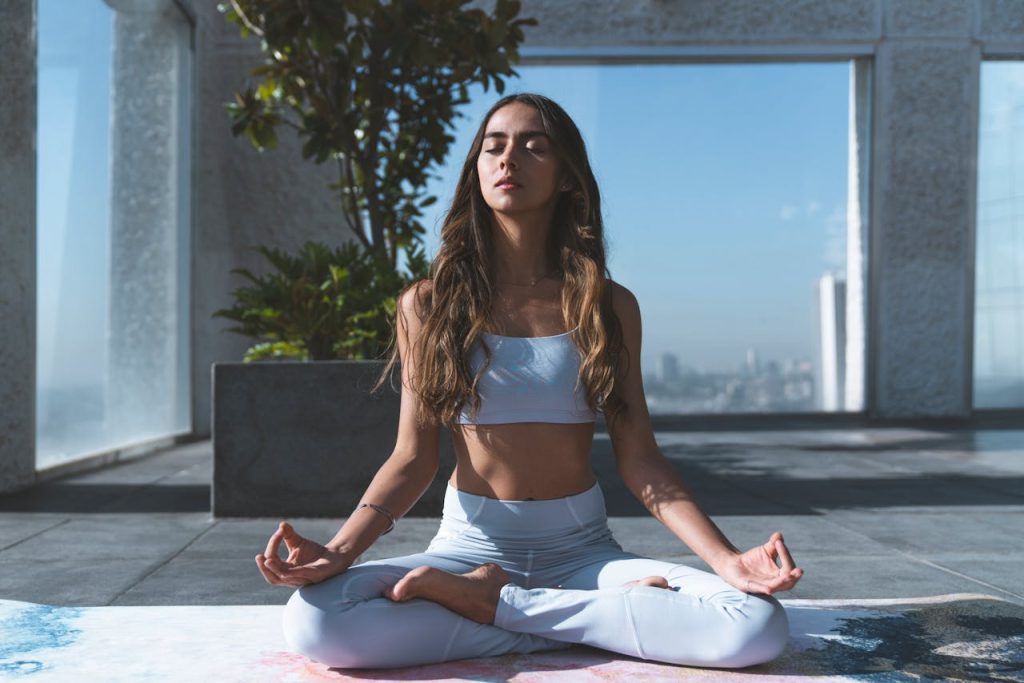
2. Sit Comfortably
- Sit on a chair or cushion
- Keep your back straight but relaxed.
- Rest your hands on your knees or lap.
3. Focus on Your Breath
- Inhale slowly through your nose.
- Exhale gently through your mouth.
- Pay attention to each breath
4. Notice Your Thoughts
Your mind will wander—that’s normal. When it does:
- Gently bring your focus back to your breath.
- Avoid judging yourself.
5. Start Small
Begin with:
- 5–10 minutes daily
- Gradually increase to 15–20 minutes
6. End Gently
Slowly open your eyes and take a moment before returning to your day.
This simple routine answers the question: What is meditation, and how do you do it in the most practical way possible?
Different Types of Meditation
There isn’t just one way to meditate. Exploring different styles can help you find what works best for you.
1. Mindfulness Meditation
- Focuses on being present in the moment
- Observes thoughts without judgment
2. Breathing Meditation
- Centers attention on breathing patterns
- Great for beginners
3. Guided Meditation
- Led by an instructor or audio
- Ideal for those who need direction
4. Loving-Kindness Meditation
- Focuses on compassion and positive emotions
- Improves relationships and empathy
5. Body Scan Meditation
- Brings awareness to different parts of the body
- Helps release tension
No matter which type you choose, the foundation remains the same when learning what meditation is and how you do it.
Common Meditation Mistakes Beginners Make
Starting meditation can feel challenging. Here are some common mistakes to avoid:
- Expecting instant results
- Trying to “stop thinking” completely
- Being too hard on yourself
- Skipping consistency
- Practicing in a distracting environment
Remember, meditation is a skill. The more you practice, the easier it becomes.
How Long Should You Meditate?
A common question related to what meditation is and how you do it is about duration.
Recommended Meditation Time:
- Beginners: 5–10 minutes daily
- Intermediate: 15–20 minutes
- Advanced: 30+ minutes
Consistency matters more than duration. Even a few minutes daily can make a big difference.
How to Build a Daily Meditation Habit
Creating a habit is key to experiencing the full benefits of meditation.
Simple Tips to Stay Consistent:
- Meditate at the same time each day
- Choose a dedicated meditation space
- Use guided meditation apps if needed
- Set realistic goals
- Track your progress
When you consistently practice, the question of what meditation is and how you do it becomes second nature.
What Happens When You Meditate Regularly?
With regular practice, you may notice:
- A calmer and clearer mind
- Better emotional control
- Reduced stress levels
- Improved focus and productivity
- A deeper sense of inner peace
Meditation isn’t just a habit—it’s a transformation.
Is Meditation Right for Everyone?
Yes. Meditation is accessible to anyone regardless of age, background, or experience.
Whether you’re:
- A busy professional
- A student
- Someone dealing with stress
- Or simply curious
Learning what meditation is and how to do it can benefit your life in countless ways.
Final Thoughts
Understanding what meditation is and how you do it is the first step toward a more peaceful and mindful life.
Meditation doesn’t require perfection—it requires presence. By dedicating just a few minutes each day, you can create lasting changes in your mental, emotional, and physical well-being.
If you’re ready to take control of your mind, reduce stress, and improve your quality of life, meditation is one of the most powerful tools available.
FAQs for What Is Meditation and How Do You Do It
What is meditation and how do you do it for beginners?
Meditation is a simple practice of focusing your mind and being present. Beginners can start by sitting quietly, focusing on their breath, and gently bringing attention back when the mind wanders.
How long should I meditate as a beginner?
Start with 5–10 minutes daily. As you become more comfortable, you can gradually increase your meditation time to 15–20 minutes or more.
Do I need special equipment to meditate?
No, meditation does not require any special equipment. All you need is a quiet space and a few minutes of uninterrupted time.
Can I meditate while lying down?
Yes, you can meditate lying down, but it may increase the chances of falling asleep. Sitting upright is generally recommended for better focus.
What is the best time of day to meditate?
The best time is whenever you can stay consistent. Many people prefer morning meditation to start their day with clarity and calm.
Is it normal for my mind to wander during meditation?
Yes, it’s completely normal. Meditation is about noticing when your mind wanders and gently bringing it back to your focus point.
How do I know if I’m meditating correctly?
If you’re focusing your attention and gently returning when distracted, you’re meditating correctly. There’s no “perfect” way to do it.
What are the main benefits of meditation?
Meditation helps reduce stress, improve focus, enhance emotional well-being, and promote better sleep and overall mental health.
Can meditation help with anxiety and stress?
Yes, meditation is widely known to reduce anxiety and stress by calming the mind and improving emotional regulation.
What is the easiest meditation technique for beginners?
Breathing meditation is the easiest. Simply focus on your inhale and exhale while sitting quietly.
How often should I meditate?
Daily meditation is ideal. Even a few minutes each day can provide noticeable benefits over time.
Can meditation improve sleep quality?
Yes, meditation can help relax your mind and body, making it easier to fall asleep and improve overall sleep quality.
What should I do if I get distracted during meditation?
Gently acknowledge the distraction and return your focus to your breath or chosen point of attention without judgment.
Is guided meditation better for beginners?
Yes, guided meditation can be very helpful for beginners because it provides structure and direction during practice.
How long does it take to see results from meditation?
Some people feel calmer immediately, while long-term benefits typically appear after a few weeks of consistent practice.
Related Topics
- How to Practice Meditation: A Step-by-Step Guide for Beginners
- How Do I Start to Meditate? A Complete Beginner’s Guide
- What Do You Do When You Meditate? A Complete Guide
- How to Meditate Daily: A Simple Guide to Building a Lifelong
- Meditation Techniques for Anxiety | Calm Your Mind Naturally
- How to Meditate Effectively: A Step-by-Step Guide for Beginners
- Best Way to Meditate: A Complete Guide for Beginners and Experts
- Mind Success: Unlock Your Full Potential with Proven Techniques
- Stress Meditation: How Mindfulness Helps Reduce Stress
- What Do You Do When You Meditate? A Complete Guide
- Breathing Meditation Techniques for Beginners: A Complete Guide
- How to Meditate Daily: A Simple Guide to Building a Lifelong
- Grief Meditation: A Healing Practice for Emotional Recovery
- 5 Minute Meditation Scripts: Quick & Effective Guided Meditation
- Meditating at Home: Guide to Finding Peace and Balance
- Meditation and Sounds: Boost Mindfulness & Relaxation