
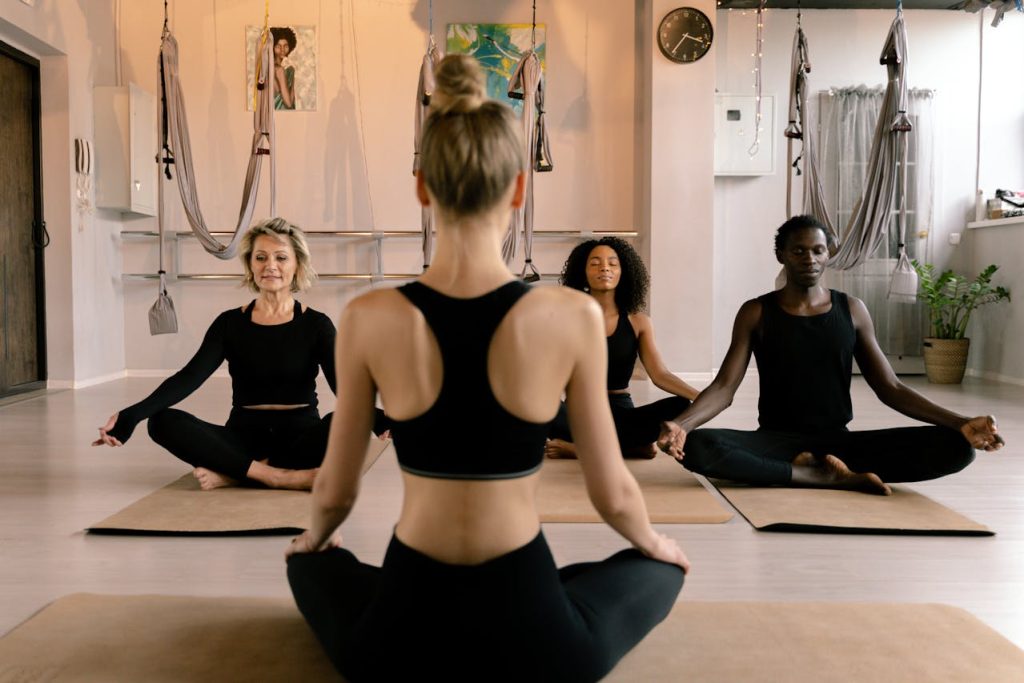
Explore 10 best guided meditation scripts for relaxation, stress relief, better focus, and mindfulness. Find simple practices to bring more calm into daily life.
Meditation does not have to be complicated. You do not need a special room, expensive equipment, or years of experience to enjoy its benefits. Sometimes, all you need is a quiet place, a few uninterrupted minutes, and the right words to guide your attention.
That is where guided meditation becomes especially helpful. Instead of wondering what to think about or how to begin, you can follow a carefully structured meditation script that gives your mind a clear direction. Whether you want to relax after a demanding day, improve your concentration, develop self-compassion, or create a peaceful morning routine, guided meditation offers a practical starting point.
The 10 best guided meditation scripts in this article cover different intentions and experience levels. Each practice includes simple instructions that you can read slowly to yourself, record in your own voice, or ask someone else to read aloud.
At MindfulnessMeditationHub.com, we provide practical resources, exercises, and mindfulness techniques to help you explore meditation and incorporate it into everyday life. Whether you are new to mindfulness or have practiced for years, our goal is to support your personal journey with approachable, useful guidance.
What Is a Guided Meditation Script?
A guided meditation script is a written sequence of instructions designed to lead someone through a meditation practice. It may include breathing exercises, visualization, body awareness, affirmations, or moments of silence.
Unlike unguided meditation, where you independently decide how to direct your attention, a guided practice provides a structure to follow.
For example, a simple script might invite you to:
- Sit comfortably and close your eyes if you wish.
- Notice the natural rhythm of your breathing.
- Relax your shoulders and release unnecessary tension.
- Bring your attention back whenever your thoughts wander.
- Finish by noticing how you feel before returning to your activities.
Guided meditation can be useful for beginners because it removes some of the uncertainty associated with starting a new practice. Experienced meditators can also use scripts to explore different techniques and intentions.
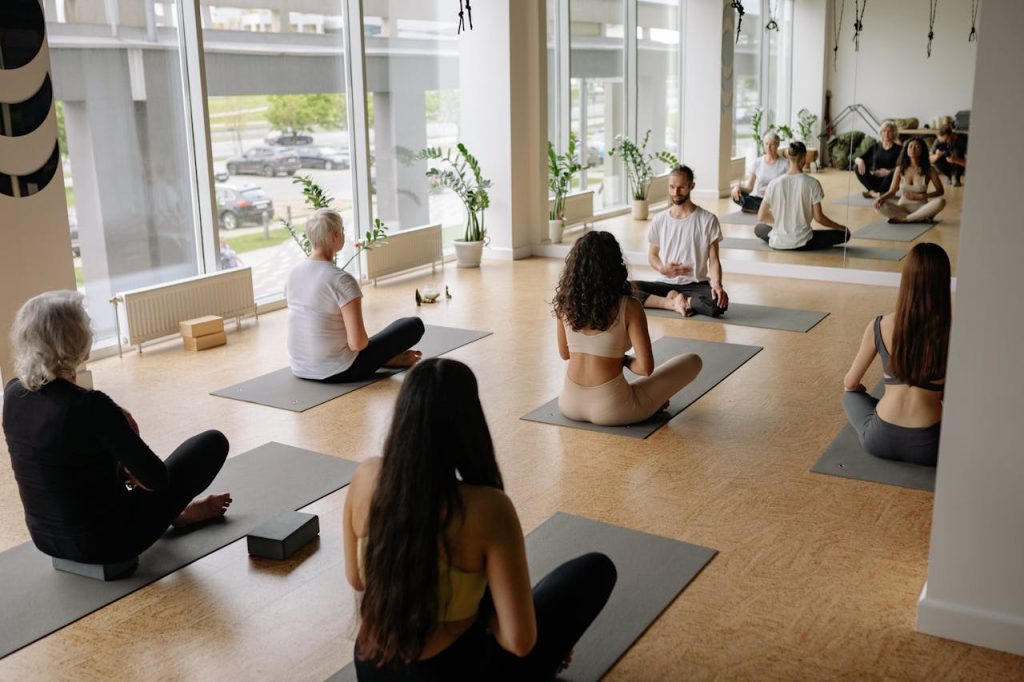
Why Use Guided Meditation?
Meditation scripts offer more than just words to follow. They can help create consistency, encourage awareness, and make it easier to approach meditation with a clear purpose.
Here are some important advantages:
- A structured starting point: You do not have to plan every meditation session yourself.
- Better concentration: Gentle verbal guidance gives your attention something to return to.
- Greater self-awareness: You learn to notice thoughts, emotions, and physical sensations without immediately reacting.
- A flexible routine: You can choose short or longer practices depending on your schedule.
- Different meditation experiences: You can explore relaxation, gratitude, visualization, breathing, and self-compassion.
Remember that meditation experiences differ from person to person. It is not necessary to feel completely relaxed or achieve a perfectly quiet mind for a session to be worthwhile.
10 Best Guided Meditation Scripts to Try
The following practices are original, beginner-friendly scripts designed around ten common meditation goals. You can use them as written or personalize the language to make each session feel more natural.
1. Mindful Breathing Meditation Script
Best for beginners Duration: 5 minutes
Mindful breathing is one of the simplest ways to begin meditation. It encourages you to pay attention to your natural breathing pattern without trying to control every breath.
Guided meditation script:
“Find a comfortable position and allow your body to settle. Gently close your eyes or soften your gaze.
Take a slow breath in. Notice the air entering your body. Now breathe out naturally.
Bring your attention to the movement of your chest or abdomen. Notice each inhale and each exhale.
Your thoughts may wander. That is completely normal. Whenever you notice your attention moving elsewhere, gently bring it back to your breathing.
You do not need to change anything. Simply be here, breathing and observing.
Take one final comfortable breath. Slowly open your eyes and return your attention to the room.”
Practice tip: Start with five minutes each morning. If counting helps, count each complete inhale and exhale from one to ten, then begin again.
2. Full Body Scan Meditation Script
Best for body awareness Duration: 10 minutes
A body scan meditation helps you develop awareness of physical sensations. It involves gradually directing your attention through different parts of your body.
Guided meditation script:
“Lie down or sit comfortably. Allow your hands to rest naturally.
Begin by bringing your attention to your feet. Notice any sensations, warmth, coolness, pressure, or movement.
Slowly move your attention toward your ankles, calves, and knees.
Notice your thighs and hips. Allow these areas to rest without forcing them to relax.
Now bring awareness to your stomach, chest, and back. Notice the gentle movement associated with breathing.
Move toward your shoulders, arms, hands, and fingers.
Finally, notice your neck, jaw, forehead, and the muscles around your eyes.
Take a moment to experience your body as a whole. There is nothing you need to fix or change.
When you are ready, gently return your attention to your surroundings.”
Practice tip: Avoid judging sensations as good or bad. If you experience discomfort, adjust your position or move your attention elsewhere.
3. Stress Relief Meditation Script
Best for everyday stress Duration: 7–10 minutes
Stress can make it difficult to focus on the present moment. A gentle relaxation meditation gives you an opportunity to pause, observe your feelings, and create some space before responding to daily challenges.
Guided meditation script:
“Sit somewhere comfortable and allow your shoulders to soften.
Take a gentle breath in and slowly breathe out.
Notice what is happening in your mind right now. Perhaps you are thinking about work, responsibilities, or something that happened earlier.
You do not have to solve everything during this moment.
Imagine placing each worry on a leaf floating along a quiet stream. Watch it move away without trying to hold onto it.
Return your attention to your breathing.
With every comfortable exhale, remind yourself that you can take one moment at a time.
You are allowed to pause. You are allowed to rest.
Take another breath and gently return to the present.”
Practice tip: Try this practice after a busy workday or during a quiet break. If visualization is uncomfortable, simply notice your surroundings and breathing instead.
4. Morning Meditation Script for a Positive Start
Duration: 5–8 minutes
A morning meditation can help you begin the day with greater intention. Instead of immediately checking notifications or thinking about your to-do list, give yourself a few minutes to become present.
Guided meditation script:
“Welcome to a new day.
Find a comfortable seated position and take a gentle breath.
Notice the feeling of being awake. Feel your feet touching the floor and your body supported by the chair.
Think about how you would like to approach today.
Perhaps you want to be patient, focused, kind, or more confident.
Choose one intention that feels meaningful.
Silently repeat: I will approach today with awareness. I will give myself room to learn. I will focus on what I can do, one step at a time.
Take a moment to appreciate this opportunity to begin again.
When you are ready, open your eyes and carry your intention into the day.”
Practice tip: Pair this session with your morning coffee, journaling, or a few minutes of quiet reflection.
5. Sleep Meditation Script for Nighttime Relaxation
Best for bedtime Duration: 10 minutes
Even after a long day, your mind may continue revisiting conversations, unfinished tasks, and tomorrow’s responsibilities. A bedtime meditation creates a gentle transition from activity to rest.
Guided meditation script:
“Settle into a comfortable position in your bed.
Allow your arms and legs to rest naturally.
Notice the surface supporting your body. Feel the weight of your shoulders, back, and legs.
Take a comfortable breath in and slowly breathe out.
Let today’s experiences become part of the past. You do not need to review every detail right now.
Bring your attention to the quiet rhythm of your breathing.
Imagine yourself resting beside a peaceful lake under a soft evening sky. The water is still, and the surroundings are quiet.
With every breath, allow yourself to become more comfortable.
There is nothing you need to accomplish in this moment.
Let your thoughts come and go. Allow yourself to rest.”
Practice tip: Keep your room comfortable, reduce screen exposure before bedtime, and use a soft speaking voice if recording this script.
6. Loving-Kindness Meditation Script for Self-Compassion
Duration: 8–10 minutes
Loving-kindness meditation, also known as Metta meditation, focuses on cultivating goodwill toward yourself and others.
It can be especially meaningful when you are being overly critical of yourself or finding it difficult to approach challenging situations with compassion.
Guided meditation script:
“Sit comfortably and bring your attention to your breathing.
Think about yourself as someone deserving of kindness and understanding.
Silently repeat these words:
May I be happy.
May I be safe.
May I treat myself with kindness.
May I experience peace.
Now bring someone you care about into your thoughts.
Imagine offering that person the same wishes.
May you be happy.
May you be safe.
May you experience peace.
Finally, extend these wishes to other people, including those you may not know personally.
Allow kindness to become the intention you carry beyond this meditation.
Take a comfortable breath and gently return to the present.”
Practice tip: Do not force yourself to feel a particular emotion. The purpose is to practice a kind intention, even when the feelings do not immediately follow.
7. Gratitude Meditation Script for Appreciation
Duration: 5–7 minutes
Gratitude meditation encourages you to notice the experiences, relationships, and ordinary moments that you appreciate.
It does not require you to ignore difficulties. Instead, it creates an opportunity to recognize that challenging experiences and meaningful moments can exist together.
Guided meditation script:
“Find a quiet place and allow yourself to settle.
Take a gentle breath.
Think about one thing you appreciate today. It could be a conversation, a kind gesture, a meal, or simply having a moment to yourself.
Bring that experience into your awareness.
Notice what made it meaningful.
Now think of someone who has positively influenced your life.
Allow yourself to appreciate their presence, support, or kindness.
Finally, recognize something about yourself that you appreciate.
It does not have to be a major achievement. Perhaps you continued trying when something felt difficult.
Take a moment to acknowledge these experiences.
Carry this appreciation into the rest of your day.”
Practice tip: Write down three things you appreciated after completing the session. Over time, this can become a simple gratitude journaling habit.
8. Guided Visualization Meditation Script
Duration: 8–10 minutes
Visualization meditation uses mental imagery to help direct attention toward a peaceful or meaningful scene.
Some people find it easier to imagine a natural environment, such as a beach, forest, mountain, or quiet garden.
Guided meditation script:
“Close your eyes if comfortable and take a slow, natural breath.
Imagine yourself walking along a peaceful beach.
Notice the soft sand beneath your feet. Listen to the gentle sound of waves moving toward the shore.
Feel the warmth of the sunlight and imagine a comfortable breeze passing by.
Take a moment to explore this peaceful setting.
Notice the colors, sounds, and small details around you.
Allow your breathing to remain natural as you enjoy this moment of quiet awareness.
Now imagine slowly walking back toward where you began.
Take one final breath and gently return your attention to your surroundings.”
Practice tip: Choose a scene that feels comfortable and familiar. If you cannot visualize pictures clearly, focus on the sounds, words, or physical sensations associated with the setting.
9. Focus and Concentration Meditation Script
Duration: 5–10 minutes
If you frequently switch between tasks or find it difficult to maintain attention, a concentration meditation may help you practice returning your focus to one chosen object.
Guided meditation script:
“Sit upright in a comfortable position.
Choose one point of attention. It could be your breathing, a gentle sound, or a word you silently repeat.
For this session, focus on your breathing.
Notice the beginning of each inhale and the end of each exhale.
When thoughts appear, recognize them without frustration.
You do not need to follow every thought.
Simply return to your chosen point of attention.
Each time you notice your mind wandering and bring it back, you are practicing attention.
Continue gently.
Take one final breath and notice how you feel.”
Practice tip: Try this exercise before studying, reading, or starting an important task. Consistency matters more than the length of each session.
10. Grounding Meditation Script for Present-Moment Awareness
Duration: 5–7 minutes
Grounding meditation uses your immediate surroundings and sensory experiences as anchors for attention. It is particularly useful when you feel distracted or disconnected from what is happening around you.
Guided meditation script:
“Find a comfortable position and keep your eyes open.
Notice five things you can see around you.
Observe their colors, shapes, and positions.
Now identify four things you can physically feel. Perhaps your feet touching the floor, your hands resting together, or the chair supporting your body.
Listen for three sounds.
Notice two things you can smell, if any are present.
Finally, notice one thing you appreciate about this moment.
Take a comfortable breath.
Look around slowly and recognize where you are.
You are here, in this moment, noticing your surroundings.”
Practice tip: You can adapt this exercise while sitting at your desk, waiting for an appointment, or taking a quiet break. Keep your eyes open throughout.
How to Choose the Right Meditation Script
Not every meditation serves the same purpose. Choosing a practice based on your current needs can make your experience more relevant and enjoyable.
Here is a quick comparison of the ten practices:
| Your goal | Recommended practice | Suggested time |
|---|---|---|
| Start meditating | Mindful breathing | 5 min |
| Develop body awareness | Body scan | 10 min |
| Take a break from daily pressure | Stress relief | 7–10 min |
| Begin the day intentionally | Morning meditation | 5–8 min |
| Prepare for bedtime | Sleep meditation | 10 min |
| Practice self-compassion | Loving-kindness | 8–10 min |
| Appreciate everyday experiences | Gratitude | 5–7 min |
| Explore peaceful imagery | Visualization | 8–10 min |
| Practice concentration | Focus meditation | 5–10 min |
| Reconnect with your surroundings | Grounding | 5–7 min |
If you are unsure where to start, choose mindful breathing. It is simple, flexible, and does not require previous meditation experience.
How to Use the 10 Best Guided Meditation Scripts Effectively
Having a script is a great starting point, but your approach can make a difference in how comfortable and consistent your practice becomes.
Follow these simple steps to get more from each session.
1. Find a Comfortable Environment
Choose a place where you can spend a few uninterrupted minutes. You do not need complete silence, but reducing unnecessary distractions can make it easier to concentrate.
2. Select a Suitable Duration
Start with five minutes if you are new to meditation. Gradually increase your session length as you become more comfortable.
Longer sessions are not automatically better. A short, consistent practice can be more practical than occasionally attempting a lengthy session.
3. Read Slowly and Leave Pauses
If you are reading the script aloud, use a calm, natural voice. Leave a few seconds between instructions so you have time to notice your breathing and physical sensations.
Avoid rushing through the words.
4. Avoid Trying to Control Every Thought
Your mind will naturally produce thoughts during meditation. This does not mean you are doing something incorrectly.
Recognize the distraction, let it pass, and return to your chosen point of attention.
5. Make Meditation a Regular Habit
Choose a time that works with your daily schedule. You might practice after waking up, during a lunch break, or before going to bed.
Consistency helps you become more familiar with the practice.
Common Mistakes to Avoid During Guided Meditation
Even a simple mindfulness practice can feel challenging when you have unrealistic expectations.
Watch out for these common mistakes:
- Expecting immediate results: Meditation is a practice, not an instant solution to every difficult feeling.
- Trying to stop all thoughts: The goal is to notice thoughts without becoming completely absorbed in them.
- Choosing sessions that are too long: Begin with a manageable duration.
- Practicing only when stressed: Meditation can also be part of an ordinary, peaceful day.
- Judging your experience: Some sessions feel peaceful, while others feel distracted. Both are normal experiences.
- Ignoring personal comfort: Change your posture, open your eyes, or stop if a particular practice feels uncomfortable.
The most important thing is to approach meditation with patience and curiosity rather than pressure.
Are Guided Meditation Scripts Suitable for Beginners?
Yes. Guided meditation scripts are particularly useful for beginners because they provide clear instructions throughout the practice.
You do not need to memorize anything or understand complicated meditation techniques.
Start with a breathing meditation, body scan, or simple grounding exercise. These practices offer straightforward ways to develop present-moment awareness.
As your confidence grows, you can experiment with visualization, loving-kindness, and other mindfulness techniques.
If a practice causes significant discomfort or increases distress, stop and consider seeking guidance from a qualified professional. Meditation is not a replacement for appropriate mental health care.
What Does Research Say About Meditation and Mindfulness?
Meditation and mindfulness have received increasing attention in scientific research.
According to the National Center for Complementary and Integrative Health (NCCIH), meditation involves different mind-body approaches, including focused breathing, attention to sensations, visualization, and mindfulness.
Research suggests that some meditation practices may help with aspects of stress, anxiety, and sleep, although the strength of evidence varies depending on the condition and practice. Meditation should be considered a complementary wellness activity rather than a guaranteed treatment. NCCIH+1
For additional learning and guided practice resources, explore:
- UCLA Mindful Guided Meditations – Includes breathing, body scan, and loving-kindness practices.
- Johns Hopkins Mindfulness Meditation Resources – Offers meditation and relaxation practices.
- NCCIH: Meditation and Mindfulness – Provides research-based information about meditation and safety.
These resources can help you explore different techniques and develop a better understanding of mindfulness.
Frequently Asked Questions (FAQs)
1. What is the best guided meditation for beginners?
Mindful breathing is an excellent starting point. It requires no equipment or previous experience and teaches you to observe your natural breathing pattern while gently returning your attention when your mind wanders.
2. How long should a guided meditation session last?
Beginners can start with five minutes per session. As they become more comfortable, they can gradually increase their practice to 10, 15, or 20 minutes. Choose a duration that fits your needs and schedule.
3. Can I read meditation scripts to myself?
Yes. You can read a script silently before beginning, record yourself reading it, or ask someone to guide you. If you record your voice, include pauses between instructions to allow time for reflection.
4. Which meditation script is best for relaxation?
Body scan, visualization, and gentle breathing meditations are popular choices for relaxation. You can experiment with each technique to discover which one feels most comfortable.
5. Can guided meditation help with stress?
Some mindfulness and meditation practices may help people manage everyday stress by encouraging awareness of thoughts, emotions, and physical sensations. Individual experiences vary, and meditation is not a substitute for professional treatment when needed.
6. Is it okay to meditate every day?
Yes. Many people incorporate meditation into their daily routines. Start with a manageable session and adjust your practice according to your comfort and personal circumstances.
7. What should I do if my mind keeps wandering during meditation?
Do not criticize yourself. Notice that your attention has moved, acknowledge the thought, and gently return to your breathing or chosen meditation anchor. Mind wandering is a normal part of meditation.
8. Is guided meditation better than unguided meditation?
Neither approach is universally better. Guided meditation provides structure and instructions, while unguided meditation offers more independence. You can use both depending on your experience and preferences.

Final Thoughts: Make Mindfulness Part of Your Everyday Life
Meditation does not need to become another demanding responsibility in your schedule. It can be a small, meaningful opportunity to slow down, observe your thoughts, and reconnect with the present moment.
The 10 best guided meditation scripts shared in this guide offer different ways to explore mindfulness, from breathing and body awareness to gratitude, self-compassion, and relaxation.
You do not have to try every technique at once. Choose one practice that matches your current needs, give yourself a few uninterrupted minutes, and approach the experience without unrealistic expectations.
At MindfulnessMeditationHub.com, we believe mindfulness should be accessible, practical, and easy to explore. Our resources, meditation exercises, and mindfulness techniques are designed to help you develop a practice that fits naturally into your everyday life.
Ready to begin your mindfulness journey? Explore more practical meditation guides and exercises at MindfulnessMeditationHub.com and take your next step toward a more mindful daily routine.
Related Topics :
- Guided Meditations for Stress Relief, Focus, & Emotional Balance
- Meditation for Beginners: A Simple Guide to Start Your Journey
- Meditation Techniques: Master Mindfulness & Inner Peace
- Mindfulness Guidance: Practical Tips to Enhance Well-Being
- Mindfulness Meditation FAQ
- Mindful Daily: 9 Simple Ways to Transform Your Life
- Loving Everyone: A Mindful Path to Compassion and Connection
- Try This Self-Guided Meditation Retreat for Rest and Restoration