
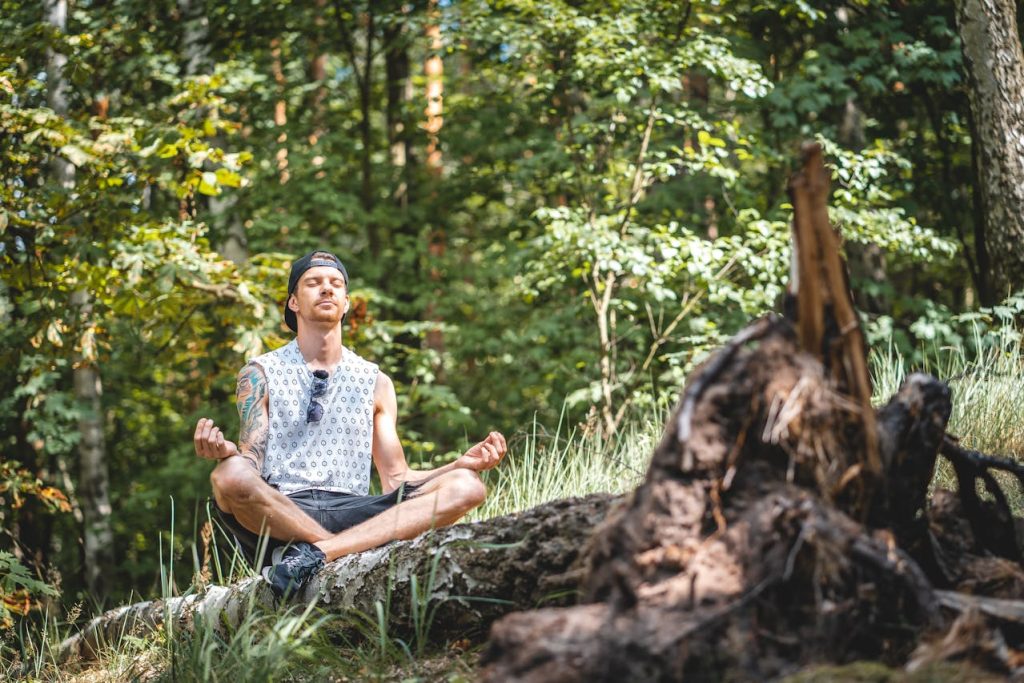
Discover the power of appreciating nature and how mindful connection with the natural world can reduce stress, improve focus, and enhance emotional well-being.
Overview
In today’s fast-paced digital world, many people spend more time in front of screens than outside in the natural world. This constant rush can leave us feeling overwhelmed, disconnected, and mentally exhausted. One powerful yet simple solution is appreciating nature. By slowing down and intentionally connecting with the environment around us, we can improve our mental clarity, emotional balance, and overall well-being.
Appreciating nature is more than just spending time outdoors. It is about being present, observing the beauty around us, and cultivating gratitude for the natural world. Whether it’s the sound of birds in the morning, the warmth of sunlight on your skin, or the calming rhythm of ocean waves, nature offers endless opportunities to reconnect with yourself.
Practising mindfulness while appreciating nature allows us to reduce stress, sharpen our focus, and develop a deeper sense of peace. Even small moments—like walking through a park or noticing the colours of a sunset—can have a profound impact on your mental and emotional health.
What Does Appreciating Nature Really Mean?
Appreciating nature means consciously noticing and valuing the beauty, complexity, and calming presence of the natural world. It involves slowing down enough to experience the sights, sounds, textures, and rhythms of nature.
Rather than rushing through life, appreciating nature invites you to pause and observe.
Examples include:
- Watching the colours of the sky during sunrise or sunset
- Listening to the sound of rain falling on leaves
- Feeling the cool breeze while walking outdoors
- Observing the patterns of clouds or trees
When we practise appreciating nature, we train our minds to focus on the present moment, which is a core principle of mindfulness meditation.
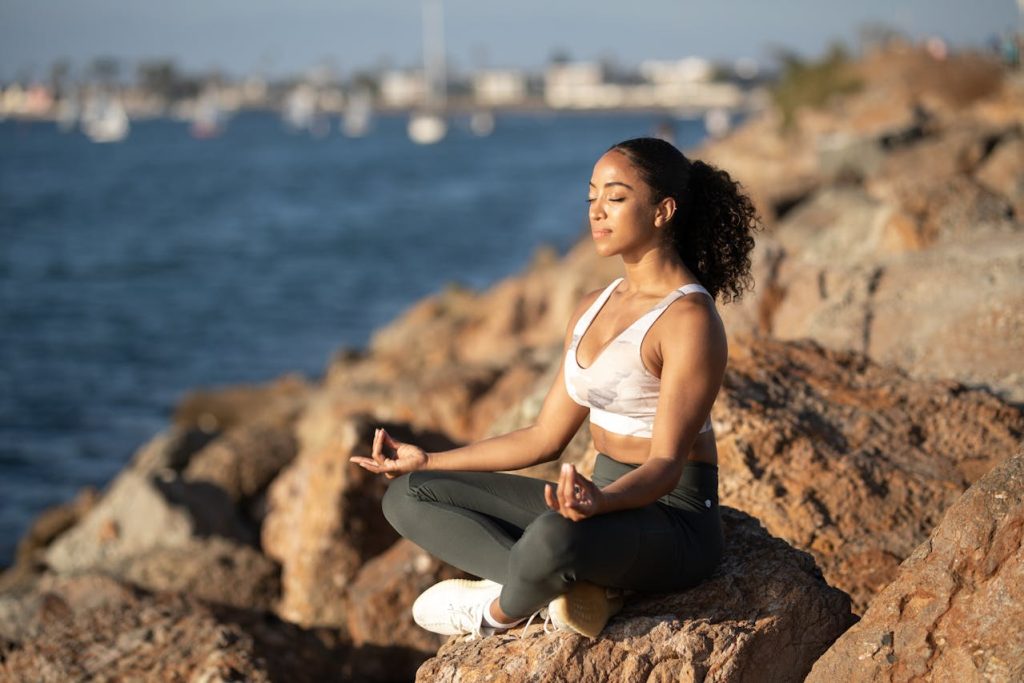
Why Appreciating Nature Is Important for Mental Well-Being
Many studies show that spending time in nature can significantly improve mental health. But beyond simply being outdoors, the act of appreciating nature deepens the experience and magnifies its benefits.
1. Reduces Stress and Anxiety
Nature has a calming effect on the nervous system. When you take time for appreciating nature, your body naturally relaxes.
Benefits include:
Even a short walk in a natural environment can help reset your mind and reduce mental tension.
2. Improves Focus and Mental Clarity
Constant digital stimulation can overload our brains. Appreciating nature allows the mind to rest and recover from cognitive fatigue.
Nature improves focus by:
- Providing gentle sensory stimulation
- Encouraging mindfulness and presence
- Allowing the brain to recharge
This is why many people feel refreshed after spending time outdoors.
3. Encourages Gratitude and Positivity
When you practise appreciating nature, you begin to notice the small wonders around you. This awareness naturally increases gratitude and positive emotions.
Examples include appreciating:
- The changing seasons
- The beauty of flowers and plants
- The peaceful sound of flowing water
Gratitude plays a key role in emotional well-being, making nature appreciation a powerful mindfulness practice.
The Connection Between Mindfulness and Appreciating Nature
Mindfulness is the practice of paying attention to the present moment without judgement. Appreciating nature is one of the easiest and most effective ways to develop mindfulness.
When you focus on nature, your mind naturally slows down.
Mindful Nature Awareness
Try observing nature with all your senses:
- Sight: Notice colours, shapes, and movement.
- Sound: Listen to birds, wind, or water.
- Touch: Feel the texture of leaves or the warmth of sunlight.
- Smell: Breathe in fresh air or the scent of flowers.
These experiences anchor your awareness in the present moment.
Simple Ways to Practise Appreciating Nature Daily
You don’t need a mountain retreat or a national park to experience the benefits of appreciating nature. Small daily moments can be just as powerful.
1. Take a Mindful Walk
Instead of rushing, walk slowly and notice your surroundings.
Focus on:
- The rhythm of your steps
- The sound of leaves under your feet
- The feeling of fresh air
Walking meditation combined with appreciating nature is one of the simplest mindfulness practices.
2. Watch the Sky
Take a few minutes each day to observe the sky.
Notice:
- Cloud shapes
- Changing light
- Sunrise or sunset colours
This simple habit helps train your mind to pause and appreciate beauty.
3. Practise Nature Gratitude
Spend a moment reflecting on something in nature you appreciate.
Examples:
- A blooming flower
- A gentle breeze
- The warmth of sunlight
Regular gratitude strengthens the emotional impact of appreciating nature.
4. Bring Nature into Your Home
If you live in a city or busy environment, you can still practise appreciating nature indoors.
Ideas include:
- Adding plants to your living space
- Opening windows for fresh air
- Listening to nature sounds
These small adjustments can help create a calming environment.
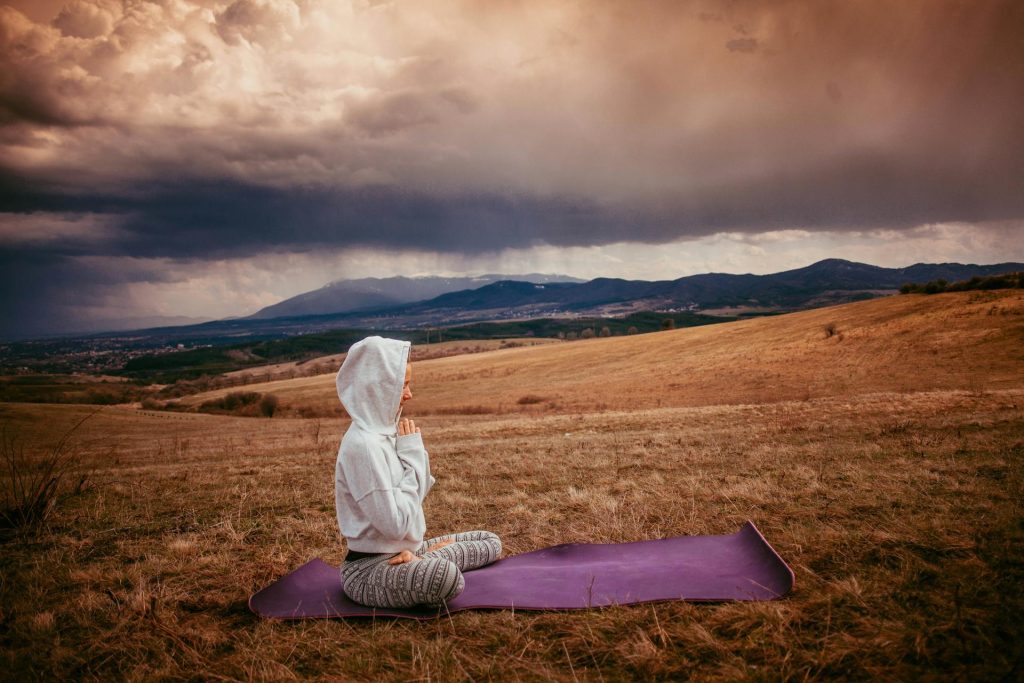
The Long-Term Benefits of Appreciating Nature
Developing the habit of appreciating nature offers long-lasting benefits that extend far beyond relaxation.
Emotional Benefits
Mental Benefits
- Sharper focus
- Enhanced creativity
- Reduced mental fatigue
Physical Benefits
Over time, these benefits contribute to a healthier and more balanced lifestyle.
How Appreciating Nature Deepens Your Meditation Practice
For people practising meditation, appreciating nature can significantly enhance mindfulness.
Nature meditation helps by:
- Reducing distractions
- Encouraging deeper breathing
- Creating a peaceful mental environment
Meditating outdoors or focusing on natural sounds can make your meditation practice more immersive and restorative.
Practical Tips to Start Appreciating Nature Today
If you want to begin integrating appreciating nature into your life, start with small intentional habits.
Try these simple steps:
- Spend 10 minutes outdoors each day
- Notice one beautiful natural detail daily
- Practise slow breathing while observing nature
- Reduce phone usage during outdoor time
- Reflect on how nature makes you feel
Consistency is more important than duration. Even short moments of nature appreciation can have a powerful effect.
Final Thoughts
In a world full of distractions, appreciating nature offers a simple yet profound way to reconnect with yourself and the present moment. The natural world provides endless opportunities for mindfulness, relaxation, and emotional healing.
Whether you’re walking through a park, listening to the rain, or watching the sunrise, every moment of nature awareness can bring calm and clarity to your life.
By making appreciating nature a regular habit, you not only improve your mental and emotional health but also cultivate a deeper sense of gratitude and connection with the world around you.
Start today by stepping outside, slowing down, and allowing yourself to truly notice the beauty that surrounds you.
FAQs for Appreciating Nature
What does appreciating nature mean?
Appreciating nature means being mindful and aware of the natural world around you. It involves noticing the beauty of trees, skies, plants, animals, and natural landscapes while feeling gratitude and connection with the environment.
Why is appreciating nature important for mental health?
Appreciating nature helps reduce stress, anxiety, and mental fatigue. Spending time in natural environments can calm the mind, improve mood, and increase overall emotional well-being.
How does appreciating nature improve mindfulness?
When you focus on natural sights, sounds, and sensations, your mind becomes more present. This present-moment awareness is a key part of mindfulness and helps reduce distractions and negative thoughts.
Can appreciating nature reduce stress?
Yes, appreciating nature can significantly lower stress levels. Natural environments help slow down the mind, regulate breathing, and create a sense of calm and relaxation.
What are simple ways to start appreciating nature?
Some simple ways include taking mindful walks, watching sunsets, listening to birds, gardening, or simply sitting outdoors and observing your surroundings.
How often should I spend time in nature for mindfulness?
Even 10–20 minutes a day can be beneficial. Regular short moments of appreciating nature can improve mental clarity, emotional balance, and overall well-being.
Can appreciating nature improve focus and productivity?
Yes. Nature helps refresh the brain and restore attention. Spending time outdoors or observing natural scenery can improve concentration and mental performance.
Is appreciating nature part of meditation?
Yes. Many meditation practices include observing nature or meditating outdoors. Nature meditation helps deepen mindfulness and makes it easier to stay present.
What are the emotional benefits of appreciating nature?
The emotional benefits include reduced anxiety, increased happiness, stronger feelings of gratitude, and improved emotional resilience during stressful situations.
Can appreciating nature improve sleep quality?
Yes. Spending time in natural environments helps regulate the body’s natural rhythms and reduce stress, which can contribute to better sleep quality.
How can I appreciate nature if I live in a city?
Even in urban environments, you can appreciate nature by visiting parks, keeping plants at home, watching the sky, or listening to natural sounds like rain or wind.
What role does gratitude play in appreciating nature?
Gratitude helps deepen the experience of appreciating nature. When you acknowledge the beauty and benefits of nature, you develop a stronger emotional connection to it.
Can children benefit from appreciating nature?
Absolutely. Children who spend time appreciating nature often develop better focus, creativity, emotional stability, and a stronger appreciation for the environment.
How does appreciating nature support overall well-being?
It improves mental health, boosts mood, increases energy levels, and encourages mindfulness, making it an effective practice for maintaining overall well-being.
What is a mindful nature walk?
A mindful nature walk is a slow, intentional walk where you focus on the sights, sounds, and sensations of nature around you, helping you stay present and calm.
Related Topics
- Articles on Mindfulness: Power of Meditation for Daily Life
- What Does Mindfulness Mean? Understanding Its Benefits
- What Is Being Mindfulness? A Complete Guide to Mindful Living
- Walking Mindfulness Meditation: A Simple Path to Inner Peace
- Mindfulness Body Scan Meditation: A Complete Guide
- Workplace Mindfulness: Improve Focus & Productivity
- Meditation Methods for Beginners | Start Your Mindfulness Journey
- What Does Being Mindful Mean? A Complete Guide to Mindfulness
- Definition of Mindfulness? Meaning, Benefits & Practice
- Mindfulness for the Workplace: Boost Productivity & Well-being
- Breath Meditation: A Complete Guide to Mindfulness & Relaxation
- Mastering the Art of Having Patience: A Mindfulness Approach
- Mindfulness Meditation for Anxiety: Calm Your Mind
- Self Meditating: A Complete Guide to Practicing Mindfulness
- Mindfulness for Grief: Find Peace Through Mindful Awareness
- Meditation and Sounds: Boost Mindfulness & Relaxation
- Emotion Mindfulness: Techniques to Manage Your Feelings
- Daily Mindfulness: How to Transform Your Life