
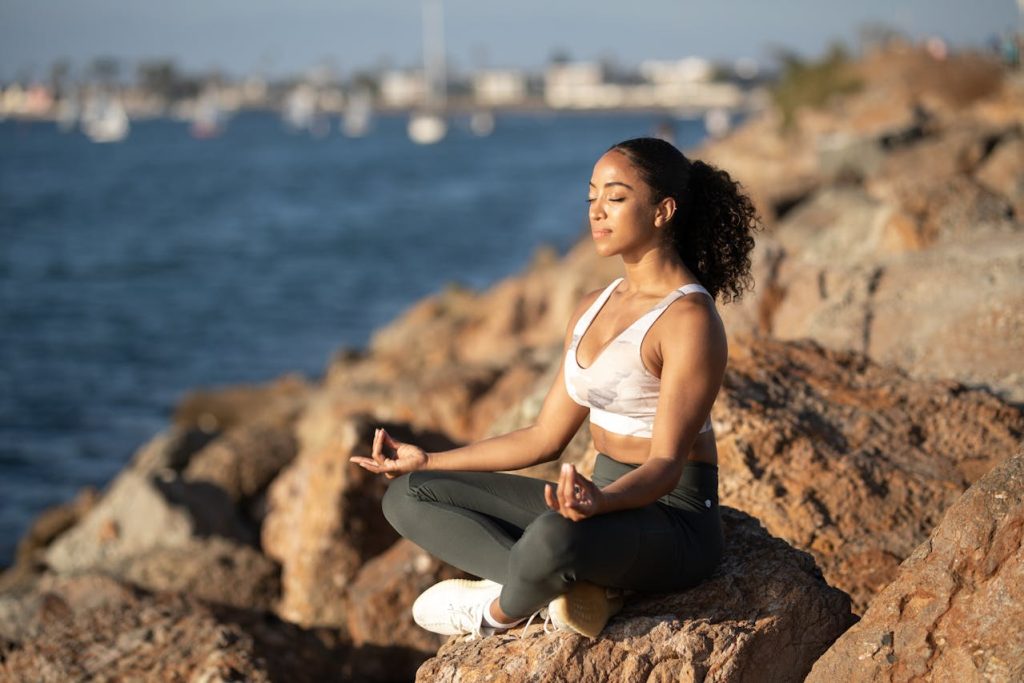
Discover the incredible benefits of being patient and how this essential skill can improve your mental health, relationships, and personal growth. Learn practical tips to develop patience daily.
Overview
In this article, readers will learn why patience is a critical life skill, how it positively impacts mental health, decision-making, and relationships, and practical ways to cultivate it in daily life. By the end of this post, readers will understand the tangible benefits of being patient and be inspired to adopt patience as a tool for personal and professional growth.
The Benefits of Being Patient: Why Patience is a Superpower
In a fast-paced world where instant gratification has become the norm, patience often feels like a rare virtue. However, learning to practise patience can dramatically improve your mental, emotional, and physical well-being. Patience is more than just waiting—it’s the ability to remain calm, composed, and resilient in the face of challenges.
Here, we’ll explore the key benefits of being patient and provide actionable strategies to help you embrace patience in your everyday life.

1. Patience Reduces Stress and Anxiety
One of the most significant benefits of being patient is its positive effect on your mental health. When you practise patience, you reduce the tendency to react impulsively to stressful situations. This calm approach helps:
- Lower stress levels by preventing emotional overreactions
- Reduce anxiety by fostering a mindset of acceptance
- Improve focus because your mind is less cluttered with frustration
Research shows that people who practise patience experience greater emotional stability, which helps them handle challenges more effectively without feeling overwhelmed.
2. Enhances Decision-Making Skills
Patience allows you to make better decisions in both personal and professional life. When you take the time to consider options instead of rushing, you:
- Avoid impulsive mistakes that could lead to regrets
- Analyse situations thoroughly, weighing pros and cons
- Develop long-term strategies instead of seeking quick fixes
By embracing the benefits of being patient, you allow yourself the mental clarity needed to make wiser, more informed decisions that align with your goals.
3. Improves Relationships
Whether in friendships, family life, or romantic relationships, patience plays a pivotal role. Being patient with others:
- Strengthens communication because you listen more carefully
- Reduces conflict by managing emotional reactions
- Builds trust and respect as people recognise your understanding and empathy
Patience allows relationships to grow naturally over time, fostering deeper emotional connections and mutual understanding.
4. Promotes Personal Growth and Self-Control
Practising patience is closely linked to self-discipline. People who cultivate patience are often more resilient in the face of setbacks. Benefits include:
- Greater persistence when pursuing long-term goals
- Improved self-control in situations that demand restraint
- Enhanced emotional intelligence, allowing for thoughtful responses rather than impulsive reactions
The benefits of being patient extend to achieving personal milestones, as patience helps you stay committed to your growth journey despite obstacles.
5. Boosts Physical Health
Interestingly, the benefits of being patient also affect your physical well-being. People with high levels of patience often experience the following:
- Lower blood pressure and reduced heart strain
- Better immune function due to decreased stress
- Longer lifespan as a result of healthier coping mechanisms
Patience encourages healthier lifestyle choices because it fosters mindfulness, preventing harmful impulsive decisions like overeating or excessive stress-induced behaviours.
6. Increases Happiness and Life Satisfaction
Patience is a cornerstone of emotional well-being. Cultivating patience allows you to:
- Appreciate the present moment rather than rushing toward the future
- Enjoy the journey, not just the destination.
- Develop gratitude, which boosts overall happiness
Studies indicate that individuals who exercise patience regularly report higher levels of life satisfaction, as they are better equipped to cope with setbacks without frustration.
7. Strengthens Professional Success
In the workplace, patience is a vital skill for long-term career growth. It helps you:
- Navigate office politics calmly
- Build stronger teamwork and collaboration
- Lead effectively by demonstrating composure and reliability
The benefits of being patient translate into professional resilience, making you more capable of handling challenging projects or high-pressure situations without stress.
How to Cultivate Patience in Daily Life
Now that we understand the numerous benefits of being patient, the question is, how can we develop this essential skill? Here are some practical strategies:
1. Practise Mindfulness
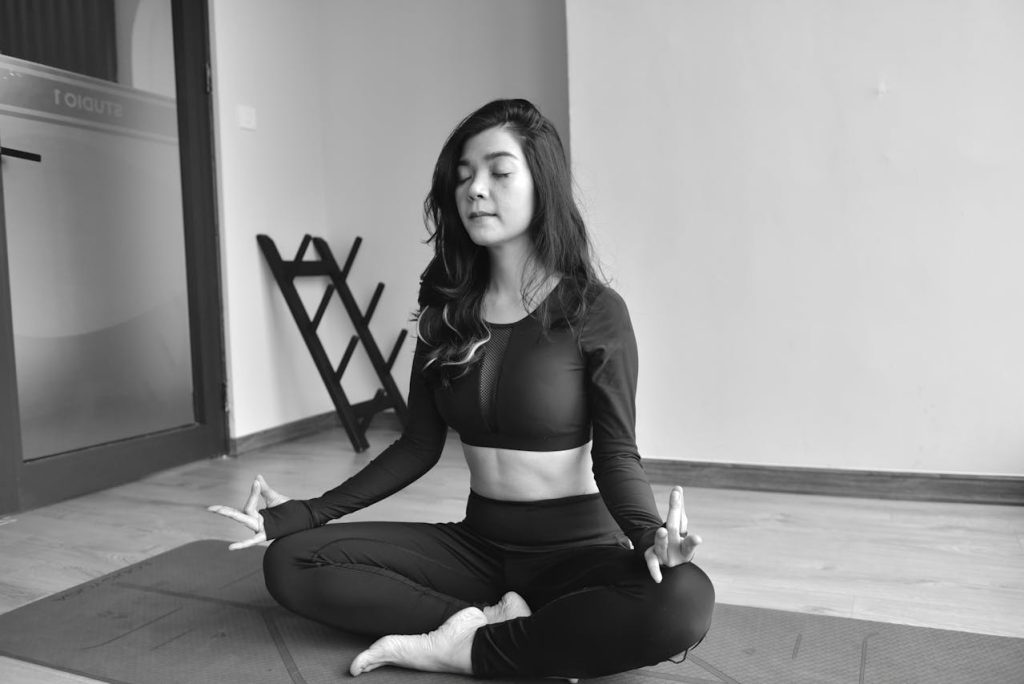
Mindfulness meditation helps you stay present and observe your thoughts without judgement. This awareness strengthens patience by reducing impulsive reactions.
2. Reframe Your Perspective
Instead of seeing delays or challenges as annoyances, view them as opportunities for growth. This shift in mindset naturally fosters patience.
3. Set Realistic Expectations
Understanding that success and personal growth take time helps you remain patient with both yourself and others.
4. Focus on Breathing Techniques
Deep breathing exercises can calm your nervous system, helping you respond patiently rather than react impulsively.
5. Celebrate Small Wins
Acknowledging progress—even small steps—reinforces the value of patience and motivates you to continue your journey.
Real-Life Examples of Patience in Action
To illustrate the benefits of being patient, consider these real-world scenarios:
- Personal Development: Learning a new skill, like playing an instrument, requires consistent practice over months or years. Patience ensures steady progress.
- Relationships: Supporting a friend through a difficult period without rushing them strengthens trust and connection.
- Career Advancement: Waiting for the right opportunity rather than chasing every opening leads to better professional outcomes.
These examples demonstrate how patience is not passive—it’s a deliberate, empowering choice.
Final Thought
The benefits of being patient are far-reaching, touching every area of life—from mental and physical health to relationships, personal growth, and professional success. Cultivating patience allows you to:
- Reduce stress and anxiety
- Make better decisions
- Strengthen personal and professional relationships
- Boost happiness and life satisfaction
Remember, patience is a skill, not an innate trait. With practice, mindfulness, and consistent effort, anyone can harness the power of patience to live a calmer, more fulfilling life.
Start today by incorporating simple strategies like mindful breathing, perspective shifts, and celebrating small wins. Over time, you’ll experience the transformative benefits of being patient and unlock your true potential.
FAQs for Benefits of Being Patient
What does it mean to be patient?
Being patient means staying calm and composed when faced with delays, difficulties, or challenges, instead of reacting impulsively.
Why is patience important in life?
Patience helps reduce stress, make better decisions, maintain healthier relationships, and achieve long-term goals more effectively.
How can patience improve mental health?
Practicing patience reduces anxiety, lowers stress levels, and promotes emotional stability by encouraging calm responses instead of reactive behavior.
What are the physical benefits of being patient?
Patience can lower blood pressure, improve heart health, boost immune function, and contribute to overall physical well-being.
Can patience make me more successful professionally?
Yes. Patience helps in handling workplace challenges, improving teamwork, managing stress, and making thoughtful decisions, all of which contribute to career growth.
How does patience affect relationships?
Being patient strengthens communication, reduces conflicts, and builds trust, helping you maintain deeper and more meaningful relationships.
Is patience a natural trait or a skill?
Patience is a skill that can be developed over time through practice, mindfulness, and conscious effort.
Can patience help with personal growth?
Absolutely. Patience encourages persistence, self-discipline, and emotional intelligence, all essential for personal development.
How does patience influence decision-making?
When you practice patience, you think more clearly, evaluate options thoroughly, and avoid impulsive choices that may lead to regrets.
Can children learn to be patient?
Yes, patience can be taught to children through modeling, encouragement, and exercises like mindfulness, deep breathing, and delayed gratification games.
What are practical ways to become more patient?
Techniques include mindfulness meditation, deep breathing exercises, reframing perspectives, setting realistic expectations, and celebrating small wins.
How does patience affect happiness?
Patience fosters gratitude, helps you enjoy the journey, and reduces frustration, leading to higher life satisfaction and overall happiness.
Can patience help manage anger?
Yes. By practicing patience, you can pause before reacting, reducing impulsive anger and responding calmly to challenging situations.
How long does it take to develop patience?
The time varies per individual, but consistent practice with mindfulness and self-awareness can cultivate noticeable patience over weeks or months.
What is the biggest benefit of being patient?
The greatest benefit of patience is the ability to live a calmer, more fulfilled, and balanced life while achieving personal, emotional, and professional goals.
Related Topics
- Articles on Mindfulness: Power of Meditation for Daily Life
- What Does Mindfulness Mean? Understanding Its Benefits
- What Is Being Mindfulness? A Complete Guide to Mindful Living
- Walking Mindfulness Meditation: A Simple Path to Inner Peace
- Mindfulness Body Scan Meditation: A Complete Guide
- Workplace Mindfulness: Improve Focus & Productivity
- Meditation Methods for Beginners | Start Your Mindfulness Journey
- What Does Being Mindful Mean? A Complete Guide to Mindfulness
- Definition of Mindfulness? Meaning, Benefits & Practice
- Mindfulness for the Workplace: Boost Productivity & Well-being
- Breath Meditation: A Complete Guide to Mindfulness & Relaxation
- Mastering the Art of Having Patience: A Mindfulness Approach
- Mindfulness Meditation for Anxiety: Calm Your Mind
- Self Meditating: A Complete Guide to Practicing Mindfulness
- Mindfulness for Grief: Find Peace Through Mindful Awareness
- Meditation and Sounds: Boost Mindfulness & Relaxation
- Emotion Mindfulness: Techniques to Manage Your Feelings
- Daily Mindfulness: How to Transform Your Life