
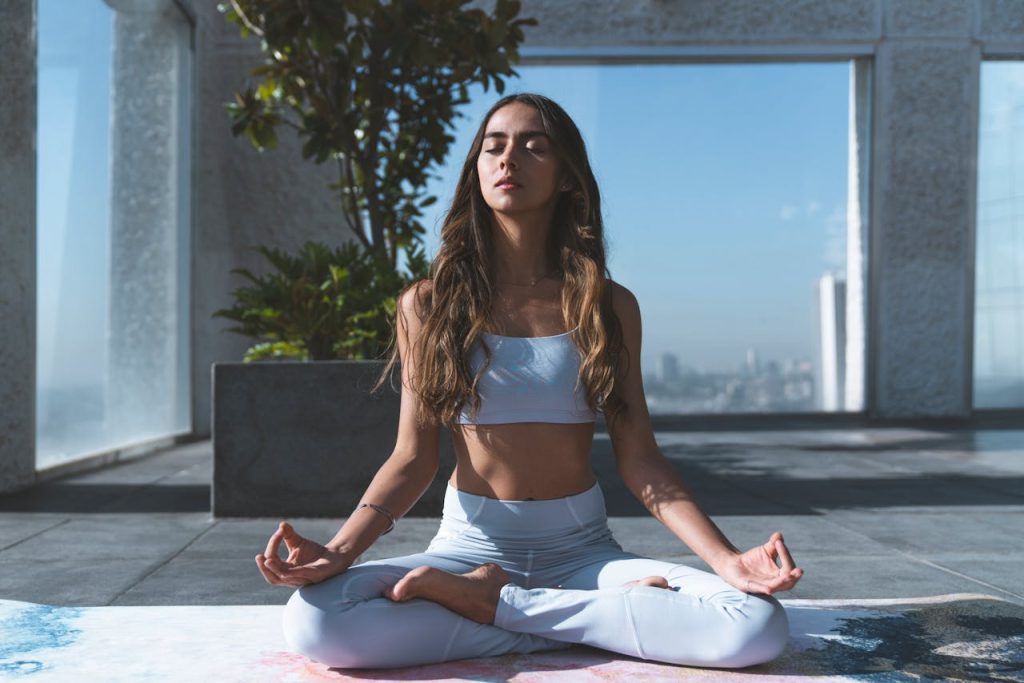
Discover the power of body mindfulness to reduce stress, enhance focus, and improve overall well-being. Learn practical techniques and exercises to connect with your body today.
Overview
In this blog post, readers will learn the meaning of body mindfulness, its benefits, and practical ways to incorporate it into daily life. They will discover exercises for improving body awareness, techniques to reduce stress, and strategies to integrate mindfulness into movement, breathing, and self-care. By the end of this article, readers will feel equipped to start their own body mindfulness practice and understand why it’s essential for holistic health.
What is Body Mindfulness?
Body mindfulness is the practice of bringing full attention to the sensations, movements, and experiences of the body in the present moment. Unlike general mindfulness, which may focus on thoughts or emotions, body mindfulness emphasizes physical awareness—noticing how your body feels, responds, and interacts with your environment.
At its core, body mindfulness is about connection. It allows you to listen to your body, understand its needs, and respond with compassion rather than judgment. This practice can be transformative for mental, emotional, and physical well-being.
Why Body Mindfulness is Important
Practicing body mindfulness regularly can offer numerous benefits:
- Reduces Stress and Anxiety: Paying attention to bodily sensations can calm the nervous system, reducing tension and mental clutter.
- Improves Physical Health: Increased awareness of posture, breathing, and tension points can prevent chronic pain and support overall wellness.
- Enhances Emotional Awareness: Feeling physical sensations can help identify emotions early, improving emotional regulation.
- Supports Better Sleep: Mindful body practices before bed relax the body and prepare it for restorative sleep.
- Boosts Focus and Clarity: Body mindfulness anchors you in the present moment, improving attention and productivity.
Core Principles of Body Mindfulness
Before starting, understanding the foundational principles is essential:
- Non-Judgment: Observe your body without criticism. Discomfort or tension is noticed, not judged.
- Present-Moment Awareness: Focus on the here and now, rather than dwelling on past pain or worrying about the future.
- Gentle Curiosity: Explore physical sensations with curiosity and openness.
- Consistency: Regular, short practices are more effective than sporadic long sessions.
How to Practice Body Mindfulness
Here are several practical ways to begin incorporating body mindfulness into your daily routine:
1. Mindful Breathing
- Sit comfortably and close your eyes.
- Focus on the natural flow of your breath.
- Notice how your chest and abdomen rise and fall.
- Pay attention to tension, tightness, or relaxation in the body as you breathe.
Tip: Even 5 minutes of mindful breathing can lower stress hormones and improve focus.
2. Body Scan Meditation
- Lie down or sit in a comfortable position.
- Slowly bring attention from your toes to your head, noticing sensations in each area.
- Observe areas of tension, warmth, or discomfort without trying to change them.
- This practice enhances awareness and promotes relaxation.
3. Mindful Movement
- Engage in gentle activities like yoga, stretching, or walking.
- Focus fully on how muscles stretch, joints move, and the body balances.
- Avoid multitasking; bring complete attention to your body.
4. Mindful Eating
- Pay attention to taste, texture, and aroma while eating.
- Chew slowly and notice how your body responds to each bite.
- This practice can improve digestion and foster a healthier relationship with food.
5. Mindful Touch
- Use self-massage or mindful contact to explore sensations.
- Focus on warmth, pressure, and movement.
- This strengthens the mind-body connection and encourages self-care.
Integrating Body Mindfulness Into Daily Life
Body mindfulness doesn’t require hours of practice. You can integrate it into daily routines:
- Morning: Begin with a 5-minute body scan or stretching session.
- Work Breaks: Stand, stretch, and notice tension areas before returning to tasks.
- Evening: Practice mindful breathing or gentle yoga to relax before bed.
- Activities: Engage fully in activities like showering, walking, or cleaning, noticing physical sensations.
Even small moments of awareness can create long-term improvements in well-being.
The Science Behind Body Mindfulness
Research shows that body mindfulness activates areas of the brain linked to attention, emotional regulation, and self-awareness. Studies indicate that regular practice can:
- Lower cortisol levels (stress hormone)
- Improve heart rate variability, supporting cardiovascular health
- Reduce chronic pain symptoms
- Enhance mental clarity and focus
This makes body mindfulness a scientifically validated method to support holistic health.
Common Challenges and How to Overcome Them
While body mindfulness is simple, beginners may face obstacles:
- Restlessness: The mind wanders. Solution: Gently return focus to the body without judgment.
- Discomfort: Some areas may be tense or painful. Solution: Observe sensations without forcing change.
- Inconsistency: Skipping days is normal. Solution: Commit to small daily sessions to build a habit.
Benefits of Practicing Body Mindfulness Daily
Consistent practice can create profound life changes:
- Increased self-awareness
- Reduced stress and anxiety
- Improved physical flexibility and posture
- Enhanced mind-body connection
- Greater emotional resilience
- Better focus and productivity
Why Choose Professional Guidance for Body Mindfulness
While self-practice is beneficial, working with trained instructors or guided programs accelerates progress. Professional guidance can:
- Provide structured routines
- Correct posture and technique
- Offer personalized feedback
- Deepen your understanding of mind-body connections
At Mindfulness Meditation Hub, we offer programs and sessions specifically designed to help individuals explore body mindfulness safely and effectively.
Final Thought
Body mindfulness is more than a practice; it is a way of connecting deeply with your body, mind, and life. By focusing on present-moment awareness, noticing sensations, and observing without judgment, you can reduce stress, enhance emotional resilience, and improve overall well-being.
Whether you choose body scan meditation, mindful movement, or mindful breathing, the key is regular practice and conscious attention. Start today and experience the transformative effects of body mindfulness for yourself.
FAQs for Body Mindfulness
What is body mindfulness?
Body mindfulness is the practice of paying full attention to your body’s sensations, movements, and responses in the present moment. It helps improve awareness, reduce stress, and enhance overall well-being.
How is body mindfulness different from regular mindfulness?
While regular mindfulness can focus on thoughts or emotions, body mindfulness specifically emphasizes physical awareness, noticing sensations, posture, breathing, and movement.
What are the benefits of body mindfulness?
Benefits include stress reduction, better emotional regulation, improved posture and flexibility, enhanced focus, reduced chronic pain, and a stronger mind-body connection.
How can I start practicing body mindfulness?
You can start with simple exercises like mindful breathing, body scans, gentle stretching, or mindful walking. Even 5–10 minutes a day can make a difference.
Can body mindfulness reduce stress?
Yes. Focusing on the present sensations of your body activates the parasympathetic nervous system, calming the mind and lowering stress levels.
How long should a body mindfulness session last?
Sessions can range from 5 minutes to 30 minutes. Beginners should start small and gradually increase duration as comfort and focus improve.
Can body mindfulness help with chronic pain?
Yes. Regular practice increases awareness of tension and discomfort, helping you respond with mindfulness rather than stress, which can reduce pain perception over time.
Is body mindfulness suitable for beginners?
Absolutely. It’s a gentle and accessible practice that anyone can start, even without prior meditation experience.
How often should I practice body mindfulness?
Daily practice is ideal. Short, consistent sessions are more effective than infrequent long ones. Even a few minutes each day can improve results.
Can body mindfulness improve sleep?
Yes. Mindful attention to the body before bed relaxes muscles, reduces mental tension, and promotes deeper, restorative sleep.
How does body mindfulness affect emotions?
By noticing physical sensations linked to emotions, body mindfulness helps you recognize and regulate feelings more effectively, reducing reactivity and improving emotional resilience.
Can I practice body mindfulness while exercising?
Yes. Activities like yoga, tai chi, walking, or stretching are perfect opportunities to focus on movement, balance, and muscle sensations.
Do I need professional guidance for body mindfulness?
While you can practice independently, guided sessions or instructors can provide structure, correct technique, and personalized advice to deepen your practice.
Can children practice body mindfulness?
Yes. Simple body awareness exercises like mindful breathing or stretching can help children improve focus, calm anxiety, and develop healthy mind-body habits.
How long does it take to see results from body mindfulness?
Many people notice reduced stress and better awareness within a few weeks, while long-term physical and emotional benefits develop with consistent practice over months.
Related Topics
- Articles on Mindfulness: Power of Meditation for Daily Life
- What Does Mindfulness Mean? Understanding Its Benefits
- What Is Being Mindfulness? A Complete Guide to Mindful Living
- Walking Mindfulness Meditation: A Simple Path to Inner Peace
- Mindfulness Body Scan Meditation: A Complete Guide
- Workplace Mindfulness: Improve Focus & Productivity
- Meditation Methods for Beginners | Start Your Mindfulness Journey
- What Does Being Mindful Mean? A Complete Guide to Mindfulness
- Definition of Mindfulness? Meaning, Benefits & Practice
- Mindfulness for the Workplace: Boost Productivity & Well-being
- Breath Meditation: A Complete Guide to Mindfulness & Relaxation
- Mastering the Art of Having Patience: A Mindfulness Approach
- Mindfulness Meditation for Anxiety: Calm Your Mind
- Self Meditating: A Complete Guide to Practicing Mindfulness
- Mindfulness for Grief: Find Peace Through Mindful Awareness
- Meditation and Sounds: Boost Mindfulness & Relaxation
- Emotion Mindfulness: Techniques to Manage Your Feelings
- Daily Mindfulness: How to Transform Your Life