
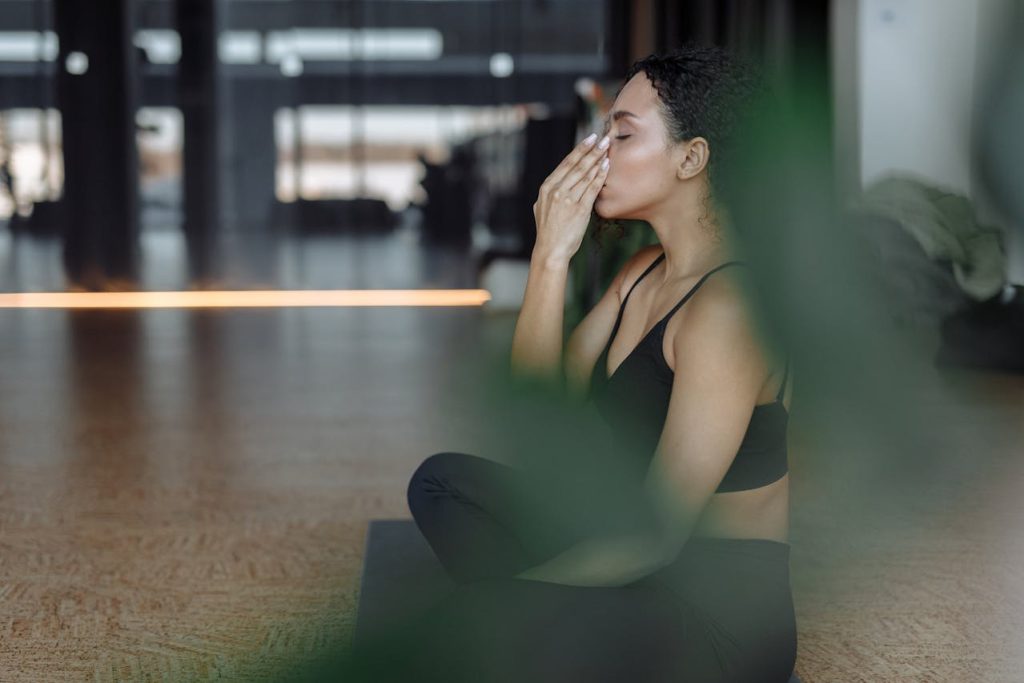
Discover the benefits of the breathing ball exercise for stress relief, lung capacity, and mindfulness. Learn step-by-step techniques to incorporate it into your daily routine.
Overview
In this blog post, readers will learn what a breathing ball exercise is, how it works, and why it’s effective for enhancing lung function, reducing stress, and improving mindfulness. We will break down the steps, benefits, common mistakes to avoid, and tips for making it part of a daily routine. By the end, readers will understand how to use this simple yet powerful tool to improve overall well-being.
Breathing Ball Exercise: A Simple Guide to Better Lung Health and Mindfulness
Modern life often leaves us stressed, anxious, and short of breath—literally. One of the most effective and simple tools to regain calm, improve lung capacity, and enhance mindfulness is the breathing ball exercise. Used by therapists, meditation instructors, and wellness enthusiasts, this exercise is a powerful way to bring focus, relaxation, and controlled breathing into your daily life.
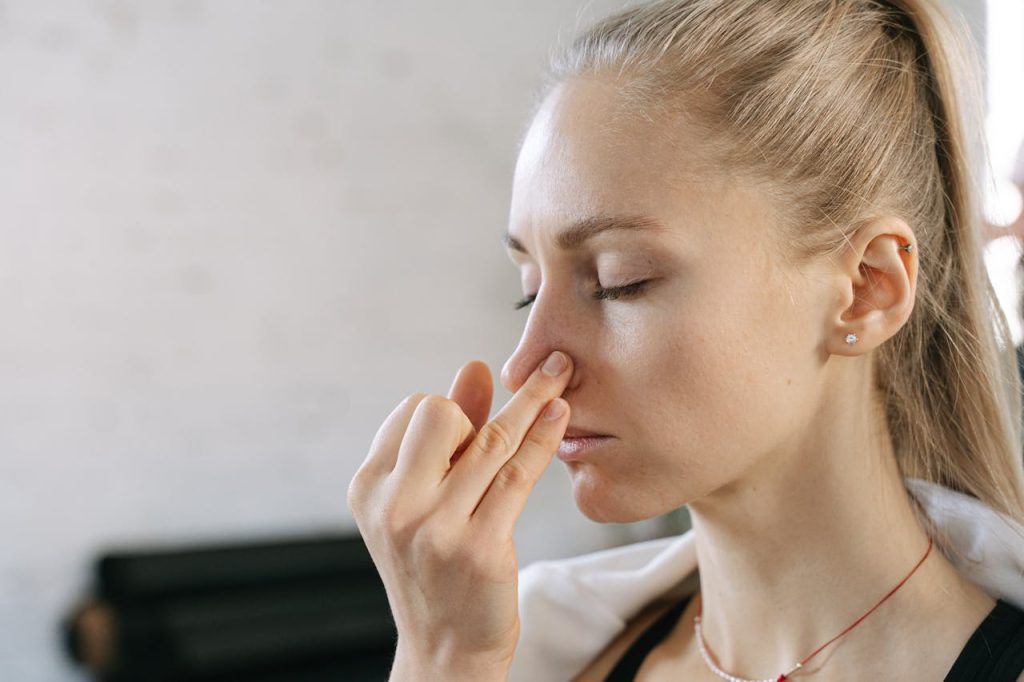
What is a breathing ball exercise?
The breathing ball exercise involves using a specially designed ball to guide and measure your breathing. Typically, this exercise uses a physical ball that expands and contracts with your breath—or sometimes a visual tool, like an app or image, to mimic the expansion of a ball. The goal is to regulate your inhalation and exhalation, encouraging deep, mindful breathing that activates the parasympathetic nervous system—the part of the body responsible for rest and recovery.
How Does the Breathing Ball Exercise Work?
When you perform the breathing ball exercise, you follow a visual or physical cue:
- Inhale as the ball expands (fill your lungs completely).
- Hold for a few seconds (optional depending on skill level).
- Exhale slowly as the ball contracts.
This rhythmic breathing:
- Strengthens your lungs
- Reduces stress hormones
- Improves mental clarity
- Encourages a calm, meditative state
By focusing on the movement of the ball, your mind naturally shifts away from distractions, making this exercise both physical and mental.
Benefits of the Breathing Ball Exercise
The breathing ball exercise offers multiple benefits for both body and mind:
1. Improves Lung Capacity
Regular practice helps expand lung function by encouraging deeper, more complete breaths. Over time, your lungs become more efficient at oxygen exchange.
2. Reduces Stress and Anxiety
Deep, slow breathing triggers the body’s relaxation response, lowering heart rate and cortisol levels, which reduces stress and anxiety naturally.
3. Enhances Mindfulness
Focusing on the rhythm of the ball keeps your attention anchored in the present moment, promoting mindfulness and mental clarity.
4. Boosts Energy Levels
Improved oxygen flow to the brain and body increases alertness and energy throughout the day.
5. Supports Meditation and Yoga Practices
The breathing ball exercise is often used in yoga and meditation to prime the mind and body, making it easier to maintain focus during practice.
Step-by-Step Guide to the Breathing Ball Exercise
Whether you are a beginner or advanced practitioner, the breathing ball exercise can be adapted to your comfort level. Here’s a simple guide:
Step 1: Choose Your Breathing Ball
- Use a physical breathing ball, a guided app, or a visual cue.
- Ensure the ball expands and contracts slowly to match your breath.
Step 2: Find a Comfortable Position
- Sit or lie down with a straight spine.
- Relax your shoulders and place hands on your stomach if using a physical ball.
Step 3: Inhale Deeply
- Breathe in slowly as the ball “grows”.
- Fill your lungs completely without straining.
Step 4: Hold Your Breath (Optional)
- Pause for 1-2 seconds if comfortable.
- This step is optional for beginners.
Step 5: Exhale Slowly
- Breathe out gradually as the ball “shrinks”.
- Focus on fully emptying your lungs.
Step 6: Repeat the Cycle
- Perform 5–10 cycles initially, gradually increasing as you become comfortable.
- Aim for 10–15 minutes daily for optimal results.
Tips for Effective Breathing Ball Exercise
- Consistency is Key: Daily practice yields better results than occasional sessions.
- Focus on Quality: Don’t rush; controlled breathing is more effective than faster cycles.
- Use Visualisation: Imagine the ball expanding and contracting within your chest for a deeper mind-body connection.
- Track Progress: Some apps or physical balls track lung expansion and provide feedback.
- Combine with Relaxation Techniques: Pair with meditation or soft music for deeper relaxation.
Common Mistakes to Avoid
Even though the breathing ball exercise is simple, beginners often make mistakes:
- Shallow Breathing: Not filling your lungs completely reduces benefits.
- Holding Breath Too Long: Overdoing the hold can cause dizziness.
- Tension in Body: Relax muscles; tension hinders breathing efficiency.
- Skipping Consistency: Irregular practice limits results.
- Ignoring Posture: Slouching compresses lungs, making deep breaths difficult.
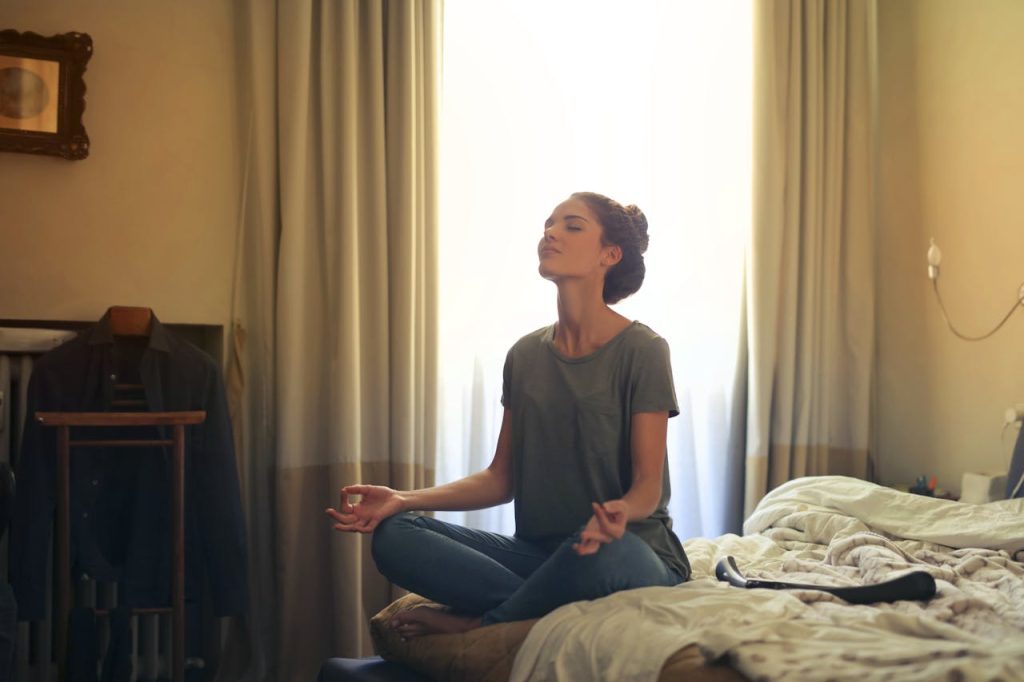
Who Can Benefit from the Breathing Ball Exercise?
The breathing ball exercise is suitable for nearly everyone:
- People experiencing stress or anxiety
- Individuals with asthma or mild respiratory issues
- Yoga and meditation practitioners
- Office workers and students seeking mental clarity
- Athletes looking to enhance lung capacity
It’s a low-risk, high-reward exercise that can complement both mental and physical health routines.
Incorporating the Breathing Ball Exercise into Daily Life
- Morning Routine: Start the day with 5 minutes of deep breathing.
- Breaks at Work: Reduce stress and refocus during short office breaks.
- Before Sleep: Promote relaxation and improve sleep quality.
- During Meditation: Use the exercise as a warm-up to deepen focus.
Even a few minutes per day can create noticeable improvements in stress levels, lung function, and mindfulness.
Why Choose Our Breathing Ball Exercise Program?
At Mindfulness Meditation Hub, we offer professional guidance for breathing ball exercises. Our program provides:
- Step-by-step instructions for beginners
- Guided sessions with visual cues
- Personalised tips to track your progress
- Support for meditation and stress management routines
We focus on helping you build a sustainable practice that improves both mental and physical well-being.
Final Thought
The breathing ball exercise is a simple yet powerful way to enhance lung capacity, reduce stress, and promote mindfulness. Whether you are a beginner or an experienced practitioner, incorporating this exercise into your daily routine can significantly improve your physical and mental health.
By following the steps, avoiding common mistakes, and practising consistently, you can experience the full benefits of mindful breathing. Start today and feel the positive impact on your body, mind, and overall wellness.
FAQs for Breathing Ball Exercise
What is a breathing ball exercise?
A breathing ball exercise is a guided breathing practice using a ball (physical or visual) to help you regulate inhalation and exhalation, promoting mindfulness, relaxation, and improved lung function.
How do I start the breathing ball exercise as a beginner?
Begin by sitting comfortably, focusing on the ball, and breathing slowly—inhale as it expands, exhale as it contracts. Start with 5–10 cycles and gradually increase.
How long should I practice the breathing ball exercise daily?
For beginners, 5–10 minutes daily is sufficient. As you become more comfortable, you can extend the practice to 15–20 minutes for maximum benefits.
Can the breathing ball exercise reduce stress and anxiety?
Yes. This exercise triggers the relaxation response in your body, lowering heart rate and cortisol levels, which naturally reduces stress and anxiety.
Is the breathing ball exercise suitable for children?
Yes, with supervision. Children can benefit from guided breathing, improving focus and emotional regulation in a simple and fun way.
Can it improve lung capacity?
Absolutely. Regular practice encourages deep, full breaths, which strengthens the lungs and improves oxygen exchange efficiency.
Should I use a physical ball or a virtual breathing ball?
Both options work. A physical ball can enhance body awareness, while a virtual or app-based ball is convenient and easy to follow.
Can I combine the breathing ball exercise with meditation?
Yes. It’s an excellent warm-up for meditation, helping you calm your mind and focus on your practice more effectively.
Are there any side effects of the breathing ball exercise?
The exercise is generally safe. Some beginners may feel lightheaded if they hold their breath too long or breathe too rapidly. Always practice slowly and comfortably.
How often should I practice the breathing ball exercise?
Daily practice is ideal, but even 3–4 times a week can provide noticeable benefits in relaxation, focus, and lung capacity.
Can the breathing ball exercise improve sleep quality?
Yes. Practicing it before bed promotes relaxation, reduces stress, and prepares the body for a restful night’s sleep.
Do I need any special equipment for this exercise?
No. While a physical breathing ball can enhance the experience, you can also use visual aids, smartphone apps, or even imagine a ball expanding and contracting.
Can athletes benefit from the breathing ball exercise?
Yes. Athletes can improve lung efficiency, oxygen delivery, and mental focus, which can enhance performance and recovery.
How does the breathing ball exercise promote mindfulness?
By focusing on the rhythm of the ball and your breath, your mind stays anchored in the present moment, helping you develop awareness and mental clarity.
What common mistakes should I avoid during the breathing ball exercise?
Avoid shallow breathing, holding your breath too long, tensing your body, and skipping daily practice. Focus on posture, slow breaths, and consistency for best results.
Related Topics
- Articles on Mindfulness: Power of Meditation for Daily Life
- What Does Mindfulness Mean? Understanding Its Benefits
- What Is Being Mindfulness? A Complete Guide to Mindful Living
- Walking Mindfulness Meditation: A Simple Path to Inner Peace
- Mindfulness Body Scan Meditation: A Complete Guide
- Workplace Mindfulness: Improve Focus & Productivity
- Meditation Methods for Beginners | Start Your Mindfulness Journey
- What Does Being Mindful Mean? A Complete Guide to Mindfulness
- Definition of Mindfulness? Meaning, Benefits & Practice
- Mindfulness for the Workplace: Boost Productivity & Well-being
- Breath Meditation: A Complete Guide to Mindfulness & Relaxation
- Mastering the Art of Having Patience: A Mindfulness Approach
- Mindfulness Meditation for Anxiety: Calm Your Mind
- Self Meditating: A Complete Guide to Practicing Mindfulness
- Mindfulness for Grief: Find Peace Through Mindful Awareness
- Meditation and Sounds: Boost Mindfulness & Relaxation
- Emotion Mindfulness: Techniques to Manage Your Feelings
- Daily Mindfulness: How to Transform Your Life