
Discover powerful facts on gratitude and how practicing it daily can improve your mental health, relationships, and overall well-being. Learn the science and simple tips to start today.
Overview
In this blog post, readers will learn key facts on gratitude and why it’s more than just saying “thank you.” We’ll explore the science-backed benefits of gratitude, how it positively impacts mental and physical health, and practical ways to cultivate a grateful mindset daily. By the end, readers will have actionable tools to integrate gratitude into their lives, boosting happiness, relationships, and overall well-being.
What is Gratitude? Understanding the Basics
Gratitude is the conscious practice of recognizing and appreciating the positive aspects of life. It’s not just about saying “thank you” to someone else—it’s an internal state that can profoundly influence your happiness and mindset.
Key points on gratitude:
- It is an emotional state that promotes positivity.
- Gratitude encourages reflection on what you have rather than focusing on what you lack.
- Practicing gratitude can be a daily habit, like journaling or mindful meditation.
Understanding the essence of gratitude is the first step toward reaping its many benefits.
Why Gratitude Matters: Top Facts on Gratitude
Here are some essential facts on gratitude that highlight its significance in daily life:
Gratitude Improves Mental Health
- People who regularly practice gratitude report lower levels of stress and anxiety.
- Gratitude shifts focus from negative thoughts to positive experiences, improving mood.
- It has been linked to increased resilience during challenging times.
Gratitude Strengthens Relationships
- Expressing gratitude improves communication and connection in personal and professional relationships.
- Gratitude fosters empathy, reducing aggression and fostering more harmonious interactions.
- Saying “thank you” genuinely strengthens bonds with friends, family, and colleagues.
Gratitude Enhances Physical Health
- Studies show that grateful individuals experience better sleep, fewer aches, and improved immune function.
- Gratitude can lower blood pressure and support heart health.
- Mindfulness-based gratitude practices have been linked to overall wellness.
Gratitude Boosts Happiness and Life Satisfaction
- Regularly acknowledging the good in your life can increase overall happiness.
- Gratitude shifts the focus from what’s missing to what’s present, promoting contentment.
- People practicing gratitude consistently report higher life satisfaction.
The Science Behind Gratitude
Science confirms that gratitude is more than a feel-good habit—it has measurable effects on the brain and body.
Key scientific findings:
- Gratitude activates the brain’s prefrontal cortex, associated with decision-making and social behavior.
- It stimulates the dopamine and serotonin pathways, the brain chemicals responsible for pleasure and reward.
- Neuroplasticity studies suggest that regular gratitude practice can rewire your brain for positivity.
Understanding these scientific facts on gratitude shows why it is not just a cultural practice but a mental and physical health tool.
Common Myths About Gratitude
Even though gratitude is widely recognized as beneficial, there are misconceptions. Here are some myths clarified:
- Myth 1: Gratitude is only about saying “thank you.”
Fact: True gratitude is a mindset and practice that involves reflection, appreciation, and mindful awareness. - Myth 2: Gratitude is natural and doesn’t require effort.
Fact: Gratitude is a skill that can be developed through daily practices like journaling or mindful exercises. - Myth 3: Gratitude is selfish if done for personal gain.
Fact: Practicing gratitude benefits both the individual and those around them, creating a ripple effect of positivity.
How to Cultivate Gratitude in Daily Life
Implementing gratitude doesn’t require a major life overhaul. Here are practical, research-backed strategies:
Keep a Gratitude Journal
- Write 3–5 things you are thankful for each day.
- Focus on small, specific moments, not just major events.
- Review past entries to remind yourself of ongoing positivity.
Practice Mindful Gratitude
- During meditation, focus on things you feel grateful for.
- Use guided gratitude exercises to deepen your awareness.
- Pay attention to physical sensations associated with gratitude, like warmth or calm.
Express Gratitude to Others
- Send a thank-you note or message to someone who positively impacted your life.
- Share your appreciation verbally during conversations.
- Acts of kindness coupled with gratitude enhance relationships and self-esteem.
Create Daily Rituals
- Start or end your day reflecting on things you’re grateful for.
- Use reminders like sticky notes, phone alerts, or meditation timers.
- Incorporate gratitude into meals, walks, or other routines.
Gratitude Practices for Mindfulness Meditation
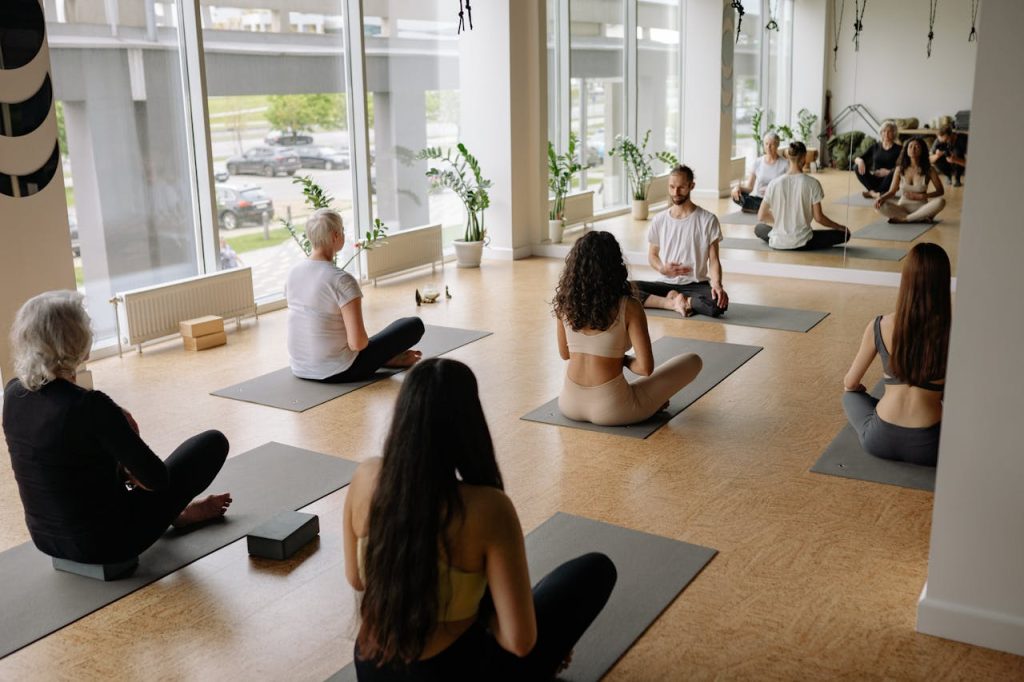
Mindfulness meditation is an excellent tool to deepen gratitude. By combining mindfulness and gratitude, you can experience:
- Reduced stress and emotional reactivity
- Enhanced focus on positive experiences
- Greater appreciation for simple moments
Sample mindfulness gratitude exercise:
- Sit quietly and take deep breaths.
- Reflect on one thing you’re grateful for today.
- Visualize the positive impact of that thing in your life.
- Hold that feeling for a few minutes before slowly releasing.
This simple practice aligns perfectly with the mission of Mindfulness Meditation Hub: helping you integrate mindfulness and gratitude for a happier, balanced life.
The Long-Term Benefits of Practicing Gratitude
Adopting a gratitude-focused lifestyle has lasting effects:
- Improved mental resilience: Gratitude reduces the impact of stressors over time.
- Stronger social connections: Expressing gratitude regularly builds trust and positive interactions.
- Enhanced physical health: Better sleep, lower stress hormones, and improved immune response.
- Sustained happiness: Gratitude creates a mental habit of positivity, supporting long-term life satisfaction.
Take the First Step Today
Start small, but be consistent. Even a few minutes of gratitude practice each day can transform your perspective, relationships, and overall well-being.
Actionable tips:
- Begin a gratitude journal tonight.
- Thank someone sincerely today.
- Meditate for five minutes, focusing solely on appreciation.
Remember, the most powerful facts on gratitude are experienced, not just read about. By integrating gratitude into your daily life, you’ll notice positive changes in your mood, mindset, and connections with others.
Final Thought
Gratitude is a powerful tool that benefits your mind, body, and soul. The scientific and psychological evidence shows that cultivating gratitude enhances mental health, strengthens relationships, and improves overall life satisfaction. By understanding these facts on gratitude and taking small daily actions, anyone can develop a more positive, mindful, and fulfilling life.
Start today, embrace gratitude, and transform your life—one mindful moment at a time.
FAQs for Facts on Gratitude
What are some surprising facts on gratitude?
Gratitude is not just a feeling—it can rewire your brain, improve sleep, reduce stress, and strengthen relationships. Science shows that regular gratitude practice has measurable mental and physical health benefits.
How does gratitude affect mental health?
Practicing gratitude lowers anxiety and depression levels, improves mood, and increases resilience during stressful situations. It shifts focus from negative thoughts to positive experiences.
Can gratitude improve physical health?
Yes. Studies show gratitude can lower blood pressure, strengthen the immune system, improve sleep quality, and reduce aches and pains.
What is the best way to practice gratitude daily?
Keeping a gratitude journal, mindful meditation, expressing thanks to others, and reflecting on positive moments are effective daily practices.
How can gratitude strengthen relationships?
Expressing appreciation and recognition fosters trust, empathy, and deeper connections with family, friends, and colleagues.
Is gratitude only about saying “thank you”?
No. Gratitude is a mindset and a habit, not just words. It involves reflecting on the positives in life and genuinely appreciating them.
Can children benefit from practicing gratitude?
Absolutely. Children who practice gratitude show improved emotional regulation, better social skills, and increased happiness.
How long does it take to feel the benefits of gratitude?
Even short daily practices, like five minutes of journaling, can show noticeable improvements in mood and mindset within a few weeks.
What are some science-backed facts on gratitude?
Gratitude activates the brain’s prefrontal cortex, boosts dopamine and serotonin, and can rewire neural pathways to promote positivity.
How is gratitude connected to mindfulness?
Gratitude is often integrated into mindfulness meditation to focus awareness on positive experiences, fostering calmness, presence, and emotional balance.
Can gratitude help with stress management?
Yes. Regular gratitude practices reduce stress hormones, increase resilience, and help maintain a positive outlook during challenging situations.
Are there common myths about gratitude?
Yes. Some myths include thinking gratitude is just politeness, comes naturally without effort, or is selfish if it benefits you. In reality, it’s a practice that improves both self and relationships.
How can I teach myself to be more grateful?
Start by journaling, reflecting on small daily positives, expressing appreciation to others, and practicing mindful gratitude exercises. Consistency is key.
Does gratitude affect sleep quality?
Yes. People who practice gratitude before bed fall asleep faster, sleep longer, and experience more restful sleep.
Can gratitude increase overall happiness?
Absolutely. Focusing on what you have rather than what you lack promotes contentment, positivity, and long-term life satisfaction.
Related Topics
- Articles on Mindfulness: Power of Meditation for Daily Life
- What Does Mindfulness Mean? Understanding Its Benefits
- What Is Being Mindfulness? A Complete Guide to Mindful Living
- Walking Mindfulness Meditation: A Simple Path to Inner Peace
- Mindfulness Body Scan Meditation: A Complete Guide
- Workplace Mindfulness: Improve Focus & Productivity
- Meditation Methods for Beginners | Start Your Mindfulness Journey
- What Does Being Mindful Mean? A Complete Guide to Mindfulness
- Definition of Mindfulness? Meaning, Benefits & Practice
- Mindfulness for the Workplace: Boost Productivity & Well-being
- Breath Meditation: A Complete Guide to Mindfulness & Relaxation
- Mastering the Art of Having Patience: A Mindfulness Approach
- Mindfulness Meditation for Anxiety: Calm Your Mind
- Self Meditating: A Complete Guide to Practicing Mindfulness
- Mindfulness for Grief: Find Peace Through Mindful Awareness
- Meditation and Sounds: Boost Mindfulness & Relaxation
- Emotion Mindfulness: Techniques to Manage Your Feelings
- Daily Mindfulness: How to Transform Your Life