
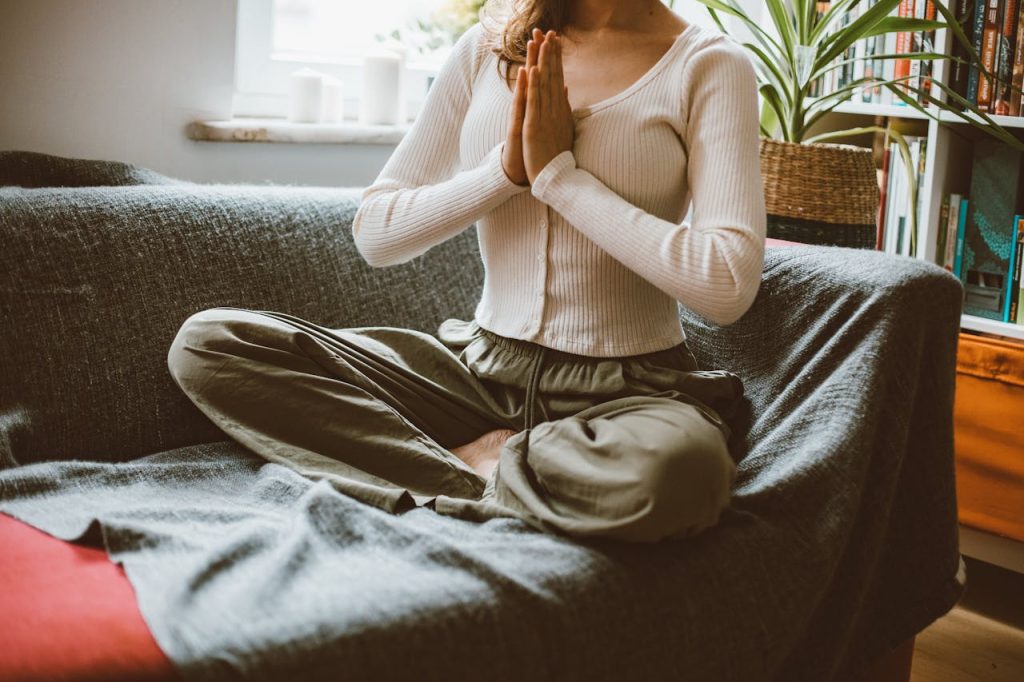
Discover practical strategies on how to be grateful for what you have. Learn mindfulness techniques, journaling tips, and daily habits to cultivate lasting gratitude and improve your well-being.
Overview
Gratitude is more than just saying “thank you.” It’s a powerful practice that transforms your perspective, reduces stress, and improves your overall well-being. In this blog post, you’ll learn how to be grateful for what you have by exploring practical strategies, mindfulness exercises, journaling techniques, and daily habits. By the end, you’ll have actionable steps to incorporate gratitude into your life every day.
What Is Gratitude and Why It Matters
Gratitude is the practice of recognizing and appreciating the positive aspects of your life. It’s not about ignoring challenges but about consciously acknowledging what is good. Research shows that cultivating gratitude:
- Reduces stress and anxiety
- Boosts mood and emotional resilience
- Strengthens relationships
- Improves physical health
Learning how to be grateful for what you have allows you to focus on abundance rather than lack. It’s a mindset shift that can create a more positive, fulfilling life.
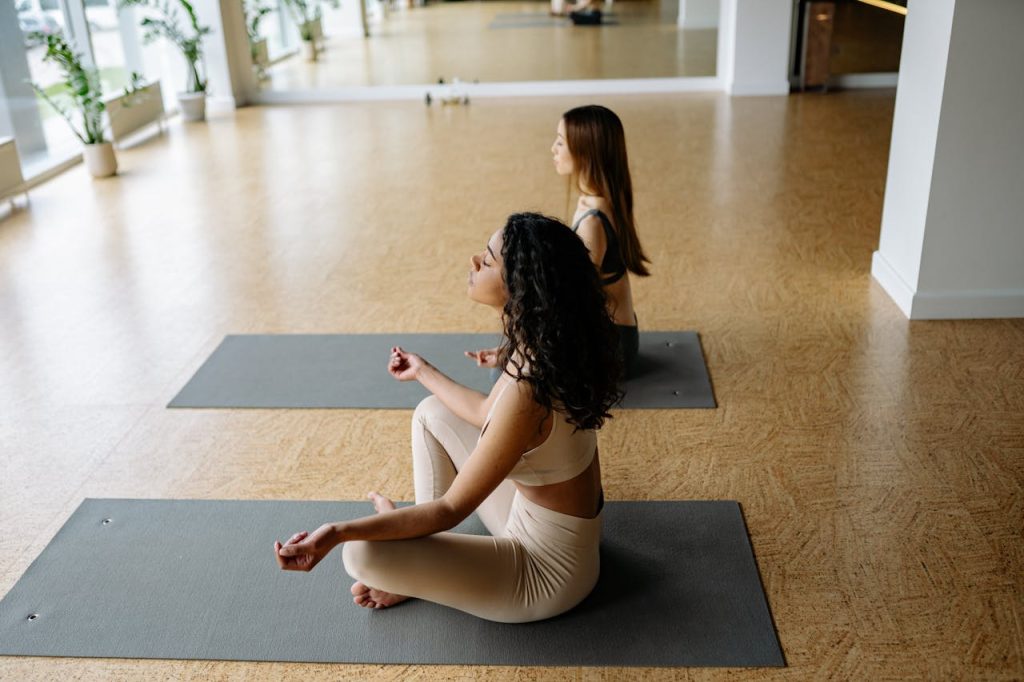
Mindfulness: The Foundation of Gratitude
Mindfulness is the practice of being fully present in the moment. By combining mindfulness with gratitude, you can notice the small blessings in your life that often go overlooked.
Tips to cultivate mindfulness for gratitude:
- Start your day with awareness: Before checking your phone, take a few deep breaths and notice three things you appreciate.
- Focus on the present: Instead of dwelling on the past or worrying about the future, pause and observe what is going well right now.
- Savor simple moments: Enjoy your morning coffee, the warmth of sunlight, or the sound of birds. A mindful approach amplifies gratitude.
Practical Ways to Be Grateful Every Day
Learning how to be grateful for what you have is easier when you have practical methods to follow. Here are several actionable strategies:
1. Keep a Gratitude Journal
Writing down what you’re grateful for helps solidify positive feelings.
How to start:
- Dedicate 5–10 minutes daily to write down 3–5 things you appreciate.
- Be specific: Instead of “I’m grateful for my friends,” write “I’m grateful for the laughter I shared with Sarah today.”
- Reflect weekly to see patterns and growth in your gratitude practice.
2. Express Gratitude to Others
Acknowledging the people who make your life better strengthens bonds and spreads positivity.
Ways to express gratitude:
- Send a heartfelt text or email
- Say “thank you” in person with sincerity.
- Write a short note or letter expressing your appreciation.
3. Practice Gratitude Meditation
Gratitude meditation is a mindfulness exercise that enhances emotional awareness.
Steps to follow:
- Sit in a quiet space and close your eyes.
- Take slow, deep breaths and focus on your heart.
- Visualize people, experiences, or things you’re thankful for.
- Silently say “thank you” or “I am grateful” with each breath.
Shift Your Mindset to Abundance
A major barrier to gratitude is a focus on what you lack. Shifting to an abundance mindset helps you truly learn how to be grateful for what you have.
Tips to embrace abundance:
- Compare yourself only to your past self, not others.
- Celebrate small wins and milestones
- Replace negative self-talk with positive affirmations, e.g., “I have enough to be happy today.”
Use Daily Habits to Reinforce Gratitude
Integrating gratitude into daily routines makes it automatic over time.
Daily gratitude habits include:
- Morning reflection: Think of one thing you’re thankful for before leaving the house.
- Evening review: End your day by listing one positive moment.
- Mindful eating: Appreciate the nourishment and effort behind your meals.
- Gratitude jar: Write down things you’re thankful for on slips of paper and read them weekly.
These small but consistent practices help you internalize gratitude naturally.
Overcoming Challenges to Gratitude
It’s normal to feel resistance or forgetfulness in the beginning. Common challenges include:
- Busyness: Life’s demands may distract you from gratitude practices.
- Negative mindset: Focusing on problems can overshadow appreciation.
- Comparisons: Social media or peer pressure may lead to envy or dissatisfaction.
How to overcome:
- Set reminders or alarms for journaling or meditation
- Start small—one gratitude practice daily is better than none.
- Acknowledge struggles without judgment, then redirect attention to positive aspects.
The Science Behind Gratitude
Scientific studies highlight the impact of gratitude on mental and physical health:
- Mental health: People who practice gratitude report higher levels of happiness and lower levels of depression.
- Physical health: Grateful individuals often exercise more and experience fewer aches and pains.
- Sleep quality: Gratitude journaling before bed can improve sleep duration and quality.
These findings reinforce why learning how to be grateful for what you have isn’t just a feel-good practice—it’s a life-enhancing strategy.
How Gratitude Improves Relationships
Gratitude isn’t only an internal practice—it enhances connections with others.
Benefits in relationships:
- Shows appreciation for partners, friends, and family
- Encourages reciprocal kindness and cooperation
- Reduces resentment and promotes forgiveness
By consistently acknowledging the contributions of others, you create deeper, more meaningful bonds.
Integrating Gratitude with Mindfulness Meditation Hub Services
At Mindfulness Meditation Hub, we offer guidance on mindfulness, meditation, and emotional well-being. Our services help you:
- Learn meditation techniques that cultivate gratitude
- Develop daily mindfulness routines
- Access guided exercises to reflect on what you have
By combining our meditation resources with gratitude practices, you can fully experience the benefits of being grateful for what you have.
Key Takeaways: How to Be Grateful for What You Have
- Gratitude changes your perspective: Focus on abundance rather than scarcity.
- Daily practices matter: Journaling, meditation, and expressing thanks reinforce positive habits.
- Mindfulness enhances gratitude: Being present allows you to notice blessings you may overlook.
- Gratitude benefits mind, body, and relationships: reduced stress, improved sleep, and stronger bonds
Start small, stay consistent, and make gratitude an integral part of your life. Over time, these practices transform how you experience the world.
Final Thought
Learning how to be grateful for what you have is a lifelong journey that yields powerful benefits. From mental and emotional wellness to improved relationships, gratitude shapes a more fulfilling life. By combining mindfulness, journaling, meditation, and daily habits, you can cultivate a mindset of appreciation that brings lasting joy and resilience.
Start today by acknowledging one thing you’re grateful for, and notice how your perspective begins to shift. Gratitude isn’t just a practice—it’s a lifestyle.
FAQs for How to Be Grateful for What You Have
What does it mean to be grateful for what you have?
Being grateful for what you have means appreciating the people, experiences, and things in your life, rather than focusing on what’s missing.
How can I start practicing gratitude daily?
You can start by keeping a gratitude journal, setting aside time for mindfulness meditation, or simply reflecting on one positive thing each day.
How long does it take to feel the benefits of gratitude?
Many people notice improved mood and emotional balance within a few weeks of daily gratitude practice. Long-term benefits increase with consistency.
Can gratitude improve my mental health?
Yes. Gratitude has been shown to reduce stress, anxiety, and depressive symptoms while boosting overall happiness.
What are some simple ways to be grateful for what you have?
Simple ways include journaling, expressing thanks to others, mindful breathing, savoring small moments, and reflecting on positive experiences.
How does mindfulness help with gratitude?
Mindfulness makes you aware of the present moment, helping you notice and appreciate small blessings you might otherwise overlook.
Can gratitude improve relationships?
Absolutely. Expressing appreciation strengthens bonds, promotes kindness, and fosters mutual respect in personal and professional relationships.
What if I feel like I have nothing to be grateful for?
Start small. Focus on basic things like your health, food, shelter, or supportive people. Gratitude grows as you notice even the smallest positives.
How can journaling help me learn how to be grateful for what I have?
Writing down what you appreciate reinforces positive emotions, helps you track patterns, and makes gratitude a regular habit.
Can gratitude affect my physical health?
Yes. Studies suggest grateful people exercise more, sleep better, and even experience fewer aches and pains.
How do I make gratitude a lifelong habit?
Consistency is key. Integrate gratitude into daily routines, set reminders, and combine it with meditation or mindfulness practices.
Is gratitude only about saying “thank you”?
No. Gratitude is about consciously acknowledging what you value in life, both internally and externally, not just verbally expressing thanks.
Can children learn how to be grateful for what they have?
Yes. Teaching kids to notice and appreciate small positive experiences, modeling gratitude, and involving them in gratitude exercises helps build lifelong habits.
How can I combine gratitude with meditation?
During meditation, focus on things you are thankful for. Visualize positive experiences or people in your life and silently express appreciation.
What are common challenges when practicing gratitude, and how can I overcome them?
Challenges include busyness, negative thoughts, and comparisons. Overcome them by starting small, setting reminders, and focusing on your own journey.
Related Topics
- Articles on Mindfulness: Power of Meditation for Daily Life
- What Does Mindfulness Mean? Understanding Its Benefits
- What Is Being Mindfulness? A Complete Guide to Mindful Living
- Walking Mindfulness Meditation: A Simple Path to Inner Peace
- Mindfulness Body Scan Meditation: A Complete Guide
- Workplace Mindfulness: Improve Focus & Productivity
- Meditation Methods for Beginners | Start Your Mindfulness Journey
- What Does Being Mindful Mean? A Complete Guide to Mindfulness
- Definition of Mindfulness? Meaning, Benefits & Practice
- Mindfulness for the Workplace: Boost Productivity & Well-being
- Breath Meditation: A Complete Guide to Mindfulness & Relaxation
- Mastering the Art of Having Patience: A Mindfulness Approach
- Mindfulness Meditation for Anxiety: Calm Your Mind
- Self Meditating: A Complete Guide to Practicing Mindfulness
- Mindfulness for Grief: Find Peace Through Mindful Awareness
- Meditation and Sounds: Boost Mindfulness & Relaxation
- Emotion Mindfulness: Techniques to Manage Your Feelings
- Daily Mindfulness: How to Transform Your Life