
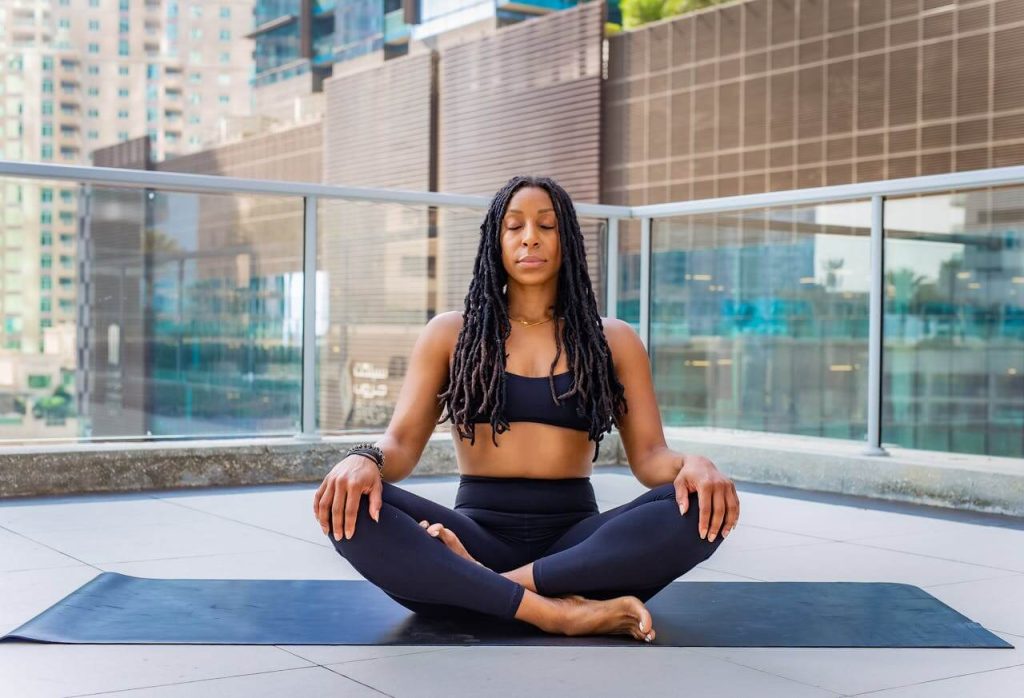
Learn how to be mindful with practical techniques you can use every day. Discover simple mindfulness practices to reduce stress, improve focus, and live more intentionally.
Overview
In today’s fast-paced world, many people feel overwhelmed by constant notifications, responsibilities, and stress. Learning how to be mindful can transform the way you experience daily life. Mindfulness helps you slow down, pay attention to the present moment, and respond to situations with clarity instead of stress.
Mindfulness isn’t just a meditation technique—it’s a way of living with awareness, intention, and balance. When practised regularly, it can improve mental clarity, emotional well-being, and overall happiness.
This guide will help you understand how to be mindful, why it matters, and how you can start practising it in simple ways every day.
What Does It Mean to Be Mindful?
Mindfulness is the practice of being fully present in the current moment without judgement. It means noticing your thoughts, emotions, and surroundings with awareness rather than reacting automatically.
When people ask how to be mindful, the answer often begins with learning to pause and observe the present moment.
Mindfulness involves the following:
- Paying attention to your breathing
- Noticing your thoughts without judging them
- Being aware of your surroundings
- Observing emotions calmly
- Accepting experiences as they are
Instead of worrying about the past or future, mindfulness teaches you to focus on what is happening right now.
Why Learning How to Be Mindful Matters
Many people today struggle with stress, anxiety, and mental overload. Practising mindfulness offers a powerful solution for these challenges.
When you learn how to be mindful, you begin to experience benefits such as the following:
Reduced Stress
Mindfulness helps calm the nervous system and reduce stress levels.
Improved Focus
Being present allows your brain to concentrate more effectively on tasks.
Better Emotional Control
Mindfulness helps you respond thoughtfully instead of reacting impulsively.
Increased Self-Awareness
You begin to understand your thoughts and emotions more clearly.
Improved Relationships
Being fully present improves communication and connection with others.
Learning how to be mindful is not about eliminating thoughts—it’s about understanding them and responding calmly.
Simple Techniques to Practice Mindfulness Daily
If you’re wondering how to be mindful, the good news is that you don’t need hours of meditation. Small daily practices can make a big difference.
Below are simple techniques you can start using today.
1. Practice Mindful Breathing
Mindful breathing is one of the easiest ways to learn how to be mindful.
Take a few minutes to focus on your breath.
Steps:
- Sit comfortably
- Close your eyes.
- Breathe slowly through your nose.
- Notice the sensation of air entering and leaving your body
If your mind wanders, gently bring your attention back to your breath.
Even 3–5 minutes a day can improve awareness and calm your mind.
2. Observe Your Thoughts Without Judgement
Many people struggle because they try to stop their thoughts. Mindfulness teaches you to observe them instead.
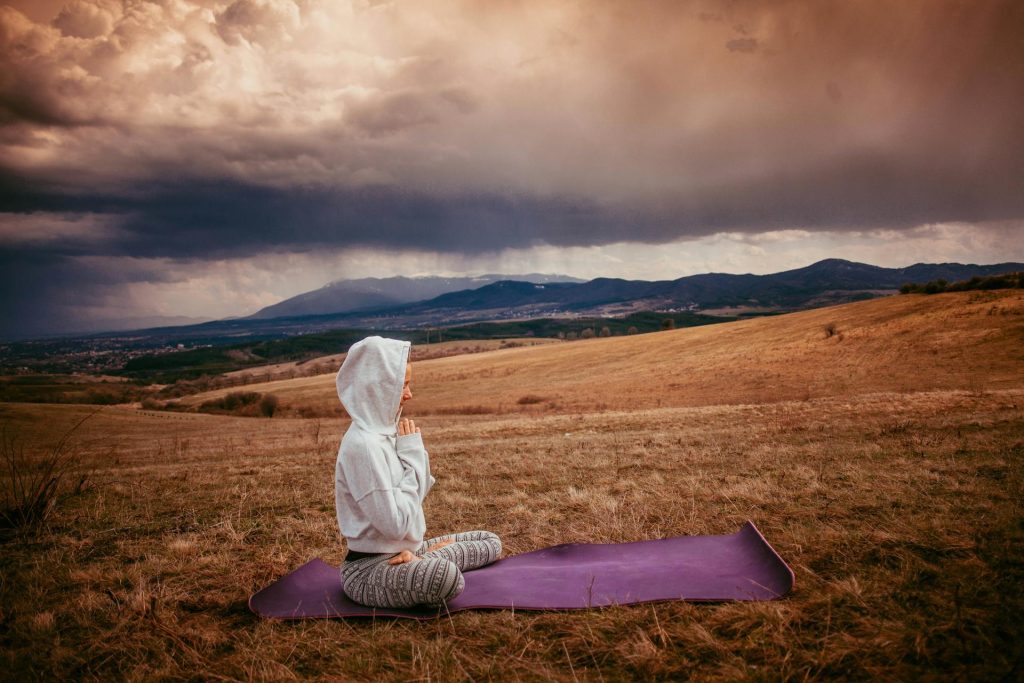
When practising how to be mindful, imagine your thoughts as clouds passing in the sky.
Instead of reacting to them:
- Notice the thought
- Acknowledge it
- Let it pass
This technique helps reduce overthinking and mental stress.
3. Engage Fully in Daily Activities
Mindfulness doesn’t only happen during meditation. You can practise it during everyday activities.
For example:
- While eating, notice flavours and textures
- While walking, pay attention to your steps.
- While washing dishes, focus on the sensations
Learning how to be mindful means turning ordinary moments into opportunities for awareness.
4. Use the “Pause and Breathe” technique.
When you feel overwhelmed or stressed, pause for a moment.
Take three deep breaths and ask yourself:
- What am I feeling right now?
- What thoughts are passing through my mind?
- What do I need in this moment?
This simple pause helps you reconnect with the present moment and practise how to be mindful during stressful situations.
5. Practise Mindful Listening
Mindful listening improves relationships and communication.
Instead of planning your response while someone is speaking, try to:
- Focus fully on their words
- Observe their tone and emotions
- Avoid interrupting
- Respond thoughtfully
This practice strengthens your ability to stay present and shows respect for others.
How to Be Mindful in Everyday Life
Mindfulness is most powerful when it becomes part of your daily routine.
Here are practical ways to practise how to be mindful throughout your day.
Morning Awareness
Start your day with intention:
- Take a few deep breaths.
- Notice how your body feels
- Set a positive intention for the day
Mindful Work Habits
During work:
- Focus on one task at a time
- Take short mindful breathing breaks
- Avoid multitasking
Mindful Technology Use
Digital distractions often reduce awareness.
Try these habits:
- Turn off unnecessary notifications
- Take breaks from screens
- Be intentional about when and why you use devices.
Evening Reflection
Before bed, take a few moments to reflect:
- What went well today?
- What did you learn?
- What are you grateful for?
These reflections strengthen your mindfulness practice.
Common Challenges When Practising Mindfulness
Learning how to be mindful can sometimes feel difficult at first. Many beginners face common obstacles.
“My Mind Keeps Wandering”
This is completely normal. Mindfulness is not about stopping thoughts—it’s about noticing them.
“I Don’t Have Enough Time”
Mindfulness doesn’t require long sessions. Even a few minutes daily can create meaningful change.
“I’m Not Doing It Perfectly”
There is no perfect way to practise mindfulness. The goal is simply to be aware.
Consistency matters more than perfection.
Building a Long-Term Mindfulness Habit
If you want to master how to be mindful, consistency is key.
Here are strategies to build a lasting practice.
Start Small
Begin with just 5 minutes per day.
Create a Routine
Practice mindfulness at the same time each day.
Use Reminders
Set phone reminders or place visual cues in your environment.
Be Patient
Mindfulness develops gradually. Over time, awareness becomes more natural.
How Mindfulness Can Transform Your Life
Many people who learn how to be mindful report significant improvements in their well-being.
Mindfulness can help you:
- Feel calmer during stressful situations
- Improve concentration and productivity
- Develop healthier emotional responses
- Enjoy everyday moments more deeply
- Strengthen relationships and communication
The more you practise mindfulness, the more naturally it becomes part of your life.
Begin Your Mindfulness Journey Today
Learning how to be mindful is one of the most valuable skills you can develop for your mental and emotional health.
Mindfulness helps you slow down, reconnect with the present moment, and experience life with greater clarity and peace.
Remember:
- You don’t need to be perfect.
- You only need to begin
- Small moments of awareness create powerful changes over time.
By practising mindfulness regularly, you can cultivate a calmer mind, stronger focus, and a more meaningful connection with yourself and the world around you.
FAQs for How to Be Mindful
What does it mean to be mindful?
Being mindful means paying full attention to the present moment without judgment. It involves being aware of your thoughts, emotions, body sensations, and surroundings rather than being distracted by the past or future.
How can beginners start practicing mindfulness?
Beginners can start with simple practices like mindful breathing, short meditation sessions, or paying attention to everyday activities such as eating or walking. Starting with just a few minutes a day is enough to begin building the habit.
Why is mindfulness important for mental health?
Mindfulness helps reduce stress, anxiety, and mental overload by encouraging people to focus on the present moment. It also improves emotional regulation and helps individuals respond calmly to challenging situations.
How long should I practice mindfulness each day?
Even practicing mindfulness for 5–10 minutes daily can provide noticeable benefits. Over time, you can gradually increase the duration as mindfulness becomes a regular part of your routine.
Can mindfulness help reduce stress?
Yes, mindfulness is widely known for reducing stress. By focusing on the present moment and practicing calm breathing, mindfulness helps relax the nervous system and lower stress levels.
Is mindfulness the same as meditation?
Mindfulness and meditation are closely related but not identical. Meditation is a structured practice used to develop mindfulness, while mindfulness itself can be practiced anytime during daily activities.
How can I be mindful during a busy day?
You can practice mindfulness during simple activities like walking, eating, or taking a break. Pausing for a few deep breaths and paying attention to your surroundings can help bring awareness back to the present moment.
What are some simple mindfulness exercises?
Simple mindfulness exercises include mindful breathing, body scan meditation, mindful walking, gratitude reflection, and focusing on sensory experiences like sounds or textures.
Can mindfulness improve focus and productivity?
Yes, mindfulness improves focus by training the brain to concentrate on one task at a time. This can enhance productivity and reduce distractions during work or study.
What are the benefits of mindful breathing?
Mindful breathing helps calm the mind, reduce anxiety, and improve concentration. It also encourages relaxation and supports better emotional balance.
How can mindfulness improve relationships?
Mindfulness helps people become better listeners and more emotionally aware. This leads to improved communication, deeper connections, and healthier relationships.
Do I need special equipment to practice mindfulness?
No special equipment is required to practice mindfulness. All you need is a quiet space and a few minutes to focus on your breathing or awareness.
Can mindfulness help with anxiety?
Yes, mindfulness can help reduce anxiety by encouraging individuals to observe their thoughts without judgment. This helps break the cycle of worry and promotes calmness.
How long does it take to see results from mindfulness?
Many people notice benefits such as reduced stress and improved focus within a few weeks of consistent mindfulness practice.
Can mindfulness become a daily habit?
Yes, mindfulness can easily become a daily habit by practicing small moments of awareness throughout the day, such as mindful breathing, walking, or reflecting on gratitude.
Related Topics
- Articles on Mindfulness: Power of Meditation for Daily Life
- What Does Mindfulness Mean? Understanding Its Benefits
- What Is Being Mindfulness? A Complete Guide to Mindful Living
- Walking Mindfulness Meditation: A Simple Path to Inner Peace
- Mindfulness Body Scan Meditation: A Complete Guide
- Workplace Mindfulness: Improve Focus & Productivity
- Meditation Methods for Beginners | Start Your Mindfulness Journey
- What Does Being Mindful Mean? A Complete Guide to Mindfulness
- Definition of Mindfulness? Meaning, Benefits & Practice
- Mindfulness for the Workplace: Boost Productivity & Well-being
- Breath Meditation: A Complete Guide to Mindfulness & Relaxation
- Mastering the Art of Having Patience: A Mindfulness Approach
- Mindfulness Meditation for Anxiety: Calm Your Mind
- Self Meditating: A Complete Guide to Practicing Mindfulness
- Mindfulness for Grief: Find Peace Through Mindful Awareness
- Meditation and Sounds: Boost Mindfulness & Relaxation
- Emotion Mindfulness: Techniques to Manage Your Feelings
- Daily Mindfulness: How to Transform Your Life