
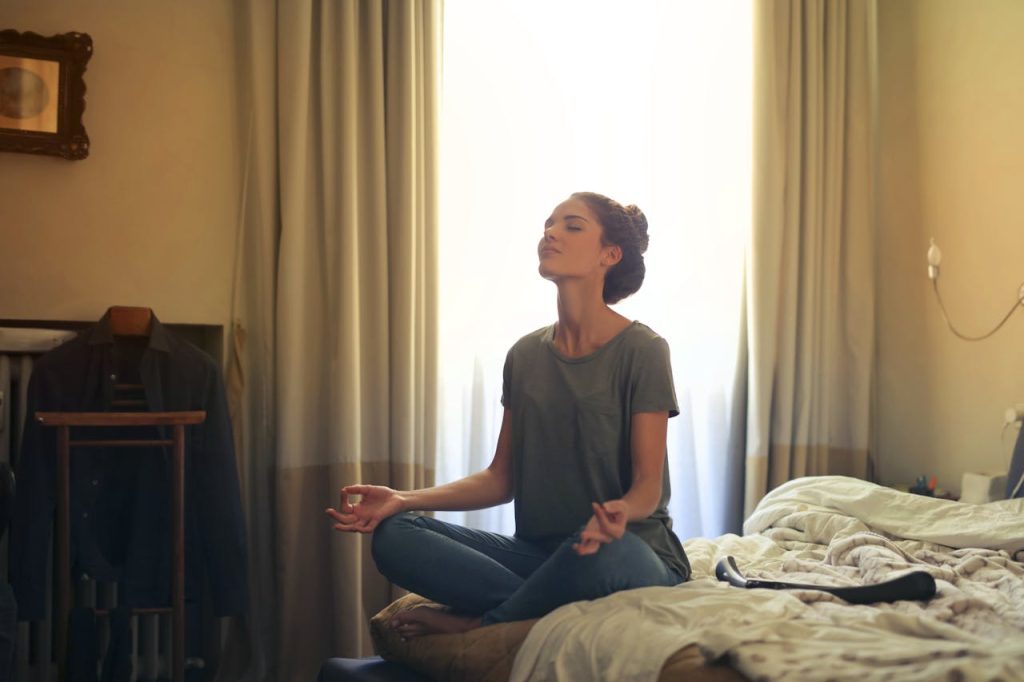
Learn how to be mindful in daily life with simple, practical steps. Discover techniques, benefits, and expert tips to build a consistent mindfulness practice for lasting calm and clarity.
Overview
In today’s fast-paced world, distractions are everywhere. Between constant notifications, work responsibilities, and personal commitments, it’s easy to feel overwhelmed. If you’ve been wondering how to be mindful in your everyday life, you’re not alone. Many people are searching for practical ways to slow down, reduce stress, and reconnect with the present moment.
At Mindfulness Meditation Hub, we specialize in helping individuals cultivate awareness, balance, and inner peace through proven mindfulness techniques. This guide will walk you step-by-step through how to be mindful, even if you’re completely new to the practice.
What Does It Really Mean to Be Mindful?
Before diving into techniques, it’s important to understand what mindfulness is.
Mindfulness is the practice of paying full attention to the present moment without judgment. It involves observing your thoughts, emotions, bodily sensations, and surroundings with curiosity rather than criticism.
When learning how to be mindful, you’re not trying to stop your thoughts. Instead, you’re learning how to notice them without getting carried away by them.
Mindfulness is
- Being present rather than distracted
- Observing rather than reacting
- Accepting rather than resisting
- Intentional rather than automatic
It’s a skill — and like any skill, it can be developed with practice.
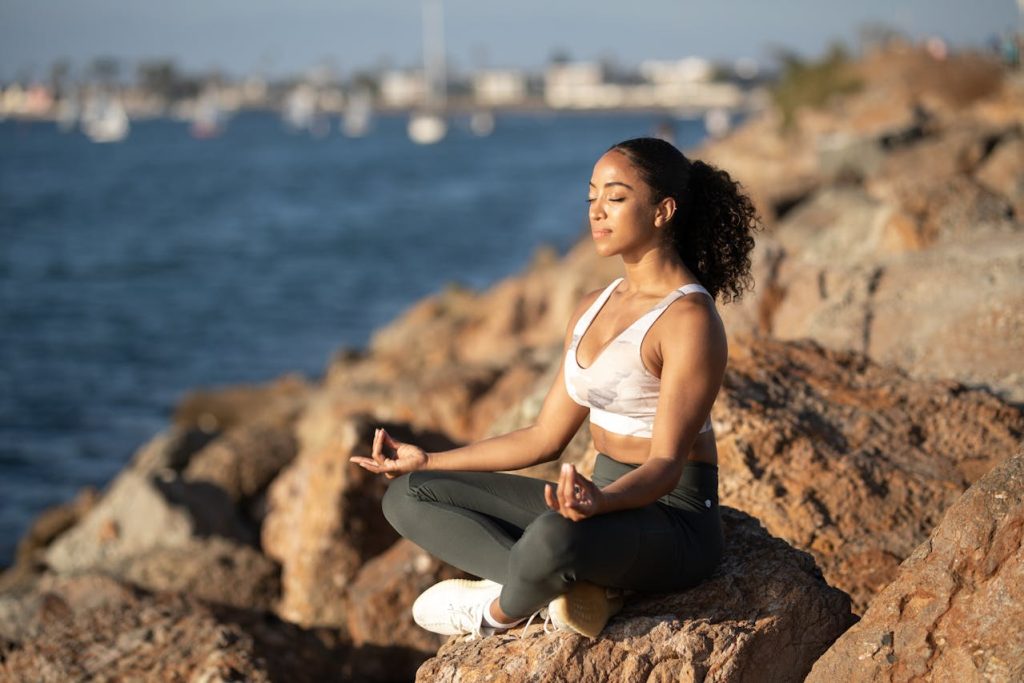
Why Learning How to Be Mindful Matters
Understanding how to be mindful can positively impact every area of your life. Research continues to show that mindfulness can:
- Reduce stress and anxiety
- Improve focus and concentration
- Enhance emotional regulation
- Strengthen relationships
- Improve sleep quality
- Increase overall life satisfaction
When you practice mindfulness consistently, you train your brain to respond rather than react. That shift alone can transform your daily experiences.
How to Be Mindful: A Step-by-Step Guide
Let’s break this down into practical, manageable steps.
1. Start with Conscious Breathing
The simplest way to begin learning how to be mindful is through your breath.
How to Practice Mindful Breathing:
- Sit comfortably with your back straight.
- Close your eyes or soften your gaze.
- Take a slow, deep breath in through your nose.
- Exhale gently through your mouth.
- Focus only on the sensation of breathing.
When your mind wanders (and it will), gently bring your attention back to your breath.
Start with just 3–5 minutes per day. Consistency matters more than duration.
2. Practice Mindful Observation
Another essential part of learning how to be mindful is training your attention.
Choose one object in your environment—a plant, a cup of coffee, the sky—and observe it closely for a few minutes.
Notice:
- Colors
- Textures
- Shapes
- Shadows
- Movement
This simple exercise strengthens your ability to remain present.
3. Bring Mindfulness into Daily Activities
Mindfulness doesn’t have to be limited to meditation. In fact, one of the most powerful ways to master how to be mindful is by integrating it into everyday life.
You can practice mindfulness while:
- Eating meals (note taste and texture)
- Walking (pay attention to each step)
- Showering (feel the water temperature)
- Listening (fully focus on the speaker)
The key is full presence.
4. Notice Your Thoughts Without Judgment
A major misconception about mindfulness is that you must “clear your mind.” That’s not true.
Learning how to be mindful involves observing your thoughts like passing clouds. Instead of labeling thoughts as “good” or “bad,” simply notice them.
For example:
- “I’m feeling stressed.”
- “I’m worried about tomorrow.”
- “I’m distracted right now.”
Awareness creates space — and space reduces reactivity.
5. Practice Body Awareness
Your body is always in the present moment. When you connect with bodily sensations, you naturally become mindful.
Try a simple body scan:
- Close your eyes.
- Slowly move your attention from your head to your toes.
- Notice tension, warmth, or relaxation.
- Breathe into areas of tightness.
This technique is powerful for stress reduction and grounding.
Common Challenges When Learning How to Be Mindful
It’s normal to encounter obstacles. Here are some common ones and how to overcome them:
“My Mind Won’t Stop Racing.”
That’s completely normal. The goal isn’t to stop thoughts — it’s to observe them.
“I Don’t Have Time.”
You can practice mindfulness in small moments. Even 60 seconds of conscious breathing counts.
“I’m Not Doing It Right.”
There is no perfect way. If you’re aware of the present moment, you’re practicing mindfulness.
Remember: Mindfulness is progress, not perfection.
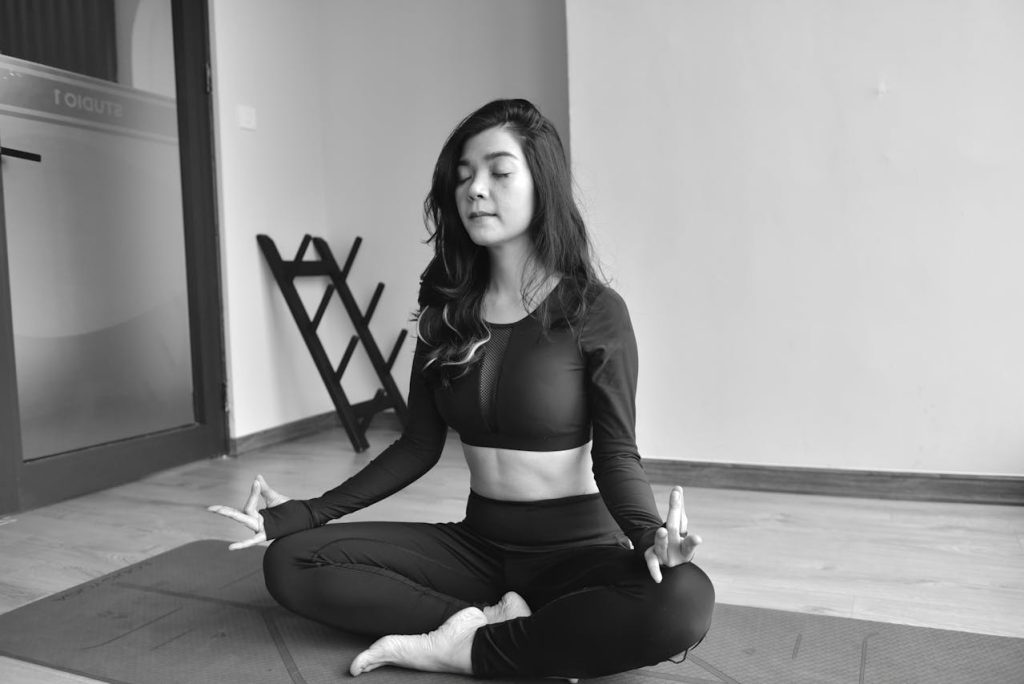
Creating a Daily Mindfulness Routine
Consistency is what transforms mindfulness from a concept into a lifestyle.
Here’s a simple daily structure:
Morning (5–10 Minutes)
- Mindful breathing
- Set an intention for the day
Midday Reset (2–3 Minutes)
- Pause and take 5 slow breaths.
- Notice how your body feels.
Evening Reflection (5 Minutes)
- Reflect on moments of presence.
- Acknowledge emotional experiences.
If you truly want to master how to be mindful, building a daily rhythm makes all the difference.
How Our Mindfulness Services Support Your Journey
At Mindfulness Meditation Hub, we don’t just teach theory—we guide transformation.
Our offerings are designed to help you:
- Develop a sustainable mindfulness practice
- Learn structured meditation techniques
- Access guided sessions for stress relief
- Deepen your emotional awareness
- Stay accountable with supportive resources
If you’ve been struggling with consistency, personalized guidance can accelerate your progress. Learning how to be mindful becomes much easier when you have structured support and expert instruction.
The Long-Term Benefits of Being Mindful
When you commit to mindfulness over time, you may notice:
- Greater emotional resilience
- Improved clarity in decision-making
- Healthier responses to conflict
- Reduced overwhelm
- Increased gratitude and appreciation
Mindfulness changes how you experience life — not by changing your circumstances, but by changing your relationship to them.
Final Thoughts: Mindfulness Is a Practice, Not a Destination
Understanding how to be mindful is not about reaching a perfect state of calm. It’s about showing up for each moment as it is.
Some days will feel easy. Others may feel challenged. That’s part of the journey.
The most important step is simply beginning.
If you’re ready to go deeper, explore our guided practices and structured programs at Mindfulness Meditation Hub. With the right tools and support, mindfulness can become a natural and empowering part of your daily life.
FAQs for How to Be Mindfulness
What does it mean to learn how to be mindfulness?
Learning how to be mindfulness means developing the ability to stay present in the moment without judgment. It involves observing your thoughts, emotions, and surroundings with awareness rather than reacting automatically.
How can beginners start practicing how to be mindfulness?
Beginners can start by focusing on their breath for a few minutes each day. Simple breathing exercises and mindful observation are excellent starting points for building awareness.
How long does it take to see results from mindfulness practice?
Some people notice benefits within a few days, while others may take a few weeks. Consistency is key when learning how to be mindfulness and building a lasting habit.
Can mindfulness help reduce stress and anxiety?
Yes, mindfulness has been shown to reduce stress and anxiety by helping individuals respond calmly rather than react impulsively to challenging situations.
Is mindfulness the same as meditation?
Mindfulness and meditation are closely related, but not identical. Meditation is a structured practice, while mindfulness can be applied to everyday activities like walking, eating, or listening.
How often should I practice mindfulness?
For best results, practice daily. Even 5–10 minutes per day can significantly improve your ability to stay present and focused.
Can I practice mindfulness without sitting in silence?
Absolutely. You can practice mindfulness while doing daily tasks such as washing dishes, driving, or exercising by paying full attention to the activity.
Why is my mind so busy during mindfulness practice?
A busy mind is completely normal. Learning how to be mindfulness includes observing your thoughts without judgment rather than trying to stop them.
What are the long-term benefits of mindfulness?
Long-term benefits may include improved emotional regulation, better focus, stronger relationships, improved sleep, and greater overall life satisfaction.
Can mindfulness improve focus and productivity?
Yes, mindfulness enhances concentration by training your brain to stay engaged in the present moment, reducing distractions.
Is mindfulness suitable for everyone?
Mindfulness is generally suitable for most people. However, individuals with specific mental health concerns may benefit from guided support when starting their practice.
How can guided programs help me learn how to be mindfulness?
Guided programs provide structure, accountability, and expert instruction, making it easier to build and maintain a consistent mindfulness routine.
What is the best time of day to practice mindfulness?
The best time is whenever you can practice consistently. Many people prefer mornings to set intentions or evenings to reflect and unwind.
Can mindfulness improve relationships?
Yes, practicing mindfulness helps you become a better listener and respond thoughtfully in conversations, strengthening personal and professional relationships.
How do I stay consistent with mindfulness practice?
Start small, schedule your sessions, and consider structured guidance from trusted resources like Mindfulness Meditation Hub to stay accountable and motivated.
Related Topics
- Articles on Mindfulness: Power of Meditation for Daily Life
- What Does Mindfulness Mean? Understanding Its Benefits
- What Is Being Mindfulness? A Complete Guide to Mindful Living
- Walking Mindfulness Meditation: A Simple Path to Inner Peace
- Mindfulness Body Scan Meditation: A Complete Guide
- Workplace Mindfulness: Improve Focus & Productivity
- Meditation Methods for Beginners | Start Your Mindfulness Journey
- What Does Being Mindful Mean? A Complete Guide to Mindfulness
- Definition of Mindfulness? Meaning, Benefits & Practice
- Mindfulness for the Workplace: Boost Productivity & Well-being
- Breath Meditation: A Complete Guide to Mindfulness & Relaxation
- Mastering the Art of Having Patience: A Mindfulness Approach
- Mindfulness Meditation for Anxiety: Calm Your Mind
- Self Meditating: A Complete Guide to Practicing Mindfulness
- Mindfulness for Grief: Find Peace Through Mindful Awareness
- Meditation and Sounds: Boost Mindfulness & Relaxation
- Emotion Mindfulness: Techniques to Manage Your Feelings
- Daily Mindfulness: How to Transform Your Life