
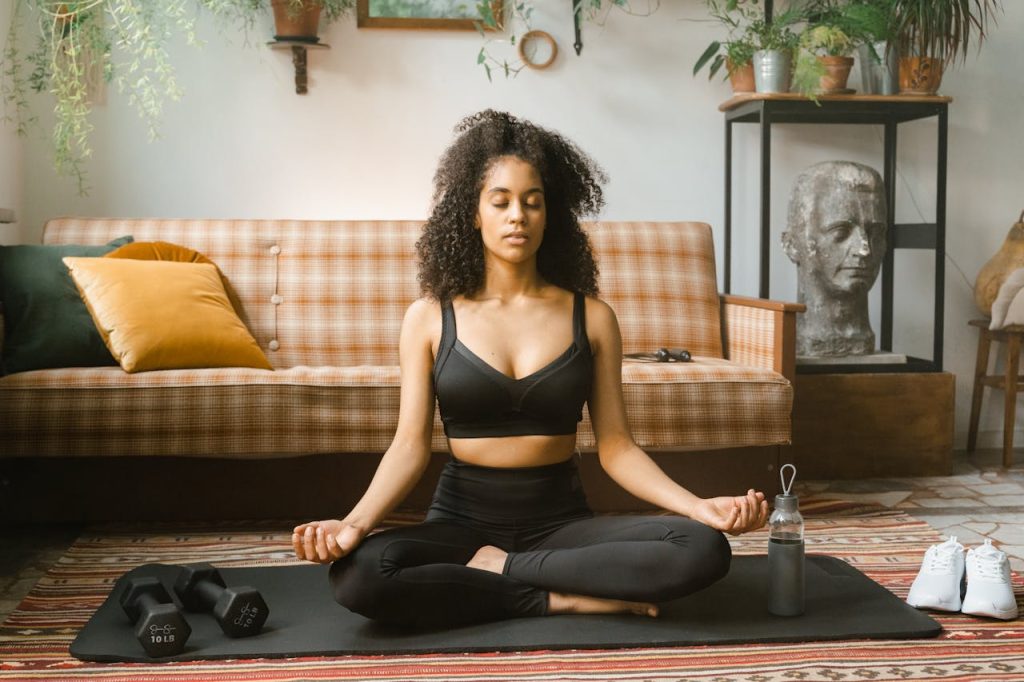
Learn how to do mindfulness with our step-by-step guide. Discover simple techniques, tips for beginners, and daily exercises to reduce stress, improve focus, and enhance well-being.
Overview
Mindfulness is a powerful practice that helps you stay present, reduce stress, and improve your mental and physical well-being. In this blog post, you will learn how to do mindfulness, including step-by-step techniques, exercises for beginners, tips to incorporate mindfulness into daily life, and common challenges to avoid. Whether you are new to mindfulness or looking to deepen your practice, this guide will give you practical tools to make mindfulness a natural part of your routine.
What Is Mindfulness?
Mindfulness is the practice of intentionally paying attention to the present moment without judgment. It encourages awareness of your thoughts, feelings, and surroundings, helping you stay grounded and calm.
Unlike multitasking or mindless routines, mindfulness brings clarity, focus, and emotional balance. It is backed by research for its benefits in reducing stress, anxiety, and depression while enhancing concentration and emotional regulation.
Why Mindfulness Matters
Practicing mindfulness regularly can transform your life in multiple ways:
- Reduces stress: Mindfulness lowers cortisol, the stress hormone, helping you feel calmer.
- Improves focus and productivity: Being present reduces distractions and improves decision-making.
- Enhances emotional health: Mindfulness fosters acceptance, patience, and empathy.
- Supports physical well-being: It can reduce blood pressure, improve sleep, and boost immunity.
- Promotes self-awareness: You become more conscious of your thoughts, habits, and reactions.
How to Do Mindfulness: Step-by-Step Techniques
Learning how to do mindfulness is simple but requires consistent practice. Here are some effective steps:
1. Start with Your Breath
Your breath is a natural anchor to the present moment.
- Sit comfortably and close your eyes.
- Take slow, deep breaths, noticing the air moving in and out of your body.
- When your mind wanders, gently bring your attention back to your breath.
Tip: Start with 5 minutes a day and gradually increase to 15-20 minutes.
2. Body Scan Meditation
A body scan helps you become aware of sensations and release tension.
- Lie down or sit comfortably.
- Slowly focus on each part of your body, starting from your toes up to your head.
- Notice any tension or discomfort without judgment.
- Breathe into tight areas and allow relaxation.
Benefit: Body scans increase physical awareness and reduce stress.
3. Mindful Observation
Mindful observation encourages you to notice your environment with curiosity.
- Choose an object (a flower, a cup, or a candle).
- Observe it carefully, noting its color, texture, shape, and details.
- Focus only on the object, letting go of other thoughts.
Tip: This practice trains your mind to focus and enhances appreciation for small moments.
4. Mindful Walking
Mindful walking combines movement with awareness, perfect for those who find sitting still challenging.
- Walk slowly in a quiet space, focusing on each step.
- Notice how your feet touch the ground and how your body shifts.
- Synchronize your breath with your steps for deeper mindfulness.
Benefit: Improves mental clarity, reduces anxiety, and adds mindfulness to your daily routine.
5. Mindful Eating
Eating can also be a form of mindfulness.
- Eat slowly, savoring each bite.
- Notice textures, flavors, and aromas.
- Avoid distractions like TV or phones while eating.
Tip: Mindful eating promotes healthier digestion and prevents overeating.
6. Guided Mindfulness Sessions
If you are new to mindfulness, guided sessions can help:
- Use apps or online resources for 5–20-minute guided meditations.
- Follow instructions on breathing, body awareness, or visualization exercises.
- Gradually transition to self-guided mindfulness practices.
Pro Tip: Practicing mindfulness with a teacher or guide can enhance consistency and confidence.
Tips to Make Mindfulness a Daily Habit
Consistency is key to mastering how to do mindfulness. Here are practical ways to integrate mindfulness into daily life:
- Start small: Begin with 5 minutes a day and gradually increase.
- Set reminders: Use phone alarms or sticky notes to remind you to pause and breathe.
- Mindful transitions: Use routine activities like brushing teeth, showering, or commuting as opportunities for mindfulness.
- Create a dedicated space: Have a quiet, comfortable area for meditation to make practice inviting.
- Be patient: Mindfulness is a skill that develops over time. Do not judge yourself for wandering thoughts.
Common Challenges in Mindfulness Practice
Even experienced meditators face challenges. Knowing them helps you stay consistent:
- Restless mind: It’s normal for your mind to wander. Gently bring focus back to your breath or chosen anchor.
- Impatience: Mindfulness takes time to show results. Keep practice consistent, even if progress feels slow.
- Physical discomfort: Sitting for long periods can cause discomfort. Use cushions or try mindful walking.
- Expecting perfection: Mindfulness is about awareness, not perfection. Every session is valuable, even if brief.
Advanced Mindfulness Techniques
Once you’re comfortable with basic techniques, you can explore advanced practices:
- Loving-kindness meditation: Focus on sending love and compassion to yourself and others.
- Mindful journaling: Reflect on your thoughts and emotions in writing.
- Visualization: Imagine calm and positive scenarios to strengthen mental clarity.
- Mindful listening: Practice fully listening to others without judgment or planning your response.
How Mindfulness Fits into Modern Life
Mindfulness isn’t limited to meditation sessions. You can integrate it into work, school, or social life:
- Take 1–2 minutes before a meeting to center yourself.
- Use mindful breathing before responding to emails or messages.
- Apply mindful listening during conversations to improve relationships.
- Incorporate mindfulness breaks during stressful days to reset focus.
Why You Should Start Today
Mastering how to do mindfulness can transform your life. From reducing stress to improving focus, emotional health, and overall well-being, the benefits are profound and accessible to anyone. With practice, mindfulness becomes a natural part of your daily life, helping you navigate challenges with calm, clarity, and confidence.
Remember: There is no “wrong way” to practice mindfulness. Every effort counts toward building awareness, presence, and mental peace.
Final Thought
Mindfulness is a simple yet powerful tool to improve your mental, emotional, and physical health. By following the techniques outlined in this guide—breath focus, body scan, mindful observation, walking, eating, and guided sessions—you can develop a consistent practice that fits your lifestyle.
Start small, be patient, and integrate mindfulness into your daily routine. Soon, you’ll notice reduced stress, improved focus, better emotional regulation, and a stronger sense of presence.
If you want to learn how to do mindfulness effectively, consider starting today with a short 5-minute session and gradually expanding your practice. Your mind and body will thank you.
FAQs for How to Do Mindfulness
What is mindfulness and why is it important?
Mindfulness is the practice of paying attention to the present moment without judgment. It helps reduce stress, increase focus, and improve emotional wellbeing.
How do I start learning how to do mindfulness?
Start with 5 minutes of mindful breathing or guided meditation daily. Gradually increase the duration and try different mindfulness techniques.
Can mindfulness reduce stress and anxiety?
Yes, regular mindfulness practice has been shown to lower stress hormones and calm anxious thoughts, promoting mental clarity.
What are the easiest mindfulness exercises for beginners?
Beginner-friendly exercises include mindful breathing, body scan meditation, mindful walking, and mindful eating.
How long should I practice mindfulness each day?
Start with 5–10 minutes a day and gradually increase to 15–20 minutes for deeper benefits. Consistency matters more than duration.
Do I need special equipment to practice mindfulness?
No special equipment is needed. You just need a quiet space, a comfortable seat, and your attention. Optional items like cushions or mats can increase comfort.
Can mindfulness improve my focus at work or school?
Yes, mindfulness helps you stay present, reduces distractions, and enhances concentration, which improves productivity.
What is a guided mindfulness meditation?
Guided mindfulness meditation is a session led by a teacher or audio guide that helps you focus on breath, body, or awareness.
How do I stay consistent with mindfulness practice?
Set reminders, create a dedicated space, start small, and integrate mindfulness into daily activities like walking, eating, or commuting.
Can mindfulness help with sleep problems?
Yes, practicing mindfulness before bedtime can calm your mind, reduce racing thoughts, and improve sleep quality.
How do I handle distractions while doing mindfulness?
Distractions are normal. Gently bring your attention back to your breath, body, or chosen focus without judgment.
What is mindful eating and how does it work?
Mindful eating involves paying attention to the taste, texture, and aroma of your food, eating slowly, and avoiding distractions. It improves digestion and reduces overeating.
Can children practice mindfulness?
Yes, children can benefit from mindfulness exercises like breathing, body scans, and mindful observation, which help with focus and emotional regulation.
How do I know if I am practicing mindfulness correctly?
Mindfulness is about awareness, not perfection. If you notice your thoughts, feelings, and sensations without judgment, you are practicing correctly.
What are the long-term benefits of practicing mindfulness?
Long-term benefits include reduced stress, better emotional health, improved focus, enhanced self-awareness, and a greater sense of overall wellbeing.
Related Topics
- Articles on Mindfulness: Power of Meditation for Daily Life
- What Does Mindfulness Mean? Understanding Its Benefits
- What Is Being Mindfulness? A Complete Guide to Mindful Living
- Walking Mindfulness Meditation: A Simple Path to Inner Peace
- Mindfulness Body Scan Meditation: A Complete Guide
- Workplace Mindfulness: Improve Focus & Productivity
- Meditation Methods for Beginners | Start Your Mindfulness Journey
- What Does Being Mindful Mean? A Complete Guide to Mindfulness
- Definition of Mindfulness? Meaning, Benefits & Practice
- Mindfulness for the Workplace: Boost Productivity & Well-being
- Breath Meditation: A Complete Guide to Mindfulness & Relaxation
- Mastering the Art of Having Patience: A Mindfulness Approach
- Mindfulness Meditation for Anxiety: Calm Your Mind
- Self Meditating: A Complete Guide to Practicing Mindfulness
- Mindfulness for Grief: Find Peace Through Mindful Awareness
- Meditation and Sounds: Boost Mindfulness & Relaxation
- Emotion Mindfulness: Techniques to Manage Your Feelings
- Daily Mindfulness: How to Transform Your Life