
![{ "@context": "https://schema.org", "@graph": [ { "@type": "Article", "@id": "YOUR-BLOG-URL#article", "mainEntityOfPage": { "@type": "WebPage", "@id": "YOUR-BLOG-URL" }, "headline": "Boredom Meditation: Find Calm & Focus", "description": "Discover how boredom meditation can transform restless moments into calm, focus, and self-awareness with simple mindfulness techniques.", "image": { "@type": "ImageObject", "url": "YOUR-FEATURED-IMAGE-URL" }, "author": { "@type": "Organization", "name": "Mindfulness Meditation Hub", "url": "https://mindfulnessmeditationhub.com/" }, "publisher": { "@type": "Organization", "name": "Mindfulness Meditation Hub", "url": "https://mindfulnessmeditationhub.com/", "logo": { "@type": "ImageObject", "url": "YOUR-LOGO-URL" } }, "datePublished": "2026-08-29", "dateModified": "2026-08-29", "articleSection": "Meditation", "keywords": [ "boredom meditation", "meditation for boredom", "mindfulness meditation", "meditation for beginners", "mindfulness practice", "present moment awareness", "meditation techniques" ], "inLanguage": "en-US" }, { "@type": "FAQPage", "@id": "YOUR-BLOG-URL#faq", "mainEntity": [ { "@type": "Question", "name": "What is boredom meditation?", "acceptedAnswer": { "@type": "Answer", "text": "Boredom meditation is a mindfulness practice where you observe the experience of boredom, including thoughts, emotions, physical sensations, and urges, rather than immediately trying to distract yourself." } }, { "@type": "Question", "name": "Can meditation help with boredom?", "acceptedAnswer": { "@type": "Answer", "text": "Meditation can help you become more aware of boredom and your automatic reactions to it. Instead of immediately seeking stimulation, you can learn to observe the experience with curiosity and greater awareness." } }, { "@type": "Question", "name": "How long should I meditate when I feel bored?", "acceptedAnswer": { "@type": "Answer", "text": "Beginners can start with five to ten minutes. The goal is to practice consistently rather than meditate for a long period of time." } }, { "@type": "Question", "name": "What should I focus on during meditation?", "acceptedAnswer": { "@type": "Answer", "text": "You can focus on](https://mindfulnessmeditationhub.com/wp-content/uploads/2025/04/pexels-yankrukov-8436943-1024x682.jpg)
Learn how to meditate for beginners at home with our easy, step-by-step guide. Discover tips, techniques, and practices to start your mindfulness journey today.
Overview
Meditation is one of the simplest yet most powerful tools to reduce stress, improve mental clarity, and boost overall well-being. For beginners, the idea of starting a meditation practice at home can seem overwhelming, but it doesn’t have to be. In this guide, you’ll learn everything you need to start meditating at home—including choosing the right space, techniques, common challenges, and tips for consistency. By the end of this post, you will have a clear, actionable plan to integrate meditation into your daily life.
Why Meditate at Home?
Meditating at home has many benefits:
- Convenience: You don’t need to commute or schedule classes.
- Privacy: You can meditate in a space where you feel comfortable and undisturbed.
- Flexibility: Practice anytime, whether morning, evening, or during short breaks.
- Cost-effective: Many meditation resources are free or low-cost online.
Meditation doesn’t require any special equipment, which makes it an ideal practice to start at home. Even beginners can see results in stress reduction, better focus, and emotional balance with consistent practice.
Step 1: Set Up Your Meditation Space
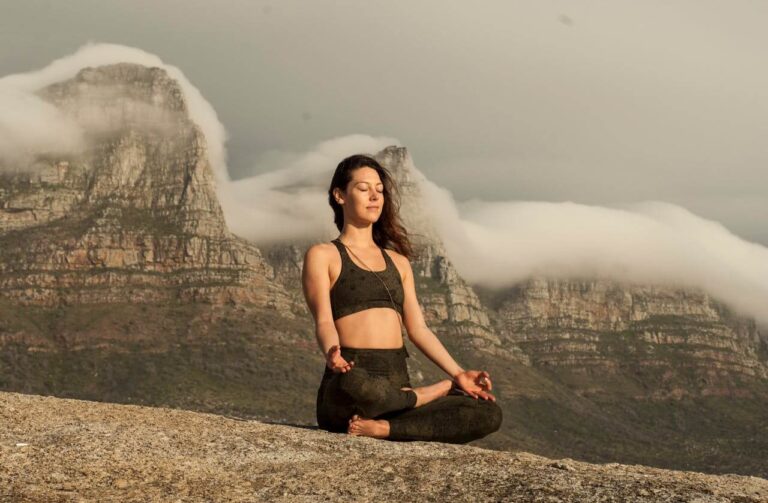
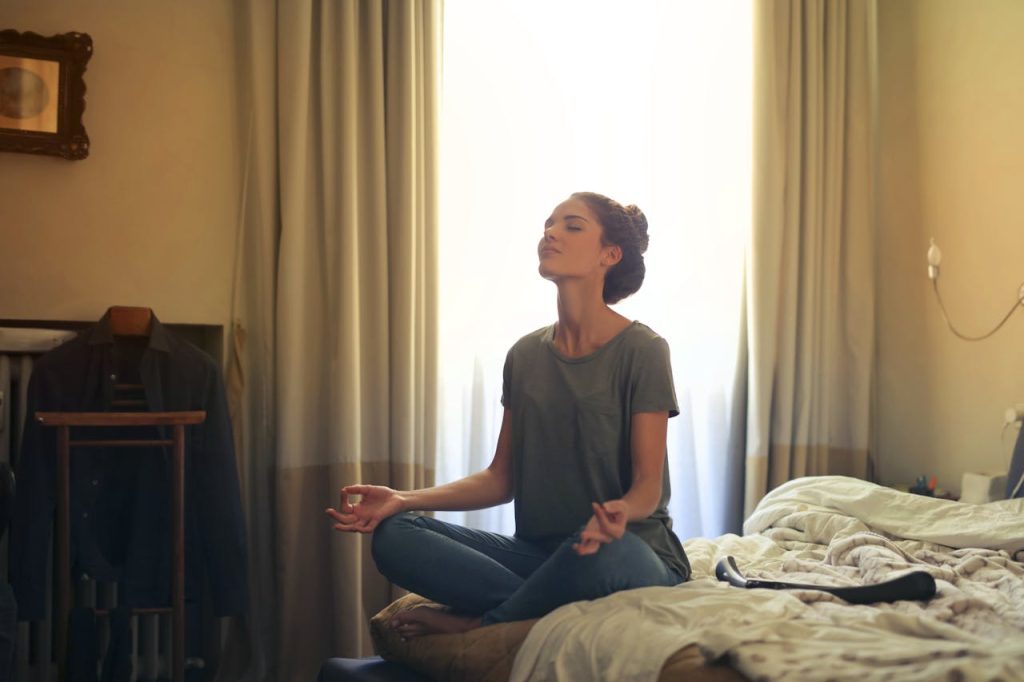
Creating a dedicated space at home can make your meditation practice more effective. Consider the following tips:
- Quiet environment: Choose a spot with minimal noise and distractions.
- Comfortable seating: Use a cushion, chair, or yoga mat—whatever allows you to sit comfortably.
- Calm ambiance: Soft lighting, candles, or essential oils can enhance relaxation.
- Minimal clutter: Keep the space clean to help your mind focus.
Remember, your meditation space doesn’t have to be large or fancy. The key is that it feels safe, comfortable, and inviting.
Step 2: Choose the Right Time
One of the most important aspects of learning how to meditate for beginners at home is timing. Consistency is key. Consider these suggestions:
- Morning meditation: Start your day with clarity and calm.
- Evening meditation: Wind down and release the stress of the day.
- Short breaks: Even 5–10 minutes during lunch or work breaks can be effective.
Experiment to find a time that fits your schedule and feels natural. The goal is to make meditation a daily habit.
Step 3: Decide on a Meditation Technique
There are various meditation techniques for beginners, including:
- Mindfulness Meditation: Focus on your breath, sensations, or thoughts without judgment.
- Guided Meditation: Use audio or video guidance to help you meditate step by step.
- Body Scan Meditation: Pay attention to different parts of your body, noticing tension and relaxation.
- Mantra Meditation: Repeat a word or phrase to anchor your mind.
- Loving-Kindness Meditation: Focus on cultivating compassion and positive feelings.
For beginners, starting with guided meditation or mindfulness meditation is often easiest, as it provides structure and support.
Step 4: Start Small and Be Consistent
When learning how to meditate for beginners at home, it’s crucial to start small:
- Begin with 5–10 minutes daily.
- Gradually increase to 20–30 minutes as you feel comfortable.
- Focus on consistency rather than duration. Short, regular sessions are more effective than occasional long sessions.
Remember, meditation is a skill that improves over time. Patience and persistence are key.
Step 5: Focus on Your Breath
Breathing is the foundation of many meditation techniques. Here’s a simple beginner approach:
- Sit comfortably with your back straight.
- Close your eyes and take slow, deep breaths.
- Focus on the sensation of your breath entering and leaving your nose or mouth.
- If your mind wanders, gently bring your attention back to your breath.
This simple practice helps center your mind and reduces stress, which is why it’s one of the most common beginner techniques.
Step 6: Handle Common Challenges
Beginners often face obstacles when starting at home. Here’s how to handle them:
- Restless mind: Accept that thoughts will arise; gently redirect focus to your breath.
- Physical discomfort: Adjust your posture or try a cushion or chair.
- Time constraints: Even a few minutes of meditation is beneficial—don’t skip sessions for perfection.
- Impatience: Progress takes time. Celebrate small achievements and consistency.
Remember, meditation is about practice, not perfection. Each session contributes to your growth.
Step 7: Use Tools and Resources
Using supportive tools can enhance your beginner meditation experience at home:
- Meditation apps: Headspace, Calm, or Insight Timer provide guided sessions and reminders.
- Online videos: YouTube offers free guided meditations for all levels.
- Journals: Track your progress, feelings, and insights.
- Mindfulness reminders: Use phone alarms or sticky notes to prompt daily practice.
These tools make it easier to stay motivated and develop a regular routine.
Step 8: Create a Meditation Routine
Consistency is essential when learning how to meditate for beginners at home. A simple routine could look like this:
- Morning: 5–10 minutes of breath-focused meditation.
- Midday: Short 2–5 minute mindfulness break.
- Evening: 10–15 minutes of guided or body scan meditation before bed.
Having a structured routine ensures you make meditation a part of your daily life, leading to long-term benefits.
Step 9: Benefits of Regular Meditation
Regular meditation offers numerous physical, emotional, and mental benefits, including:
- Reduced stress and anxiety
- Improved focus and concentration
- Enhanced emotional regulation
- Better sleep quality
- Increased self-awareness and mindfulness
- Lower blood pressure and improved heart health
Understanding these benefits can motivate beginners to maintain a consistent practice at home.
Step 10: Take the Next Step
Once you feel comfortable with basic techniques, you can explore:
- Longer meditation sessions for deeper mindfulness
- Group or live online meditation classes for community support
- Specialized meditation types, such as walking meditation or gratitude meditation
- Workshops and retreats for intensive practice
Taking incremental steps helps maintain interest and progress in your meditation journey.
Final Thoughts
Learning how to meditate for beginners at home is a simple, accessible, and highly rewarding practice. By setting up a dedicated space, choosing the right techniques, starting small, and staying consistent, you can experience the full benefits of meditation—reduced stress, improved focus, and emotional balance.
Remember, meditation is a journey, not a destination. Every minute you spend in practice contributes to a calmer, healthier, and more mindful life. Start today, and your future self will thank you.
FAQs for How to Meditate for Beginners at Home
What is the best time of day to meditate at home?
The best time varies for each person. Many beginners start in the morning to set a calm tone for the day, while others prefer evening meditation to relax before bed. Consistency matters more than exact timing.
How long should a beginner meditate at home?
Start with 5–10 minutes daily. As you gain comfort and focus, gradually increase to 20–30 minutes per session. Short, regular sessions are more effective than occasional long ones.
Do I need any special equipment to meditate at home?
No special equipment is required. A comfortable chair, cushion, or yoga mat is sufficient. Optional items like candles, soft lighting, or essential oils can enhance relaxation.
Can I meditate lying down, or should I sit?
Beginners can meditate lying down if sitting is uncomfortable, but sitting upright with a straight back helps maintain alertness and focus. Choose whichever position keeps you comfortable and awake.
What should I do if my mind keeps wandering?
It’s normal for thoughts to arise. Gently acknowledge them and bring your attention back to your breath, mantra, or guided meditation. Consistency helps improve focus over time.
Are guided meditations better for beginners?
Yes, guided meditations provide structure, direction, and support, making it easier for beginners to focus and learn proper techniques.
Can meditation reduce stress and anxiety?
Absolutely. Regular meditation helps calm the nervous system, improves emotional regulation, and reduces stress and anxiety levels.
How often should I meditate to see results?
Daily practice is recommended, even if just 5–10 minutes. Consistent meditation leads to noticeable benefits over weeks rather than months.
Can I meditate if I have a busy schedule?
Yes. You can practice short sessions during breaks, commute (if safe), or before bed. Even a few minutes of meditation daily is beneficial.
What is mindfulness meditation?
Mindfulness meditation involves observing your thoughts, sensations, and feelings without judgment. It helps develop awareness, focus, and emotional balance.
Do I need to clear my mind completely during meditation?
No. It’s normal to have thoughts during meditation. The goal is to notice them without attachment and gently return your focus to your breath or mantra.
Can meditation improve sleep quality?
Yes. Meditation relaxes the mind and body, reduces racing thoughts, and prepares you for deeper, more restful sleep.
How do I stay motivated to meditate daily?
Set a specific time, create a peaceful space, use guided sessions, track your progress, and start small. Celebrate consistency rather than perfection.
Is it okay to use meditation apps or online videos?
Yes. Meditation apps like Headspace, Calm, and Insight Timer, as well as free online videos, are excellent tools for beginners to stay guided and motivated.
Can children or teens meditate at home?
Absolutely. Meditation can help children and teens improve focus, reduce stress, and build emotional awareness. Start with shorter sessions and age-appropriate guidance.
Related Topics
- How to Practice Meditation: A Step-by-Step Guide for Beginners
- How Do I Start to Meditate? A Complete Beginner’s Guide
- What Do You Do When You Meditate? A Complete Guide
- How to Meditate Daily: A Simple Guide to Building a Lifelong
- Meditation Techniques for Anxiety | Calm Your Mind Naturally
- How to Meditate Effectively: A Step-by-Step Guide for Beginners
- Best Way to Meditate: A Complete Guide for Beginners and Experts
- Mind Success: Unlock Your Full Potential with Proven Techniques
- Stress Meditation: How Mindfulness Helps Reduce Stress
- What Do You Do When You Meditate? A Complete Guide
- Breathing Meditation Techniques for Beginners: A Complete Guide
- How to Meditate Daily: A Simple Guide to Building a Lifelong
- Grief Meditation: A Healing Practice for Emotional Recovery
- 5 Minute Meditation Scripts: Quick & Effective Guided Meditation
- Meditating at Home: Guide to Finding Peace and Balance
- Meditation and Sounds: Boost Mindfulness & Relaxation