
Discover how to practice mindfulness with our complete guide. Learn practical techniques, tips, and exercises to reduce stress, improve focus, and embrace calm in daily life.
Overview
In this blog post, readers will learn how to practice mindfulness in their everyday lives. From understanding what mindfulness is to practical exercises, tips, and strategies, this guide will teach readers how to develop focus, reduce stress, and improve overall well-being. By the end of the post, readers will have actionable steps to incorporate mindfulness into their daily routine.
How to Mindfulness: A Complete Guide to Finding Calm and Focus
In today’s fast-paced world, it’s easy to feel overwhelmed, distracted, or disconnected. Practicing mindfulness can help you reclaim control, reduce stress, and live more fully in the present moment. This guide will teach you how to practice mindfulness effectively, whether you’re new to the practice or looking to deepen your existing routine.

What is mindfulness?
Mindfulness is the practice of paying full attention to the present moment, without judgment. It allows you to observe your thoughts, emotions, and sensations without becoming overwhelmed or reactive.
Key benefits of mindfulness include:
- Reducing stress and anxiety
- Improving focus and concentration
- Enhancing emotional resilience
- Promoting better sleep and overall health
By understanding the core principles of mindfulness, you can begin to integrate it into your daily life and experience lasting benefits.
Why Learn How to Be Mindful?
Many people struggle with distractions, stress, and negative thinking patterns. Learning how to practice mindfulness can help break these cycles. Practicing mindfulness allows you to:
- Respond instead of react: Mindfulness helps you pause and choose your response rather than reacting impulsively.
- Enhance self-awareness: Become more aware of your thoughts, emotions, and behaviors.
- Improve relationships: Mindfulness improves listening and empathy skills.
- Boost mental and physical health: Regular mindfulness practice reduces stress hormones and promotes overall well-being.
How to Mindfulness: Step-by-Step Techniques
Learning how to practice mindfulness involves simple but consistent exercises. Here’s how to get started:
1. Start with Your Breath
Breathing is the foundation of mindfulness. Try this exercise:
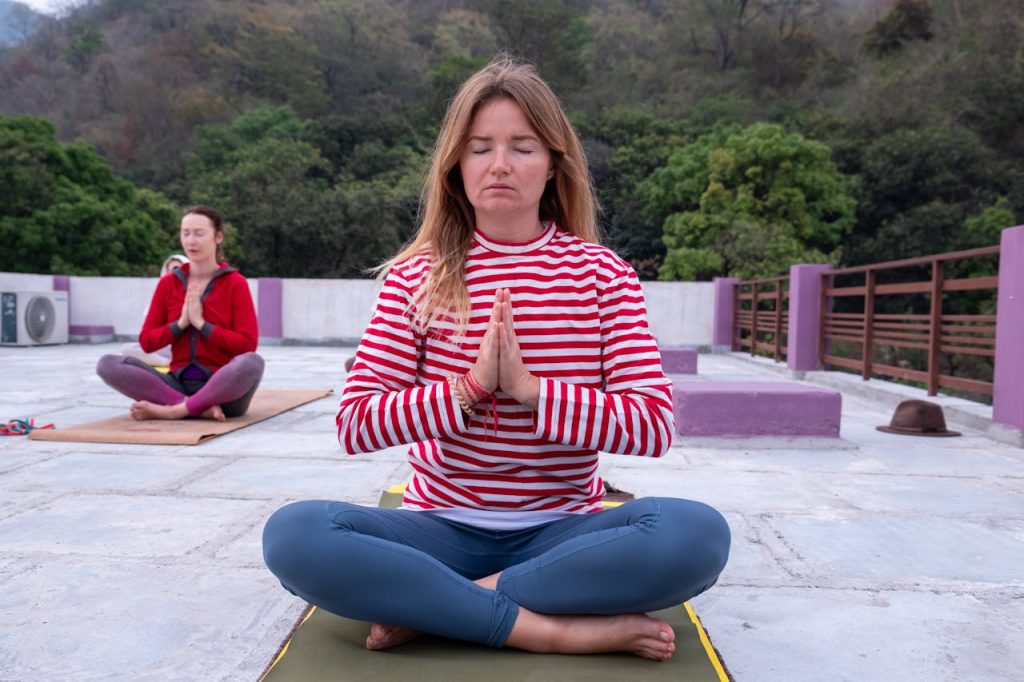
- Sit comfortably and close your eyes.
- Focus on your natural breath.
- Notice the sensation of the air entering and leaving your nostrils.
- If your mind wanders, gently bring it back to your breath.
Tip: Start with 5 minutes per day and gradually increase to 15-20 minutes.
2. Body Scan Meditation
A body scan helps you become aware of physical sensations and release tension:
- Lie down or sit comfortably.
- Close your eyes and focus on your toes, slowly moving up to your head.
- Notice any areas of tension, discomfort, or relaxation.
- Breathe into each area and consciously release stress.
This exercise teaches you how to be mindful in your body and helps improve overall relaxation.
3. Mindful Observation
Mindful observation focuses on the present environment:
- Choose an object (a plant, a cup, or a picture).
- Observe it carefully: its color, shape, texture, and patterns.
- Notice details you usually overlook.
This practice trains your mind to focus and enhances awareness in daily life.
4. Mindful Walking
Mindful walking combines movement with awareness:
- Walk slowly and notice the sensation of your feet touching the ground.
- Pay attention to your surroundings, the sounds, and the air.
- Keep your mind focused on each step and movement.
It is perfect for people who find sitting meditation challenging.
5. Mindfulness in Daily Activities
Mindfulness isn’t limited to meditation. You can practice it during everyday activities:
- Eating: Focus on the taste, texture, and aroma of food.
- Showering: Feel the water, notice scents, and enjoy the moment.
- Cleaning or cooking: Pay attention to each step and movement.
By practicing mindfulness in routine tasks, you can learn how to be mindful consistently throughout your day.
Tips to Maintain a Mindfulness Practice
Consistency is key. Here are tips to help you stay on track:
- Set a daily routine: Even 5-10 minutes daily is effective.
- Use reminders: Set phone alerts or sticky notes to pause and breathe.
- Be kind to yourself: Don’t judge yourself for wandering thoughts.
- Start small: Incorporate mindfulness in small, achievable steps.
- Explore guided meditations: Many apps and online resources offer guided sessions to support beginners.
Common Mistakes When Learning Mindfulness
Even experienced practitioners encounter challenges. Avoid these mistakes:
- Expecting immediate results: Mindfulness is a skill developed over time.
- Forcing the mind to be empty: Thoughts will come; the goal is awareness, not emptiness.
- Skipping consistency: Irregular practice slows progress.
- Comparing with others: Everyone’s mindfulness journey is unique.
Understanding these challenges helps you stay committed and patient.
The Science Behind Mindfulness
Studies show that practicing mindfulness can:
- Reduce stress hormones like cortisol
- Improve brain function, focus, and memory
- Decrease anxiety and depression symptoms
- Enhance emotional regulation
This evidence reinforces the importance of learning how to practice mindfulness for mental and physical health.
How Mindfulness Can Transform Your Life
Integrating mindfulness into your life can lead to meaningful change:
- Better focus and productivity: Mindfulness trains your brain to stay present.
- Emotional balance: Helps regulate emotions and reduces overthinking.
- Healthier habits: Mindful awareness encourages better choices in diet, sleep, and relationships.
- Improved relationships: Being present makes communication deeper and more meaningful.
By practicing consistently, mindfulness becomes a tool to navigate life with calm, clarity, and intention.
Final Thought
Learning how to be mindful is a journey, not a destination. With regular practice, simple exercises, and patience, anyone can experience its transformative benefits. Start small, stay consistent, and integrate mindfulness into daily activities to see lasting changes in mental, emotional, and physical well-being.
Start your journey today and experience the peace and focus that mindfulness brings.
FAQs for How to Mindfulness
What does mindfulness mean?
Mindfulness is the practice of being fully present and aware of your thoughts, emotions, and surroundings without judgment.
How can I start practicing mindfulness?
You can start by focusing on your breath for a few minutes each day, doing body scans, or using guided meditations.
How long should I meditate to practice mindfulness?
Even 5–10 minutes daily can be effective. Gradually, you can extend your practice to 20–30 minutes.
Can mindfulness reduce stress?
Yes, mindfulness has been shown to lower stress hormones, improve emotional regulation, and help manage anxiety.
Do I need to sit still to practice mindfulness?
Not necessarily. Mindfulness can be practiced while walking, eating, or doing daily tasks, not just during seated meditation.
What is the difference between meditation and mindfulness?
Meditation is a structured practice to cultivate mindfulness, while mindfulness is the ongoing awareness of the present moment in daily life.
Can mindfulness improve my focus?
Yes, regular mindfulness practice strengthens attention, concentration, and cognitive clarity.
Are there apps to help me practice mindfulness?
Yes, apps like Headspace, Calm, and Insight Timer provide guided meditations and exercises to support mindfulness practice.
How do I handle distracting thoughts during mindfulness practice?
Acknowledge the thought without judgment and gently return your focus to your breath or chosen point of awareness.
Can mindfulness help with sleep?
Yes, practicing mindfulness before bed can calm the mind, reduce anxiety, and improve sleep quality.
Is mindfulness suitable for beginners?
Absolutely. Mindfulness is accessible to anyone, regardless of experience. Starting with short, simple exercises is recommended.
How often should I practice mindfulness?
Daily practice is ideal, even if it’s just a few minutes, to develop consistency and experience benefits.
Can children practice mindfulness?
Yes, children can benefit from mindfulness exercises, which can improve focus, emotional regulation, and reduce stress.
What are common mistakes when learning mindfulness?
Common mistakes include expecting immediate results, forcing the mind to be empty, skipping consistency, and comparing progress with others.
Can mindfulness improve relationships?
Yes, mindfulness encourages presence, active listening, and empathy, which can strengthen personal and professional relationships.
Related Topics
- Articles on Mindfulness: Power of Meditation for Daily Life
- What Does Mindfulness Mean? Understanding Its Benefits
- What Is Being Mindfulness? A Complete Guide to Mindful Living
- Walking Mindfulness Meditation: A Simple Path to Inner Peace
- Mindfulness Body Scan Meditation: A Complete Guide
- Workplace Mindfulness: Improve Focus & Productivity
- Meditation Methods for Beginners | Start Your Mindfulness Journey
- What Does Being Mindful Mean? A Complete Guide to Mindfulness
- Definition of Mindfulness? Meaning, Benefits & Practice
- Mindfulness for the Workplace: Boost Productivity & Well-being
- Breath Meditation: A Complete Guide to Mindfulness & Relaxation
- Mastering the Art of Having Patience: A Mindfulness Approach
- Mindfulness Meditation for Anxiety: Calm Your Mind
- Self Meditating: A Complete Guide to Practicing Mindfulness
- Mindfulness for Grief: Find Peace Through Mindful Awareness
- Meditation and Sounds: Boost Mindfulness & Relaxation
- Emotion Mindfulness: Techniques to Manage Your Feelings
- Daily Mindfulness: How to Transform Your Life