
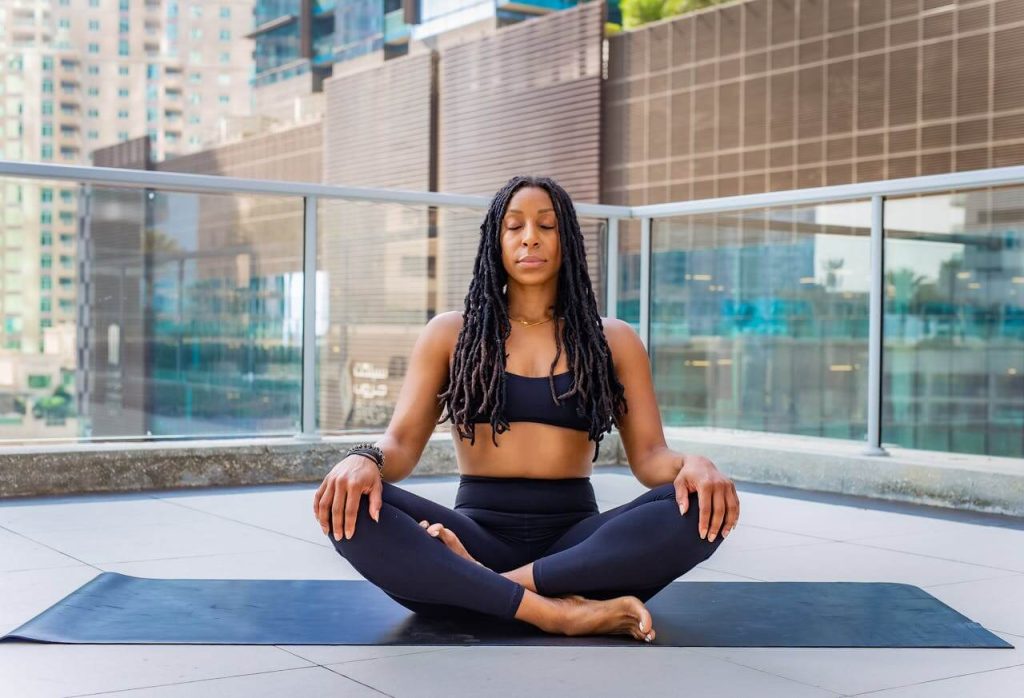
Learn how to start a mindfulness practice with this step-by-step beginner’s guide. Discover simple techniques, benefits, and tips to build a daily mindfulness routine for better mental clarity and emotional balance.
Overview
In today’s fast-paced world, stress, distractions, and constant digital noise make it difficult to stay present. Many people feel overwhelmed, mentally exhausted, and disconnected from themselves. That’s where mindfulness comes in.
Learning how to start a mindfulness practice can transform the way you think, feel, and respond to life’s challenges. Mindfulness is not just meditation—it’s a lifestyle that encourages awareness, calmness, and intentional living.
Whether you’re completely new to meditation or simply looking to create a consistent habit, this guide will show you how to start a mindfulness practice in a simple and practical way.
What Is Mindfulness?
Mindfulness is the practice of paying attention to the present moment with openness and without judgment. Instead of worrying about the future or dwelling on the past, mindfulness teaches us to focus on what is happening right now.
This awareness can include:
- Your breathing
- Your thoughts
- Your emotions
- Your physical sensations
- Your surroundings
By practicing mindfulness regularly, you can train your mind to slow down and become more aware of your experiences.
Many people searching for how to start a mindfulness practice believe they need special skills or long meditation sessions. In reality, mindfulness can begin with just a few minutes a day.
Why Mindfulness Is Important
Before learning how to start a mindfulness practice, it helps to understand why mindfulness has become so popular around the world.
Research shows that mindfulness can positively impact both mental and physical health.
Benefits of Mindfulness
Some of the most common benefits include:
- Reduced stress and anxiety
- Improved focus and concentration
- Better emotional regulation
- Increased self-awareness
- Improved sleep quality
- Greater sense of inner peace
Practicing mindfulness helps people step out of autopilot and engage with life more intentionally.
How to Start a Mindfulness Practice: Step-by-Step Guide
Starting a mindfulness routine doesn’t have to be complicated. Here are practical steps to help you begin.
1. Start with Just a Few Minutes
One of the biggest mistakes beginners make is trying to meditate for too long.
Instead, begin with:
- 3–5 minutes per day
- A quiet space
- A comfortable sitting position
Short sessions make it easier to stay consistent. Over time, you can gradually increase the duration.
When learning how to start a mindfulness practice, consistency matters more than length.
2. Focus on Your Breath
Breathing is one of the easiest ways to practice mindfulness.
Try this simple exercise:
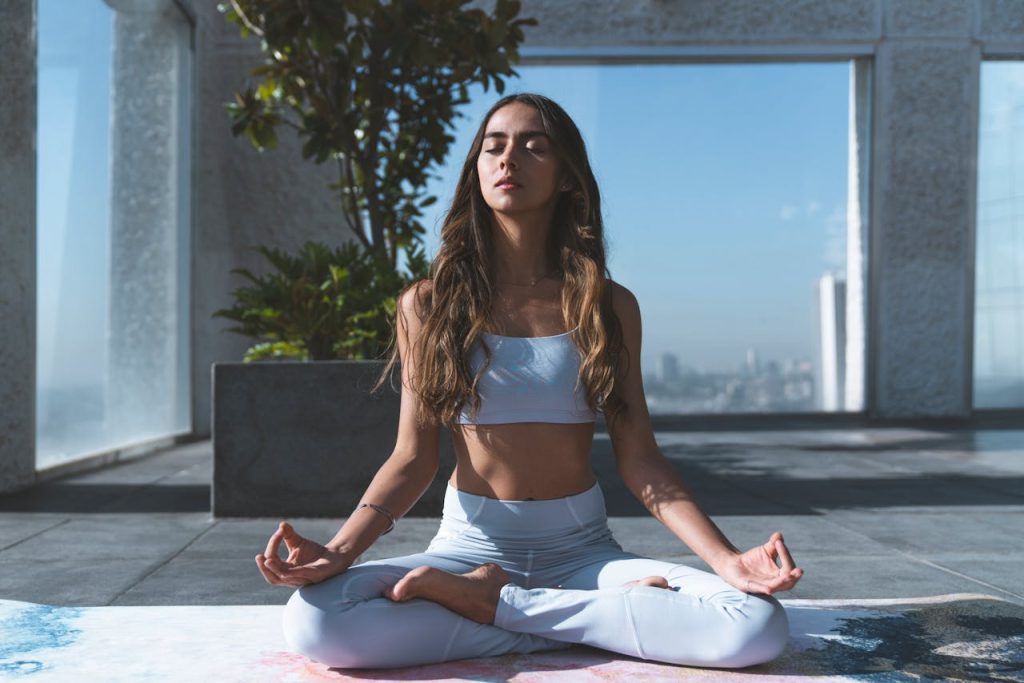
- Sit comfortably.
- Close your eyes or soften your gaze.
- Take slow, natural breaths.
- Focus your attention on the feeling of breathing.
Notice:
- Air entering your nose
- Your chest rising
- Your belly expanding
If your mind wanders (which is completely normal), gently bring your attention back to your breath.
This breathing technique is one of the most effective ways to learn how to start a mindfulness practice.
3. Observe Your Thoughts Without Judgment
A common misconception is that meditation means stopping thoughts completely.
In reality, mindfulness is about observing thoughts rather than controlling them.
When a thought appears:
- Notice it
- Acknowledge it
- Let it pass
Imagine your thoughts like clouds floating across the sky.
Learning this skill is a key part of understanding how to start a mindfulness practice successfully.
4. Practice Mindfulness in Daily Activities
Mindfulness isn’t limited to meditation sessions.
You can practice mindfulness during everyday activities such as the following:
- Eating
- Walking
- Showering
- Drinking tea or coffee
- Listening to music
For example, mindful eating involves paying attention to the following:
- The taste of your food
- The texture
- The smell
- The chewing process
Integrating mindfulness into daily routines is one of the easiest ways to maintain a long-term practice.
Simple Mindfulness Techniques for Beginners
If you’re exploring how to start a mindfulness practice, these beginner-friendly techniques can help.
Mindful Breathing
Focus entirely on your breath for a few minutes.
Benefits include:
- Reduced stress
- Increased concentration
- Relaxation
Body Scan Meditation
This technique involves focusing attention on different parts of the body.
Steps include:
- Start at your feet.
- Slowly move your attention upward.
- Notice sensations such as warmth, tension, or relaxation.
Body scans help increase awareness of physical sensations and promote relaxation.
Mindful Walking
Walking meditation is perfect for people who struggle to sit still.
During mindful walking:
- Walk slowly
- Pay attention to each step
- Notice how your feet touch the ground.
This technique is a powerful way to deepen your mindfulness practice.
Common Challenges Beginners Face
When learning how to start a mindfulness practice, beginners often encounter obstacles. These challenges are completely normal.
1. Difficulty Concentrating
Your mind will wander—it’s part of the process.
Solution:
- Gently return your attention to your breath.
- Avoid judging yourself.
2. Feeling Impatient
Many beginners expect immediate results.
Mindfulness is a gradual process. Benefits develop through consistent practice.
3. Lack of Time
People often think they don’t have time to meditate.
But mindfulness can fit into small moments throughout the day.
For example:
- 3 minutes of breathing
- Mindful walking during breaks
- Conscious breathing before sleep
These small habits make it easier to sustain your mindfulness routine.
Tips for Building a Consistent Mindfulness Routine
Once you understand how to start a mindfulness practice, the next step is maintaining consistency.
Here are some helpful tips.
Create a daily schedule.
Choose a regular time for mindfulness practice.
Popular options include:
- Morning meditation
- Midday breathing breaks
- Evening relaxation sessions
Consistency strengthens the habit.
Start Small.
Don’t overwhelm yourself with long sessions.
Even 5 minutes per day can create meaningful changes.
Use Guided Meditation
Guided sessions can help beginners stay focused and build confidence.
They provide step-by-step instructions and gentle reminders.
Be patient with yourself.
Mindfulness is not about perfection.
Some days will feel easier than others, and that’s completely normal.
The most important thing is to continue showing up.
How Mindfulness Can Transform Your Life
Once people understand how to start a mindfulness practice, they often experience profound changes in their daily lives.
Over time, mindfulness can help you:
- Respond calmly to stress
- Improve relationships
- Increase emotional resilience
- Develop deeper self-awareness
- Cultivate gratitude and positivity
Rather than reacting automatically to life’s challenges, mindfulness helps you respond thoughtfully and intentionally.
Start Your Mindfulness Journey Today
If you’ve been searching for how to start a mindfulness practice, the most important step is simply to begin.
Remember:
- Start small
- Practice regularly
- Stay patient with yourself.
Mindfulness is not about achieving a perfect state of calm—it’s about learning to experience life with greater awareness and acceptance.
With consistent practice, mindfulness can become a powerful tool for improving mental clarity, emotional balance, and overall well-being.
FAQs for How to Start a Mindfulness Practice
What is mindfulness practice?
Mindfulness practice is the act of focusing your attention on the present moment while calmly observing your thoughts, feelings, and physical sensations without judgment. It often includes techniques such as breathing exercises, meditation, and mindful awareness during everyday activities.
How do beginners start a mindfulness practice?
Beginners can start a mindfulness practice by setting aside a few minutes each day to focus on their breathing, observing thoughts without judgment, and practicing awareness during daily activities like eating or walking.
How long should a beginner practice mindfulness each day?
Beginners can start with just 5–10 minutes per day. Consistency is more important than duration. As the practice becomes easier, sessions can gradually increase to 15–20 minutes.
What are the benefits of starting a mindfulness practice?
Starting a mindfulness practice can help reduce stress, improve focus, increase emotional awareness, enhance sleep quality, and promote a greater sense of calm and balance in everyday life.
Can mindfulness help reduce stress and anxiety?
Yes. Mindfulness helps individuals become more aware of their thoughts and emotions, allowing them to respond calmly rather than react automatically. This can significantly reduce stress and anxiety levels.
Do I need meditation experience to start mindfulness?
No experience is required. Learning how to start a mindfulness practice is simple and accessible for anyone. Even beginners can practice mindfulness using basic breathing and awareness techniques.
What is the easiest mindfulness exercise for beginners?
The easiest exercise is mindful breathing. Sit comfortably, focus on your breath, and gently bring your attention back whenever your mind wanders.
Can mindfulness be practiced without meditation?
Yes. While meditation is a common method, mindfulness can also be practiced during daily activities such as walking, eating, listening, or even working.
How long does it take to see results from mindfulness practice?
Many people notice small improvements in stress and focus within a few weeks. However, long-term benefits typically develop with consistent daily practice over time.
Is mindfulness the same as meditation?
Mindfulness and meditation are related but not identical. Meditation is a structured practice, while mindfulness is a broader state of awareness that can be applied to everyday life.
What are some common mistakes beginners make in mindfulness practice?
Common mistakes include expecting immediate results, trying to eliminate thoughts completely, and practicing inconsistently. Mindfulness works best with patience and regular practice.
Can mindfulness improve concentration and productivity?
Yes. Mindfulness trains the brain to focus on the present moment, which can improve concentration, decision-making, and overall productivity.
Is mindfulness helpful for sleep problems?
Many people use mindfulness techniques such as breathing exercises or body scan meditation before bedtime to calm the mind and improve sleep quality.
Can mindfulness be practiced anywhere?
Yes. One of the best aspects of mindfulness is its flexibility. You can practice mindfulness at home, at work, while walking, or even during everyday tasks.
How can I stay consistent with my mindfulness practice?
To stay consistent, start with short sessions, practice at the same time each day, use guided meditation if needed, and focus on building a simple daily routine.
Related Topics
- Articles on Mindfulness: Power of Meditation for Daily Life
- What Does Mindfulness Mean? Understanding Its Benefits
- What Is Being Mindfulness? A Complete Guide to Mindful Living
- Walking Mindfulness Meditation: A Simple Path to Inner Peace
- Mindfulness Body Scan Meditation: A Complete Guide
- Workplace Mindfulness: Improve Focus & Productivity
- Meditation Methods for Beginners | Start Your Mindfulness Journey
- What Does Being Mindful Mean? A Complete Guide to Mindfulness
- Definition of Mindfulness? Meaning, Benefits & Practice
- Mindfulness for the Workplace: Boost Productivity & Well-being
- Breath Meditation: A Complete Guide to Mindfulness & Relaxation
- Mastering the Art of Having Patience: A Mindfulness Approach
- Mindfulness Meditation for Anxiety: Calm Your Mind
- Self Meditating: A Complete Guide to Practicing Mindfulness
- Mindfulness for Grief: Find Peace Through Mindful Awareness
- Meditation and Sounds: Boost Mindfulness & Relaxation
- Emotion Mindfulness: Techniques to Manage Your Feelings
- Daily Mindfulness: How to Transform Your Life