
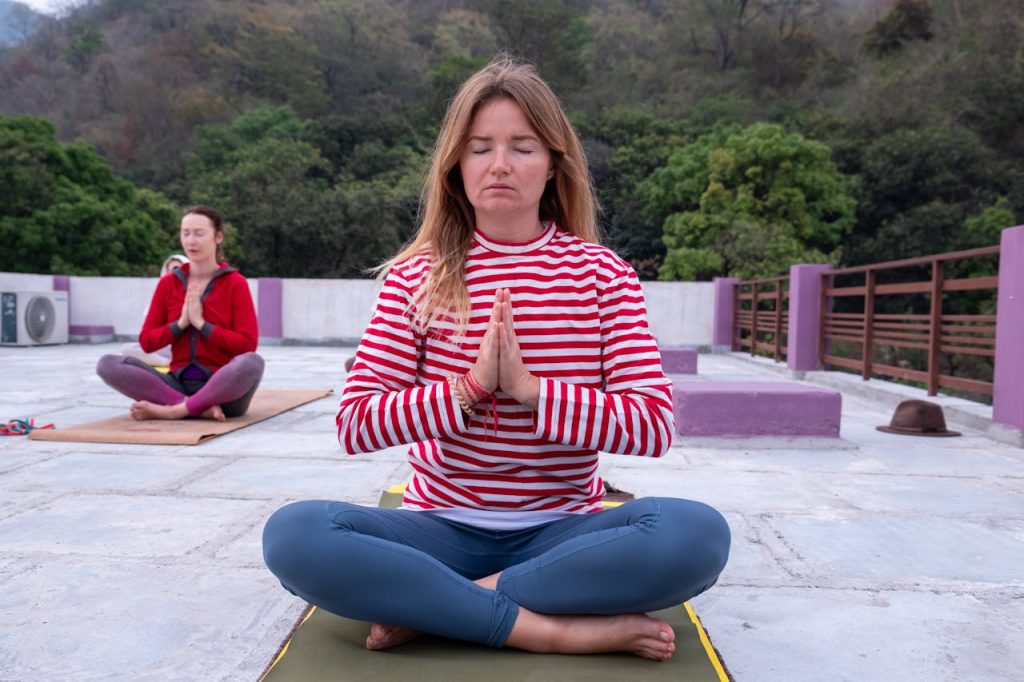
Learn how to start practicing mindfulness with this complete beginner’s guide. Discover simple techniques, benefits, and daily habits to reduce stress and improve focus.
Overview
If you’ve ever felt overwhelmed, distracted, or mentally exhausted, you’re not alone. The modern world makes it difficult to stay present. This guide on how to start practicing mindfulness is designed to help you slow down, reconnect, and build a healthier relationship with your thoughts and emotions.
In this blog, you’ll learn:
- What mindfulness really means
- Why it’s so powerful for mental and emotional health
- How to start practicing mindfulness step-by-step
- Simple daily exercises you can begin immediately
- Common mistakes beginners should avoid
- How to build a consistent mindfulness routine
By the end, you’ll have a clear, practical roadmap to confidently begin your mindfulness journey.
What Is Mindfulness?
Mindfulness is the practice of paying attention to the present moment—on purpose and without judgment. It means being fully aware of your thoughts, feelings, body sensations, and surroundings.
Instead of worrying about the past or future, mindfulness helps you stay grounded in the “now.”
Key Elements of Mindfulness
- Awareness: Noticing what’s happening inside and around you
- Presence: Staying focused on the current moment
- Acceptance: Observing without judging or reacting
Understanding these basics is the first step in learning how to start practicing mindfulness effectively.
Why Mindfulness Matters in Everyday Life
Before diving into techniques, it’s important to understand why mindfulness is worth your time.
Benefits of Practicing Mindfulness
- Reduces stress and anxiety
- Improves focus and concentration
- Enhances emotional regulation
- Promotes better sleep
- Boosts overall mental clarity
- Strengthens self-awareness
When you learn how to start practicing mindfulness, you’re not just adopting a habit—you’re transforming how you experience life.
How to Start Practicing Mindfulness (Step-by-Step)
Starting mindfulness doesn’t require special equipment, long hours, or expert knowledge. It’s simple—but consistency is key.
Step 1: Start with Your Breath
Your breath is the easiest anchor to the present moment.
Try this simple exercise:
- Sit comfortably
- Close your eyes or soften your gaze.
- Focus on your breathing
- Notice the inhale and exhale
- If your mind wanders, gently bring it back.
Practice for 3–5 minutes daily to begin. This is one of the most effective ways to learn how to start practicing mindfulness.
Step 2: Practice Body Awareness
Body awareness helps you reconnect with physical sensations.
How to do it:
- Scan your body from head to toe
- Notice tension, warmth, or movement
- Don’t try to change anything—just observe.
This technique builds deeper awareness and is essential when learning how to start practicing mindfulness.
Step 3: Observe Your Thoughts
Many beginners think mindfulness means “stopping thoughts.” That’s not true.
Instead, you learn to observe thoughts without reacting.
Example:
- Imagine your thoughts as clouds passing in the sky.
- Watch them come and go without attachment
This shift in perspective is a powerful step in mastering how to start practicing mindfulness.
Step 4: Bring Mindfulness into Daily Activities
Mindfulness isn’t limited to meditation. You can practice it anytime.
Examples:
- Eating mindfully (notice taste, texture, and smell)
- Walking mindfully (feel each step)
- Listening fully in conversations
Incorporating mindfulness into everyday life makes it easier to sustain your practice.
Step 5: Start Small and Stay Consistent
One of the biggest mistakes beginners make is doing too much too soon.
Better approach:
- Start with 5–10 minutes daily
- Choose a consistent time (morning or evening)
- Focus on building a habit
Consistency is the foundation of learning how to start practicing mindfulness successfully.
Simple Mindfulness Exercises for Beginners
Here are a few easy exercises you can try right away:
1. Mindful Breathing
- Focus only on your breath for a few minutes.
- Gently return attention when distracted
2. 5-4-3-2-1 Grounding Technique
- 5 things you can see
- 4 things you can feel
- 3 things you can hear
- 2 things you can smell
- 1 thing you can taste
3. Mindful Observation
- Pick an object (like a leaf or cup)
- Observe it closely for 1–2 minutes.
These exercises are perfect starting points when exploring how to start practicing mindfulness.
Common Mistakes to Avoid
When learning how to start practicing mindfulness, many beginners face similar challenges.
Expecting Instant Results
Mindfulness is a skill that develops over time. Be patient.
Trying to “Clear Your Mind”
You don’t need to eliminate thoughts—just observe them.
Being Too Hard on Yourself
Distraction is normal. Gently return your focus without judgment.
Inconsistency
Practicing once in a while won’t bring lasting results. Make it a daily habit.
How to Build a Daily Mindfulness Routine
Creating a routine helps turn mindfulness into a lifestyle.
Tips for Building Consistency
- Set a specific time: Morning routines work best.
- Create a calm space: Quiet and distraction-free
- Use reminders: Phone alarms or notes
- Track your progress: Keep a mindfulness journal.
A structured routine will reinforce your journey in learning how to start practicing mindfulness.
How Our Platform Can Help You
At Mindfulness Meditation Hub, we understand that starting something new can feel overwhelming. That’s why we offer:
- Beginner-friendly guides
- Step-by-step meditation techniques
- Practical tips for daily mindfulness
- Resources to deepen your practice
Whether you’re just exploring or ready to commit, we make how to start practicing mindfulness simple, accessible, and effective.
Final Thoughts
Learning how to start practicing mindfulness is one of the most valuable investments you can make in your well-being. It doesn’t require perfection—just presence.
Start small. Stay consistent. Be kind to yourself.
Over time, you’ll notice:
- A calmer mind
- Better focus
- Greater emotional balance
- A deeper appreciation for life
Mindfulness isn’t about escaping reality—it’s about fully experiencing it.
FAQs for How to Start Practicing Mindfulness
What is mindfulness and why is it important?
Mindfulness is the practice of staying fully present and aware in the moment. It helps reduce stress, improve focus, and enhance emotional well-being.
How do I start practicing mindfulness as a beginner?
Begin with short daily exercises like mindful breathing, body scans, or observing your thoughts without judgment. Consistency is more important than duration.
How long should I practice mindfulness each day?
Start with 5–10 minutes daily. As you grow more comfortable, you can gradually increase your practice to 20–30 minutes.
Can mindfulness help reduce stress and anxiety?
Yes, studies show regular mindfulness practice can lower stress hormones, improve emotional regulation, and reduce symptoms of anxiety.
Do I need a quiet place to practice mindfulness?
While a quiet space helps, you can practice mindfulness anywhere—during walks, chores, or even while eating—by focusing your attention on the present moment.
How do I know if I’m doing mindfulness correctly?
Mindfulness is not about being perfect. If you notice your mind wandering, gently bring your attention back to your breath, body, or current activity.
Can mindfulness improve my focus and concentration?
Yes, regular mindfulness practice strengthens attention and awareness, making it easier to focus on tasks without distraction.
What are some simple mindfulness exercises for beginners?
Some beginner exercises include mindful breathing, 5-4-3-2-1 grounding, body scans, and mindful observation of everyday objects.
How does mindfulness affect emotional well-being?
Mindfulness helps you observe emotions without judgment, reducing reactivity and increasing emotional resilience and self-awareness.
Can children practice mindfulness too?
Absolutely! Mindfulness exercises can be adapted for children with shorter sessions and playful approaches like mindful listening or mindful coloring.
Is mindfulness the same as meditation?
Meditation is a formal practice that often includes mindfulness, but mindfulness can also be applied informally throughout daily life.
How do I stay consistent with my mindfulness practice?
Set a regular schedule, start with small sessions, create a quiet space, and use reminders or journaling to track progress.
Can mindfulness improve sleep?
Yes, mindfulness can calm the mind and body, reduce racing thoughts, and improve sleep quality over time.
What common mistakes should I avoid when starting mindfulness?
Avoid expecting instant results, trying to clear your mind completely, being too self-critical, or practicing inconsistently.
How long does it take to notice the benefits of mindfulness?
Many people notice small improvements in stress and focus within a few weeks, but long-term benefits grow with consistent daily practice.
Related Topics
- Articles on Mindfulness: Power of Meditation for Daily Life
- What Does Mindfulness Mean? Understanding Its Benefits
- What Is Being Mindfulness? A Complete Guide to Mindful Living
- Walking Mindfulness Meditation: A Simple Path to Inner Peace
- Mindfulness Body Scan Meditation: A Complete Guide
- Workplace Mindfulness: Improve Focus & Productivity
- Meditation Methods for Beginners | Start Your Mindfulness Journey
- What Does Being Mindful Mean? A Complete Guide to Mindfulness
- Definition of Mindfulness? Meaning, Benefits & Practice
- Mindfulness for the Workplace: Boost Productivity & Well-being
- Breath Meditation: A Complete Guide to Mindfulness & Relaxation
- Mastering the Art of Having Patience: A Mindfulness Approach
- Mindfulness Meditation for Anxiety: Calm Your Mind
- Self Meditating: A Complete Guide to Practicing Mindfulness
- Mindfulness for Grief: Find Peace Through Mindful Awareness
- Meditation and Sounds: Boost Mindfulness & Relaxation
- Emotion Mindfulness: Techniques to Manage Your Feelings
- Daily Mindfulness: How to Transform Your Life