
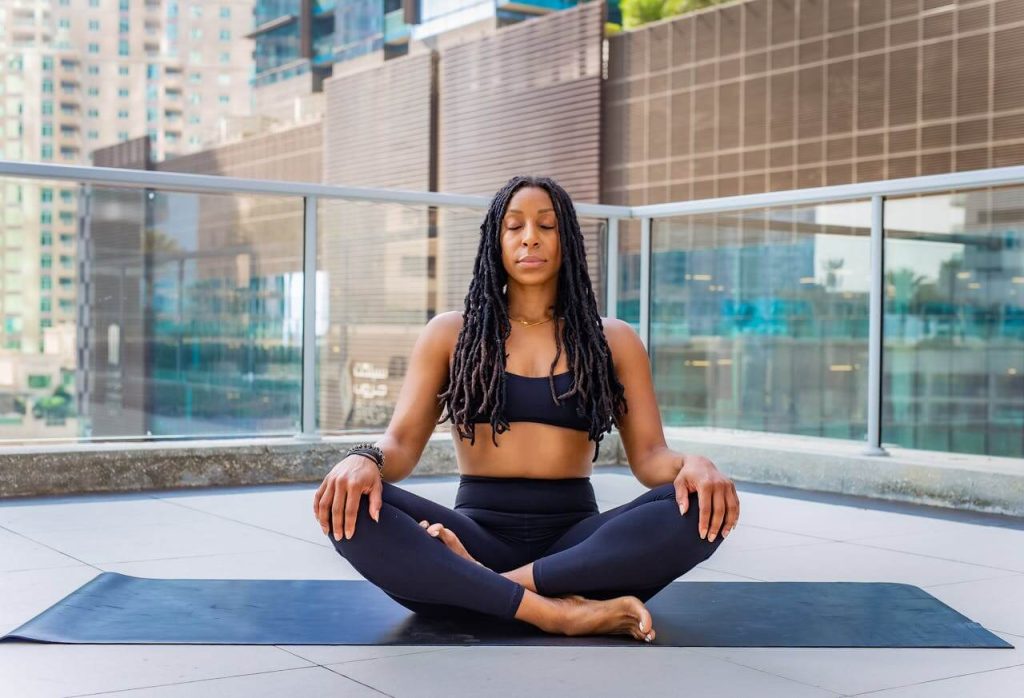
Discover how to connect with your inner voice, build self-awareness, and make better decisions. Learn practical mindfulness techniques to strengthen your inner guidance and live with clarity and confidence.
Overview
In this blog post, you will learn what the inner voice truly is, why it plays a crucial role in your daily life, and how to distinguish it from fear or overthinking. We’ll explore practical mindfulness techniques, meditation practices, and actionable strategies to help you connect with your inner voice, trust your instincts, and make better decisions. By the end, you’ll have a clear roadmap to strengthen your inner guidance and live a more balanced, intentional life.
What Is Your Inner Voice?
Your inner voice is the quiet, intuitive guidance that comes from within. It’s not the loud chatter of overthinking or self-doubt—it’s a calm, steady sense of knowing that helps guide your decisions and actions.
Many people confuse their inner voice with the following:
- Anxiety
- Fear-based thoughts
- External opinions they’ve internalized
However, your true inner voice feels
- Calm and grounded
- Clear and non-judgmental
- Supportive rather than critical
It acts as your internal compass, helping you align with your values and purpose.

Why Your Inner Voice Matters
Listening to your inner voice can transform how you live, think, and make decisions.
Key Benefits:
- Better decision-making: You rely less on confusion and more on clarity.
- Reduced stress: You stop second-guessing yourself constantly.
- Improved self-confidence: Trusting yourself builds inner strength.
- Emotional balance: You respond thoughtfully instead of reacting impulsively
When you ignore your inner voice, you may feel lost, overwhelmed, or disconnected from yourself.
Inner Voice vs. Inner Critic
One of the biggest challenges is distinguishing your inner voice from your inner critic.
Inner Voice:
- Calm and reassuring
- Focused on growth
- Encourages you gently
Inner Critic:
- Harsh and judgmental
- Focused on fear and failure
- Creates self-doubt
Pro Tip: If a thought feels stressful or negative, it’s likely not your true inner voice.
How Mindfulness Helps You Hear Your Inner Voice
Mindfulness is one of the most effective ways to connect with your inner voice. When your mind is constantly busy, it’s nearly impossible to hear that quiet inner guidance.
Through mindfulness, you can:
- Slow down your thoughts
- Observe emotions without reacting
- Create space for clarity
Simple Mindfulness Practices:
- Focus on your breath for 5–10 minutes
- Observe your thoughts without judgment.
- Practice being fully present in daily activities
These practices help quiet the noise so your inner voice can emerge naturally.
Practical Ways to Strengthen Your Inner Voice
Building a strong connection with your inner voice takes consistent practice. Here are proven techniques you can start today:
1. Daily Meditation
Meditation helps you tune into your inner self.
Try this:
- Sit quietly for 10 minutes
- Focus on your breathing
- Notice thoughts, but don’t engage
Over time, your inner voice becomes clearer and easier to recognize.
2. Journaling Your Thoughts
Writing helps uncover patterns and insights.
Prompts to try:
- “What am I truly feeling right now?”
- “What decision feels right deep down?”
- “What is my intuition telling me?”
Journaling allows your inner voice to express itself freely.
3. Spend Time in Silence
Constant noise blocks your inner voice.
- Take breaks from social media
- Go for quiet walks
- Sit without distractions
Silence creates space for deeper awareness.
4. Trust Small Decisions First
Start by trusting your inner voice in simple situations.
- What to eat
- How to spend your free time
- When to rest
As you build trust, you’ll feel more confident making bigger decisions.
5. Listen to Your Body
Your body often reflects your inner voice.
- Tightness may signal discomfort.
- Calmness may indicate alignment.
Pay attention to physical sensations—they’re powerful signals.
Common Blocks That Silence Your Inner Voice
Even though everyone has an inner voice, certain habits can weaken your connection to it.
Common Obstacles:
- Overthinking everything
- Fear of making mistakes
- Constant external validation
- Negative self-talk
- Busy, distracted lifestyle
How to Overcome Them:
- Practice mindfulness daily
- Limit external noise and opinions
- Replace self-criticism with self-compassion
The more you remove these blocks, the stronger your inner voice becomes.

How to Trust Your Inner Voice
Hearing your inner voice is one thing—trusting it is another.
Steps to Build Trust:
- Start small: Follow your intuition in low-risk situations.
- Reflect on outcomes: Notice when your instincts were right
- Let go of perfection: Your inner voice guides, not guarantees.
Trust grows through experience and consistency.
Signs You’re Connected to Your Inner Voice
You’ll know you’re aligned with your inner voice when:
- You feel calm even during uncertainty.
- Decisions feel natural, not forced
- You stop seeking constant approval.
- You feel more confident and grounded.
This connection leads to a more authentic and fulfilling life.
How Our Mindfulness Meditation Hub Can Help
At Mindfulness Meditation Hub, we specialize in helping you reconnect with your inner voice through proven mindfulness and meditation techniques.
What We Offer:
- Guided meditation sessions
- Beginner-friendly mindfulness practices
- Practical tools for daily awareness
- Resources to reduce stress and overthinking
Our goal is to help you:
- Strengthen your inner voice
- Build self-trust
- Live with clarity and purpose
Integrating Your Inner Voice Into Daily Life
Once you start hearing your inner voice, the next step is to integrate it into everyday decisions.
Daily Practices:
- Pause before making decisions
- Check in with how you feel.
- Ask yourself: “Does this feel right?”
Over time, this becomes second nature.
Final Thoughts
Your inner voice is one of the most powerful tools you have—it’s always there, guiding you toward what’s right for you. But in today’s fast-paced world, it’s easy to lose touch with it.
By practicing mindfulness, embracing silence, and trusting yourself, you can reconnect with your inner voice and transform your life.
FAQs for Inner Voice
What is an inner voice and how does it work?
Your inner voice is your intuitive guidance system. It works by providing subtle, calm insights that help you make decisions aligned with your values and true self.
How can I hear my inner voice more clearly?
You can hear your inner voice more clearly by practicing mindfulness, reducing distractions, meditating regularly, and spending time in silence.
Is the inner voice the same as intuition?
Yes, the inner voice and intuition are closely related. Both guide you from within and help you make decisions without overthinking.
Why do I struggle to trust my inner voice?
Many people struggle due to fear, self-doubt, or relying too much on external opinions. Building trust takes consistent practice and self-awareness.
Can meditation improve my connection to my inner voice?
Absolutely. Meditation helps quiet mental noise, making it easier to recognize and trust your inner voice.
How do I know if it’s my inner voice or fear?
Your inner voice feels calm and supportive, while fear is usually loud, anxious, and negative.
What are the benefits of listening to your inner voice?
Listening to your inner voice can lead to better decisions, increased confidence, reduced stress, and a more balanced life.
Can everyone develop their inner voice?
Yes, everyone has an inner voice. It can be strengthened with mindfulness, self-reflection, and regular practice.
How long does it take to strengthen your inner voice?
It varies for each person, but with consistent practice, you may notice improvements within a few weeks.
What role does journaling play in connecting with your inner voice?
Journaling helps you process thoughts and emotions, making it easier to identify patterns and hear your inner voice clearly.
Can overthinking block my inner voice?
Yes, overthinking creates mental noise that can drown out your inner voice. Mindfulness helps reduce this noise.
How can I use my inner voice in decision-making?
Pause, reflect, and notice how you feel about each option. Your inner voice often guides you toward what feels right and aligned.
Is the inner voice always right?
While your inner voice is a powerful guide, it’s important to balance it with logic and real-world considerations.
Can mindfulness reduce inner conflict?
Yes, mindfulness helps you become aware of conflicting thoughts and creates space to respond calmly rather than react emotionally.
How can Mindfulness Meditation Hub help me connect with my inner voice?
Mindfulness Meditation Hub offers guided meditations, practical exercises, and resources designed to help you strengthen your inner voice and improve self-awareness.
Related Topics
Daily Mindfulness: How to Transform Your Life
Articles on Mindfulness: Power of Meditation for Daily Life
What Does Mindfulness Mean? Understanding Its Benefits
What Is Being Mindfulness? A Complete Guide to Mindful Living
Walking Mindfulness Meditation: A Simple Path to Inner Peace
Mindfulness Body Scan Meditation: A Complete Guide
Workplace Mindfulness: Improve Focus & Productivity
Meditation Methods for Beginners | Start Your Mindfulness Journey
What Does Being Mindful Mean? A Complete Guide to Mindfulness
Definition of Mindfulness? Meaning, Benefits & Practice
Mindfulness for the Workplace: Boost Productivity & Well-being
Breath Meditation: A Complete Guide to Mindfulness & Relaxation
Mastering the Art of Having Patience: A Mindfulness Approach
Mindfulness Meditation for Anxiety: Calm Your Mind
Self Meditating: A Complete Guide to Practicing Mindfulness
Mindfulness for Grief: Find Peace Through Mindful Awareness