
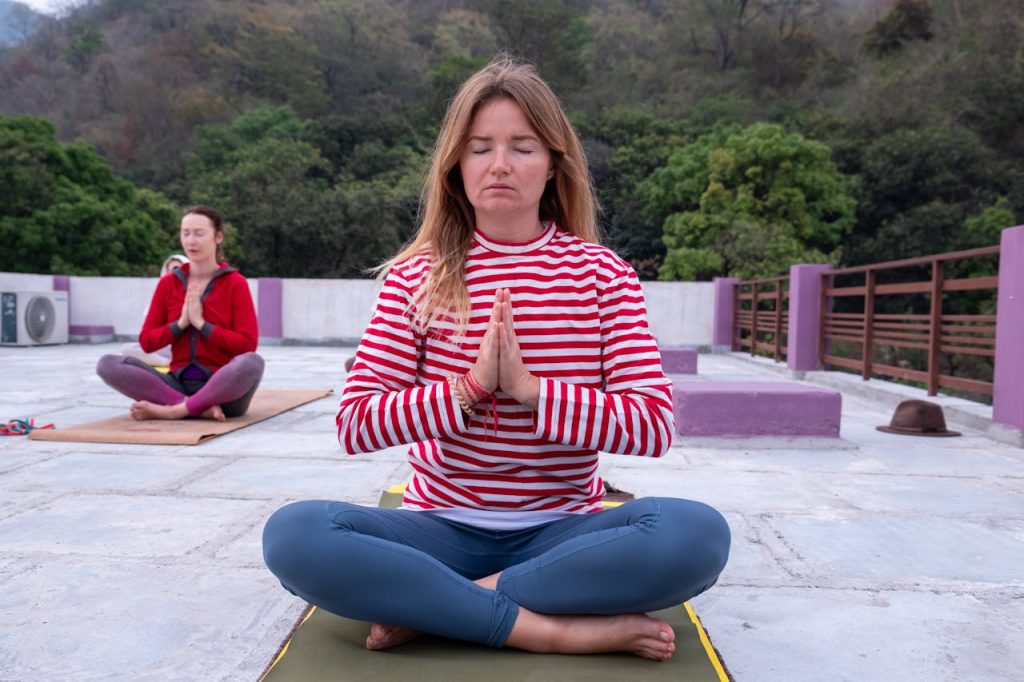
Discover the ultimate intro to mindfulness guide. Learn practical techniques, benefits, and tips to start your journey toward calm, focus, and emotional balance today.
Overview
In this blog, readers will learn the essentials of mindfulness, including what mindfulness is, its mental and physical benefits, practical techniques to incorporate mindfulness into daily life, and how to create a sustainable meditation practice. Whether you’re a complete beginner or looking to strengthen your practice, this guide will provide the foundation to embrace mindfulness fully. By the end of this article, you’ll feel confident starting your mindfulness journey with simple, actionable steps.
What is Mindfulness?
Mindfulness is the practice of bringing your full attention to the present moment. It involves observing your thoughts, emotions, and bodily sensations without judgment. Many people confuse mindfulness with meditation, but while meditation is one way to practice mindfulness, mindfulness itself can be integrated into all aspects of daily life.
The core idea is awareness—paying attention to your surroundings, thoughts, and feelings without distraction. For beginners, practicing mindfulness can feel challenging at first, but with consistent practice, it becomes easier to remain present and reduce mental clutter.
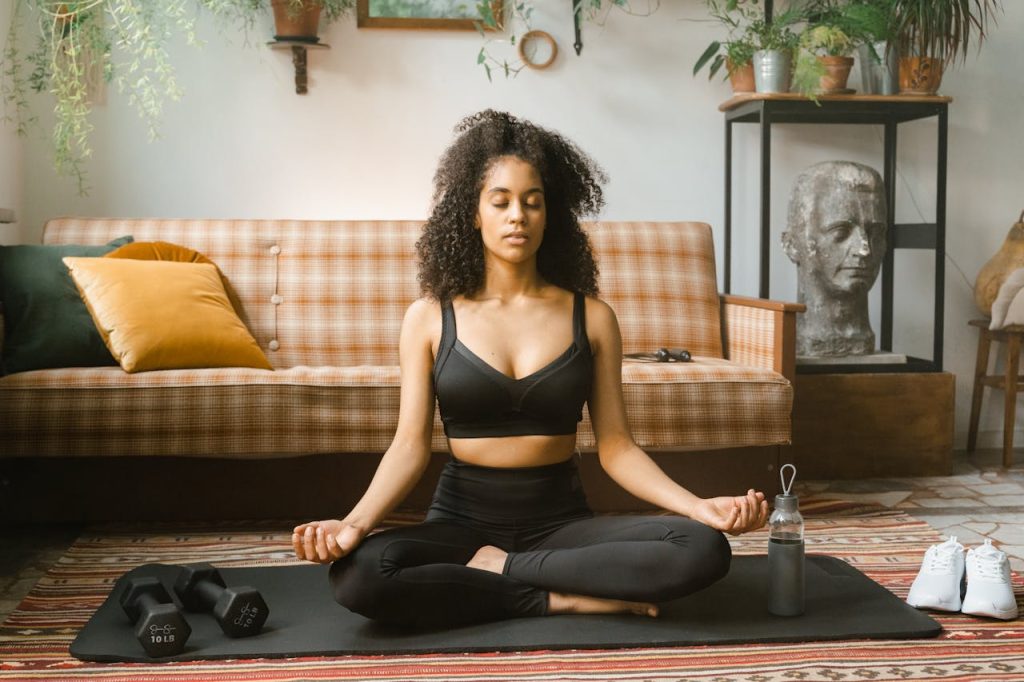
Why Learn Mindfulness?
Learning mindfulness has a wide range of benefits for both mental and physical health:
- Reduces Stress: Mindfulness helps calm your mind, reducing anxiety and chronic stress levels.
- Improves Focus and Productivity: By practicing awareness, you can concentrate better on tasks and avoid distractions.
- Enhances Emotional Regulation: Mindfulness allows you to respond thoughtfully to emotions rather than react impulsively.
- Boosts Well-being: Regular mindfulness practice is linked to greater life satisfaction and a positive outlook.
- Supports Physical Health: Mindfulness can lower blood pressure, improve sleep, and support overall wellness.
By introducing mindfulness into your daily routine, you can experience these benefits and create a more balanced, peaceful life.
The Basics of an Intro to Mindfulness
Starting your journey doesn’t require a lot of time or complicated techniques. Here are the essential elements of an intro to mindfulness practice:
1. Mindful Breathing
Focusing on your breath is one of the simplest ways to practice mindfulness. Follow these steps:
- Sit comfortably with your back straight.
- Close your eyes and take slow, deep breaths.
- Notice the sensation of air entering and leaving your body.
- If your mind wanders, gently bring your attention back to your breath.
Even just five minutes of mindful breathing each day can reduce stress and increase mental clarity.
2. Body Scan Meditation
A body scan helps you connect with bodily sensations and release tension.
- Lie down or sit comfortably.
- Slowly bring your attention to each part of your body, starting from your toes up to your head.
- Observe any sensations without judgment, such as warmth, tension, or tingling.
This technique is especially helpful for stress relief and improving body awareness.
3. Mindful Observation
Mindful observation involves paying attention to your surroundings fully.
- Choose an object, like a flower, cup, or even a sound in your environment.
- Focus all your senses on it. Notice its color, texture, shape, and movement.
- If your mind wanders, gently redirect attention to the object.
This exercise enhances concentration and encourages present-moment awareness.
4. Mindful Eating
Eating mindfully can transform a daily habit into a practice of mindfulness.
- Eat slowly, savoring each bite.
- Notice flavors, textures, and aromas.
- Avoid distractions like TV or phones while eating.
Mindful eating can help improve digestion, reduce overeating, and increase enjoyment of food.
Common Myths About Mindfulness
Even beginners often encounter misconceptions about mindfulness. Let’s address the most common ones:
- Mindfulness is about emptying your mind.
- Truth: Mindfulness is noticing thoughts without getting caught up in them—not stopping thoughts entirely.
- It takes hours of meditation daily.
- Truth: Even a few minutes per day can be highly effective. Consistency matters more than duration.
- Mindfulness is only for stress relief.
- Truth: While stress reduction is a major benefit, mindfulness also improves focus, relationships, and overall well-being.
How to Start Your Mindfulness Journey
Here’s a simple step-by-step plan for beginners:
Step 1: Set Your Intention
Decide why you want to practice mindfulness. It could be for stress relief, better focus, or emotional balance.
Step 2: Start Small
Begin with just 5–10 minutes a day. You can increase the time as you get more comfortable.
Step 3: Choose Your Practice
Pick a mindfulness technique that feels natural—breathing exercises, body scans, or mindful walking.
Step 4: Schedule Mindfulness
Incorporate mindfulness into your routine at a regular time each day, such as morning, lunch break, or before bed.
Step 5: Be Patient and Kind to Yourself
Mindfulness is a skill that develops over time. Avoid self-criticism if your mind wanders. Gently return to practice.
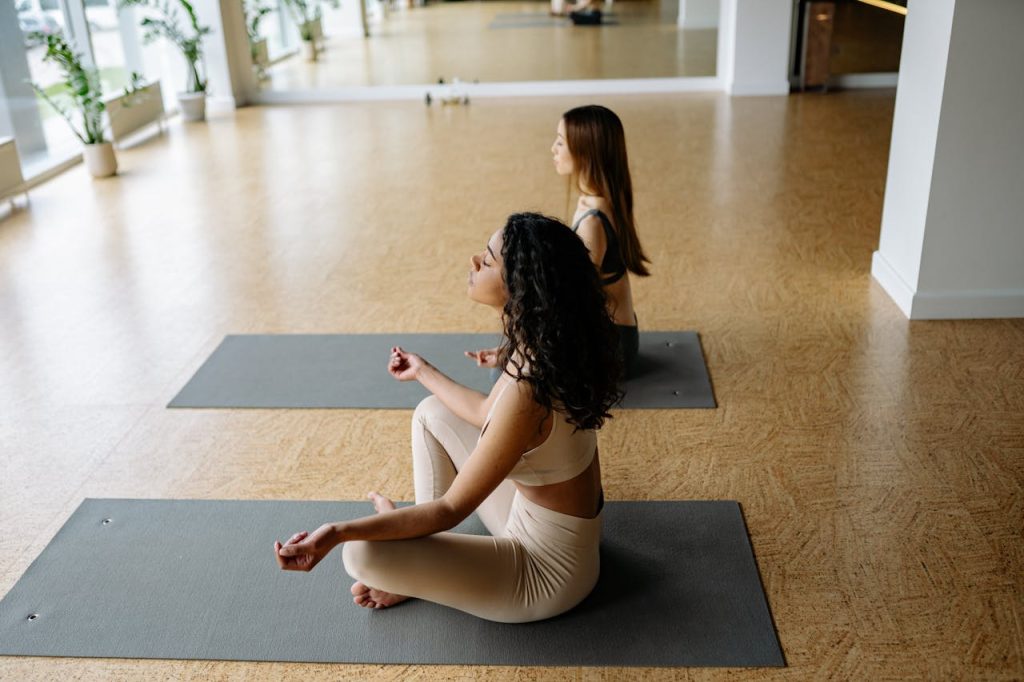
Mindfulness in Daily Life
Mindfulness is not limited to meditation sessions. You can integrate it into everyday activities:
- Walking Mindfully: Pay attention to each step, your breath, and your surroundings.
- Mindful Listening: Give full attention during conversations without planning your response.
- Mindful Chores: While washing dishes or folding laundry, focus on the task rather than multitasking.
By weaving mindfulness into daily life, you cultivate a more present and intentional lifestyle.
Benefits of a Consistent Mindfulness Practice
When you practice mindfulness consistently, the effects multiply:
- Improved Cognitive Function: Enhanced memory, focus, and problem-solving abilities.
- Emotional Resilience: Greater ability to cope with challenges and reduce emotional reactivity.
- Stronger Relationships: Mindful communication improves empathy and understanding.
- Better Health: Reduced stress hormones, improved sleep, and increased energy levels.
Scientific studies support that mindfulness practice can positively impact mental and physical health, making it a valuable life skill.
Tips for Maintaining Mindfulness
- Keep it Simple: Start with easy exercises. Overcomplicating can lead to discouragement.
- Consistency over Duration: A few minutes daily is better than an hour once in a while.
- Track Your Progress: Journaling your mindfulness practice can reinforce your habits.
- Join a Community: Online forums or local groups can provide guidance and encouragement.
- Use Guided Meditations: Apps or audio guides can be helpful for beginners.
Final Thoughts
An intro to mindfulness offers a doorway to a calmer, more focused, and balanced life. Starting small, being consistent, and practicing patience are key. As you integrate mindfulness into your daily routine, you’ll notice improvements in stress management, emotional awareness, and overall well-being.
Remember, mindfulness is a journey, not a destination. Every moment spent practicing brings you closer to a more peaceful and present life.
FAQs for Intro to Mindfulness
What is an intro to mindfulness?
An intro to mindfulness is a beginner’s guide to understanding mindfulness, its benefits, and practical techniques to live in the present moment.
How do I start practicing mindfulness?
Start with simple techniques like mindful breathing, body scans, or mindful observation for 5–10 minutes a day. Consistency is key.
What are the benefits of mindfulness?
Mindfulness reduces stress, improves focus, enhances emotional regulation, boosts well-being, and supports physical health.
Can mindfulness help with stress and anxiety?
Yes, practicing mindfulness helps calm the mind, lower cortisol levels, and increase resilience against daily stress and anxiety.
How long should I practice mindfulness each day?
Even 5–10 minutes daily can be effective. Gradually, you can increase the duration as your practice grows.
Do I need to meditate to practice mindfulness?
No, mindfulness can be practiced anytime—while walking, eating, or performing daily activities—not just during meditation.
What is mindful breathing?
Mindful breathing is focusing your attention on your breath, noticing each inhale and exhale, and gently bringing your mind back when it wanders.
What is a body scan meditation?
A body scan is a mindfulness technique where you focus on each part of your body, noticing sensations and releasing tension without judgment.
Can mindfulness improve my focus and productivity?
Yes, mindfulness trains your brain to stay present, reducing distractions and improving concentration and productivity.
Is mindfulness suitable for beginners?
Absolutely. An intro to mindfulness is designed specifically for beginners, with simple exercises that anyone can start.
How does mindfulness affect emotional health?
Mindfulness increases emotional awareness, reduces impulsive reactions, and enhances resilience in dealing with difficult emotions.
Can mindfulness improve my sleep?
Yes, mindfulness can reduce racing thoughts and stress, promoting better sleep quality and helping with insomnia.
How can I practice mindfulness at work?
You can practice mindfulness at work by focusing on one task at a time, taking mindful breaks, or doing short breathing exercises.
What is mindful eating?
Mindful eating involves paying full attention to the taste, texture, and smell of your food while eating slowly and without distractions.
How long will it take to see results from mindfulness practice?
Results vary, but many people notice reduced stress and increased focus within a few weeks of consistent practice.
Related Topics
- Articles on Mindfulness: Power of Meditation for Daily Life
- What Does Mindfulness Mean? Understanding Its Benefits
- What Is Being Mindfulness? A Complete Guide to Mindful Living
- Walking Mindfulness Meditation: A Simple Path to Inner Peace
- Mindfulness Body Scan Meditation: A Complete Guide
- Workplace Mindfulness: Improve Focus & Productivity
- Meditation Methods for Beginners | Start Your Mindfulness Journey
- What Does Being Mindful Mean? A Complete Guide to Mindfulness
- Definition of Mindfulness? Meaning, Benefits & Practice
- Mindfulness for the Workplace: Boost Productivity & Well-being
- Breath Meditation: A Complete Guide to Mindfulness & Relaxation
- Mastering the Art of Having Patience: A Mindfulness Approach
- Mindfulness Meditation for Anxiety: Calm Your Mind
- Self Meditating: A Complete Guide to Practicing Mindfulness
- Mindfulness for Grief: Find Peace Through Mindful Awareness
- Meditation and Sounds: Boost Mindfulness & Relaxation
- Emotion Mindfulness: Techniques to Manage Your Feelings
- Daily Mindfulness: How to Transform Your Life