
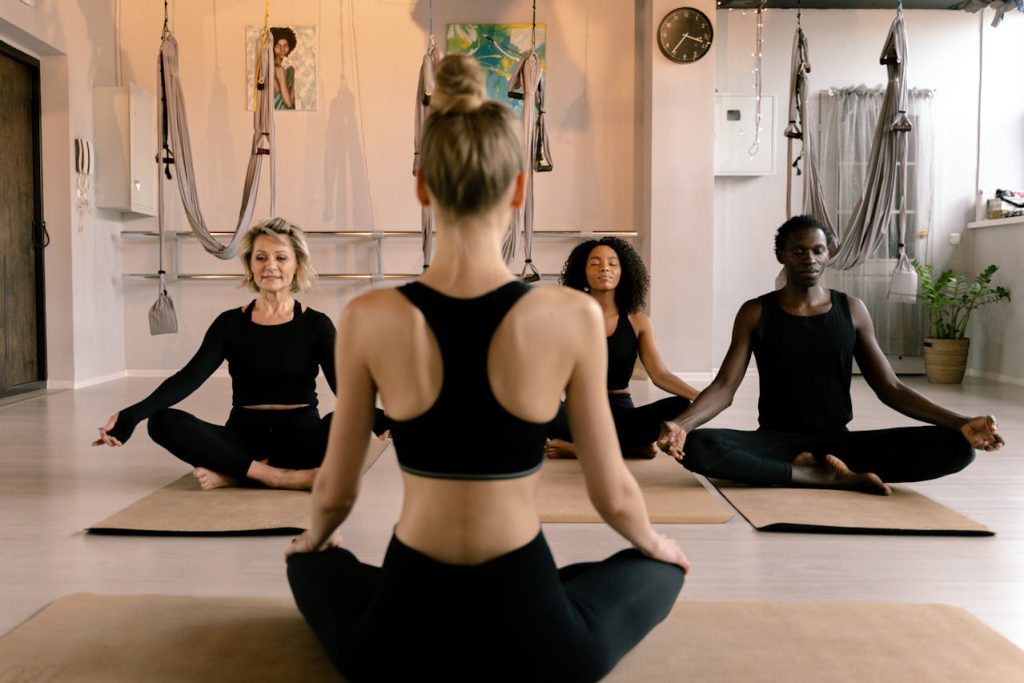
Discover an introduction to mindfulness with practical tips, benefits, and techniques for beginners. Learn how mindfulness can reduce stress, improve focus, and enhance overall well-being.
Overview
This blog post provides a comprehensive introduction to mindfulness, designed for beginners and anyone curious about incorporating mindfulness into their daily life. Readers will learn:
- What mindfulness is and why it matters
- The science-backed benefits of mindfulness
- Simple mindfulness techniques for daily practice
- How to create a sustainable mindfulness routine
- Common challenges and tips to stay consistent
By the end of the post, readers will understand mindfulness at a practical level and feel equipped to start practicing today.
Introduction to Mindfulness: Start Your Journey to a Calmer Mind
Stress and distractions are a constant companion in today’s fast-paced world. Many people struggle with staying present, feeling calm, and focusing on the moment. This aspect is where mindfulness comes in.
An introduction to mindfulness is more than just learning a meditation technique—it’s about cultivating awareness, reducing stress, and living intentionally. Mindfulness teaches us to observe our thoughts and feelings without judgment, leading to better mental, emotional, and physical well-being.
In this guide, we’ll explore the fundamentals of mindfulness and how you can begin practicing it effectively.
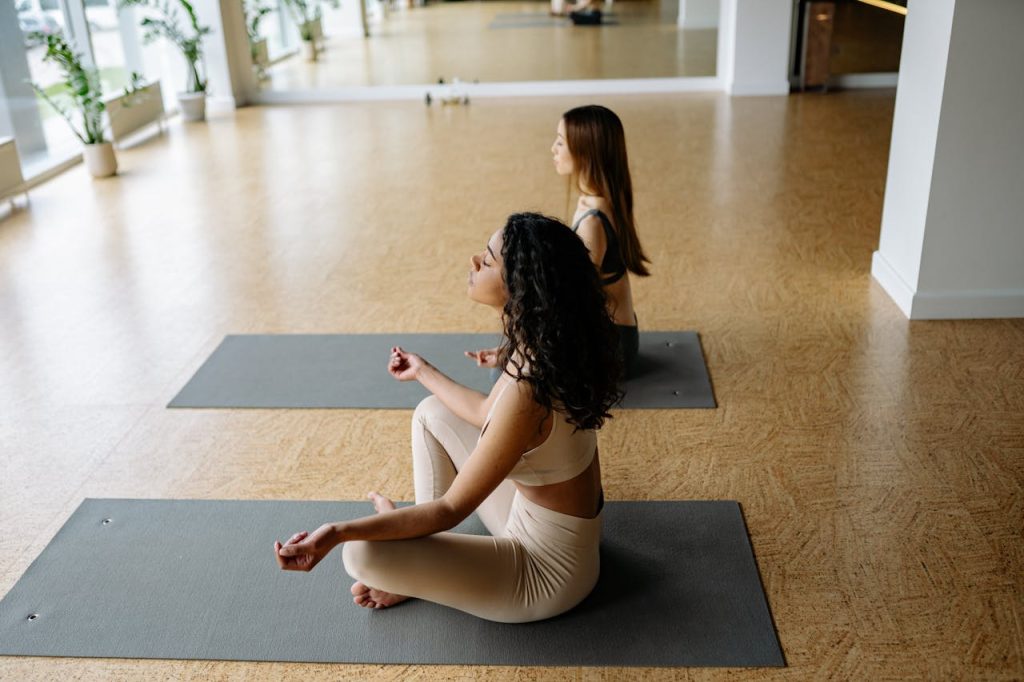
What is Mindfulness?
Mindfulness is the practice of being fully present and engaged in the current moment. It’s about observing your thoughts, emotions, and surroundings with a sense of curiosity and acceptance.
Key points:
- Mindfulness is non-judgmental—you acknowledge thoughts and feelings without labeling them as good or bad.
- It’s intentional—you consciously focus your attention rather than letting your mind wander.
- Mindfulness can be practiced anytime, anywhere—not just while meditating.
Think of it as a mental workout that strengthens your attention, focus, and emotional resilience.
The Benefits of Mindfulness
Numerous scientific studies highlight the profound benefits of mindfulness. Here are some of the most compelling advantages:
1. Reduces Stress
Mindfulness helps lower cortisol levels, the hormone associated with stress. By observing your thoughts and reactions, you can respond calmly rather than react impulsively.
2. Improves Focus and Concentration
Regular mindfulness practice enhances attention span and mental clarity. It trains your brain to stay present and reduces the tendency to multitask.
3. Enhances Emotional Health
Mindfulness encourages self-awareness and emotional regulation. It helps reduce anxiety, depression, and negative thought patterns.
4. Supports Physical Health
Mindful practices like breathing exercises and meditation can improve sleep quality, lower blood pressure, and strengthen the immune system.
5. Promotes Mindful Relationships
Being present enhances communication and empathy. Mindfulness encourages active listening and compassion in personal and professional relationships.
Mindfulness vs. Meditation: What’s the Difference?
Many beginners confuse mindfulness with meditation, but they’re not exactly the same.
- Mindfulness is the state of being aware and present in everyday life.
- Meditation is a structured practice that often involves sitting quietly, focusing on the breath, or repeating a mantra.
Think of meditation as a tool to cultivate mindfulness, while mindfulness itself can be applied throughout daily activities, like eating, walking, or even washing dishes.
Simple Mindfulness Techniques for Beginners
Starting your journey with mindfulness doesn’t require hours of meditation. Here are practical techniques you can try today:
1. Mindful Breathing
- Sit or lie comfortably.
- Close your eyes and focus on your breath.
- Notice the sensation of air moving in and out.
- If your mind wanders, gently bring it back to your breath.
Tip: Start with 2–5 minutes and gradually increase the duration.
2. Body Scan
- Lie down and bring attention to each part of your body.
- Notice any tension or discomfort without judgment.
- Release tension as you exhale.
3. Mindful Walking
- Walk slowly and focus on each step.
- Feel your feet connecting with the ground.
- Observe your surroundings with full awareness.
4. Mindful Eating
- Eat slowly, savor each bite, and notice textures and flavors.
- Pay attention to hunger and fullness cues.
5. Mindfulness Journaling
- Spend a few minutes writing down your thoughts and emotions.
- Reflect on your experiences without judgment.
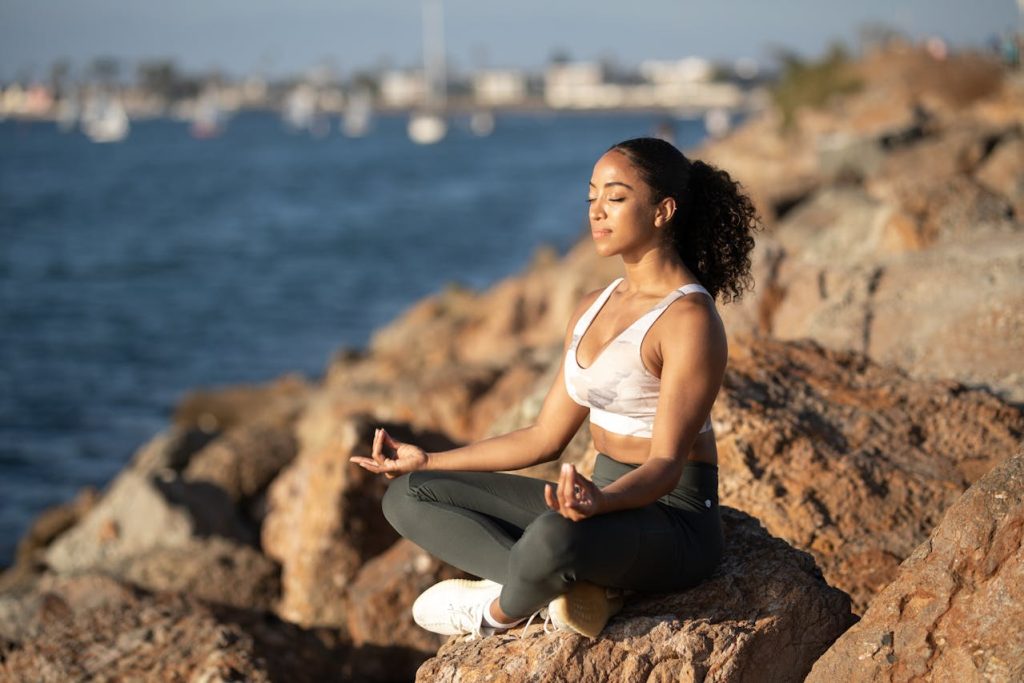
Creating a Sustainable Mindfulness Routine
Consistency is key to reaping the benefits of mindfulness. Here’s how to build a routine:
- Start Small: Begin with 5–10 minutes a day.
- Set a Specific Time: Morning or evening routines work best for many.
- Use Guided Resources: Apps, online classes, or audio guides can provide structure.
- Track Your Progress: Journaling or using a habit tracker helps maintain accountability.
- Be Patient: Mindfulness is a skill that grows over time.
Common Challenges and How to Overcome Them
Even with the best intentions, beginners often face obstacles:
| Challenge | Solution |
|---|---|
| Mind keeps wandering | Accept it and gently return focus without judgment. |
| Feeling impatient | Start with short sessions and gradually increase duration. |
| Difficulty finding time | Incorporate mindfulness into daily activities like walking or eating. |
| Unrealistic expectations | Remember that mindfulness is a lifelong journey, not a quick fix. |
Mindfulness in Everyday Life
Mindfulness isn’t limited to meditation. You can integrate it into:
- Work: Take short mindful breaks to refocus your energy.
- Exercise: Focus on movement and breath during yoga or running.
- Home: Be present while cooking, cleaning, or spending time with family.
- Technology Use: Practice mindful scrolling and set boundaries for social media.
By weaving mindfulness into daily routines, you cultivate a calmer, more focused, and more fulfilling life.
How We Can Help You Start Your Mindfulness Journey
At Mindfulness Meditation Hub, we offer guided programs, live sessions, and curated resources to help you:
- Learn mindfulness techniques step by step
- Build a daily mindfulness practice that fits your lifestyle.
- Access free guided meditations from experienced teachers
- Join a community of like-minded individuals
Whether you’re a beginner or seeking to deepen your practice, our resources make mindfulness accessible to everyone.
Final Thought: Begin Your Mindfulness Journey Today
An introduction to mindfulness is your first step toward a calmer, more focused, and more fulfilling life. By practicing awareness, patience, and self-compassion, you can reduce stress, improve emotional health, and experience life more fully.
Start with small daily practices, like mindful breathing or a brief meditation, and gradually build your routine. Remember, mindfulness is a journey, not a destination.
Take the first step today, and discover the life-changing power of being present.
FAQs for Introduction to Mindfulness
What is mindfulness and why is it important?
Mindfulness is the practice of being fully present in the moment, observing your thoughts and feelings without judgment. It helps reduce stress, improve focus, and enhance overall well-being.
How can I start an introduction to mindfulness practice?
Start small with 5–10 minutes of mindful breathing or a short guided meditation each day, gradually increasing the duration as you become more comfortable.
What are the main benefits of mindfulness?
Mindfulness can reduce stress, improve concentration, enhance emotional regulation, support physical health, and foster more mindful relationships.
Is mindfulness the same as meditation?
No. Meditation is a structured practice to cultivate mindfulness, while mindfulness itself is the awareness applied throughout daily life.
Can mindfulness help with anxiety and depression?
Yes. Studies show that regular mindfulness practice can reduce symptoms of anxiety and depression by promoting self-awareness and emotional regulation.
How long should a beginner practice mindfulness each day?
Start with 5–10 minutes per day and gradually increase to 20–30 minutes as you become more comfortable with the practice.
What are some simple mindfulness exercises for beginners?
Beginner exercises include mindful breathing, body scans, mindful walking, mindful eating, and journaling thoughts without judgment.
Can mindfulness be practiced anywhere?
Absolutely. Mindfulness can be applied during daily activities such as walking, eating, commuting, or even while working.
Do I need any special equipment to practice mindfulness?
No. You only need your mind and a few minutes of focus. Optional tools include guided meditation apps, cushions, or a quiet space.
How long does it take to feel the benefits of mindfulness?
Some benefits, like stress reduction, can be felt immediately, but long-term benefits like improved focus and emotional balance may take weeks of consistent practice.
What is a mindfulness routine and why is it important?
A mindfulness routine is a structured daily practice that helps cultivate presence, reduce stress, and maintain consistency. Regular practice leads to better results over time.
Can mindfulness improve sleep quality?
Yes. Mindfulness helps calm the mind and reduce racing thoughts, making it easier to fall asleep and improving overall sleep quality.
Are there different types of mindfulness practices?
Yes. Mindfulness can include breathing exercises, meditation, yoga, mindful eating, body scans, and walking meditations, among others.
Can mindfulness be combined with therapy or self-care practices?
Absolutely. Mindfulness complements therapy, stress management programs, and other self-care routines to improve mental and emotional well-being.
How can I stay consistent with mindfulness practice?
Start small, set a specific time each day, use guided resources, track your progress, and remind yourself that mindfulness is a lifelong journey.
Related Topics
- Articles on Mindfulness: Power of Meditation for Daily Life
- What Does Mindfulness Mean? Understanding Its Benefits
- What Is Being Mindfulness? A Complete Guide to Mindful Living
- Walking Mindfulness Meditation: A Simple Path to Inner Peace
- Mindfulness Body Scan Meditation: A Complete Guide
- Workplace Mindfulness: Improve Focus & Productivity
- Meditation Methods for Beginners | Start Your Mindfulness Journey
- What Does Being Mindful Mean? A Complete Guide to Mindfulness
- Definition of Mindfulness? Meaning, Benefits & Practice
- Mindfulness for the Workplace: Boost Productivity & Well-being
- Breath Meditation: A Complete Guide to Mindfulness & Relaxation
- Mastering the Art of Having Patience: A Mindfulness Approach
- Mindfulness Meditation for Anxiety: Calm Your Mind
- Self Meditating: A Complete Guide to Practicing Mindfulness
- Mindfulness for Grief: Find Peace Through Mindful Awareness
- Meditation and Sounds: Boost Mindfulness & Relaxation
- Emotion Mindfulness: Techniques to Manage Your Feelings
- Daily Mindfulness: How to Transform Your Life