

Discover how to learn mindfulness with practical techniques, expert tips, and daily practices. Boost focus, reduce stress, and improve your mental well-being today.
Overview
In this blog post, readers will discover how to learn mindfulness effectively, whether they are beginners or looking to deepen their practice. We’ll explore the core concepts, benefits, techniques, and daily strategies that can help anyone integrate mindfulness into their life. By the end of this guide, you’ll understand how mindfulness can enhance your mental clarity, emotional balance, and overall well-being.
What is mindfulness?
Mindfulness is the art of being fully present in the moment, observing your thoughts, feelings, and surroundings without judgement. It encourages awareness and acceptance, helping individuals respond to life’s challenges with calm and clarity rather than reacting impulsively.
Mindfulness is not just a practice; it is a lifestyle. Learning mindfulness can improve mental health, reduce stress, enhance focus, and increase emotional intelligence.
Why You Should Learn Mindfulness
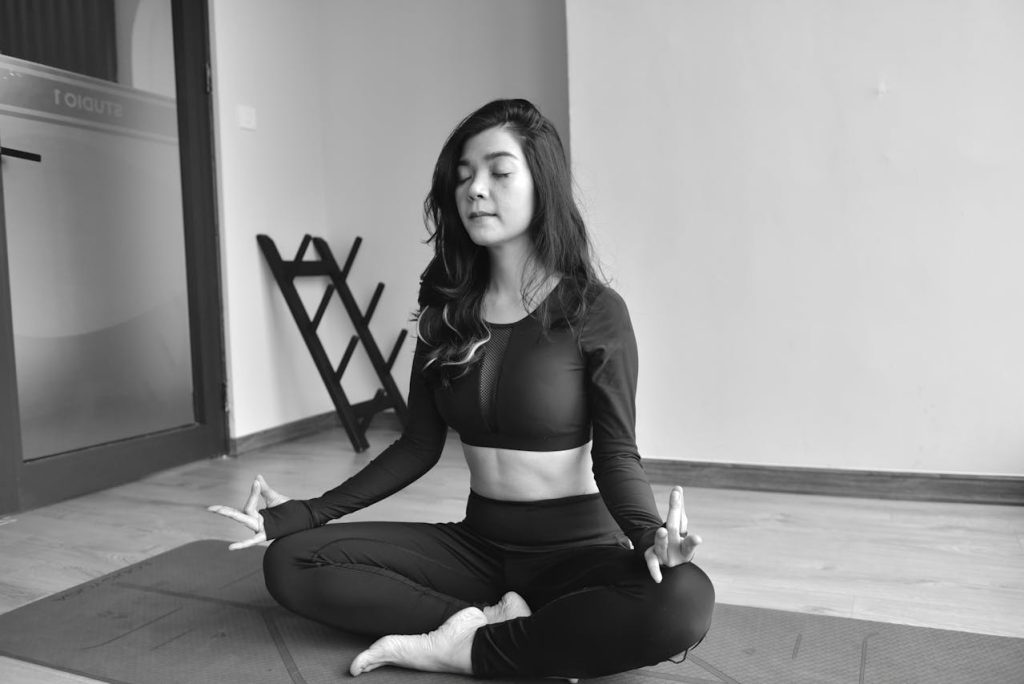
Learning mindfulness can have profound benefits for your overall well-being. Here are some key reasons why mindfulness is worth practising:
- Reduces Stress and Anxiety: Mindfulness techniques help manage stress by promoting relaxation and a sense of calm.
- Enhances Focus and Concentration: Being present improves your ability to concentrate on tasks without distractions.
- Improves Emotional Health: Mindfulness encourages self-awareness, helping you understand and regulate your emotions.
- Promotes Better Sleep: Regular mindfulness practice has been shown to improve sleep quality.
- Supports Physical Health: It can lower blood pressure, reduce chronic pain, and improve heart health.
How to Learn Mindfulness: Step-by-Step
Learning mindfulness is a gradual process that combines awareness, practice, and reflection. Here’s a step-by-step guide:
1. Start with Your Breath
Breathing is the foundation of mindfulness. Begin by paying attention to your breath. Notice the rise and fall of your chest, the sensation of air moving in and out, and any tension you may feel.
- Tip: Practise deep belly breathing for 5 minutes daily to start.
2. Observe Your Thoughts
Instead of judging your thoughts as good or bad, simply observe them. Let them pass like clouds in the sky.
- Tip: If you notice your mind wandering, gently bring your focus back to your breath.
3. Engage in Mindful Activities
Mindfulness can be applied to everyday activities such as walking, eating, or washing dishes. The key is to focus fully on the activity and the sensations involved.
- Tip: During meals, notice the colours, textures, and flavours of your food.
4. Practise Mindful Meditation
Set aside 10–20 minutes daily for meditation. Find a quiet space, sit comfortably, and focus on your breath, a mantra, or a guided meditation.
- Tip: Use meditation apps or online resources for guided sessions if you’re a beginner.
5. Journaling and Reflection
Reflecting on your mindfulness practice helps reinforce learning. Journaling your experiences, thoughts, and emotions can deepen your awareness.
- Tip: Write about one insight or feeling each day to track your progress.
Tips to Maintain a Daily Mindfulness Practice
Consistency is key when learning mindfulness. Here are some tips to stay on track:
- Start Small: Begin with 5 minutes and gradually increase your practice.
- Set Reminders: Use phone alarms or sticky notes to remind yourself to pause and practise.
- Create a Dedicated Space: Choose a quiet, comfortable spot for meditation.
- Combine with Other Habits: Pair mindfulness with morning coffee, walks, or bedtime routines.
- Be Patient and Compassionate: Mindfulness is a skill that improves over time. Avoid judging yourself if your mind wanders.
Common Mindfulness Techniques to Explore
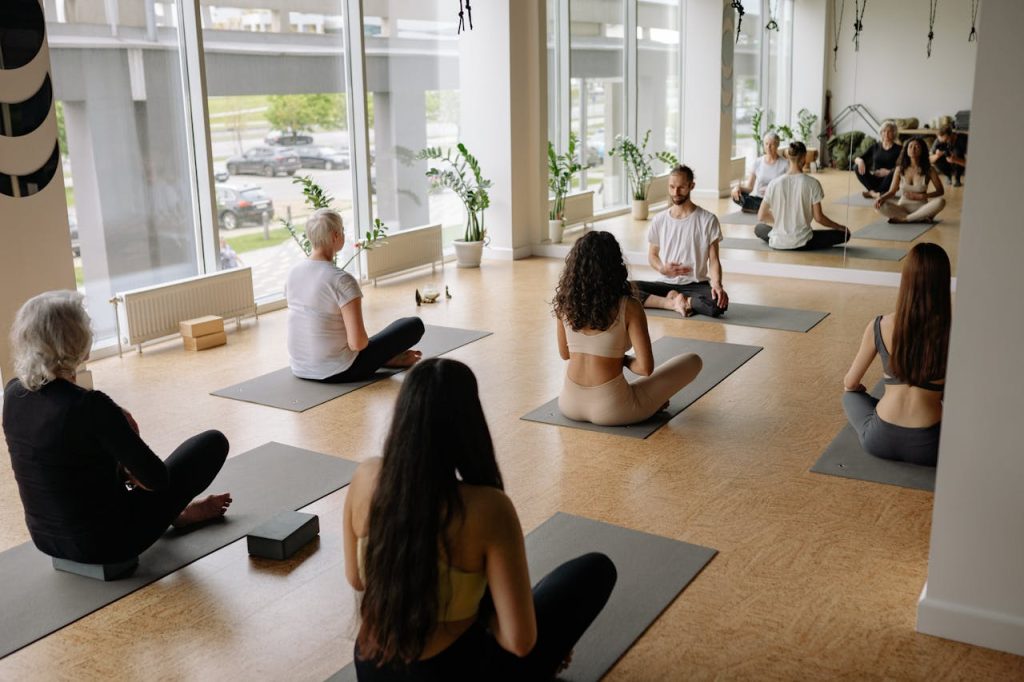
1. Body Scan Meditation
This involves mentally scanning your body from head to toe, noticing sensations without judgement. It helps release tension and improves body awareness.
2. Mindful Breathing
Focus entirely on your breath. Count inhales and exhales, and gently return to the breath whenever your mind wanders.
3. Loving-Kindness Meditation
This practice encourages compassion and kindness towards yourself and others. Repeat phrases like, “May I be happy, may I be safe,” and extend them to loved ones.
4. Mindful Walking
Walk slowly, paying attention to each step, the sensation of your feet touching the ground, and the movement of your body.
How Learning Mindfulness Benefits Daily Life
When you learn mindfulness, the positive effects extend beyond meditation sessions:
- Improved Relationships: Mindfulness encourages empathy, listening, and understanding in interactions.
- Better Decision-Making: Being present helps you respond thoughtfully rather than react impulsively.
- Enhanced Creativity: Mindfulness clears mental clutter, allowing creative ideas to flow more freely.
- Increased Productivity: Focusing on one task at a time reduces errors and increases efficiency.
Why Choose Our Mindfulness Programmes?
At Mindfulness Meditation Hub, we offer structured programmes designed to help you learn mindfulness effectively:
- Expert Guidance: Our courses are developed by experienced mindfulness coaches.
- Step-by-Step Learning: Beginners can start with foundational practices and gradually advance.
- Practical Tools: We provide guided meditations, exercises, and daily mindfulness challenges.
- Flexible Learning: Learn at your own pace, from home or on-the-go.
- Community Support: Join our online community to share experiences and get support.
Final Thought
Learning mindfulness is a transformative journey that enhances your mental, emotional, and physical well-being. By integrating mindful practices into your daily life, you can reduce stress, improve focus, cultivate emotional balance, and live more fully in the present.
Whether you are just starting out or seeking to deepen your mindfulness practice, our Mindfulness Meditation Hub programmes are here to guide you every step of the way. Start today, and take the first step toward a calmer, clearer, and more focused life.
FAQs for Learn Mindfulness
What is mindfulness, and why should I learn it?
Mindfulness is the practice of being fully present in the moment. Learning mindfulness helps reduce stress, improve focus, and enhance emotional well-being.
Can I learn mindfulness if I have a busy schedule?
Yes. Mindfulness can be practiced in short sessions, even 5–10 minutes a day, and integrated into daily activities like walking or eating.
How long does it take to see benefits from mindfulness?
Some benefits, like reduced stress and increased calm, can appear within days, while deeper emotional balance may take weeks or months of consistent practice.
Do I need to meditate to learn mindfulness?
Meditation is a key tool, but mindfulness can also be practiced during daily activities such as walking, eating, or listening.
Is mindfulness a religious practice?
No. Mindfulness is a secular practice that can be used by anyone, regardless of beliefs or faith.
Can children learn mindfulness?
Yes. Mindfulness can be adapted for children to help them develop focus, emotional regulation, and calmness.
How do I stay consistent with mindfulness practice?
Start small, set reminders, create a dedicated space, and combine mindfulness with daily routines to maintain consistency.
What are some beginner-friendly mindfulness techniques?
Techniques include mindful breathing, body scan meditation, mindful walking, and guided meditations.
Can mindfulness help with anxiety and stress?
Yes. Mindfulness encourages awareness and calm responses, reducing anxiety and helping manage stress more effectively.
How does mindfulness improve focus and productivity?
By training the mind to stay present, mindfulness helps reduce distractions, improve attention, and enhance task efficiency.
Can I learn mindfulness online?
Absolutely. Many programs, apps, and guided sessions are available online to help you learn mindfulness at your own pace.
Do I need any special equipment to practice mindfulness?
No. All you need is a quiet space, comfortable seating, and a willingness to practice regularly.
How can mindfulness improve my relationships?
Mindfulness enhances empathy, active listening, and emotional awareness, improving communication and relationship quality.
Can mindfulness help with sleep problems?
Yes. Mindfulness practices can calm the mind, reduce stress, and improve sleep quality over time.
Is there an age limit to learn mindfulness?
No. People of all ages can learn mindfulness, from children to seniors, adapting practices to suit their abilities and needs.
Related Topics
- Articles on Mindfulness: Power of Meditation for Daily Life
- What Does Mindfulness Mean? Understanding Its Benefits
- What Is Being Mindfulness? A Complete Guide to Mindful Living
- Walking Mindfulness Meditation: A Simple Path to Inner Peace
- Mindfulness Body Scan Meditation: A Complete Guide
- Workplace Mindfulness: Improve Focus & Productivity
- Meditation Methods for Beginners | Start Your Mindfulness Journey
- What Does Being Mindful Mean? A Complete Guide to Mindfulness
- Definition of Mindfulness? Meaning, Benefits & Practice
- Mindfulness for the Workplace: Boost Productivity & Well-being
- Breath Meditation: A Complete Guide to Mindfulness & Relaxation
- Mastering the Art of Having Patience: A Mindfulness Approach
- Mindfulness Meditation for Anxiety: Calm Your Mind
- Self Meditating: A Complete Guide to Practicing Mindfulness
- Mindfulness for Grief: Find Peace Through Mindful Awareness
- Meditation and Sounds: Boost Mindfulness & Relaxation
- Emotion Mindfulness: Techniques to Manage Your Feelings
- Daily Mindfulness: How to Transform Your Life