
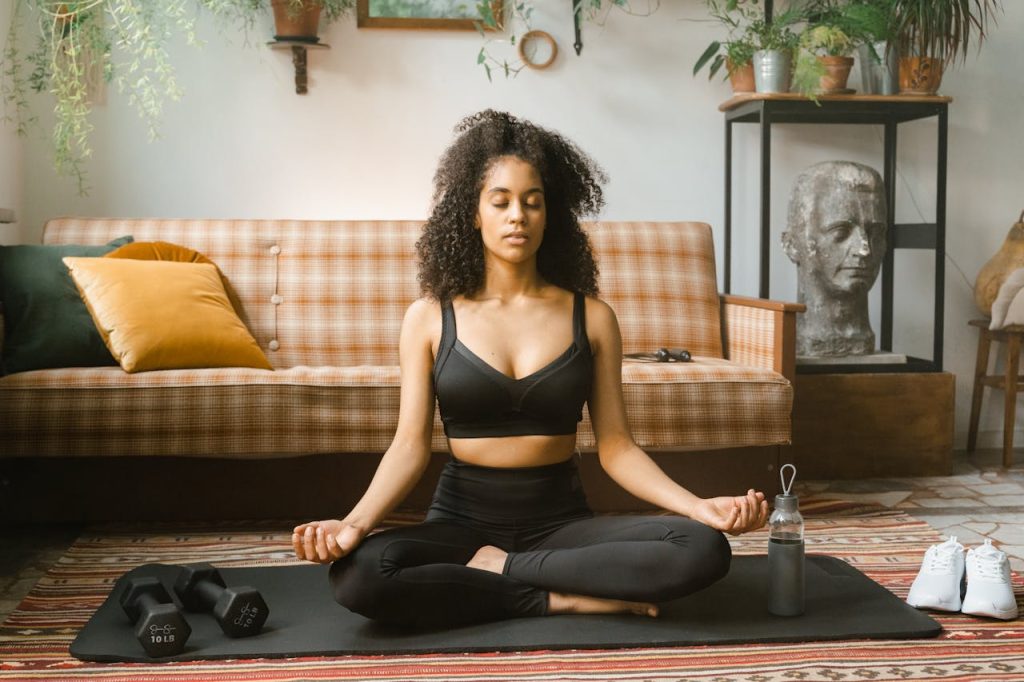
Want to learn to be mindful? Discover practical techniques, daily habits, and expert tips to build mindfulness, reduce stress, and improve focus starting today.
Overview
If you’ve ever felt overwhelmed, distracted, or disconnected from the present moment, you’re not alone. In this guide, you’ll learn how to learn to be mindful in a way that fits seamlessly into your everyday life.
By the end of this article, you will:
- Understand what mindfulness really means
- Learn simple techniques to practice daily
- Discover how mindfulness improves mental and emotional well-being
- Build a sustainable mindfulness routine
- Avoid common beginner mistakes
Whether you’re just starting or looking to deepen your practice, this guide will help you learn to be mindful with clarity and confidence.
What Does It Mean to Learn to Be Mindful?
To learn to be mindful means developing the ability to stay fully present and aware of what’s happening in the current moment—without judgment.
Instead of dwelling on the past or worrying about the future, mindfulness helps you:
- Focus on what’s happening right now
- Observe your thoughts without getting overwhelmed
- Respond calmly rather than react impulsively
Mindfulness isn’t about emptying your mind—it’s about understanding it.
Why Is It Important to Learn to Be Mindful?
Modern life is filled with distractions—phones, notifications, stress, and constant multitasking. Choosing to learn to be mindful can bring powerful benefits to your mental, emotional, and even physical health.
Key Benefits of Mindfulness
- Reduces stress and anxiety
- Improves concentration and productivity
- Enhances emotional control
- Promotes better sleep
- Increases overall happiness and well-being
When you learn to be mindful, you begin to experience life more deeply and intentionally.
How to Learn to Be Mindful: Step-by-Step Guide
Starting your mindfulness journey doesn’t require hours of meditation or special tools. You can learn to be mindful through simple, practical steps.
1. Start with Your Breath
Your breath is the easiest anchor to the present moment.
Try this:
- Sit comfortably
- Focus on your breathing
- Notice each inhale and exhale
- Gently bring your attention back when your mind wanders
Even 2–5 minutes a day can help you learn to be mindful effectively.
2. Practice Mindful Observation
Pick something simple—a leaf, your coffee, or even your surroundings.
Focus on:
- Colors
- Textures
- Sounds
- Smells
This trains your brain to slow down and notice details, a key part of learning to be mindful.
3. Use Mindfulness in Daily Activities
You don’t need to sit still to practice mindfulness.
You can learn to be mindful while:
- Eating (notice taste and texture)
- Walking (feel each step)
- Showering (observe sensations)
- Working (focus on one task at a time)
This is where mindfulness becomes a lifestyle, not just a practice.
4. Acknowledge Your Thoughts Without Judgment
Your mind will wander—it’s natural.
Instead of fighting your thoughts:
- Notice them
- Label them (e.g., “thinking,” “worrying”)
- Let them pass
When you learn to be mindful, you stop being controlled by your thoughts.
5. Create a Daily Mindfulness Routine
Consistency matters more than duration.
Start small:
- 5 minutes every morning
- 5 minutes before bed
Gradually increase your practice as you get comfortable. This is one of the most effective ways to truly learn to be mindful long-term.
Common Challenges When You Learn to Be Mindful
Mindfulness sounds simple, but beginners often face obstacles.
1. “I Can’t Stop Thinking”
That’s completely normal. Mindfulness isn’t about stopping thoughts—it’s about observing them.
2. Lack of Time
You don’t need extra time. Just integrate mindfulness into what you already do.
3. Expecting Instant Results
Mindfulness is a skill. The more you practice, the better you get.
4. Getting Frustrated
Frustration is part of the process. Acknowledge it and move forward.
Powerful Techniques to Deepen Your Mindfulness Practice
Once you’ve started to learn to be mindful, you can explore deeper techniques.
Body Scan Meditation
- Focus on each part of your body
- Notice sensations without judgment
- Helps release tension and stress
Gratitude Practice
- List 3 things you’re grateful for daily
- Shifts focus from stress to positivity
Mindful Journaling
- Write your thoughts without filtering
- Helps process emotions and gain clarity
Guided Meditation
Using guided sessions can make it easier to stay focused and consistent.

How Mindfulness Transforms Your Daily Life
When you consistently learn to be mindful, the benefits go beyond meditation sessions.
At Work
- Better focus
- Improved decision-making
- Reduced burnout
In Relationships
- Better listening
- More empathy
- Less reactive communication
For Mental Health
- Reduced anxiety
- Increased emotional resilience
- Greater self-awareness
Mindfulness doesn’t just change how you think—it changes how you live.
Tips to Stay Consistent with Mindfulness
Consistency is the key to mastering mindfulness.
Simple Tips to Follow:
- Set a daily reminder
- Start with small sessions
- Use apps or guided tools
- Practice at the same time each day
- Be patient with yourself
Remember, the goal isn’t perfection—it’s progress.
Why Choose Professional Guidance to Learn to Be Mindful
While self-practice is helpful, guided support can accelerate your progress.
At Mindfulness Meditation Hub, we provide:
- Structured meditation guidance
- Beginner-friendly resources
- Practical techniques for daily life
- Tools to build long-term mindfulness habits
If you’re serious about wanting to learn to be mindful, having expert guidance can make your journey smoother and more effective.
Final Thoughts: Start Your Mindfulness Journey Today
Choosing to learn to be mindful is one of the most valuable decisions you can make for your mental and emotional well-being.
You don’t need to be perfect. You don’t need hours of free time. You just need to start.
Remember:
- Start small
- Stay consistent
- Be patient
- Keep practicing
Mindfulness is not a destination—it’s a way of living.
FAQs for Learn to Be Mindful
What does it mean to learn to be mindful?
Learning to be mindful means becoming aware of the present moment without judgment. It involves paying attention to your thoughts, feelings, and surroundings with clarity and calmness.
How can beginners learn to be mindful easily?
Beginners can start by focusing on their breath, practicing short meditation sessions, and bringing awareness to daily activities like eating or walking.
How long does it take to learn to be mindful?
Mindfulness is a lifelong skill, but you can start noticing benefits within a few days or weeks of consistent practice.
Can I learn to be mindful without meditation?
Yes, you can practice mindfulness in everyday activities such as cooking, working, or even talking, without formal meditation.
What are the benefits of learning to be mindful?
Mindfulness helps reduce stress, improve focus, enhance emotional control, promote better sleep, and increase overall well-being.
How often should I practice mindfulness?
It’s best to practice mindfulness daily, even if it’s just 5–10 minutes. Consistency is more important than duration.
Is mindfulness the same as meditation?
Mindfulness is a state of awareness, while meditation is a practice used to develop that awareness.
Can mindfulness help with anxiety and stress?
Yes, mindfulness is widely known to reduce anxiety and stress by helping you stay grounded in the present moment.
What is the best time of day to practice mindfulness?
You can practice mindfulness anytime, but many people prefer mornings for clarity or evenings to relax and unwind.
Do I need special tools to learn mindfulness?
No, mindfulness requires no special tools. However, guided apps or resources can be helpful for beginners.
What are some simple mindfulness exercises?
Simple exercises include mindful breathing, body scan meditation, observing your surroundings, and mindful eating.
Why is it hard to stay mindful at first?
It’s normal because the mind naturally wanders. With practice, it becomes easier to stay focused and aware.
Can mindfulness improve focus and productivity?
Yes, mindfulness trains your brain to concentrate better, which improves productivity and decision-making.
How can I stay consistent with mindfulness practice?
Set a routine, start small, use reminders, and be patient with yourself to build a lasting habit.
Is mindfulness suitable for everyone?
Yes, mindfulness is a simple and flexible practice that can benefit people of all ages and lifestyles.
Related Topics
- Articles on Mindfulness: Power of Meditation for Daily Life
- What Does Mindfulness Mean? Understanding Its Benefits
- What Is Being Mindfulness? A Complete Guide to Mindful Living
- Walking Mindfulness Meditation: A Simple Path to Inner Peace
- Mindfulness Body Scan Meditation: A Complete Guide
- Workplace Mindfulness: Improve Focus & Productivity
- Meditation Methods for Beginners | Start Your Mindfulness Journey
- What Does Being Mindful Mean? A Complete Guide to Mindfulness
- Definition of Mindfulness? Meaning, Benefits & Practice
- Mindfulness for the Workplace: Boost Productivity & Well-being
- Breath Meditation: A Complete Guide to Mindfulness & Relaxation
- Mastering the Art of Having Patience: A Mindfulness Approach
- Mindfulness Meditation for Anxiety: Calm Your Mind
- Self Meditating: A Complete Guide to Practicing Mindfulness
- Mindfulness for Grief: Find Peace Through Mindful Awareness
- Meditation and Sounds: Boost Mindfulness & Relaxation
- Emotion Mindfulness: Techniques to Manage Your Feelings
- Daily Mindfulness: How to Transform Your Life