
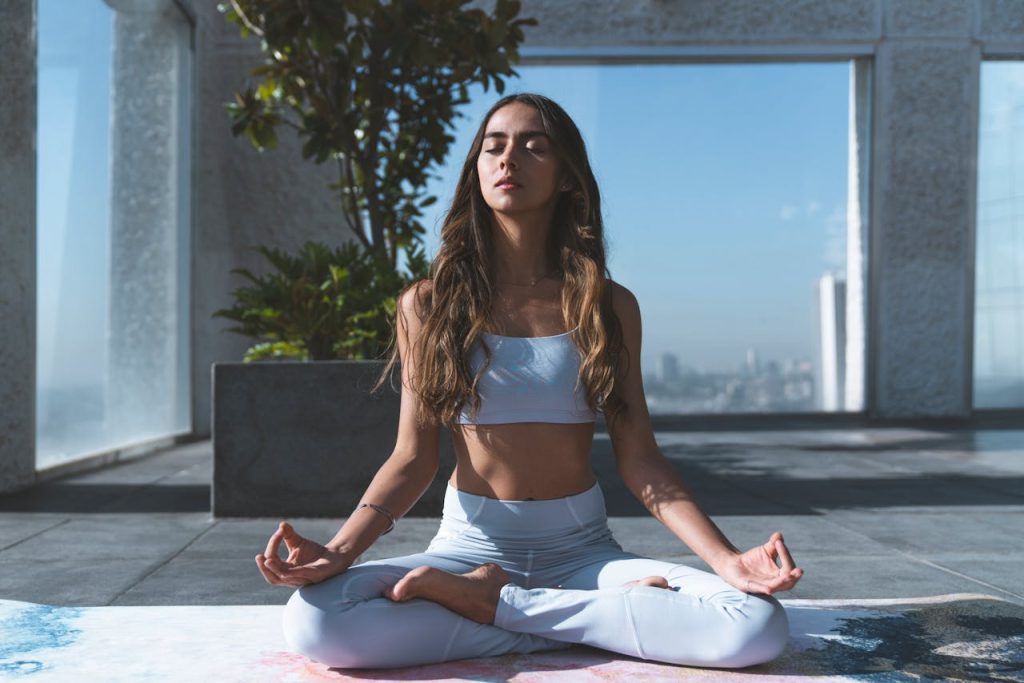
Discover the art of learning to be mindful with practical tips, exercises, and expert guidance. Improve focus, reduce stress, and live fully in the present.
Overview
In this blog post, readers will discover the meaning and benefits of mindfulness, understand how to practice mindfulness in daily life, explore practical exercises, and learn strategies to maintain a consistent mindfulness routine. By the end, readers will feel empowered to embrace mindfulness as a transformative habit for mental clarity, emotional balance, and overall well-being.
What Does “Learning to Be Mindful” Mean?
Learning to be mindful is more than just sitting quietly or meditating occasionally. It is a deliberate practice of being fully present in the moment, aware of your thoughts, emotions, and surroundings without judgment. When you are mindful, you notice life as it unfolds, rather than being trapped in past regrets or future anxieties.
Mindfulness is a skill, which means it can be learned and strengthened over time. Like any habit, it requires consistent practice and patience.
Key aspects of mindfulness include:
- Paying attention to your current experience
- Observing thoughts without attachment
- Responding rather than reacting impulsively
- Embracing a sense of curiosity and openness toward life

Benefits of Learning to Be Mindful
There are numerous benefits to cultivating mindfulness, both mentally and physically. Here’s what research and practice suggest:
Mental Benefits:
- Reduced stress and anxiety: Mindfulness helps calm the nervous system and manage emotional responses.
- Improved focus and concentration: By training the mind to stay present, distractions become easier to manage.
- Emotional balance: Mindfulness encourages self-awareness, helping you regulate emotions more effectively.
Physical Benefits:
- Lower blood pressure and heart rate: Regular mindfulness practices can positively affect cardiovascular health.
- Enhanced immune function: Mindful living supports overall body resilience.
- Better sleep quality: Mindfulness reduces mental chatter, making it easier to fall and stay asleep.
Social Benefits:
- Improved relationships: Mindful listening and awareness help deepen connections with others.
- Empathy and compassion: Practicing mindfulness encourages understanding and patience in interactions.
By learning to be mindful, you not only benefit yourself but also improve how you engage with the world around you.
How to Start Learning to Be Mindful
Starting your mindfulness journey doesn’t require complicated tools or hours of meditation. Here are practical steps to integrate mindfulness into your life:
1. Begin With Mindful Breathing
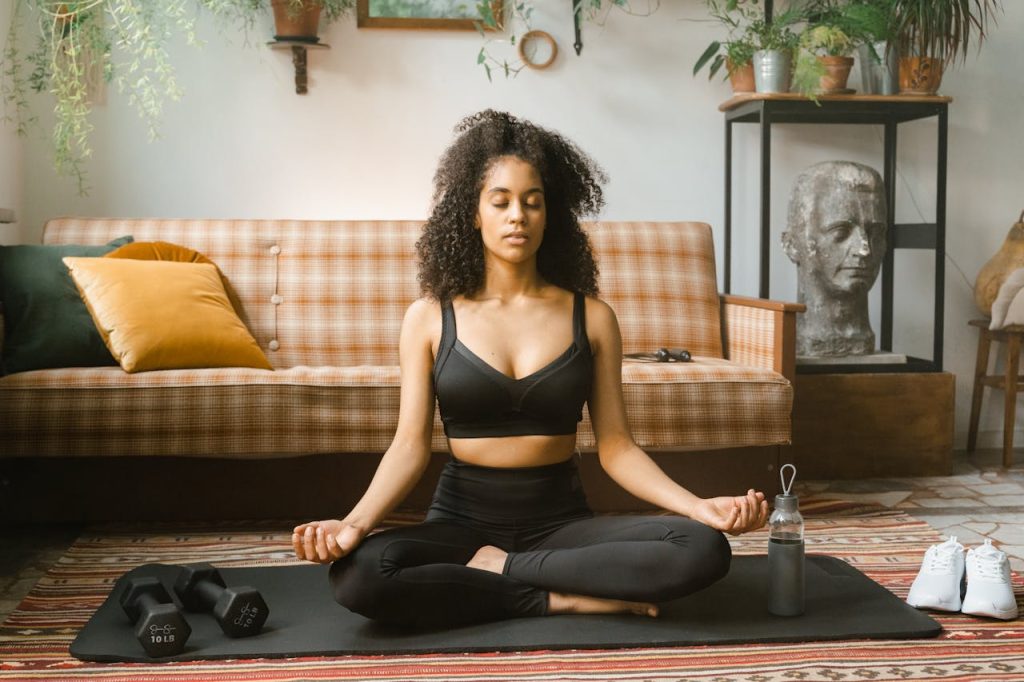
Your breath is your anchor to the present moment. A simple exercise:
- Sit comfortably and close your eyes.
- Take slow, deep breaths, paying attention to the sensation of air entering and leaving your body.
- When your mind wanders, gently bring your focus back to your breath.
2. Observe Your Thoughts Without Judgment
- Notice your thoughts as they arise.
- Label them if you like: “thinking,” “planning,” “worrying.”
- Avoid trying to change or suppress thoughts—simply observe and let them pass.
3. Practice Mindful Eating
- Pay attention to the taste, texture, and aroma of each bite.
- Avoid multitasking while eating; focus entirely on the experience of eating.
4. Mindful Walking
- Walk slowly and notice the sensation of your feet touching the ground.
- Observe your surroundings without labeling or judging them.
5. Use Mindfulness Reminders
- Set small reminders on your phone or sticky notes.
- Take 1–2 minutes during the day to pause, breathe, and be present.
By incorporating these exercises, you’re actively learning to be mindful and turning awareness into a daily habit.
Mindfulness Practices You Can Try Today
Consistency is key to learning to be mindful. Here are practical routines you can adopt immediately:
Short Daily Meditation
- Duration: 5–10 minutes
- Focus: Breath, body sensations, or a guided meditation
- Goal: Establish a daily practice to anchor your awareness
Body Scan Exercise
- Lie down comfortably and slowly bring attention to each part of your body, starting from toes to head.
- Notice tension or sensations without judgment.
Gratitude Journaling
- At the end of each day, write down 3 things you are grateful for.
- Reflecting on positive moments cultivates mindfulness and emotional awareness.
Mindful Listening
- In conversations, focus fully on the speaker without planning your response.
- Notice the tone, pauses, and emotions expressed.
Technology-Free Moments
- Set aside 15–30 minutes a day without screens.
- Observe surroundings, sensations, and thoughts to reconnect with the present.
Overcoming Common Challenges in Learning Mindfulness
Even with dedication, learning to be mindful can be challenging. Here’s how to address common obstacles:
1. A Busy Mind
- It’s normal for thoughts to wander. Simply acknowledge distractions and gently return to the present.
2. Lack of Time
- Even 1–5 minutes of mindful breathing counts. Start small and gradually increase.
3. Impatience or Frustration
- Mindfulness is a skill developed over time. Avoid self-criticism and celebrate small victories.
4. Difficulty Maintaining Consistency
- Use reminders, schedules, or a mindfulness buddy to stay accountable.
By addressing these challenges proactively, you strengthen your practice and continue learning to be mindful.
Making Mindfulness a Lifestyle
To truly benefit, mindfulness should go beyond meditation sessions. Integrate mindfulness into your daily routine:
- Morning Rituals: Begin your day with mindful stretching or breathing.
- Commute Awareness: Observe surroundings without judgment.
- Work Breaks: Take 2–3 minutes to pause, breathe, and reset focus.
- Evening Reflection: Journal or meditate to unwind and process the day.
The more you practice, the more mindfulness becomes second nature. You’ll notice a gradual improvement in mental clarity, emotional resilience, and overall happiness.
Why Choose Mindfulness Meditation Hub to Learn Mindfulness
At Mindfulness Meditation Hub, we provide:
- Step-by-step guides and tutorials for all skill levels
- Expert advice from mindfulness practitioners
- Guided meditations tailored to stress relief, focus, and emotional balance
- A supportive community for encouragement and accountability
Our platform helps you start your journey, overcome challenges, and maintain a consistent mindfulness practice. Learning to be mindful has never been easier or more accessible.
Final Thought
Learning to be mindful is a transformative journey that can enhance your mental, emotional, and physical well-being. By practicing mindfulness exercises, observing your thoughts, and integrating mindful moments into daily life, you can experience reduced stress, improved focus, and deeper fulfillment.
Start today with small steps—your mind, body, and relationships will thank you.
Remember: Mindfulness is a skill, not a destination. Every moment you choose awareness, you are learning to be mindful.
FAQs for Learning to Be Mindful
What does learning to be mindful mean?
Learning to be mindful means practicing awareness of the present moment, observing thoughts and feelings without judgment, and cultivating focus and emotional balance.
How long does it take to learn to be mindful?
The time varies per person, but regular daily practice—starting with 5–10 minutes—can show noticeable benefits within a few weeks.
Can beginners learn to be mindful easily?
Yes. Mindfulness is a skill that anyone can develop with simple exercises like mindful breathing, body scans, or short meditations.
What are the main benefits of learning to be mindful?
Benefits include reduced stress, improved focus, emotional regulation, better sleep, and overall mental clarity.
Do I need special tools to start learning mindfulness?
No. All you need is a quiet space, your awareness, and a willingness to practice regularly.
How can I practice mindfulness in daily life?
You can integrate mindfulness into everyday activities like eating, walking, listening, or even during work breaks.
Is guided meditation necessary for learning to be mindful?
Not necessary, but guided meditations can be helpful for beginners to stay focused and establish a routine.
Can mindfulness help with anxiety and stress?
Yes. Learning to be mindful helps calm the mind, manage emotional reactions, and reduce overall stress levels.
How often should I practice mindfulness?
Daily practice is recommended, even if it’s just a few minutes. Consistency is more important than duration.
What is the difference between meditation and mindfulness?
Meditation is a formal practice, often seated and timed, while mindfulness is the broader practice of present-moment awareness applied throughout daily life.
Can children learn to be mindful?
Absolutely. Mindfulness exercises can be adapted for children, including breathing exercises, mindful play, or guided stories.
How do I stay consistent in learning mindfulness?
Use reminders, schedules, or short daily routines. Joining a community or using apps can also boost consistency.
Is mindfulness a religious practice?
No. While it originates from certain spiritual traditions, mindfulness itself is a secular practice focused on awareness and presence.
Can mindfulness improve relationships?
Yes. Being fully present and listening attentively improves communication, empathy, and connection with others.
How do I know if I am learning to be mindful effectively?
You’ll notice gradual changes in focus, emotional regulation, reduced stress, and a deeper sense of calm and awareness in daily life.
Related Topics
- Articles on Mindfulness: Power of Meditation for Daily Life
- What Does Mindfulness Mean? Understanding Its Benefits
- What Is Being Mindfulness? A Complete Guide to Mindful Living
- Walking Mindfulness Meditation: A Simple Path to Inner Peace
- Mindfulness Body Scan Meditation: A Complete Guide
- Workplace Mindfulness: Improve Focus & Productivity
- Meditation Methods for Beginners | Start Your Mindfulness Journey
- What Does Being Mindful Mean? A Complete Guide to Mindfulness
- Definition of Mindfulness? Meaning, Benefits & Practice
- Mindfulness for the Workplace: Boost Productivity & Well-being
- Breath Meditation: A Complete Guide to Mindfulness & Relaxation
- Mastering the Art of Having Patience: A Mindfulness Approach
- Mindfulness Meditation for Anxiety: Calm Your Mind
- Self Meditating: A Complete Guide to Practicing Mindfulness
- Mindfulness for Grief: Find Peace Through Mindful Awareness
- Meditation and Sounds: Boost Mindfulness & Relaxation
- Emotion Mindfulness: Techniques to Manage Your Feelings
- Daily Mindfulness: How to Transform Your Life