
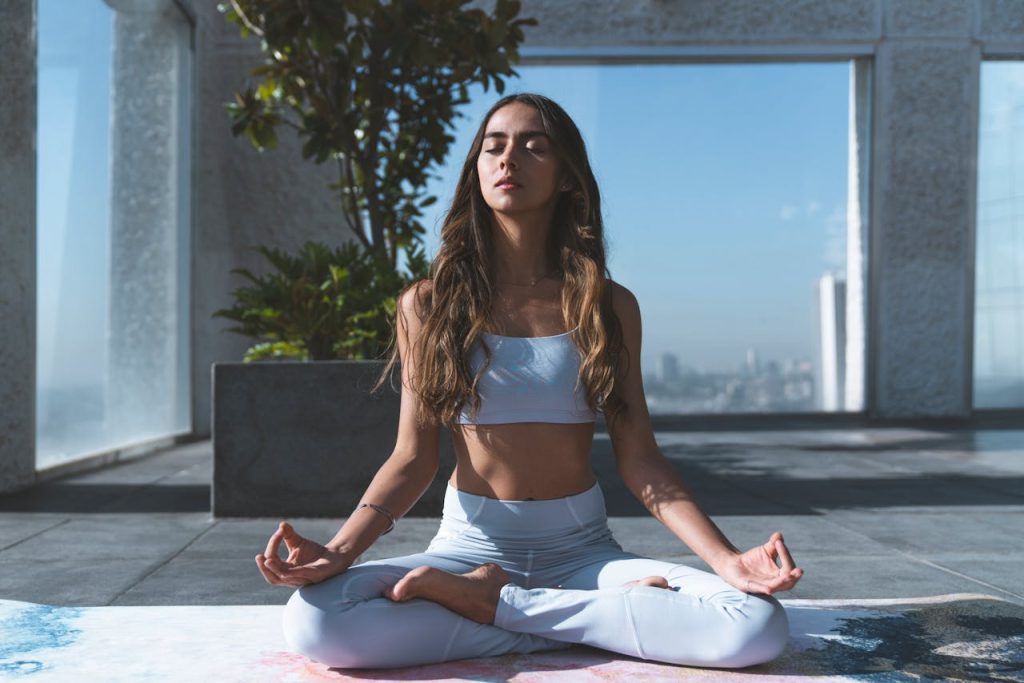
Discover how living with mindfulness can reduce stress, improve focus, and bring emotional balance into your daily life. Learn practical techniques and habits to start your mindful journey today.
Overview
In this guide, you will learn what living with mindfulness truly means and how to apply it in real-life situations—not just during meditation, but throughout your entire day.
By the end of this article, you will understand:
- What mindfulness really is beyond the basics
- How living with mindfulness transforms stress and emotional reactions
- Simple daily habits to stay present and grounded
- Practical exercises to build awareness in everyday life
- How mindfulness improves mental, emotional, and physical well-being
- Ways to integrate mindfulness into work, relationships, and routines
This article is designed to help you shift from a distracted, reactive lifestyle to a calmer, more intentional way of living.
What Does Living with Mindfulness Mean?
Living with mindfulness means being fully present in each moment without judgment. It is not about clearing your mind completely or escaping daily responsibilities. Instead, it is about noticing your thoughts, emotions, and surroundings with awareness and clarity.
When you practice living with mindfulness, you begin to:
- Respond instead of react
- Notice stress before it overwhelms you
- Appreciate small moments in daily life
- Make decisions with more awareness and intention
Unlike short meditation sessions, living with mindfulness is a continuous lifestyle practice that influences how you eat, work, communicate, and even rest.
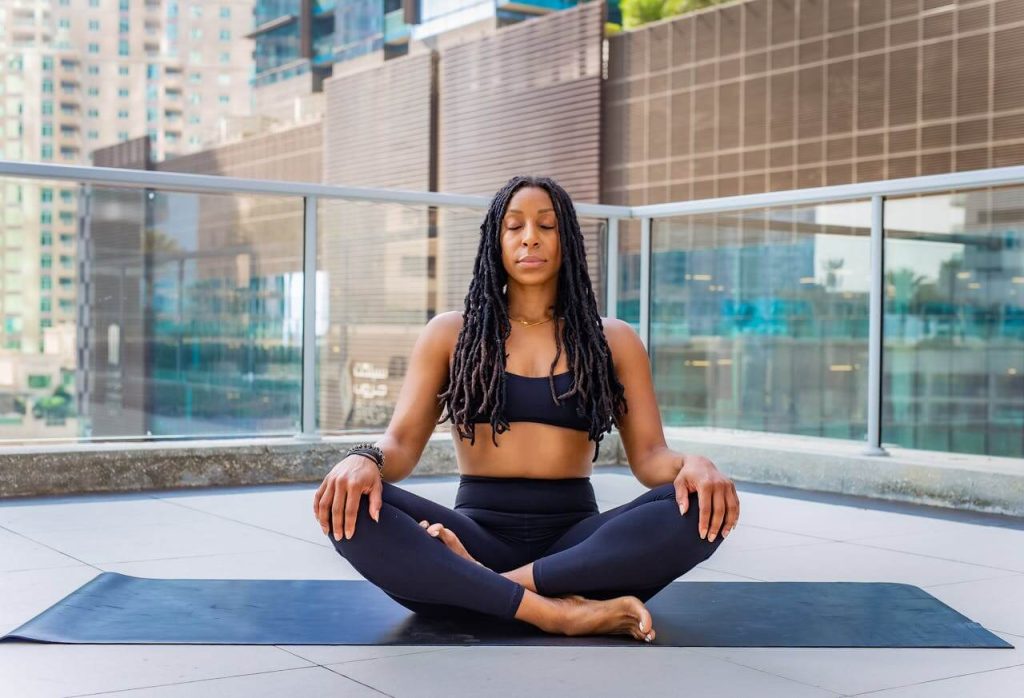
Why Living with Mindfulness Matters in Today’s World
Modern life is fast, noisy, and often overwhelming. Constant notifications, pressure, and multitasking can easily lead to stress and mental fatigue.
Practicing living with mindfulness helps you:
Reduce Stress Levels
When you’re mindful, your mind spends less time worrying about the past or future.
Improve Mental Clarity
You think more clearly because your attention is focused on one moment at a time.
Strengthen Emotional Balance
Instead of reacting instantly to emotions, you learn to observe them first.
Improve Relationships
You listen more deeply and communicate more thoughtfully.
Boost Productivity.
Focused attention leads to better performance in work and studies.
Simply put, living with mindfulness helps you regain control over your attention—and your life.
The Core Principles of Living with Mindfulness
To fully understand living with mindfulness, you need to understand its core principles:
1. Present-Moment Awareness
Focus on what is happening right now—not yesterday or tomorrow.
2. Non-Judgment
Observe your thoughts and feelings without labeling them as good or bad.
3. Acceptance
Accept reality as it is, even when it is uncomfortable.
4. Intentional Attention
Choose where to place your focus instead of letting distractions control you.
These principles are the foundation of living with mindfulness and guide every practice you develop.
Simple Daily Practices for Living with Mindfulness
You don’t need to change your entire lifestyle overnight. Instead, small consistent habits are the key to living with mindfulness.
1. Mindful Morning Start
Start your day without immediately reaching for your phone.
Try this instead:
- Take 3 deep breaths before getting out of bed.
- Notice how your body feels
- Set a simple intention for the day
This sets the tone for living with mindfulness from the very beginning of your day.
2. Mindful Eating
Eating is one of the easiest ways to practice awareness.
When eating:
- Slow down your chewing.
- Notice taste, texture, and smell
- Avoid distractions like scrolling on your phone
This practice strengthens your ability to live with mindfulness in everyday activities.
3. Mindful Walking
Whether you are walking to work or just moving around your home:
- Pay attention to each step
- Notice your surroundings
- Feel your body in motion
This simple habit reinforces living with mindfulness through movement.
4. Breathing Awareness
Take short breaks during the day:
- Inhale slowly for 4 seconds
- Hold for 2 seconds
- Exhale for 6 seconds
Even one minute of breathing awareness supports living with mindfulness in stressful moments.
5. Digital Awareness
Technology often pulls us away from the present moment.
To practice living with mindfulness:
- Reduce unnecessary scrolling
- Turn off non-essential notifications
- Take short digital breaks
How Living with Mindfulness Changes Your Mindset
When you consistently practice living with mindfulness, your mindset begins to shift in powerful ways.
From Reactivity to Response
Instead of reacting instantly, you pause and choose your response.
From Stress to Awareness
You recognize stress early and handle it before it builds up.
From Overthinking to Clarity
Your mind becomes less cluttered and more focused.
From Autopilot to Intentional Living
You begin to live deliberately instead of habitually.
Over time, living with mindfulness becomes your natural way of thinking and behaving.
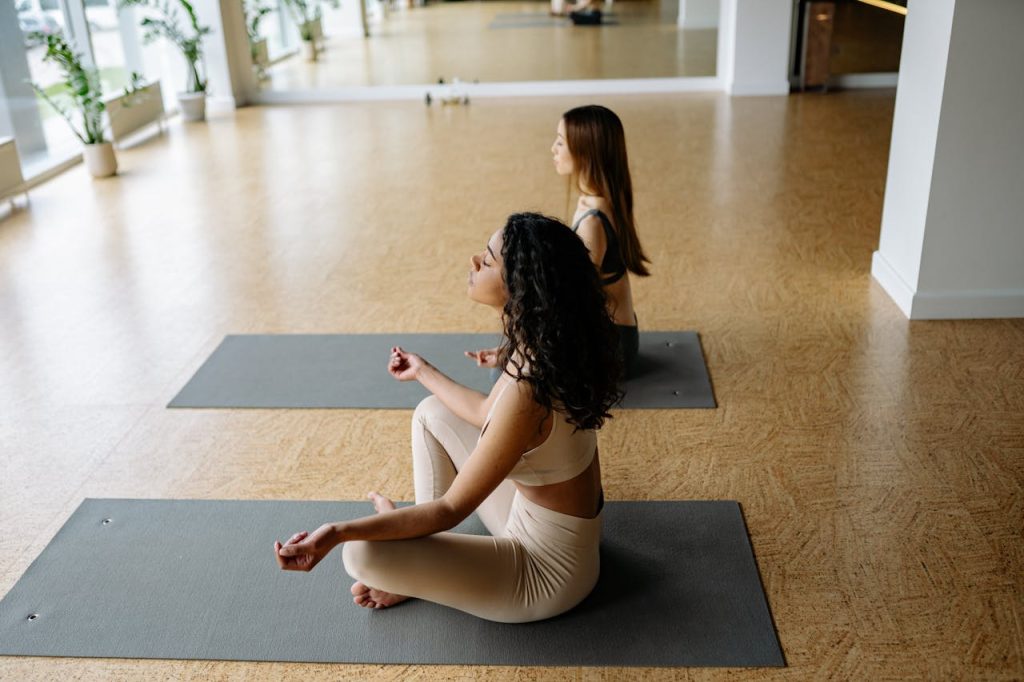
Common Challenges in Living with Mindfulness
Even though living with mindfulness is simple in theory, it can feel challenging at first.
Constant Distractions
Modern life is full of interruptions. The key is not perfection, but awareness.
Overthinking Mind
Your mind may wander often. That’s normal—just gently bring it back.
Lack of Time
Mindfulness doesn’t require extra time. It fits into what you already do.
The goal of living with mindfulness is progress, not perfection.
Benefits of Living with Mindfulness
When practiced consistently, living with mindfulness can transform your life in multiple ways:
Mental Benefits:
- Improved focus
- Reduced anxiety
- Better memory and clarity
Emotional Benefits:
- Greater emotional control
- Reduced anger and frustration
- Increased self-awareness
Physical Benefits:
- Better sleep quality
- Lower stress-related fatigue
- Improved overall well-being
Lifestyle Benefits:
- More meaningful relationships
- Increased productivity
- A calmer, more balanced life
How We Help You Practice Living with Mindfulness
At Mindfulness Meditation Hub, we support your journey toward living with mindfulness through guided resources, meditation practices, and practical tools.
We offer:
- Guided mindfulness exercises
- Meditation techniques for beginners and advanced learners
- Stress reduction practices
- Daily mindfulness routines
- Educational content for long-term growth
Our goal is to help you make living with mindfulness a natural part of your lifestyle—not just a concept you read about.
Final Thoughts
Living with mindfulness is not about escaping life—it is about fully experiencing it. It teaches you to slow down, pay attention, and connect deeply with each moment.
When you commit to living with mindfulness, you begin to notice subtle but powerful changes in your thoughts, emotions, and daily experiences.
Start small. Stay consistent. And allow mindfulness to become a natural part of your life.
Because ultimately, living with mindfulness is not just a practice—it is a way of living that brings clarity, peace, and balance into everything you do.
FAQs for Living with Mindfulness
What does living with mindfulness actually mean?
Living with mindfulness means staying fully present in each moment while being aware of your thoughts, emotions, and surroundings without judgment.
Is living with mindfulness the same as meditation?
No, meditation is a practice, while living with mindfulness is a lifestyle. Meditation helps train your mind, but mindfulness applies to everyday activities.
How can I start living with mindfulness every day?
You can start by focusing on simple habits like mindful breathing, eating slowly, and paying attention to your daily actions.
Can living with mindfulness reduce stress?
Yes, living with mindfulness helps reduce stress by keeping your attention in the present moment instead of worrying about the past or future.
Do I need special training for living with mindfulness?
No special training is required. Anyone can start practicing mindfulness with simple awareness techniques and daily habits.
How long does it take to see results from mindfulness?
Some people notice improvements within a few days, but deeper benefits come with consistent practice over weeks and months.
Can living with mindfulness improve mental health?
Yes, it can help reduce anxiety, improve focus, and support emotional balance, which contributes to better mental well-being.
What are simple ways to practice mindfulness at work?
You can take short breathing breaks, focus on one task at a time, and avoid multitasking to practice mindfulness at work.
Is it possible to live mindfully in a busy lifestyle?
Yes, even in a busy lifestyle, small mindful habits like conscious breathing and focused attention can make a big difference.
Does living with mindfulness help with anxiety?
Yes, it helps by reducing overthinking and bringing attention back to the present moment, which can ease anxiety symptoms.
Can children learn to live with mindfulness?
Yes, children can easily learn mindfulness through simple breathing exercises and awareness activities.
What are the main benefits of living with mindfulness?
Benefits include reduced stress, improved focus, emotional balance, better relationships, and increased self-awareness.
How is mindfulness different from relaxation techniques?
Relaxation focuses on calming the body, while mindfulness focuses on being aware of the present moment, even during stress.
Can I practice mindfulness without meditation?
Yes, you can practice mindfulness in daily life through activities like walking, eating, and even talking.
How does Mindfulness Meditation Hub help with living with mindfulness?
Mindfulness Meditation Hub provides guided resources, techniques, and practices to help you integrate mindfulness into your daily life effectively.
Related Topics
- Daily Mindfulness: How to Transform Your Life
- Articles on Mindfulness: Power of Meditation for Daily Life
- What Does Mindfulness Mean? Understanding Its Benefits
- What Is Being Mindfulness? A Complete Guide to Mindful Living
- Walking Mindfulness Meditation: A Simple Path to Inner Peace
- Mindfulness Body Scan Meditation: A Complete Guide
- Workplace Mindfulness: Improve Focus & Productivity
- Meditation Methods for Beginners | Start Your Mindfulness Journey
- What Does Being Mindful Mean? A Complete Guide to Mindfulness
- Definition of Mindfulness? Meaning, Benefits & Practice
- Mindfulness for the Workplace: Boost Productivity & Well-being
- Breath Meditation: A Complete Guide to Mindfulness & Relaxation
- Mastering the Art of Having Patience: A Mindfulness Approach
- Mindfulness Meditation for Anxiety: Calm Your Mind
- Self Meditating: A Complete Guide to Practicing Mindfulness
- Mindfulness for Grief: Find Peace Through Mindful Awareness
- Meditation and Sounds: Boost Mindfulness & Relaxation
- Emotion Mindfulness: Techniques to Manage Your Feelings