
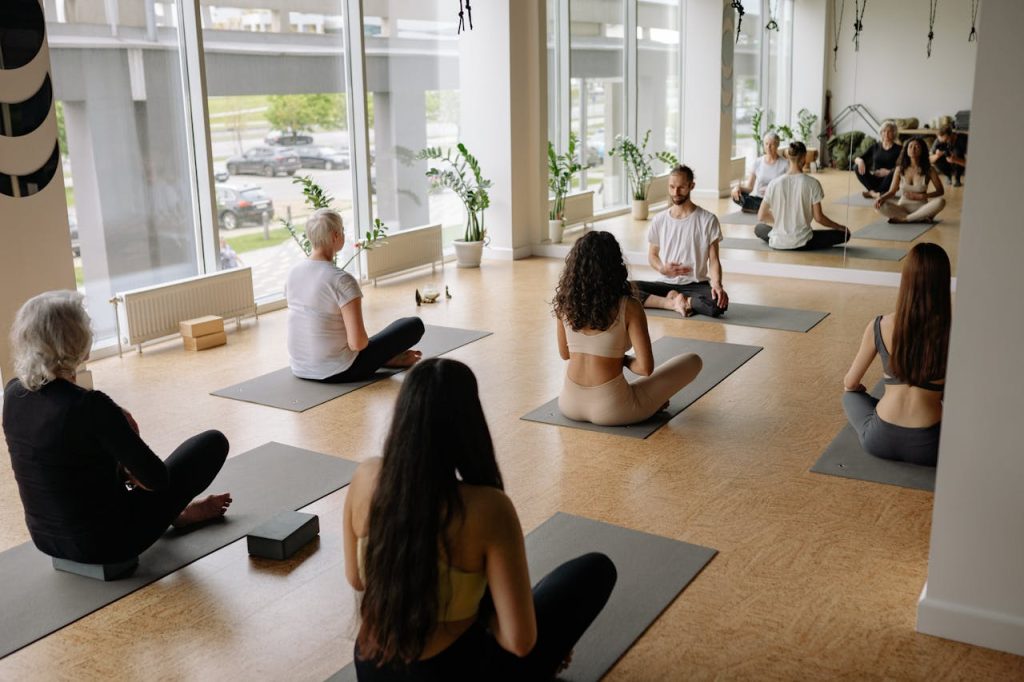
Discover the most effective meditation best practices to reduce stress, improve focus, and enhance emotional well-being. Learn tips, techniques, and routines for beginners and advanced practitioners.
Overview
In this blog post, you will learn meditation best practices that can transform your daily routine and overall well-being. We will cover how to start a meditation practice, the optimal techniques for beginners and advanced practitioners, common mistakes to avoid, and tips for maintaining consistency. By the end of this guide, you’ll have practical, actionable steps to integrate mindfulness into your life, reduce stress, improve focus, and foster emotional balance.
Why Meditation Matters
Meditation is more than a relaxation tool—it is a practice that enhances mental clarity, emotional resilience, and overall health. Scientific studies have shown that consistent meditation can:
- Reduce stress and anxiety levels
- Improve concentration and cognitive function
- Boost emotional well-being and resilience
- Enhance sleep quality and reduce fatigue
- Promote self-awareness and mindfulness in daily life
Understanding the meditation best practices is essential to maximize these benefits. Without proper guidance, beginners often struggle to maintain a consistent routine or feel frustrated with their results.
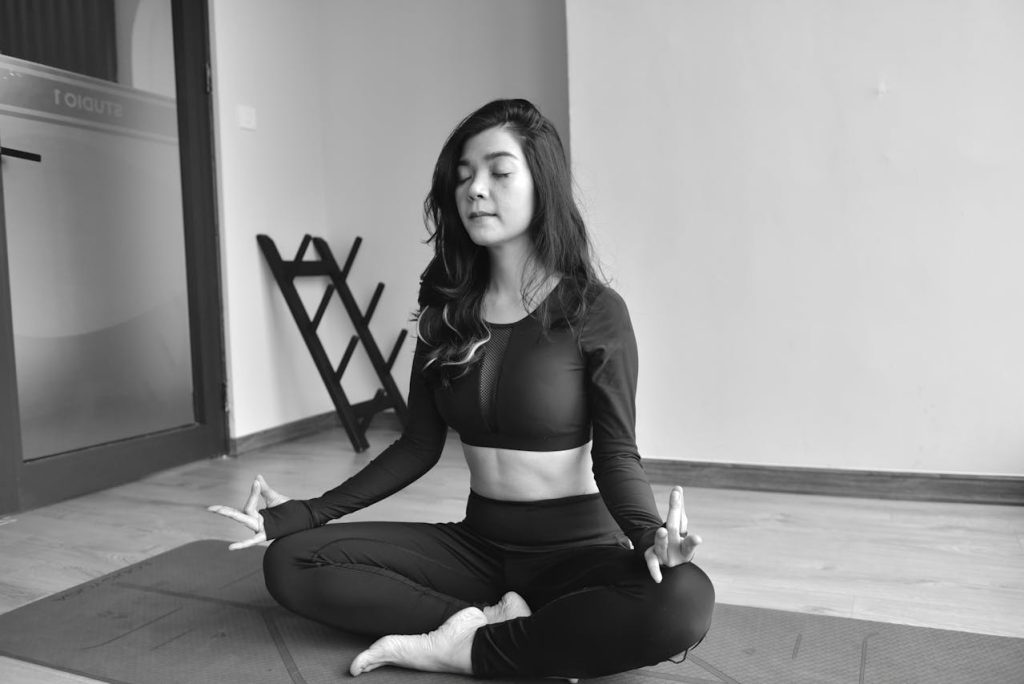
Meditation Best Practices for Beginners
Starting meditation can feel overwhelming if you’re unsure where to begin. Here are key best practices for beginners:
1. Start Small and Be Consistent
- Begin with 5–10 minutes per day
- Choose a consistent time, ideally morning or evening.
- Focus on consistency rather than duration initially
2. Create a Comfortable Space
- Find a quiet, distraction-free environment
- Sit on a chair, cushion, or floor with good posture.
- Ensure adequate lighting and ventilation
3. Focus on Breath Awareness
- Pay attention to your natural breath.
- Notice the inhale and exhale without trying to control it.
- When your mind wanders, gently bring your focus back.
4. Use Guided Meditations
- Apps, online videos, or audio recordings can help beginners stay focused.
- Gradually transition to unguided practice as confidence grows
5. Set Realistic Expectations
- Don’t expect immediate results.
- Mindfulness is a skill that develops over time with consistent practice.
Meditation Techniques to Incorporate
There are multiple meditation techniques that you can use depending on your goals. Here are meditation best practices for different methods:
1. Mindfulness Meditation
- Focus on the present moment without judgment
- Observe thoughts and feelings without attachment
- Best for reducing stress and improving awareness
2. Loving-Kindness Meditation
- Focus on sending positive energy to yourself and others.
- Repeat phrases like “May I be happy, may I be healthy.”
- Best for improving emotional well-being and empathy
3. Body Scan Meditation
- Mentally scan your body from head to toe.
- Release tension in each area as you focus attention.
- Best for relaxation and reducing physical stress
4. Mantra Meditation
- Repeat a word, phrase, or sound silently.
- Helps focus attention and reduce mental chatter
- Best for concentration and mental clarity
5. Walking Meditation
- Slow, mindful walking with attention to each step
- Notice the sensation of feet touching the ground.
- Ideal for integrating mindfulness into movement
Common Mistakes to Avoid
Even with the best intentions, beginners often encounter challenges. Here are mistakes to avoid for optimal results:
- Expecting perfection: Meditation is not about emptying the mind; wandering thoughts are normal.
- Inconsistent practice: Skipping sessions reduces long-term benefits.
- Ignoring posture: Slouching can lead to discomfort and distraction.
- Multitasking: Meditation should be distraction-free for maximum effect.
- Comparing yourself to others: Every meditation journey is personal.
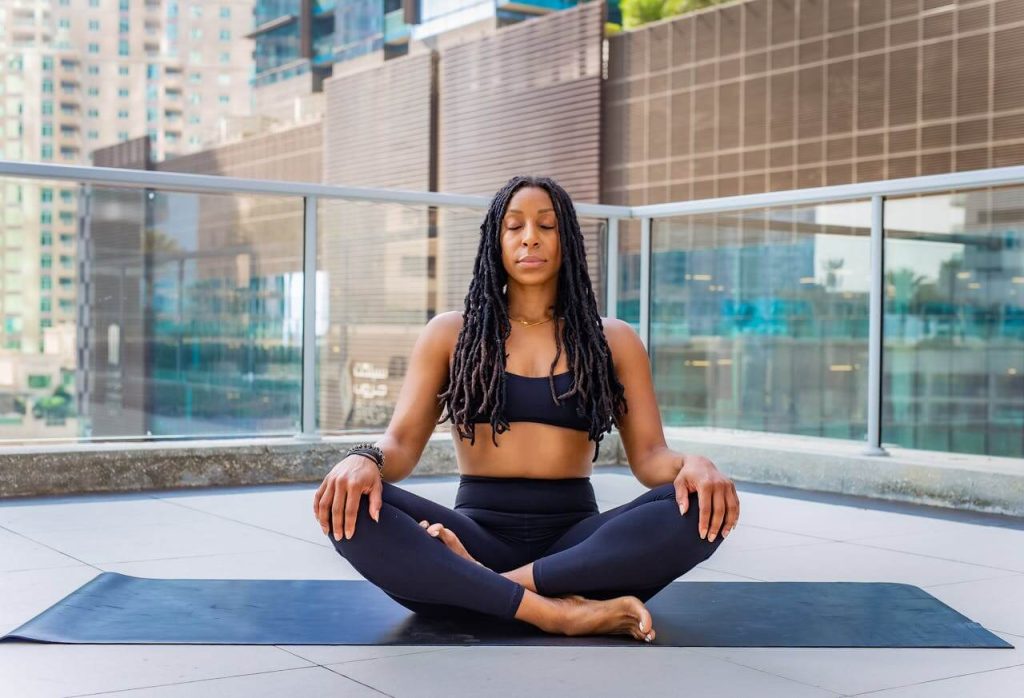
Tips to Maintain a Daily Meditation Routine
Consistency is key in meditation best practices. Follow these tips to make meditation a habit:
- Set a fixed time: morning or evening works best.
- Start with short sessions: 5–15 minutes, then gradually increase
- Keep a meditation journal: Track progress, insights, and feelings.
- Use reminders: Set alarms, sticky notes, or app notifications.
- Pair meditation with another habit: for example, after brushing teeth or before bedtime
- Be kind to yourself: Some days will be easier than others; persistence matters more than perfection.
Advanced Meditation Best Practices
Once you are comfortable with basic techniques, try these advanced strategies to deepen your practice:
- Silent Retreats: Short retreats or digital detoxes enhance focus and mindfulness.
- Extended Sessions: 30–60 minutes for deeper meditation
- Mindful Living: Incorporate mindfulness into everyday activities like eating, commuting, or chores.
- Observation of Thoughts: Learn to observe patterns in thought and behavior without attachment.
- Integration with Yoga or Breathwork: Combining practices enhances both physical and mental benefits.
Benefits of Following Meditation Best Practices
Adhering to proper meditation techniques has significant long-term benefits:
- Stress Reduction: Lowers cortisol and promotes calmness
- Improved Focus: Enhances attention span and memory
- Emotional Balance: Reduces anxiety, depression, and mood swings
- Better Sleep: Helps in falling asleep faster and improving quality
- Mind-Body Connection: Promotes overall well-being and resilience
By consistently following these meditation best practices, you’ll experience noticeable improvements in mental clarity, emotional health, and overall life satisfaction.
Final Thought
Meditation is a skill that requires patience, consistency, and proper guidance. By following the meditation best practices outlined in this guide, you can start a sustainable meditation routine, reduce stress, and foster mindfulness in everyday life. Remember: meditation is personal—what works for one person might differ for another, so explore techniques, stay consistent, and cultivate a practice that resonates with you.
Start small, stay consistent, and embrace mindfulness—your mind and body will thank you.
FAQs for Meditation Best Practices
What are the most effective meditation best practices for beginners?
Starting small, focusing on breath, and meditating consistently every day are the most effective best practices for beginners. Using a quiet space and guided meditations can also help.
How long should I meditate each day for best results?
For beginners, 5–15 minutes per day is recommended. Gradually increasing to 30–60 minutes can deepen your practice and benefits.
Can meditation best practices help reduce stress?
Yes. Following proper meditation techniques regularly lowers cortisol levels, reduces anxiety, and promotes calmness.
What is the best time of day to meditate?
Morning or evening is ideal. Morning meditation sets a calm tone for the day, while evening meditation helps unwind and relax before sleep.
Do I need a special space or equipment to meditate?
No special equipment is required. A quiet, comfortable place to sit or lie down is enough. Cushions, chairs, or yoga mats can enhance comfort.
How do I stay focused during meditation?
Focus on your breath, use a mantra, or follow guided meditations. When your mind wanders, gently bring your attention back without judgment.
Are there different types of meditation I should try?
Yes. Mindfulness, loving-kindness, body scan, mantra, and walking meditations are popular practices. Each offers unique benefits depending on your goals.
Can meditation improve sleep quality?
Absolutely. Regular meditation reduces stress and promotes relaxation, helping you fall asleep faster and enjoy deeper sleep.
How can I make meditation a daily habit?
Set a fixed time, start with short sessions, track progress in a journal, and pair meditation with an existing habit like brushing your teeth or morning coffee.
Is it normal for thoughts to keep distracting me during meditation?
Yes. Mind wandering is natural. A key best practice is to acknowledge thoughts and gently return focus to your breath or mantra.
Can meditation best practices help with emotional balance?
Yes. Meditation enhances self-awareness, reduces negative emotions, and promotes emotional resilience and mindfulness in daily life.
Should I use guided meditation or meditate on my own?
Beginners often benefit from guided meditation, which provides structure. Over time, many practitioners transition to unguided meditation for deeper focus.
How do I know if I’m meditating correctly?
Meditation is personal, and there is no perfect way. Feeling calm, focused, and more aware are signs you are practicing effectively.
Can I combine meditation with other wellness practices?
Yes. Meditation works well with yoga, breathwork, mindful walking, or journaling, enhancing physical and mental health benefits.
How long does it take to see benefits from meditation?
Some benefits, like relaxation and focus, can appear immediately. Consistent practice over weeks or months is needed for long-term emotional balance and stress reduction.
Related Topics
- Articles on Mindfulness: Power of Meditation for Daily Life
- What Does Mindfulness Mean? Understanding Its Benefits
- What Is Being Mindfulness? A Complete Guide to Mindful Living
- Walking Mindfulness Meditation: A Simple Path to Inner Peace
- Mindfulness Body Scan Meditation: A Complete Guide
- Workplace Mindfulness: Improve Focus & Productivity
- Meditation Methods for Beginners | Start Your Mindfulness Journey
- What Does Being Mindful Mean? A Complete Guide to Mindfulness
- Definition of Mindfulness? Meaning, Benefits & Practice
- Mindfulness for the Workplace: Boost Productivity & Well-being
- Breath Meditation: A Complete Guide to Mindfulness & Relaxation
- Mastering the Art of Having Patience: A Mindfulness Approach
- Mindfulness Meditation for Anxiety: Calm Your Mind
- Self Meditating: A Complete Guide to Practicing Mindfulness
- Mindfulness for Grief: Find Peace Through Mindful Awareness
- Meditation and Sounds: Boost Mindfulness & Relaxation
- Emotion Mindfulness: Techniques to Manage Your Feelings
- Daily Mindfulness: How to Transform Your Life