
Discover the power of a mindful breath to reduce stress, improve focus, and boost emotional well-being. Learn practical exercises, benefits, and tips for daily practice.
Overview
In this blog post, readers will learn everything they need to know about the mindful breath—why it matters, how it works, and how to incorporate it into daily life. By the end of this guide, you’ll understand the science behind mindful breathing, its benefits for mental and physical health, and practical exercises to get started immediately. This post is designed for beginners and experienced meditators alike, making mindfulness simple, approachable, and actionable.
What Is a Mindful Breath?
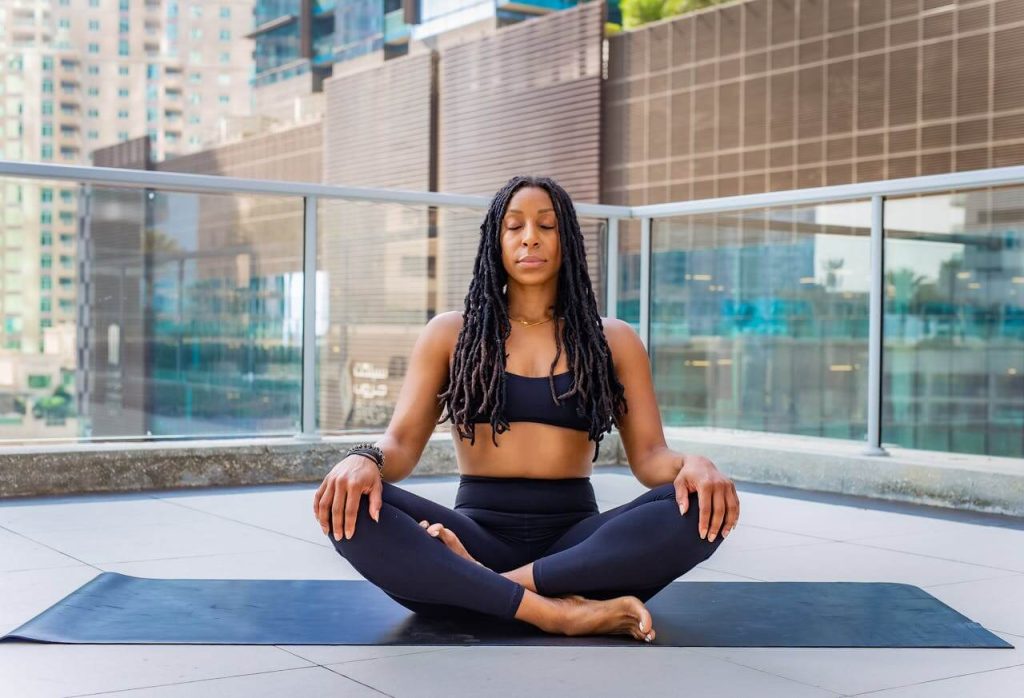
A mindful breath is the act of paying intentional attention to your breathing. Unlike automatic breathing, mindful breathing involves observing your inhalations and exhalations, noticing sensations, and maintaining focus on the present moment.
Key characteristics include:
- Awareness of each inhale and exhale
- Noticing the rhythm, depth, and sensation of breath
- Maintaining a non-judgmental focus, even if your mind wanders
Mindful breathing is a cornerstone of meditation practices worldwide, from traditional Zen to modern mindfulness programs. It serves as a simple yet powerful tool to anchor attention and cultivate inner calm.
Why Practice Mindful Breath?
In today’s fast-paced world, stress, anxiety, and constant distractions can take a toll on both mental and physical health. The mindful breath offers a practical solution to:
- Reduce stress and anxiety: Focusing on the breath triggers the body’s relaxation response.
- Enhance emotional regulation: Mindful breathing helps you respond instead of react impulsively.
- Improve focus and clarity: It trains the mind to stay present, enhancing productivity.
- Support physical health: Slow, deep breathing lowers blood pressure, improves oxygen flow, and strengthens the nervous system.
Scientific research consistently supports these benefits, showing that even a few minutes of mindful breathing daily can positively impact mood, cognitive function, and overall well-being.
How Mindful Breath Works
The effectiveness of a mindful breath comes from its ability to connect the mind and body:
- Activates the parasympathetic nervous system: This system is responsible for rest and relaxation, reducing stress hormones like cortisol.
- Shifts attention away from ruminative thoughts: By focusing on the rhythm of breath, the mind disengages from worry or overthinking.
- Improves oxygenation and energy flow: Deep, conscious breathing enhances blood oxygen levels, increasing energy and mental alertness.
- Strengthens mindfulness skills: Practicing mindful breath consistently develops attention, awareness, and emotional resilience over time.
Simple Mindful Breath Techniques
You don’t need special equipment or hours of meditation to start. Here are effective exercises to incorporate mindful breath into your day:
1. Basic Mindful Breathing
- Sit comfortably with your back straight.
- Close your eyes and notice your natural breath.
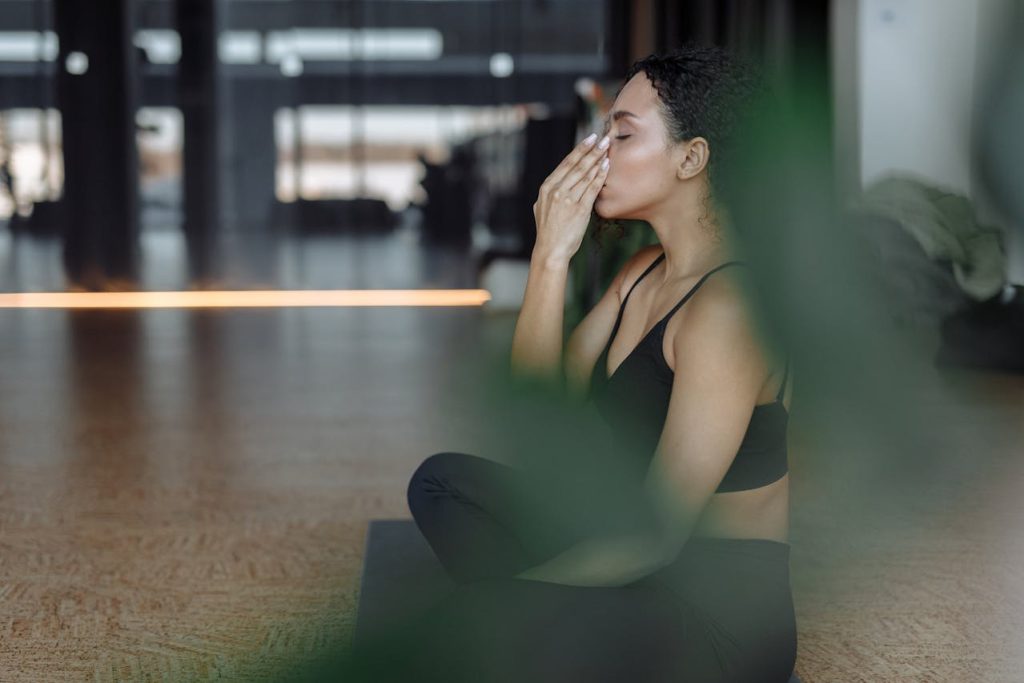
- Focus on the sensation of air entering and leaving your nostrils.
- If your mind wanders, gently bring it back to your breath.
- Practice for 5–10 minutes daily.
2. 4-7-8 Breathing Technique
- Inhale through your nose for 4 seconds.
- Hold your breath for 7 seconds.
- Exhale slowly through your mouth for 8 seconds.
- Repeat for 4–6 cycles to calm the nervous system.
3. Counting Breath
- Inhale deeply and count “1” in your mind.
- Exhale and count “2.”
- Continue counting up to “10,” then start over.
- This technique helps anchor your attention and quiet mental chatter.
4. Box Breathing
- Inhale for 4 counts.
- Hold for 4 counts.
- Exhale for 4 counts.
- Hold for 4 counts.
- Repeat the cycle 4–6 times. This method is widely used by athletes and professionals for focus and stress management.
Integrating Mindful Breath into Daily Life
The true power of the mindful breath lies in its consistency and integration into daily routines. Here’s how to make it a habit:
- Morning ritual: Start your day with 3–5 minutes of focused breathing.
- During work breaks: Pause and take 10 mindful breaths between tasks to refresh your mind.
- Before sleep: Use slow, deep breathing to signal your body that it’s time to relax.
- While walking: Practice mindful breath awareness as you move, connecting breath with body and environment.
- During stress moments: Pause, inhale deeply, and bring your attention to your breath to reduce tension.
By embedding mindful breathing in daily activities, it becomes a natural and accessible tool to manage stress and maintain focus.
Benefits of Regular Mindful Breath Practice
Practicing mindful breath regularly provides both immediate and long-term benefits:
Mental Benefits
- Reduces anxiety, stress, and depression
- Enhances focus, attention, and memory
- Supports emotional regulation
Physical Benefits
- Lowers heart rate and blood pressure
- Improves lung function and oxygenation
- Strengthens immune response
Lifestyle Benefits
- Encourages mindful eating and conscious living
- Improves sleep quality
- Fosters patience, compassion, and self-awareness
Common Challenges and How to Overcome Them
Even with something as simple as breathing, beginners may face obstacles. Here’s how to tackle them:
- Restless mind: Gently guide your attention back to the breath without judgment.
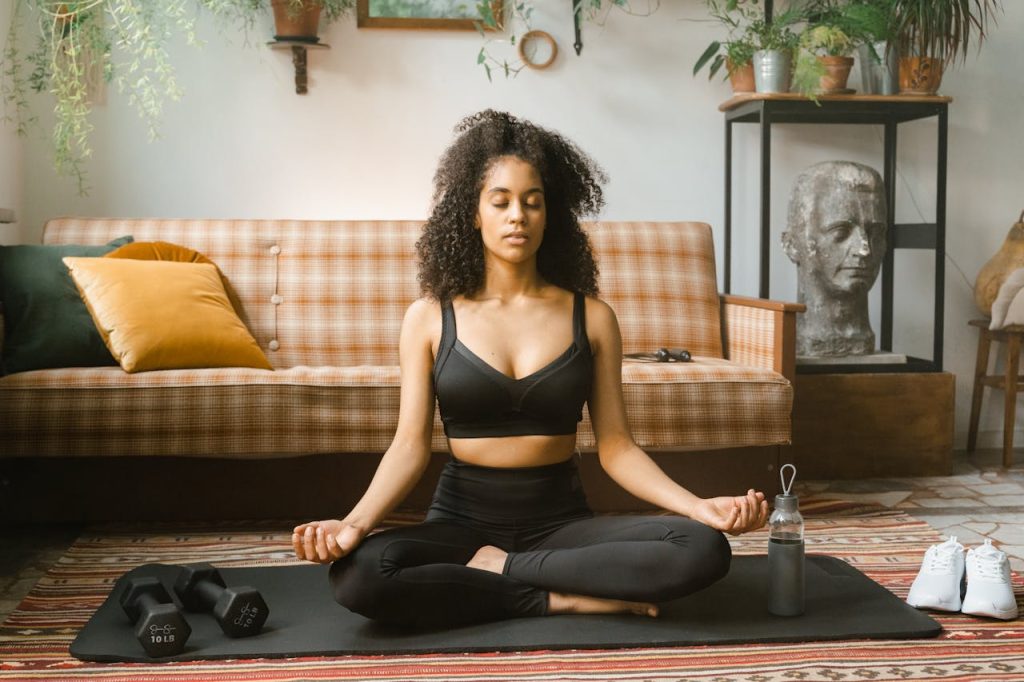
- Discomfort while sitting: Use a chair, cushion, or even lie down if needed.
- Short sessions feel ineffective: Even 2–5 minutes matter; consistency is key.
- Forgetting to practice: Set reminders or pair mindful breath with daily routines like morning coffee or commuting.
Why Choose Our Mindful Breath Guidance?
At Mindfulness Meditation Hub, we specialize in teaching practical techniques for a mindful breath that fits your lifestyle. By following our guided exercises, you’ll:
- Learn step-by-step methods suitable for beginners and advanced practitioners.
- Receive guidance on breathing exercises tailored for stress, sleep, and focus.
- Gain access to expert tips and meditation insights for sustainable practice.
Our goal is to make mindfulness accessible and actionable for everyone. Whether you’re starting your journey or deepening your practice, we provide the tools and support you need.
Take the First Step. Today
You don’t need a quiet retreat or hours of practice to benefit from the mindful breath. Start small:
- Dedicate 5 minutes today to mindful breathing.
- Observe your body, mind, and sensations without judgment.
- Repeat daily and notice the gradual improvements in focus, calm, and emotional well-being.
Remember, every mindful breath counts. With patience and consistency, this simple practice can create profound transformations in your mental, emotional, and physical health.
Final Thought
The mindful breath is more than a meditation tool—it’s a daily companion for a calmer, healthier, and more focused life. By incorporating mindful breathing techniques, you can reduce stress, improve mental clarity, and cultivate emotional resilience. Start today and experience the transformative power of each breath.
FAQs for Mindful Breath
What is mindful breath and how does it work?
A mindful breath is paying deliberate attention to your breathing patterns, noticing each inhale and exhale, and using it as an anchor to stay present.
How long should I practice mindful breath daily?
Even 5–10 minutes a day can be effective. Consistency is more important than duration for long-term benefits.
Can mindful breath help reduce stress?
Yes, mindful breathing activates the parasympathetic nervous system, lowering cortisol levels and promoting relaxation.
Is mindful breath suitable for beginners?
Absolutely. Mindful breath exercises are simple and can be done by anyone, regardless of experience.
Can mindful breath improve sleep quality?
Yes, focusing on slow, deep breaths before bedtime can calm the mind and prepare your body for restful sleep.
How does mindful breath affect emotional health?
Regular practice enhances emotional regulation, reduces anxiety, and increases self-awareness.
Can mindful breath help with anxiety or panic attacks?
Yes, it can help calm the nervous system and redirect attention away from racing thoughts, reducing anxiety symptoms.
Do I need to sit in a special position for mindful breath?
No. You can sit, lie down, or even walk while practicing mindful breath. Comfort is key to consistency.
What is the difference between mindful breath and regular breathing?
Regular breathing is automatic and unconscious, while mindful breath involves intentional observation and awareness of each inhale and exhale.
Can mindful breath improve focus and concentration?
Yes, by training your mind to stay anchored in the present moment, mindful breathing enhances attention and clarity.
How can I integrate mindful breath into my daily routine?
Practice during morning rituals, work breaks, commuting, or before sleep. Pairing it with daily activities helps make it a habit.
Are there different techniques of mindful breath?
Yes, popular methods include basic mindful breathing, 4-7-8 breathing, box breathing, and counting breath.
Can mindful breath benefit physical health?
Yes, mindful breathing improves oxygenation, lowers blood pressure, strengthens the immune system, and supports overall wellness.
How quickly will I see results from mindful breath practice?
Some benefits, like reduced stress and improved calm, can appear after a single session, but consistent practice yields the best long-term results.
Can children practice mindful breath?
Yes, children can benefit from short, guided mindful breath exercises to improve focus, emotional regulation, and calmness.
Related Topics
- Articles on Mindfulness: Power of Meditation for Daily Life
- What Does Mindfulness Mean? Understanding Its Benefits
- What Is Being Mindfulness? A Complete Guide to Mindful Living
- Walking Mindfulness Meditation: A Simple Path to Inner Peace
- Mindfulness Body Scan Meditation: A Complete Guide
- Workplace Mindfulness: Improve Focus & Productivity
- Meditation Methods for Beginners | Start Your Mindfulness Journey
- What Does Being Mindful Mean? A Complete Guide to Mindfulness
- Definition of Mindfulness? Meaning, Benefits & Practice
- Mindfulness for the Workplace: Boost Productivity & Well-being
- Breath Meditation: A Complete Guide to Mindfulness & Relaxation
- Mastering the Art of Having Patience: A Mindfulness Approach
- Mindfulness Meditation for Anxiety: Calm Your Mind
- Self Meditating: A Complete Guide to Practicing Mindfulness
- Mindfulness for Grief: Find Peace Through Mindful Awareness
- Meditation and Sounds: Boost Mindfulness & Relaxation
- Emotion Mindfulness: Techniques to Manage Your Feelings
- Daily Mindfulness: How to Transform Your Life