

Discover the power of mindful breathing to reduce stress, boost focus, and improve overall well-being. Learn techniques, tips, and daily exercises for beginners and advanced practitioners.
Overview
In this article, readers will learn everything they need to know about mindful breathing—from its definition and benefits to practical techniques they can implement daily. We will explore how mindful breathing can reduce stress, enhance focus, support emotional balance, and improve physical health. Additionally, readers will find step-by-step exercises, tips for creating a daily mindful breathing practice, and guidance for overcoming common challenges. By the end of this blog, anyone can start incorporating mindful breathing into their lifestyle for lasting calm and mental clarity.
What is Mindful Breathing?
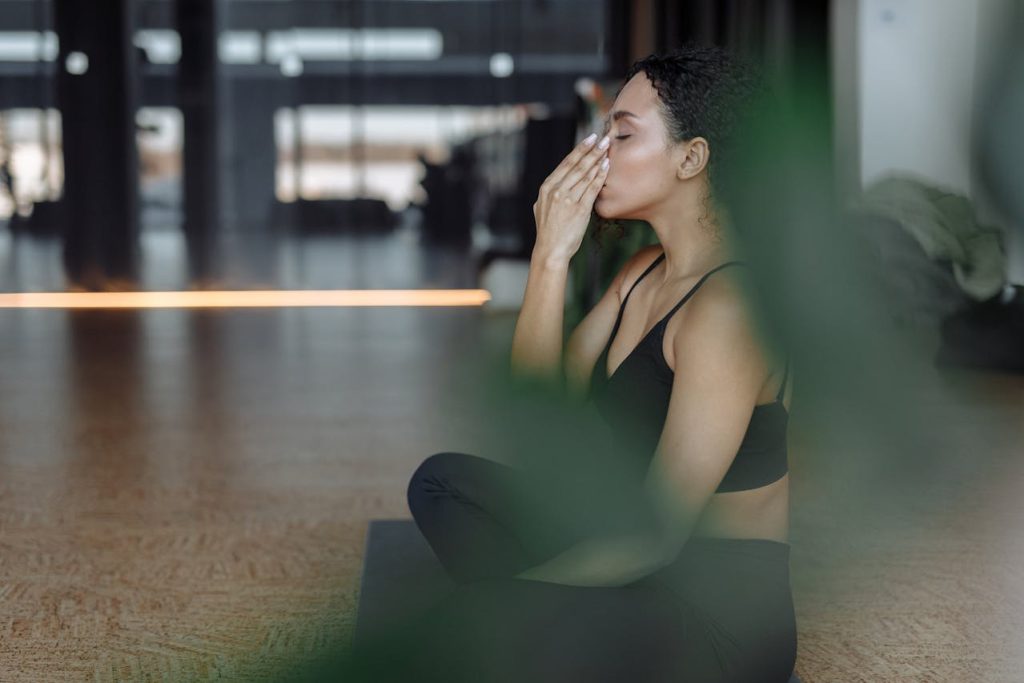
Mindful breathing is a foundational meditation practice that focuses on paying attention to your breath in the present moment. Unlike normal breathing, which we do automatically, mindful breathing encourages awareness of each inhale and exhale, helping you anchor your mind and calm your thoughts.
Key Principles of Mindful Breathing:
- Awareness: Notice your breath without judgment.
- Presence: Focus on the here and now.
- Acceptance: Allow thoughts to come and go without reacting.
Practicing mindful breathing regularly strengthens your ability to stay grounded, even during stressful situations.
Benefits of Mindful Breathing
Incorporating mindful breathing into your daily routine offers a wide range of physical, mental, and emotional benefits.
Physical Benefits:
- Reduces heart rate and blood pressure
- Improves lung capacity and respiratory function
- Supports better sleep quality
- Enhances overall energy levels
Mental and Emotional Benefits:
- Reduces stress, anxiety, and depression
- Improves concentration and focus
- Supports emotional regulation
- Promotes a sense of inner peace and calm
Tip: Start with just 5 minutes a day. Consistency is more effective than duration.
How Mindful Breathing Works
Mindful breathing works by activating the parasympathetic nervous system, which helps your body relax and counteract the “fight-or-flight” stress response. By focusing attention on your breath, your mind shifts from past regrets or future worries to the present moment.
Here’s a simple breakdown of how it works:
- Focus on Inhale and Exhale: Concentrating on each breath helps redirect scattered thoughts.
- Notice Sensations: Feel the air moving through your nose or mouth and the rise and fall of your chest or belly.
- Release Tension: Each exhale encourages relaxation and mental clarity.
Practicing mindful breathing consistently rewires your brain, improving your stress response and enhancing emotional resilience over time.
Mindful Breathing Techniques
There are several mindful breathing techniques suitable for beginners and advanced practitioners alike.
1. Diaphragmatic Breathing (Belly Breathing)
- Sit or lie down comfortably.
- Place one hand on your chest and the other on your belly.
- Inhale deeply through your nose, feeling your belly rise.
- Exhale slowly through your mouth, feeling your belly fall.
- Repeat for 5–10 minutes.
2. 4-7-8 Breathing
- Inhale through your nose for 4 seconds.
- Hold your breath for 7 seconds.
- Exhale slowly through your mouth for 8 seconds.
- Repeat for 4–6 cycles.
3. Box Breathing
- Inhale for 4 counts.
- Hold for 4 counts.
- Exhale for 4 counts.
- Hold again for 4 counts.
- Repeat for 5–10 minutes.
4. Counting Breath
- Inhale naturally and exhale naturally.
- Count each exhale silently, starting at 1 up to 10.
- If your mind wanders, gently return to counting.
These techniques are simple yet powerful ways to reduce stress, improve focus, and anchor yourself in the present moment.
How to Create a Daily Mindful Breathing Practice
Consistency is key for experiencing the full benefits of mindful breathing. Here’s how to start:
- Set a Time: Choose a time of day when you can practice without interruptions. Morning or evening works well.
- Start Small: Begin with 5 minutes and gradually increase to 15–20 minutes.
- Choose Your Technique: Experiment with different methods like diaphragmatic breathing, 4-7-8, or box breathing.
- Create a Comfortable Space: Sit or lie down in a quiet, comfortable area.
- Use Reminders: Set alarms, phone notifications, or post-it notes to remind yourself to breathe mindfully.
- Be Patient: Progress may be gradual. Don’t judge yourself for a wandering mind.
Mindful Breathing for Stress and Anxiety
Mindful breathing is particularly effective for managing stress and anxiety. It allows you to pause and respond thoughtfully rather than react impulsively.
Quick Stress Relief Exercise:
- Close your eyes and take 3 deep breaths.
- Focus on each inhale and exhale.
- Imagine tension leaving your body with each exhale.
- Repeat for 2–3 minutes.
This simple practice can be done anywhere—at work, at home, or even in traffic—helping you regain calm instantly.
Mindful Breathing for Focus and Productivity
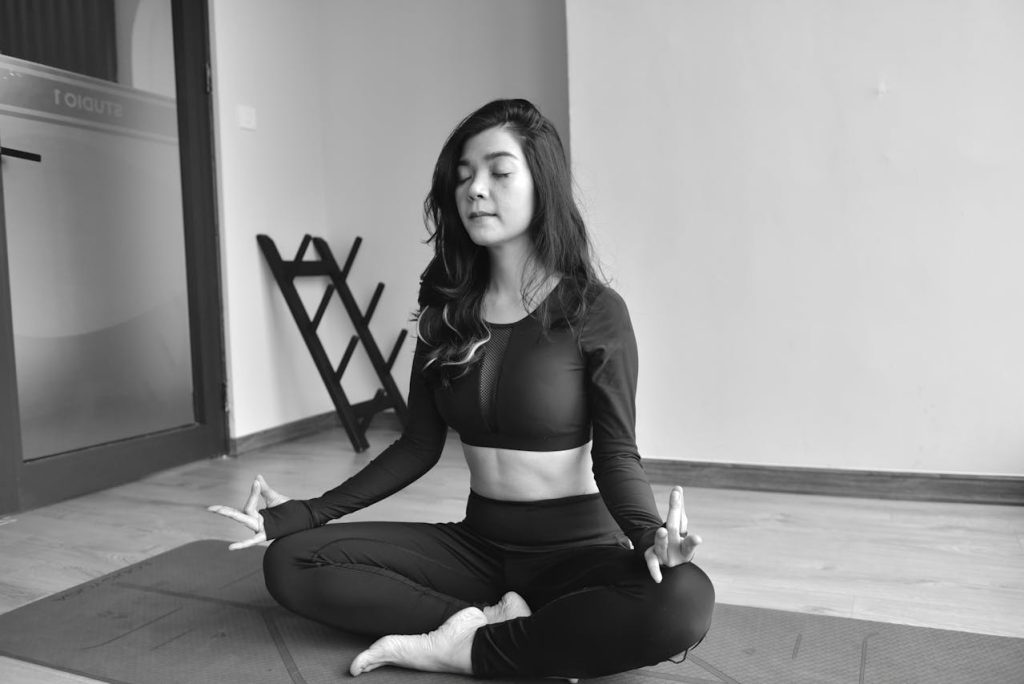
Mindful breathing not only relaxes the mind but also improves concentration. By training your attention on the breath, you strengthen your ability to focus on tasks and reduce mental fatigue.
Tips to Enhance Focus:
- Practice mindful breathing before starting work or study sessions.
- Take 2–3 mindful breaths whenever you feel distracted.
- Pair breathing exercises with short mindfulness breaks to refresh your mind.
Mindful Breathing and Emotional Balance
Emotions can often feel overwhelming, but mindful breathing helps regulate them. By observing your breath and staying present, you can:
- Recognize emotional triggers without reacting.
- Reduce impulsive responses.
- Promote calm and balanced thinking.
Practice: During emotional moments, pause and take 5 deep mindful breaths. Focus on the sensations of your breath and notice how your body and mind respond.
Mindful Breathing for Sleep
If you struggle with falling asleep, mindful breathing can help:
- Lie down in a comfortable position.
- Take slow, deep diaphragmatic breaths.
- Focus on the rise and fall of your abdomen.
- If your mind wanders, return to counting each exhale.
Regular practice promotes relaxation and signals your body that it’s time to rest.
Final Thought
Mindful breathing is a simple yet transformative practice suitable for anyone looking to reduce stress, enhance focus, and improve overall well-being. By learning to observe your breath, you can anchor yourself in the present moment, regulate emotions, and cultivate a sense of calm that extends to daily life.
Whether you are a beginner or experienced meditator, incorporating mindful breathing into your daily routine can provide lasting benefits for your mind, body, and spirit.
Start today: Take 5 minutes, choose your favorite technique, and experience the power of mindful breathing.
FAQs for Mindful Breathing
What is mindful breathing?
Mindful breathing is the practice of focusing your attention on each inhale and exhale while remaining present in the moment. It helps reduce stress, improve focus, and enhance emotional balance.
How do I practice mindful breathing?
Start by finding a quiet space, sitting comfortably, and paying attention to your breath. Notice the rise and fall of your chest or belly. Gently bring your focus back whenever your mind wanders.
How long should I practice mindful breathing each day?
Even 5–10 minutes daily can be effective. Beginners should start small and gradually increase to 15–20 minutes as they become more comfortable.
Can mindful breathing reduce stress and anxiety?
Yes. Mindful breathing activates the parasympathetic nervous system, lowering heart rate and promoting relaxation, which helps reduce stress and anxiety.
What are the benefits of mindful breathing?
Benefits include reduced stress, improved concentration, better sleep, enhanced emotional regulation, lower blood pressure, and a general sense of calm.
Which mindful breathing techniques are best for beginners?
Techniques like diaphragmatic breathing, 4-7-8 breathing, box breathing, and counting breath are beginner-friendly and easy to practice.
Can mindful breathing improve focus and productivity?
Yes. Focusing on your breath trains your attention, helping you concentrate better and maintain mental clarity during work or study.
Is mindful breathing suitable for children?
Absolutely. Simple mindful breathing exercises can help children manage emotions, improve focus, and reduce stress in a gentle and age-appropriate way.
How does mindful breathing help with sleep?
By slowing the breath and calming the nervous system, mindful breathing signals your body to relax, making it easier to fall asleep and stay asleep.
Can mindful breathing help with emotional balance?
Yes. Mindful breathing allows you to observe emotions without reacting impulsively, helping regulate feelings and promote emotional stability.
How often should I practice mindful breathing?
Ideally, daily practice is most effective. Short sessions throughout the day—such as before work, after stressful moments, or before bedtime—can also provide benefits.
Can mindful breathing reduce blood pressure?
Research shows that regular mindful breathing can help lower blood pressure by activating the relaxation response and reducing stress-related hormones.
Do I need to sit still to practice mindful breathing?
Not necessarily. While sitting comfortably is common, mindful breathing can also be practiced while walking, lying down, or during gentle yoga, as long as attention is on the breath.
What if my mind keeps wandering during mindful breathing?
It’s natural for your mind to wander. Simply notice the distraction and gently bring your attention back to your breath without judgment.
Can mindful breathing be combined with other meditation practices?
Yes. Mindful breathing is often used as the foundation for other meditation practices, such as body scans, guided visualizations, and mindfulness meditation.
Related Topics
- Articles on Mindfulness: Power of Meditation for Daily Life
- What Does Mindfulness Mean? Understanding Its Benefits
- What Is Being Mindfulness? A Complete Guide to Mindful Living
- Walking Mindfulness Meditation: A Simple Path to Inner Peace
- Mindfulness Body Scan Meditation: A Complete Guide
- Workplace Mindfulness: Improve Focus & Productivity
- Meditation Methods for Beginners | Start Your Mindfulness Journey
- What Does Being Mindful Mean? A Complete Guide to Mindfulness
- Definition of Mindfulness? Meaning, Benefits & Practice
- Mindfulness for the Workplace: Boost Productivity & Well-being
- Breath Meditation: A Complete Guide to Mindfulness & Relaxation
- Mastering the Art of Having Patience: A Mindfulness Approach
- Mindfulness Meditation for Anxiety: Calm Your Mind
- Self Meditating: A Complete Guide to Practicing Mindfulness
- Mindfulness for Grief: Find Peace Through Mindful Awareness
- Meditation and Sounds: Boost Mindfulness & Relaxation
- Emotion Mindfulness: Techniques to Manage Your Feelings
- Daily Mindfulness: How to Transform Your Life