
![{ "@context": "https://schema.org", "@graph": [ { "@type": "Article", "@id": "YOUR-BLOG-URL#article", "mainEntityOfPage": { "@type": "WebPage", "@id": "YOUR-BLOG-URL" }, "headline": "Boredom Meditation: Find Calm & Focus", "description": "Discover how boredom meditation can transform restless moments into calm, focus, and self-awareness with simple mindfulness techniques.", "image": { "@type": "ImageObject", "url": "YOUR-FEATURED-IMAGE-URL" }, "author": { "@type": "Organization", "name": "Mindfulness Meditation Hub", "url": "https://mindfulnessmeditationhub.com/" }, "publisher": { "@type": "Organization", "name": "Mindfulness Meditation Hub", "url": "https://mindfulnessmeditationhub.com/", "logo": { "@type": "ImageObject", "url": "YOUR-LOGO-URL" } }, "datePublished": "2026-08-29", "dateModified": "2026-08-29", "articleSection": "Meditation", "keywords": [ "boredom meditation", "meditation for boredom", "mindfulness meditation", "meditation for beginners", "mindfulness practice", "present moment awareness", "meditation techniques" ], "inLanguage": "en-US" }, { "@type": "FAQPage", "@id": "YOUR-BLOG-URL#faq", "mainEntity": [ { "@type": "Question", "name": "What is boredom meditation?", "acceptedAnswer": { "@type": "Answer", "text": "Boredom meditation is a mindfulness practice where you observe the experience of boredom, including thoughts, emotions, physical sensations, and urges, rather than immediately trying to distract yourself." } }, { "@type": "Question", "name": "Can meditation help with boredom?", "acceptedAnswer": { "@type": "Answer", "text": "Meditation can help you become more aware of boredom and your automatic reactions to it. Instead of immediately seeking stimulation, you can learn to observe the experience with curiosity and greater awareness." } }, { "@type": "Question", "name": "How long should I meditate when I feel bored?", "acceptedAnswer": { "@type": "Answer", "text": "Beginners can start with five to ten minutes. The goal is to practice consistently rather than meditate for a long period of time." } }, { "@type": "Question", "name": "What should I focus on during meditation?", "acceptedAnswer": { "@type": "Answer", "text": "You can focus on](https://mindfulnessmeditationhub.com/wp-content/uploads/2025/04/pexels-yankrukov-8436943-1024x682.jpg)
Discover how mindful meditation for anxiety can help reduce stress, calm racing thoughts, and improve emotional well-being. Learn simple techniques, benefits, and daily practices for lasting peace of mind.
Overview
Anxiety has become one of the most common mental health challenges in today’s fast-paced world. From work stress and social pressure to financial worries and digital overload, many people struggle to quiet their minds and feel at peace. Fortunately, mindful meditation for anxiety offers a natural and effective way to manage overwhelming thoughts and regain emotional balance.
Mindfulness meditation is more than just sitting quietly. It is a powerful practice that trains your mind to stay present, observe thoughts without judgment, and respond to stress in a healthier way. Whether you are dealing with daily stress, panic, overthinking, or emotional exhaustion, mindfulness can help you feel calmer and more grounded.
At Mindfulness Meditation Hub, we help individuals discover practical mindfulness techniques that support emotional wellness, mental clarity, and long-term inner peace.
What Is Mindful Meditation for Anxiety?
Mindful meditation for anxiety is the practice of focusing your attention on the present moment while calmly observing thoughts, emotions, and physical sensations without judgment.
Instead of fighting anxious thoughts or trying to suppress them, mindfulness teaches you to notice them with awareness and acceptance. This helps reduce the emotional intensity connected to stress and fear.
Mindfulness meditation often includes:
- Deep breathing exercises
- Body awareness techniques
- Guided meditation
- Focused attention practices
- Gentle observation of thoughts
The goal is not to eliminate all thoughts but to create a healthier relationship with them.
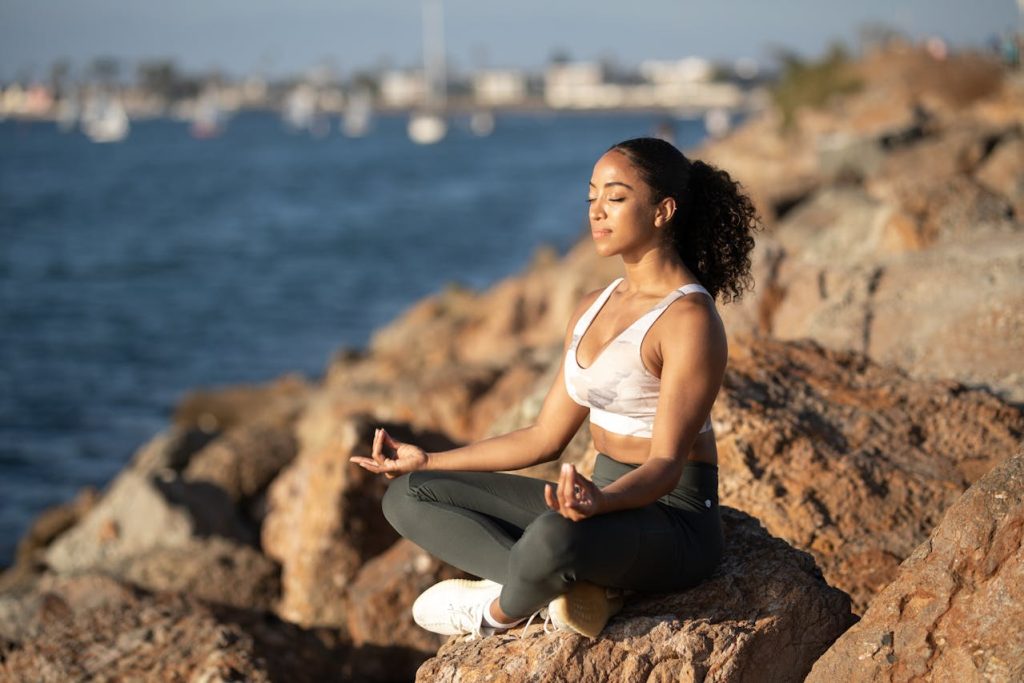
Understanding Anxiety in Modern Life
Anxiety is the body’s natural response to stress or perceived danger. While occasional anxiety is normal, chronic anxiety can negatively impact physical and emotional health.
Common symptoms of anxiety include:
- Racing thoughts
- Difficulty concentrating
- Muscle tension
- Rapid heartbeat
- Restlessness
- Trouble sleeping
- Constant worry
- Panic or fear
Modern lifestyles often contribute to heightened anxiety levels due to the following:
- Information overload
- Social media pressure
- Lack of rest
- Poor work-life balance
- Emotional burnout
- Financial stress
This is why many people are turning to mindful meditation for anxiety as a natural and sustainable solution.
How Mindfulness Meditation Helps Reduce Anxiety
Mindfulness works by calming the nervous system and interrupting cycles of anxious thinking. When practiced regularly, it trains the brain to respond differently to stress.
1. Reduces Overthinking
Mindfulness teaches you to observe thoughts instead of becoming trapped inside them. This helps reduce repetitive worry and mental exhaustion.
2. Calms the Nervous System
Deep breathing and present-moment awareness activate the body’s relaxation response, lowering stress hormones and helping the body feel safe.
3. Improves Emotional Awareness
Mindful meditation for anxiety helps individuals recognize emotional triggers and respond with greater self-awareness instead of panic.
4. Enhances Focus and Clarity
Anxiety often scatters attention and creates mental fog. Meditation improves concentration and mental organization.
5. Encourages Better Sleep
Mindfulness practices relax the body and mind, making it easier to fall asleep and stay asleep.
The Science Behind Mindfulness and Anxiety Relief
Scientific research continues to support the effectiveness of mindfulness meditation for anxiety.
Studies have shown that mindfulness can:
- Lower cortisol levels
- Reduce symptoms of generalized anxiety disorder
- Improve emotional regulation
- Decrease activity in the brain’s fear center
- Strengthen areas responsible for focus and calmness
Many therapists and wellness professionals now recommend mindfulness as part of a holistic anxiety management plan.
Beginner-Friendly Mindful Meditation Techniques
Starting mindfulness meditation does not have to be complicated. Even a few minutes each day can make a meaningful difference.
Breathing Meditation
Breathing meditation is one of the simplest forms of mindful meditation for anxiety.
How to Practice:
- Sit comfortably in a quiet place
- Close your eyes gently.
- Focus on your breathing
- Notice the inhale and exhale
- If thoughts appear, gently return attention to the breath
Practice for 5–10 minutes daily.
Body Scan Meditation
This technique helps release physical tension caused by anxiety.
Steps:
- Lie down comfortably
- Slowly focus attention on each part of the body
- Notice areas of tightness without judgment
- Relax muscles gradually
This meditation is especially helpful before bedtime.
Guided Mindfulness Meditation
Guided meditations provide verbal instructions that help beginners stay focused and relaxed.
Benefits include:
- Easier concentration
- Reduced mental wandering
- Greater emotional comfort
- Structured relaxation
At Mindfulness Meditation Hub, individuals can explore mindfulness resources and techniques that support emotional wellness and anxiety reduction.
Creating a Daily Mindfulness Routine
Consistency is the key to experiencing long-term benefits from mindful meditation for anxiety.
Start Small.
Begin with:
- 5 minutes per day
- One simple breathing exercise
- A quiet and comfortable environment
Small daily habits are more sustainable than long, inconsistent sessions.
Choose a Consistent Time.
Many people meditate:
- Early in the morning
- Before bedtime
- During lunch breaks
- After stressful situations
Creating a routine helps train the brain to relax more easily over time.
Limit Distractions
For a more effective meditation session:
- Silence notifications
- Use calming music if preferred
- Sit in a peaceful environment
- Avoid multitasking
Be patient with yourself.
Mindfulness is a skill that develops gradually. Some days may feel easier than others, and that is completely normal.
The goal is progress, not perfection.
Common Mistakes to Avoid During Meditation
Many beginners believe meditation should immediately eliminate all thoughts. This unrealistic expectation can lead to frustration.
Here are common mistakes to avoid:
Expecting Instant Results
Mindfulness is a long-term practice. Benefits grow with consistency and patience.
Judging Your Thoughts
Thoughts naturally arise during meditation. Instead of criticizing yourself, gently return your focus to the present moment.
Trying Too Hard to Relax
Relaxation happens naturally through awareness. Forcing calmness often creates more tension.
Being Inconsistent
Practicing once in a while may provide temporary relief, but regular meditation creates lasting emotional resilience.
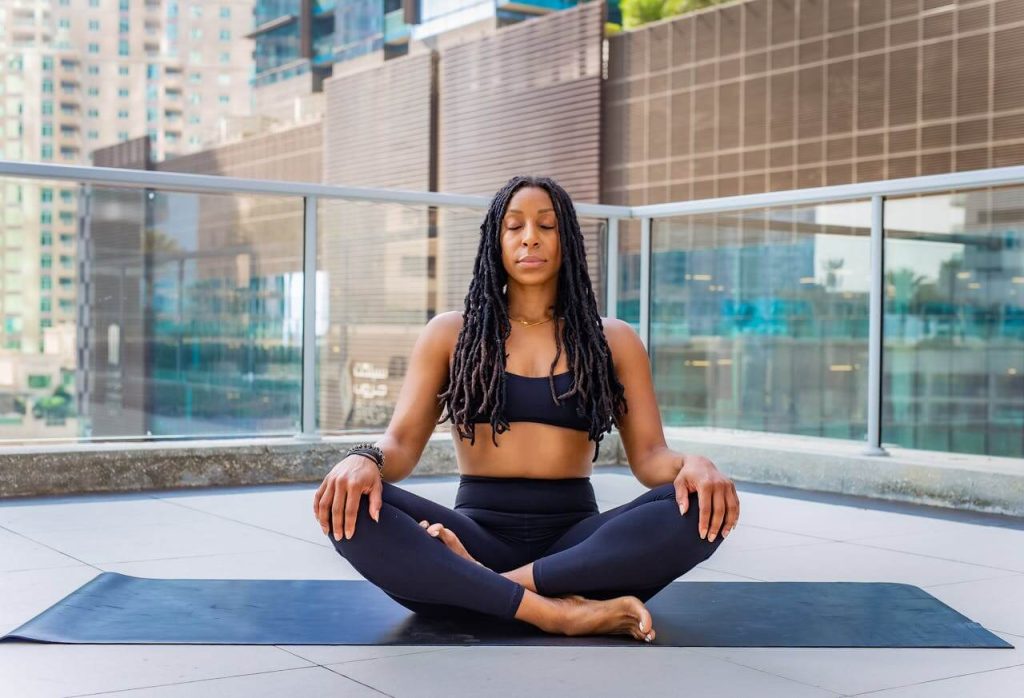
Mindfulness Beyond Meditation
Mindfulness can be practiced throughout daily life, not just during formal meditation sessions.
Mindful Walking
Pay attention to:
- Your steps
- Breathing
- Sounds around you
- Physical sensations
This helps calm anxious energy and improves present-moment awareness.
Mindful Eating
Eat slowly and notice:
- Taste
- Texture
- Smell
- Hunger cues
Mindful eating reduces stress and encourages healthier habits.
Mindful Breathing During Stress
When anxiety appears during the day:
- Pause
- Take slow breaths
- Focus on the inhale and exhale
- Ground yourself in the present moment.
This simple technique can quickly reduce emotional intensity.
Long-Term Benefits of Mindful Meditation for Anxiety
Regular mindfulness practice offers more than temporary relaxation.
Over time, mindful meditation for anxiety may help:
- Improve emotional resilience
- Increase self-awareness
- Strengthen focus and concentration
- Build healthier coping mechanisms
- Enhance relationships
- Improve sleep quality
- Support overall mental wellness
Many individuals also report feeling more compassionate, patient, and emotionally balanced.
Why Professional Guidance Can Help
While mindfulness can be practiced independently, guidance from experienced professionals often makes the journey easier and more effective.
Structured support can help individuals:
- Learn proper techniques
- Stay motivated
- Build healthy routines
- Explore deeper mindfulness practices
At Mindfulness Meditation Hub, we provide valuable mindfulness resources, meditation guidance, and wellness insights designed to help individuals navigate stress and anxiety naturally.
Final Thoughts
Living with anxiety can feel exhausting, but healing and emotional balance are possible with the right tools and consistent practice. Mindful meditation for anxiety provides a natural, accessible, and effective way to calm the mind, reduce stress, and reconnect with the present moment.
Mindfulness is not about becoming perfect or eliminating every anxious thought. It is about learning to observe your experiences with compassion, awareness, and acceptance.
With regular practice, mindfulness can transform the way you respond to stress and help you create a calmer, healthier, and more balanced life.
If you are ready to begin your mindfulness journey, Mindfulness Meditation Hub offers supportive resources, meditation insights, and wellness guidance to help you move toward greater peace and emotional well-being.
FAQs for Mindful Meditation for Anxiety
What is mindful meditation for anxiety?
Mindful meditation for anxiety is a practice that helps individuals focus on the present moment while calmly observing thoughts and emotions without judgment. It is commonly used to reduce stress and improve emotional balance.
How does mindful meditation help reduce anxiety?
Mindfulness meditation helps calm the nervous system, slow racing thoughts, improve emotional awareness, and reduce stress hormone levels, making anxiety more manageable over time.
Can beginners practice mindful meditation?
Yes, mindful meditation is beginner-friendly and can start with just a few minutes of daily breathing and awareness exercises.
How long should I meditate each day for anxiety relief?
Most beginners start with 5–10 minutes daily, while experienced practitioners may meditate for 20–30 minutes or longer.
Is mindful meditation scientifically proven to help anxiety?
Many scientific studies show that mindfulness meditation can reduce symptoms of anxiety, stress, and emotional overwhelm while improving mental clarity.
What is the best type of meditation for anxiety?
Breathing meditation, body scan meditation, and guided mindfulness meditation are among the most effective practices for reducing anxiety.
Can mindful meditation stop panic attacks?
Mindful meditation may help reduce the intensity and frequency of panic attacks by improving emotional regulation and calming physical stress responses.
How quickly can mindfulness meditation work?
Some individuals feel calmer after one session, while long-term emotional benefits typically develop through consistent daily practice.
Do I need special equipment for mindfulness meditation?
No special equipment is required. A quiet and comfortable space is usually enough to begin practicing mindfulness meditation.
Can mindful meditation improve sleep problems caused by anxiety?
Yes, mindfulness meditation can relax the body and quiet the mind, which may help improve sleep quality and reduce nighttime overthinking.
What should I do if my mind keeps wandering during meditation?
Mind wandering is normal. Simply notice the distraction without judgment and gently return your focus to your breath or present awareness.
Is guided meditation good for anxiety beginners?
Yes, guided meditation provides step-by-step instructions that make it easier for beginners to stay focused and relaxed.
Can children and teenagers practice mindful meditation?
Yes, mindfulness techniques can benefit children and teenagers by improving focus, emotional awareness, and stress management skills.
What are the long-term benefits of mindful meditation for anxiety?
Long-term benefits may include reduced stress, better emotional resilience, improved concentration, healthier coping skills, and greater inner peace.
Where can I learn more about mindful meditation for anxiety?
You can explore mindfulness resources, meditation techniques, and wellness guidance at Mindfulness Meditation Hub.
Related Topics
- Daily Mindfulness: How to Transform Your Life
- Articles on Mindfulness: Power of Meditation for Daily Life
- What Does Mindfulness Mean? Understanding Its Benefits
- What Is Being Mindfulness? A Complete Guide to Mindful Living
- Walking Mindfulness Meditation: A Simple Path to Inner Peace
- Mindfulness Body Scan Meditation: A Complete Guide
- Workplace Mindfulness: Improve Focus & Productivity
- Meditation Methods for Beginners | Start Your Mindfulness Journey
- What Does Being Mindful Mean? A Complete Guide to Mindfulness
- Definition of Mindfulness? Meaning, Benefits & Practice
- Mindfulness for the Workplace: Boost Productivity & Well-being
- Breath Meditation: A Complete Guide to Mindfulness & Relaxation
- Mastering the Art of Having Patience: A Mindfulness Approach
- Mindfulness Meditation for Anxiety: Calm Your Mind
- Self Meditating: A Complete Guide to Practicing Mindfulness
- Mindfulness for Grief: Find Peace Through Mindful Awareness
- Meditation and Sounds: Boost Mindfulness & Relaxation
- Emotion Mindfulness: Techniques to Manage Your Feelings