

Discover the power of mindful movement exercise to improve flexibility, reduce stress, and boost overall well-being. Learn techniques, benefits, and how to start your daily practice today.
Overview
In this comprehensive guide, you’ll discover everything you need to know about mindful movement exercise—from what it is and why it matters to practical techniques you can start today. By the end of this blog, you will learn:
- What mindful movement exercise really means
- The science-backed benefits for your body and mind
- Different types of mindful movement practices
- Step-by-step ways to incorporate it into your daily routine
- Tips to stay consistent and get the best results
Whether you’re a beginner or someone looking to deepen your wellness journey, this guide will help you build a stronger mind-body connection.
What is a mindful movement exercise?
Mindful movement exercise is the practice of moving your body with full awareness and intention. Unlike traditional workouts that focus mainly on physical results, mindful movement combines physical activity with mental focus.
Instead of rushing through exercises, you pay attention to the following:
- Your breath
- Your posture
- Muscle engagement
- How your body feels in each movement
This approach transforms ordinary exercise into a meditative experience, helping you stay present while improving physical health.
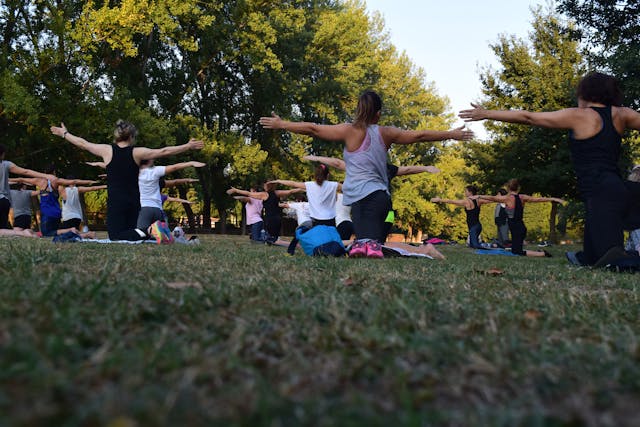
Why Mindful Movement Exercise Matters
In today’s fast-paced world, many people exercise while distracted—scrolling on phones, thinking about work, or rushing to finish. This disconnect reduces the effectiveness of workouts and increases stress.
Practicing mindful movement exercise helps you reconnect with your body and offers benefits beyond physical fitness.
Key Reasons to Practice:
- Encourages mental clarity and focus
- Reduces stress and anxiety
- Prevents injuries by improving body awareness
- Enhances overall well-being
Top Benefits of Mindful Movement Exercise
1. Reduces Stress and Anxiety
When you combine movement with conscious breathing, your nervous system shifts into a relaxed state. This makes mindful movement exercise an effective tool for managing daily stress.
2. Improves Mind-Body Connection
You become more aware of how your body moves and responds. Over time, this awareness helps you move more efficiently and avoid strain.
3. Enhances Flexibility and Mobility
Slow, controlled movements improve joint mobility and muscle flexibility without forcing the body.
4. Boosts Mental Clarity
By focusing on the present moment, your mind becomes less cluttered, leading to better concentration and decision-making.
5. Supports Long-Term Fitness Goals
Unlike intense workouts that can lead to burnout, mindful movement exercise is sustainable and enjoyable, making it easier to stay consistent.
Types of Mindful Movement Exercise
There are several ways to practice mindful movement exercise, depending on your preferences and goals.
Yoga
Yoga is one of the most popular forms. It combines breath control, posture, and mindfulness.
Walking Meditation
A simple yet powerful practice where you walk slowly and focus on each step and breath.
Stretching with Awareness
Instead of rushing through stretches, you hold positions and observe sensations in your body.
Tai Chi or Flow Movement
These involve slow, flowing movements that promote balance and calmness.
Mindful Strength Training
Even weight training can become a mindful movement exercise when you focus on form, breath, and muscle engagement.
How to Practice Mindful Movement Exercise
Getting started with mindful movement exercise doesn’t require special equipment or experience. Here’s a simple step-by-step guide:
Step 1: Start with Your Breath
Before moving, take a few deep breaths. Notice how your body feels.
Step 2: Move Slowly and Intentionally
Avoid rushing. Focus on each movement and how your muscles engage.
Step 3: Eliminate Distractions
Turn off your phone or avoid multitasking during your practice.
Step 4: Tune Into Your Body
Ask yourself:
- Where do I feel tension?
- Am I holding my breath?
- Is my posture aligned?
Step 5: End with Reflection
After your session, take a moment to notice how you feel physically and mentally.
Sample Mindful Movement Exercise Routine
Here’s a beginner-friendly routine you can try:
Warm-Up (5 minutes)
- Deep breathing
- Gentle neck and shoulder rolls
Main Practice (15–20 minutes)
- Slow squats (focus on balance and breathing)
- Arm stretches with controlled movements
- Light yoga poses (like downward dog or child’s pose)
Cool Down (5 minutes)
- Seated breathing
- Body scan meditation
Practicing this routine regularly will help you build a consistent mindful movement exercise habit.
Tips to Stay Consistent
Building a new habit can be challenging, but these tips will help:
- Start small: Even 5–10 minutes daily makes a difference.
- Create a routine: Practice at the same time each day
- Listen to your body: Avoid pushing beyond your limits.
- Stay patient: Progress takes time.
- Focus on experience, not perfection
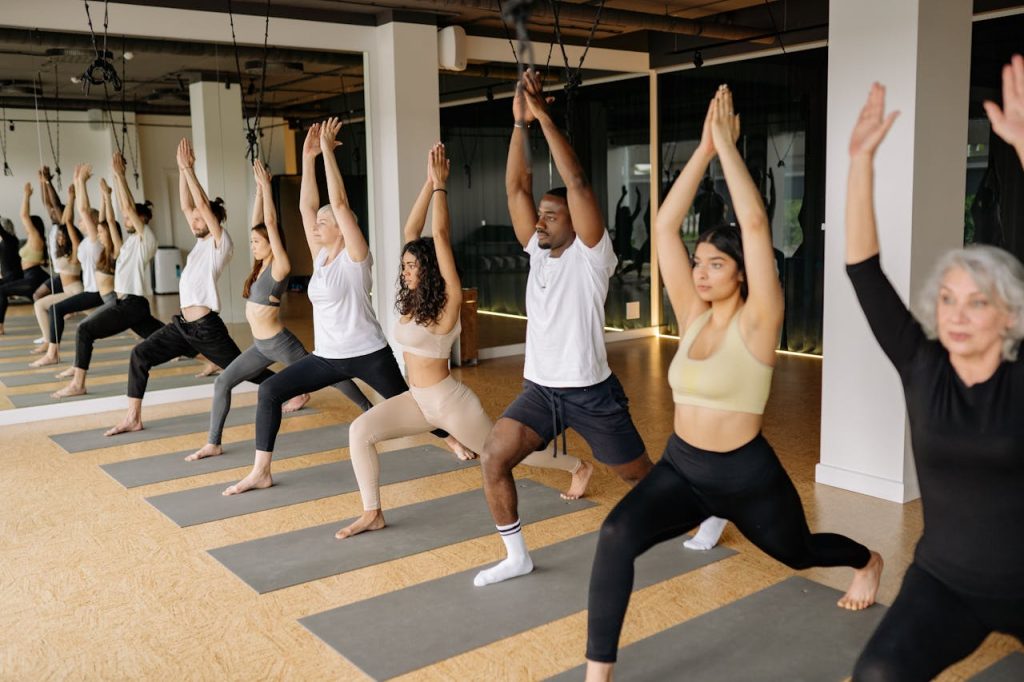
Common Mistakes to Avoid
When starting mindful movement exercise, many people make these mistakes:
- Moving too fast
- Ignoring breath control
- Comparing themselves to others
- Treating it like a regular workout
- Skipping consistency
Avoiding these pitfalls will help you get the most out of your practice.
Who Can Benefit from Mindful Movement Exercise?
The beauty of mindful movement exercise is that it’s suitable for almost everyone:
- Beginners looking to start a fitness routine
- Busy professionals dealing with stress
- Athletes wanting better body awareness
- Seniors aiming to improve mobility
- Anyone seeking mental clarity and balance
How Mindful Movement Supports Overall Wellness
Mindful movement isn’t just about exercise—it’s a lifestyle. When practiced regularly, it positively impacts:
- Mental health: Reduces anxiety and improves mood
- Physical health: Enhances strength, flexibility, and posture
- Emotional balance: Helps you respond calmly to challenges
Over time, mindful movement exercise becomes a tool for living a more present and fulfilling life.
Why Choose Our Mindful Movement Services?
At Mindfulness Meditation Hub, we specialize in guiding individuals through effective mindful movement exercise practices tailored to all experience levels.
What We Offer:
- Easy-to-follow guided sessions
- Beginner-friendly techniques
- Expert-backed resources
- Holistic approach to mind-body wellness
Our goal is to help you build a sustainable practice that fits your lifestyle.
Final Thoughts
Mindful movement can change how you feel, think, and move. It’s a simple yet powerful way to reconnect with your body, reduce stress, and improve overall well-being.
Start small, stay consistent, and focus on the journey—not just the results. Over time, you’ll notice a deeper sense of calm, clarity, and control in your life.
Related Topics
- Articles on Mindfulness: Power of Meditation for Daily Life
- What Does Mindfulness Mean? Understanding Its Benefits
- What Is Being Mindfulness? A Complete Guide to Mindful Living
- Walking Mindfulness Meditation: A Simple Path to Inner Peace
- Mindfulness Body Scan Meditation: A Complete Guide
- Workplace Mindfulness: Improve Focus & Productivity
- Meditation Methods for Beginners | Start Your Mindfulness Journey
- What Does Being Mindful Mean? A Complete Guide to Mindfulness
- Definition of Mindfulness? Meaning, Benefits & Practice
- Mindfulness for the Workplace: Boost Productivity & Well-being
- Breath Meditation: A Complete Guide to Mindfulness & Relaxation
- Mastering the Art of Having Patience: A Mindfulness Approach
- Mindfulness Meditation for Anxiety: Calm Your Mind
- Self Meditating: A Complete Guide to Practicing Mindfulness
- Mindfulness for Grief: Find Peace Through Mindful Awareness
- Meditation and Sounds: Boost Mindfulness & Relaxation
- Emotion Mindfulness: Techniques to Manage Your Feelings
- Daily Mindfulness: How to Transform Your Life