
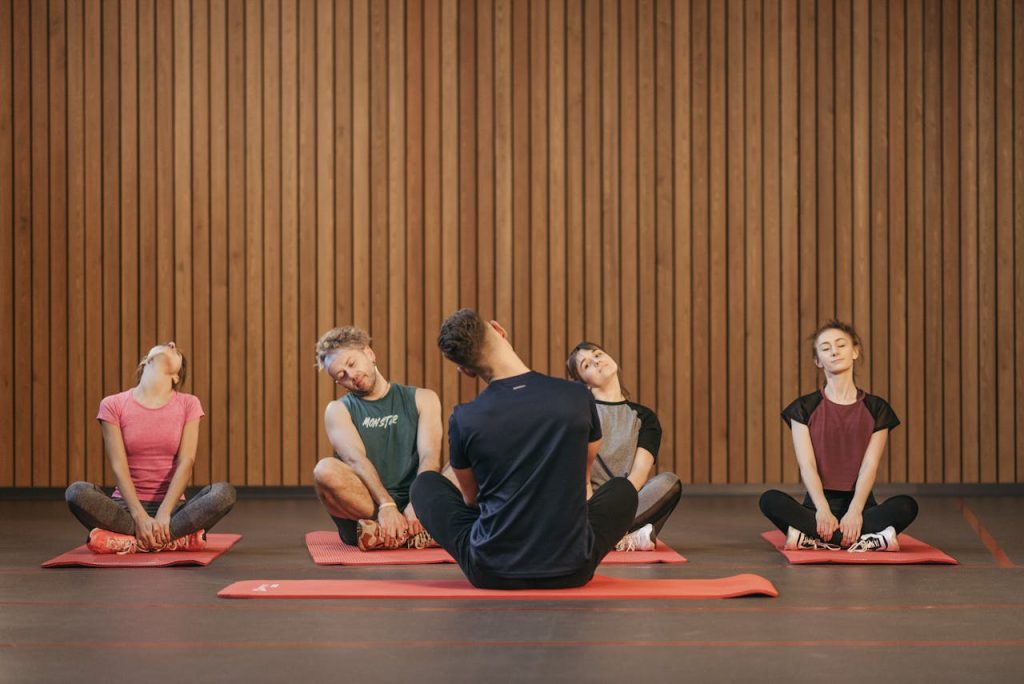
Discover powerful mindful movement practices to reduce stress, improve focus, and enhance physical and mental well-being. Learn simple techniques you can start today.
Overview
In this guide, you will explore how mindful movement practices can transform both your body and mind. Whether you are new to mindfulness or looking to deepen your existing routine, this article will help you understand how intentional movement improves mental clarity, reduces stress, and supports overall wellness.
By the end of this blog, you will learn:
- What mindful movement practices actually are
- Why they are powerful for stress relief and emotional balance
- Different types of mindful movement you can try
- How to start your own daily practice at home
- Common mistakes to avoid
- How guided support can help you stay consistent
This is your step-by-step introduction to building a healthier, more mindful lifestyle.
What Are Mindful Movement Practices?
Mindful movement practices are physical activities performed with full awareness of the body, breath, and present moment. Unlike regular exercise, the focus is not just on fitness or performance but on how your body feels during each movement.
These practices combine mindfulness with gentle physical activity to create a deep mind-body connection. Instead of rushing through movements, you slow down and become fully present.
Common examples include:
At their core, mindful movement practices encourage you to move with intention rather than habit. This helps you tune into your body’s signals and reduce mental distractions.
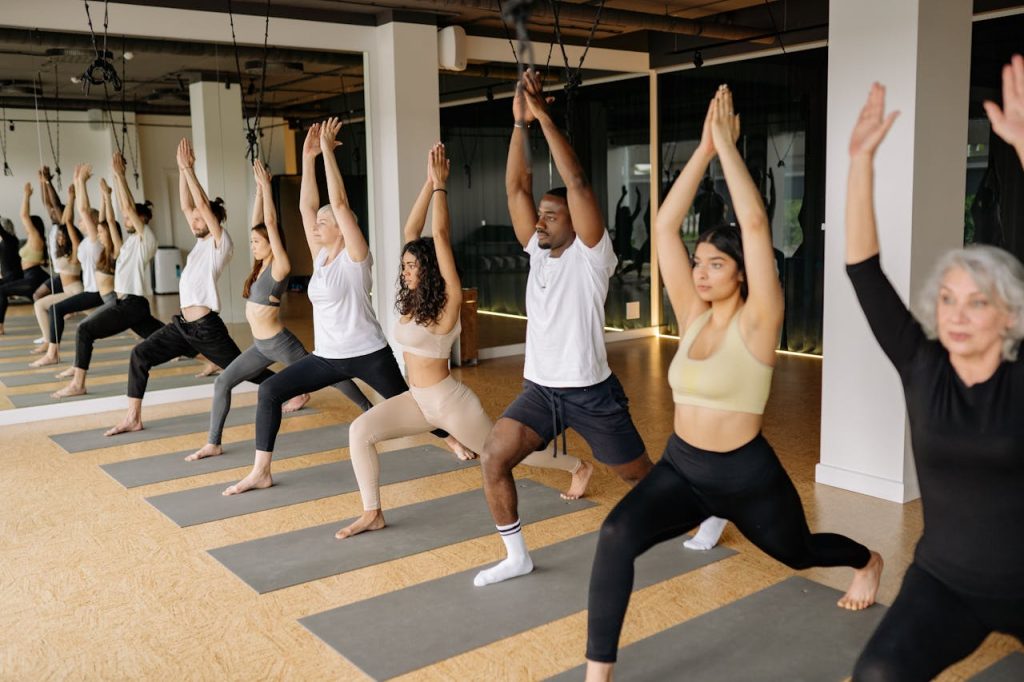
Why Mindful Movement Practices Matter for Modern Life
In today’s fast-paced world, many people live in a constant state of stress. Work pressure, screen time, and emotional overload can disconnect us from our bodies.
This is where mindful movement practices become powerful. They help restore balance by slowing you down and grounding your attention in the present moment.
Key reasons they matter:
- Reduce anxiety and stress levels
- Improve emotional awareness
- Support better posture and flexibility
- Enhance mental clarity
- Promote relaxation without requiring intense workouts
Even just 10–15 minutes a day can create noticeable changes in your mood and energy levels.
Benefits of Mindful Movement Practices
Practicing mindful movement practices regularly offers both physical and mental benefits. Unlike high-intensity workouts, these practices focus on balance, awareness, and inner calm.
Mental Benefits
- Reduces stress and anxiety
- Improves focus and concentration
- Encourages emotional stability
- Helps manage negative thoughts
- Enhances self-awareness
Physical Benefits
- Improves flexibility and mobility
- Supports better posture
- Reduces muscle tension
- Boosts circulation
- Encourages gentle strength building
Emotional Benefits
- Builds resilience to stress
- Encourages self-compassion
- Promotes inner calm
- Helps regulate emotions more effectively
When practiced consistently, mindful movement practices become a foundation for long-term wellness.
Types of Mindful Movement Practices You Can Try
There are many different ways to explore mindful movement practices, depending on your lifestyle and comfort level.
1. Yoga
Yoga combines breath control, stretching, and mindful awareness. It is one of the most popular forms of mindful movement because it connects the body and mind through slow, intentional poses.
2. Tai Chi
Often called “meditation in motion,” Tai Chi involves slow, flowing movements that improve balance and calm the nervous system.
3. Walking Meditation
This practice involves walking slowly and focusing on each step, breath, and sensation in your body. It’s simple but very powerful.
4. Qigong
Qigong uses gentle movements and breathing techniques to promote energy flow and relaxation.
5. Mindful Stretching
Even basic stretching can become a form of mindful movement practices when done slowly with full attention on your body’s sensations.
Each of these methods can be adapted to your lifestyle, making mindfulness accessible anywhere.
How to Start Mindful Movement Practices at Home
Starting mindful movement practices does not require special equipment or experience. You only need a quiet space and a willingness to slow down.
Step 1: Start Small
Begin with just 5–10 minutes per day. Focus on consistency instead of duration.
Step 2: Focus on Your Breath
Pay attention to how you breathe during movement. Let your breath guide your rhythm.
Step 3: Move Slowly and Intentionally
Avoid rushing. Each movement should feel deliberate and controlled.
Step 4: Notice Sensations
Observe how your body feels—tightness, relaxation, or warmth—without judgment.
Step 5: Stay Present
If your mind wanders, gently bring your focus back to your movement and breath.
Over time, mindful movement practices become easier and more natural.
Common Mistakes to Avoid
While mindful movement practices are simple, beginners often make a few mistakes:
- Rushing through movements
- Treating it like a workout instead of mindfulness
- Getting distracted by thoughts or phone use
- Expecting instant results
- Practicing inconsistently
The key is patience. Mindfulness develops gradually, not overnight.
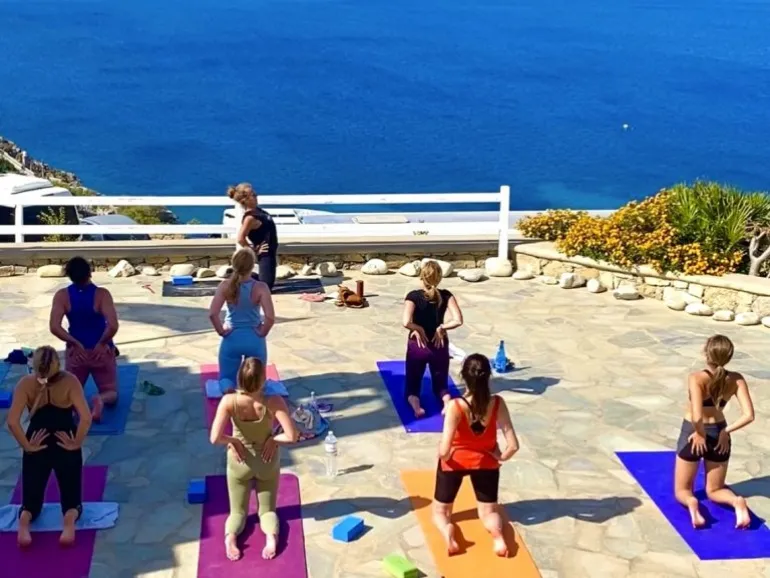
How Mindful Movement Practices Improve Daily Life
When you regularly practice mindful movement practices, you begin to notice changes in everyday life.
For example:
- You respond to stress more calmly
- You feel more connected to your body
- You become more aware of posture and breathing
- You sleep better due to reduced tension
- You feel more emotionally balanced
These benefits extend beyond your practice sessions and influence your entire lifestyle.
Why Choose Guided Mindful Movement Practices With Us
At Mindfulness Meditation Hub, we offer structured guidance to help you get the most out of mindful movement practices.
Many people struggle with consistency or don’t know where to start. That’s where guided support makes a difference.
Our approach includes:
- Step-by-step mindfulness movement guidance
- Beginner-friendly routines
- Stress-relief focused sessions
- Easy-to-follow daily practices
- Techniques you can use anytime, anywhere
With the right guidance, mindful movement practices become easier to integrate into your daily routine and deliver faster results.
Building a Long-Term Mindful Movement Routine
To make mindful movement practices a lasting part of your life, consistency is more important than intensity.
Here are some tips:
- Set a fixed time each day (morning or evening)
- Keep sessions short but regular
- Combine different techniques to stay engaged
- Track your progress in how you feel, not just what you do
- Be patient with yourself
Over time, these small steps lead to major improvements in both mental and physical health.
Final Thoughts
Mindful movement practices are a simple yet powerful way to reconnect your mind and body. They help reduce stress, improve focus, and bring balance into your daily routine.
Unlike traditional exercise, these practices are not about performance—they are about awareness, presence, and inner calm.
By integrating mindful movement practices into your life, even for a few minutes each day, you create space for clarity, peace, and emotional well-being.
FAQs for Mindful Movement Practices
What are mindful movement practices?
Mindful movement practices are activities like yoga, tai chi, or walking meditation where you move your body with full awareness of breath, sensations, and the present moment.
How do mindful movement practices help reduce stress?
They calm the nervous system by slowing down your movements, improving breathing, and helping you stay present instead of worrying about the past or future.
Can beginners start mindful movement practices easily?
Yes, beginners can start with simple activities like slow walking or gentle stretching without any prior experience.
How long should I practice mindful movement daily?
Even 10–15 minutes a day of mindful movement practices can bring noticeable mental and physical benefits.
Do I need equipment for mindful movement practices?
No special equipment is needed. Most mindful movement practices can be done using just your body and a quiet space.
What is the difference between exercise and mindful movement practices?
Exercise focuses on physical fitness, while mindful movement practices focus on awareness, breath, and mental presence during movement.
Can mindful movement practices improve mental health?
Yes, they help reduce anxiety, improve focus, and support emotional stability through regular mindful awareness.
Is yoga considered a mindful movement practice?
Yes, yoga is one of the most popular forms of mindful movement practices that combines breath, posture, and awareness.
Can I do mindful movement practices at home?
Absolutely. You can easily practice at home using simple movements, guided videos, or quiet self-practice.
What is walking meditation?
Walking meditation is a mindful movement practice where you walk slowly and focus fully on each step and your breathing.
Are mindful movement practices suitable for all ages?
Yes, they are safe and beneficial for people of all ages, including beginners, seniors, and those with limited mobility.
How quickly will I see results from mindful movement practices?
Some people feel calmer after just one session, but long-term benefits develop with consistent daily practice.
Can mindful movement practices help with sleep?
Yes, they help relax the body and mind, which can improve sleep quality over time.
Do I need a teacher for mindful movement practices?
A teacher is helpful but not required. Many people start with online guides or simple self-practice routines.
How can I stay consistent with mindful movement practices?
Set a daily routine, start small, and focus on how you feel rather than performance or perfection.
Related Topics
- Articles on Mindfulness: Power of Meditation for Daily Life
- What Does Mindfulness Mean? Understanding Its Benefits
- What Is Being Mindfulness? A Complete Guide to Mindful Living
- Walking Mindfulness Meditation: A Simple Path to Inner Peace
- Mindfulness Body Scan Meditation: A Complete Guide
- Workplace Mindfulness: Improve Focus & Productivity
- Meditation Methods for Beginners | Start Your Mindfulness Journey
- What Does Being Mindful Mean? A Complete Guide to Mindfulness
- Definition of Mindfulness? Meaning, Benefits & Practice
- Mindfulness for the Workplace: Boost Productivity & Well-being
- Breath Meditation: A Complete Guide to Mindfulness & Relaxation
- Mastering the Art of Having Patience: A Mindfulness Approach
- Mindfulness Meditation for Anxiety: Calm Your Mind
- Self Meditating: A Complete Guide to Practicing Mindfulness
- Mindfulness for Grief: Find Peace Through Mindful Awareness
- Meditation and Sounds: Boost Mindfulness & Relaxation
- Emotion Mindfulness: Techniques to Manage Your Feelings
- Daily Mindfulness: How to Transform Your Life