

Discover powerful mindful sleep exercise techniques to reduce stress, calm your mind, and improve sleep quality naturally. Learn step-by-step methods for better rest and relaxation tonight.
Overview
In this guide, you will learn everything about mindful sleep exercise and how it can transform your nightly routine into a deeply calming, restorative experience. Many people struggle with stress, anxiety, and insomnia, which leads to poor sleep quality and low energy during the day.
This blog will teach you:
- What a mindful sleep exercise really is
- How it helps calm the nervous system before bed
- Step-by-step techniques you can practice at home
- Breathing and body relaxation methods for better sleep
- Common mistakes people make before bedtime
- How to build a consistent sleep mindfulness routine
By the end, you’ll understand how to use mindful sleep exercises as a natural tool to fall asleep faster, sleep deeper, and wake up refreshed—without relying on medication.
What is a Mindful Sleep Exercise?
A mindful sleep exercise is a simple but powerful practice that combines mindfulness techniques with relaxation methods to prepare your mind and body for sleep.
Instead of forcing sleep, you gently guide your awareness into the present moment, allowing your thoughts to slow down naturally.
A typical mindful sleep exercise includes:
- Slow breathing techniques
- Body awareness (body scan)
- Relaxation of muscles
- Gentle focus on present sensations
The goal is not to “try hard” to sleep, but to create the right mental and physical conditions where sleep happens naturally.
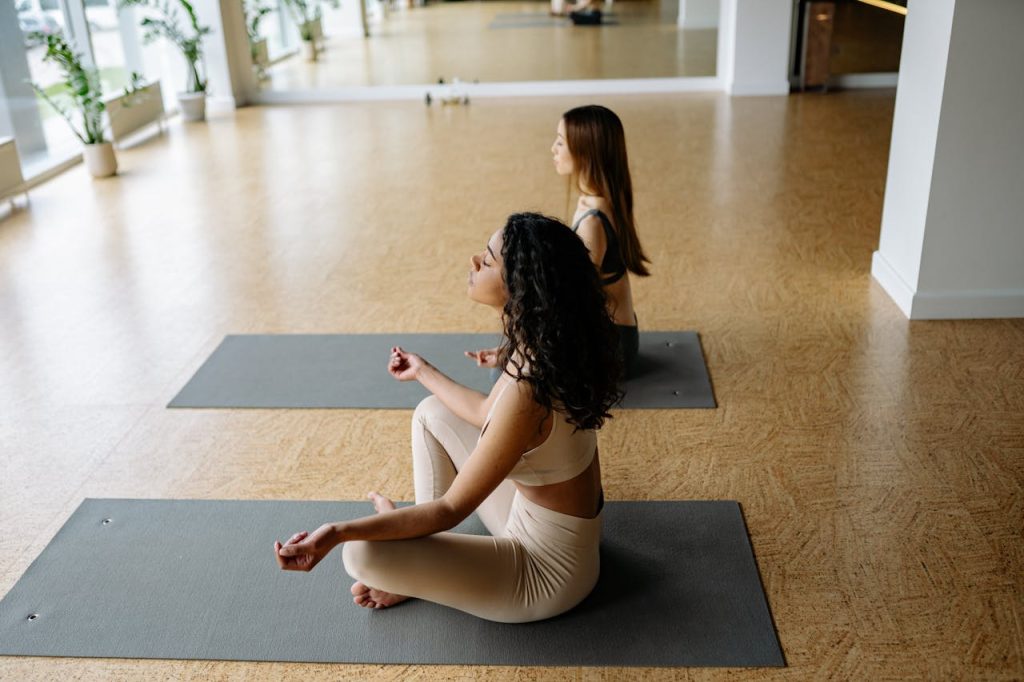
Why Mindful Sleep Exercise Works So Well
Modern life keeps our brains overstimulated—phones, stress, work pressure, and endless thinking patterns. This makes it difficult for the mind to shut down at night.
A regular mindful sleep exercise helps by:
1. Reducing Stress Hormones
It lowers cortisol levels, which are responsible for stress and alertness.
2. Activating the Relaxation Response
Your nervous system shifts from “fight or flight” to “rest and digest.”
3. Slowing Down Racing Thoughts
Instead of overthinking, you train your mind to observe thoughts without engaging with them.
4. Improving Sleep Quality
You don’t just fall asleep faster—you also experience deeper and more restorative sleep cycles.
Step-by-Step Mindful Sleep Exercise Routine
Here is a simple mindful sleep exercise you can practice every night before bed.
Step 1: Create a Calm Sleep Environment
Before starting your mindful sleep exercise, prepare your space:
- Dim the lights
- Turn off screens or use night mode
- Keep your room cool and quiet.
- Lie down comfortably in bed
This signals your brain that it is time to rest.
Step 2: Begin Slow Breathing
Start your mindful sleep exercise by focusing on your breath.
Try this breathing pattern:
- Inhale slowly through your nose for 4 seconds.
- Hold gently for 2 seconds
- Exhale slowly through your mouth for 6 seconds.
Repeat this for 5–10 minutes.
This part of the mindful sleep exercise immediately helps slow your heart rate and calm your mind.
Step 3: Body Scan Relaxation
Now shift your attention through your body.
In this part of the mindful sleep exercise, mentally scan from head to toe:
- Relax your forehead
- Release tension in your jaw
- Let your shoulders drop.
- Relax your arms and hands
- Soften your chest and stomach
- Release your legs and feet
The goal is to notice tension and gently let it go.
Step 4: Observe Your Thoughts Without Judgment
During your mindful sleep exercise, thoughts will naturally appear.
Instead of resisting them:
- Acknowledge the thought
- Let it pass like a cloud
- Bring your attention back to breathing.
This trains your brain not to attach to stressful thinking patterns at night.
Step 5: Visualize Calm and Peaceful Images
Now enhance your mindful sleep exercise with gentle visualization:
Imagine:
- A quiet beach
- Soft waves moving slowly
- A peaceful forest
- A warm, safe space
This helps your mind shift from stress to relaxation.
Step 6: Let Sleep Happen Naturally
The final stage of your mindful sleep exercise is letting go completely.
Do not force sleep. Instead:
- Stay relaxed
- Keep breathing gently
- Allow sleep to come naturally
Most people fall asleep during this stage without even realizing it.
Benefits of Practicing Mindful Sleep Exercise Daily
If you practice a mindful sleep exercise regularly, you may experience:
- Faster sleep onset
- Fewer nighttime awakenings
- Reduced anxiety before bed
- Improved focus during the day
- Better emotional balance
- Increased energy levels
Over time, your brain begins to associate bedtime with relaxation instead of stress.
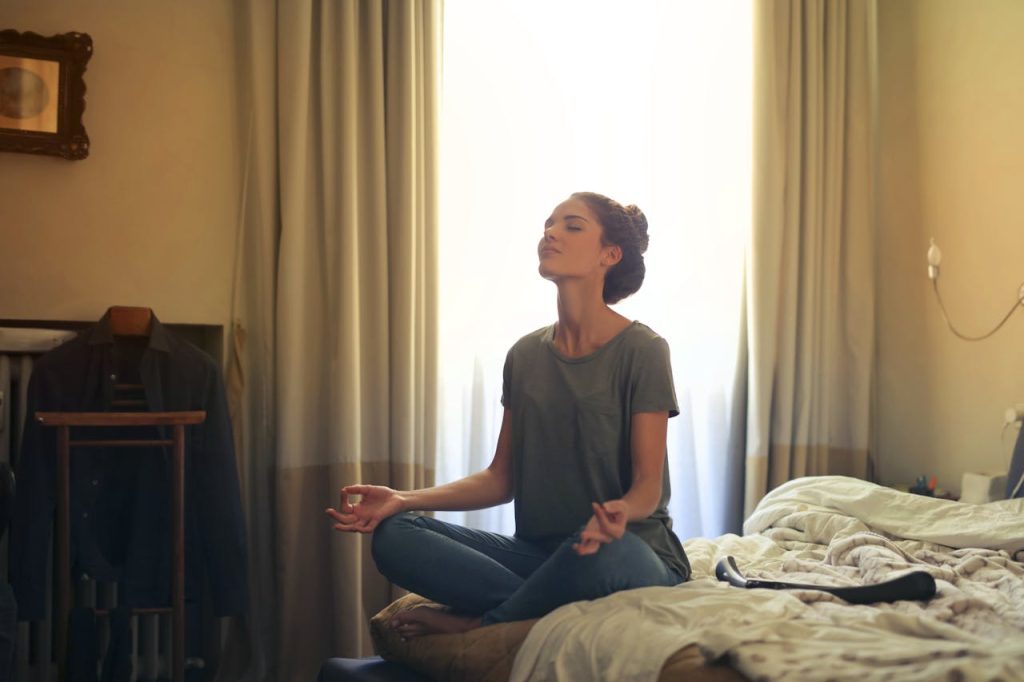
Common Mistakes to Avoid
Even though mindful sleep exercise is simple, people often make mistakes:
1. Trying Too Hard to Sleep
Sleep cannot be forced. The more you try, the more awake you feel.
2. Using Phones Before Bed
Blue light disrupts melatonin production, making your mindful sleep exercise less effective.
3. Inconsistent Practice
Doing it once won’t help. Consistency is key.
4. Overthinking the Technique
There is no “perfect way” to do a mindful sleep exercise—just stay relaxed.
Who Should Practice Mindful Sleep Exercise?
A mindful sleep exercise is perfect for:
- People with insomnia
- Individuals with anxiety or stress
- Students with overthinking issues
- Professionals with busy minds
- Anyone struggling with poor sleep quality
It is safe, natural, and can be practiced by anyone without prior experience.
How Mindfulness Meditation Hub Helps You
At Mindfulness Meditation Hub, we specialize in guiding people through practical mindfulness tools like mindful sleep exercise techniques.
We offer:
- Guided sleep meditation practices
- Step-by-step relaxation exercises
- Stress reduction techniques
- Personalized mindfulness support
Our goal is to help you build a healthier sleep routine using natural methods instead of relying on external aids.
A structured mindful sleep exercise practice can completely change how you experience rest, energy, and emotional balance.
Final Thoughts
A mindful sleep exercise is more than just a bedtime routine—it is a powerful lifestyle tool that improves your mental health, sleep quality, and overall well-being.
If you struggle with racing thoughts, stress, or insomnia, this practice offers a natural and effective solution.
By practicing a mindful sleep exercise daily, you can retrain your mind to relax, release tension, and welcome deep sleep effortlessly.
FAQs for Mindful Sleep Exercise
What is a mindful sleep exercise?
A mindful sleep exercise is a relaxation practice that combines mindfulness and breathing techniques to help calm the mind and body before sleep.
How does a mindful sleep exercise help with insomnia?
It reduces stress and mental overactivity, helping your brain shift into a relaxed state that makes falling asleep easier.
How long should I do a mindful sleep exercise?
Most people benefit from 10–20 minutes of practice before going to bed.
Can beginners try mindful sleep exercise?
Yes, it is beginner-friendly and requires no prior experience in meditation or mindfulness.
Do I need any equipment for mindful sleep exercise?
No equipment is needed. You only need a quiet space and a comfortable place to lie down.
When is the best time to do a mindful sleep exercise?
The best time is right before bedtime, after you turn off screens and reduce stimulation.
Can mindful sleep exercise replace sleeping pills?
It can help improve sleep naturally, but it should not replace prescribed medication without consulting a doctor.
How quickly does mindful sleep exercise work?
Some people feel relaxed immediately, while consistent practice improves sleep quality over time.
What should I do if my mind keeps wandering during practice?
It is normal. Simply notice the thoughts without judgment and gently bring your focus back to your breathing.
Can I listen to music during mindful sleep exercise?
Yes, soft calming music or guided meditations can enhance relaxation.
Is mindful sleep exercise scientifically proven?
Yes, mindfulness and relaxation techniques are widely studied and shown to reduce stress and improve sleep quality.
Can children do mindful sleep exercise?
Yes, simple breathing and relaxation techniques can be safely practiced by children with guidance.
What is the difference between meditation and mindful sleep exercise?
Meditation can be done anytime for awareness, while mindful sleep exercise is specifically designed to help you fall asleep.
Do I need to lie down for mindful sleep exercise?
Lying down is recommended for sleep-focused practice, but sitting comfortably also works for some techniques.
Can mindful sleep exercise improve overall mental health?
Yes, regular practice can reduce anxiety, improve emotional balance, and support overall well-being.
Related Topics
- Daily Mindfulness: How to Transform Your Life
- Articles on Mindfulness: Power of Meditation for Daily Life
- What Does Mindfulness Mean? Understanding Its Benefits
- What Is Being Mindfulness? A Complete Guide to Mindful Living
- Walking Mindfulness Meditation: A Simple Path to Inner Peace
- Mindfulness Body Scan Meditation: A Complete Guide
- Workplace Mindfulness: Improve Focus & Productivity
- Meditation Methods for Beginners | Start Your Mindfulness Journey
- What Does Being Mindful Mean? A Complete Guide to Mindfulness
- Definition of Mindfulness? Meaning, Benefits & Practice
- Mindfulness for the Workplace: Boost Productivity & Well-being
- Breath Meditation: A Complete Guide to Mindfulness & Relaxation
- Mastering the Art of Having Patience: A Mindfulness Approach
- Mindfulness Meditation for Anxiety: Calm Your Mind
- Self Meditating: A Complete Guide to Practicing Mindfulness
- Mindfulness for Grief: Find Peace Through Mindful Awareness
- Meditation and Sounds: Boost Mindfulness & Relaxation
- Emotion Mindfulness: Techniques to Manage Your Feelings