

Discover how to practice mindfulness in daily life with simple, effective techniques. Learn how daily mindfulness habits can reduce stress, improve focus, and boost emotional well-being.
Overview
In this blog post, you’ll discover how to bring mindfulness daily life practices into your everyday routine—without needing hours of meditation. You’ll learn practical techniques to stay present, reduce stress, and improve your emotional well-being. We’ll also explore how mindfulness can enhance focus, relationships, and overall quality of life, along with easy steps you can start using immediately.
What Is Mindfulness in Daily Life?
At its core, mindfulness means being fully present in the moment—aware of your thoughts, feelings, and surroundings without judgment. When applied to mindfulness in daily life, it becomes a powerful tool that helps you navigate everyday situations with clarity and calmness.
Instead of reacting impulsively, mindfulness allows you to pause, observe, and respond thoughtfully. Whether you’re working, eating, or talking to someone, mindfulness transforms ordinary moments into meaningful experiences.
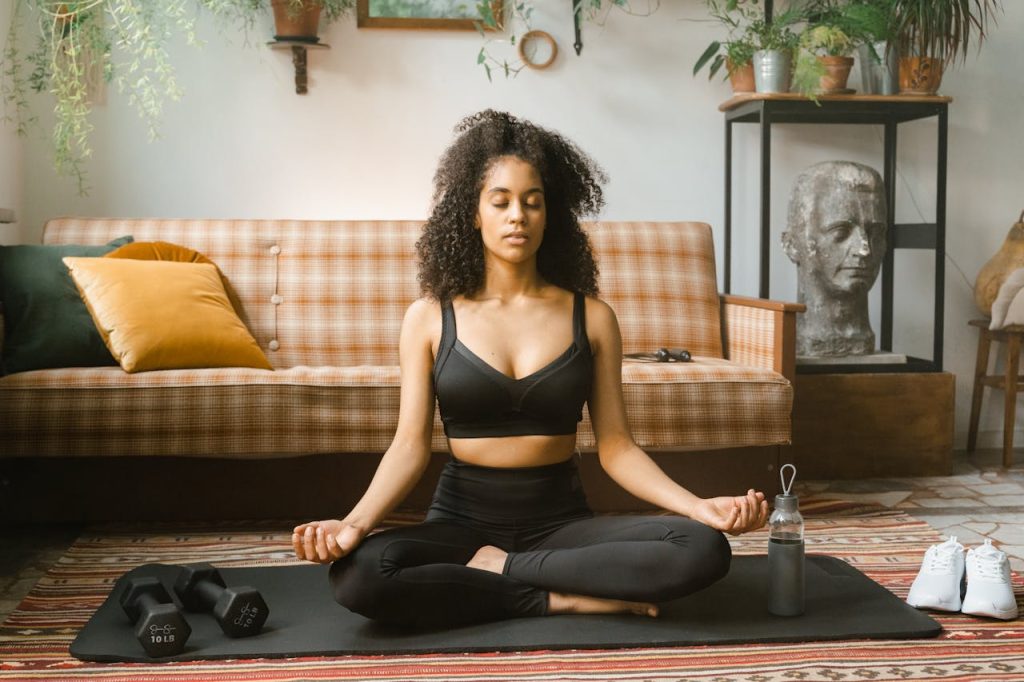
Why Mindfulness in Daily Life Matters
Modern life is fast-paced and often overwhelming. Many people operate on autopilot, constantly thinking about the past or worrying about the future. This is where daily mindfulness practices make a difference.
Key Benefits:
- Reduces stress and anxiety
- Improves focus and concentration
- Enhances emotional regulation
- Boosts overall happiness
- Strengthens relationships
By practicing mindfulness daily, you create space between stimulus and response—helping you make better decisions and feel more in control.
How to Practice Mindfulness in Daily Life
You don’t need a meditation cushion or a quiet retreat to start. The beauty of mindfulness in daily life is that it fits seamlessly into your routine.
1. Start Your Day Mindfully
Instead of reaching for your phone first thing in the morning, take a few moments to breathe and set an intention.
Try this:
- Take 5 deep breaths.
- Notice how your body feels
- Set a positive intention for the day
This simple habit sets the tone for a more mindful day.
2. Practice Mindful Breathing
Breathing is one of the easiest ways to anchor yourself in the present moment. Practicing mindful breathing throughout the day strengthens your mindfulness daily life routine.
How to do it:
- Inhale slowly through your nose.
- Exhale gently through your mouth.
- Focus only on your breath
Even one minute of mindful breathing can reset your mind.
3. Turn Routine Activities into Mindful Moments
Everyday tasks offer opportunities to practice mindfulness in daily life.
Examples:
- Eating: Focus on taste, texture, and smell
- Walking: Notice your steps and surroundings
- Showering: Feel the water and be present.
By bringing awareness to routine activities, you train your mind to stay present naturally.
4. Limit Multitasking
Multitasking reduces efficiency and increases stress. Mindfulness encourages doing one thing at a time.
Instead of:
- Checking emails while eating
- Scrolling your phone during conversations
Try:
- Fully focusing on one task
- Giving your complete attention to the present moment
This approach improves productivity and strengthens your daily mindfulness life practice.
5. Practice Mindful Listening
Listening is often overlooked, yet it’s a powerful mindfulness tool.
To practice mindful listening:
- Give your full attention to the speaker.
- Avoid interrupting
- Observe their tone and emotions
This not only improves communication but also deepens relationships—an important part of mindfulness in daily life.
6. Observe Your Thoughts Without Judgment
Your mind constantly produces thoughts, but not all of them need your attention.
In mindfulness daily life, you learn to
- Notice thoughts as they arise
- Avoid labeling them as “good” or “bad.”
- Let them pass naturally
This helps reduce overthinking and emotional reactivity.
7. Create a Daily Mindfulness Routine
Consistency is key. Even a few minutes a day can make a big difference.
Simple routine idea:
- Morning: 5 minutes of breathing
- Afternoon: Mindful walking or eating
- Evening: Reflection or gratitude
Building a routine ensures that mindfulness in daily life becomes a habit rather than an occasional practice.
Common Challenges and How to Overcome Them
Starting something new isn’t always easy. Many people struggle to maintain mindfulness in daily life practices.
Challenge 1: “I don’t have time.”
Solution: Start small—even 1–2 minutes counts.
Challenge 2: “My mind keeps wandering.”
Solution: That’s normal. Gently bring your focus back without frustration.
Challenge 3: “I forget to practice”
Solution: Set reminders or link mindfulness to daily habits (like brushing your teeth).
Mindfulness in Daily Life for Stress Reduction
Stress is one of the biggest issues people face today. Practicing mindfulness in daily life can significantly reduce stress levels.
How it helps:
- Slows down racing thoughts
- Reduces cortisol (stress hormone)
- Promotes relaxation
Quick stress-relief exercise:
- Pause for 60 seconds
- Focus on your breath
- Relax your shoulders and jaw
This simple practice can instantly calm your mind.
Mindfulness in Daily Life at Work
Work environments can be stressful and distracting. Integrating mindfulness into daily life at work improves both performance and well-being.
Tips:
- Take short mindful breaks
- Focus on one task at a time
- Practice gratitude for small wins
Employees who practice mindfulness often report:

Mindfulness, Daily Life, and Emotional Well-Being
Your emotions shape your experiences. Mindfulness helps you understand and manage them effectively.
Benefits:
When you practice mindfulness in daily life, you become less reactive and more balanced emotionally.
Mindfulness in Daily Life in Relationships
Mindfulness doesn’t just benefit you—it also improves your relationships.
How:
- Encourages empathy
- Improves communication
- Reduces conflicts
Being fully present with others is one of the most meaningful ways to practice mindfulness in daily life.
Long-Term Impact of Mindfulness on Daily Life
When practiced consistently, mindfulness leads to lasting changes.
Over time, you may notice:
- Greater inner peace
- Improved mental clarity
- Stronger resilience
- More meaningful experiences
Mindfulness is not a quick fix—it’s a lifelong journey that transforms how you live and experience the world.
Final Thoughts
Incorporating mindfulness daily life practices doesn’t require drastic changes. Small, consistent steps can lead to powerful results. By staying present, observing your thoughts, and embracing each moment, you can create a calmer, more focused, and fulfilling life.
The key is to start simple, stay consistent, and be patient with yourself. Over time, mindfulness will become a natural part of who you are—not just something you practice, but a way you live.
FAQs for Mindfulness Daily Life
What is mindfulness in daily life?
Mindfulness in daily life means being fully present and aware of your thoughts, feelings, and surroundings during everyday activities without judgment. It helps you stay focused and calm throughout the day.
How can I start practicing mindfulness daily?
You can start by focusing on your breath, paying attention to simple tasks like eating or walking, and setting aside a few minutes each day for mindful awareness.
How long should I practice mindfulness each day?
Even 5–10 minutes a day is enough to begin. As you get more comfortable, you can gradually increase the time or incorporate mindfulness into more daily activities.
Can mindfulness really reduce stress?
Yes, mindfulness daily life practices help calm the mind, reduce overthinking, and lower stress levels by keeping your attention in the present moment.
Do I need meditation to practice mindfulness?
No, meditation is just one method. Mindfulness can be practiced during everyday activities like eating, walking, or even talking to others.
What are some simple mindfulness exercises?
Simple exercises include mindful breathing, body scanning, observing your surroundings, and practicing gratitude.
How does mindfulness improve focus?
Mindfulness trains your brain to concentrate on one task at a time, reducing distractions and improving your ability to stay focused.
Can mindfulness help with anxiety?
Yes, mindfulness helps manage anxiety by reducing negative thought patterns and encouraging a calm, present-focused mindset.
Is mindfulness suitable for beginners?
Absolutely. Mindfulness daily life practices are simple and can be easily adapted by beginners with no prior experience.
How can I practice mindfulness at work?
You can take short breaks, focus on one task at a time, practice deep breathing, and avoid multitasking to stay mindful at work.
What are the benefits of mindfulness in relationships?
Mindfulness improves communication, increases empathy, and helps you become a better listener, strengthening your relationships.
Why is it hard to stay mindful?
It’s normal for the mind to wander. Staying mindful takes practice and consistency, but it becomes easier over time.
Can mindfulness improve sleep?
Yes, practicing mindfulness before bed can calm your mind, reduce stress, and help you fall asleep more easily.
How do I stay consistent with mindfulness?
Start small, set reminders, and connect mindfulness with daily habits like eating or brushing your teeth to build consistency.
What is the long-term impact of mindfulness daily life?
Over time, mindfulness leads to better emotional balance, improved focus, reduced stress, and a more peaceful and fulfilling life.
Related Topics
Daily Mindfulness: How to Transform Your Life
Articles on Mindfulness: Power of Meditation for Daily Life
What Does Mindfulness Mean? Understanding Its Benefits
What Is Being Mindfulness? A Complete Guide to Mindful Living
Walking Mindfulness Meditation: A Simple Path to Inner Peace
Mindfulness Body Scan Meditation: A Complete Guide
Workplace Mindfulness: Improve Focus & Productivity
Meditation Methods for Beginners | Start Your Mindfulness Journey
What Does Being Mindful Mean? A Complete Guide to Mindfulness
Definition of Mindfulness? Meaning, Benefits & Practice
Mindfulness for the Workplace: Boost Productivity & Well-being
Breath Meditation: A Complete Guide to Mindfulness & Relaxation
Mastering the Art of Having Patience: A Mindfulness Approach
Mindfulness Meditation for Anxiety: Calm Your Mind
Self Meditating: A Complete Guide to Practicing Mindfulness
Mindfulness for Grief: Find Peace Through Mindful Awareness