
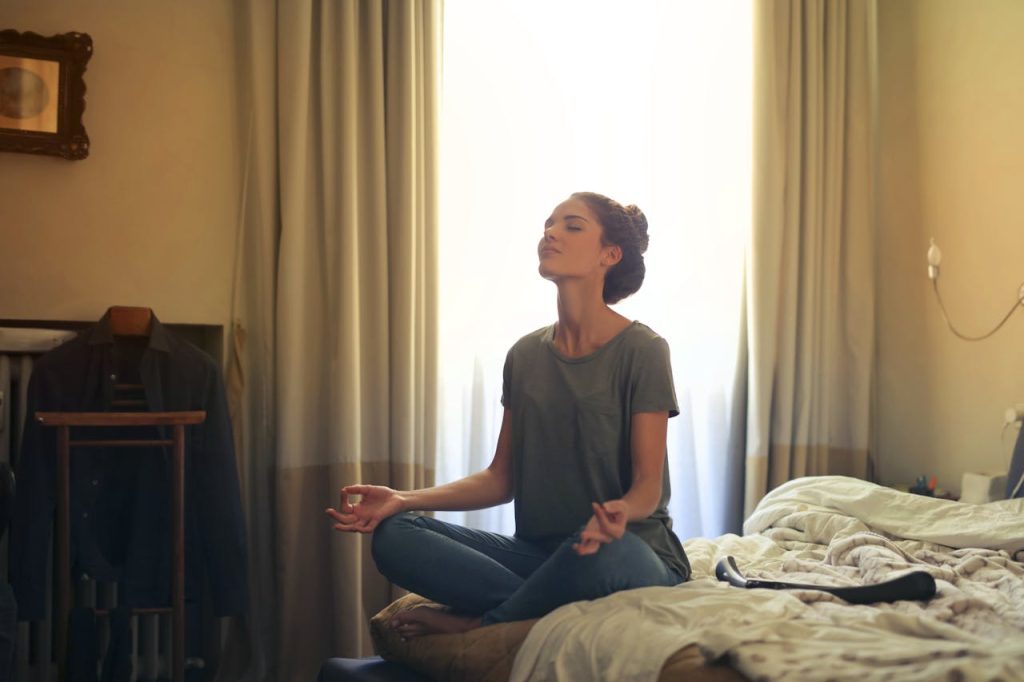
Discover effective mindfulness exercises for sleep to reduce insomnia, improve relaxation, and wake up refreshed. Learn step-by-step techniques to calm your mind tonight.
Overview
Struggling with sleepless nights? In this blog post, you’ll learn practical mindfulness exercises for sleep designed to calm your mind, release tension, and create a consistent sleep routine. We’ll cover step-by-step techniques, tips to prepare your bedroom environment, and guidance for integrating mindfulness into your nightly routine. By the end, you’ll have tools to fall asleep faster, stay asleep longer, and wake up feeling refreshed.
Why Sleep is Essential for Your Health
Sleep is not just rest—it’s the foundation of mental, emotional, and physical health. Poor sleep can contribute to:
- Increased stress and anxiety
- Lower cognitive function and memory issues
- Weakened immunity
- Mood disorders, including irritability and depression
Mindfulness exercises for sleep are designed to gently train your brain and body to relax, making it easier to drift into restorative sleep naturally.
What is mindfulness and how does it help sleep?
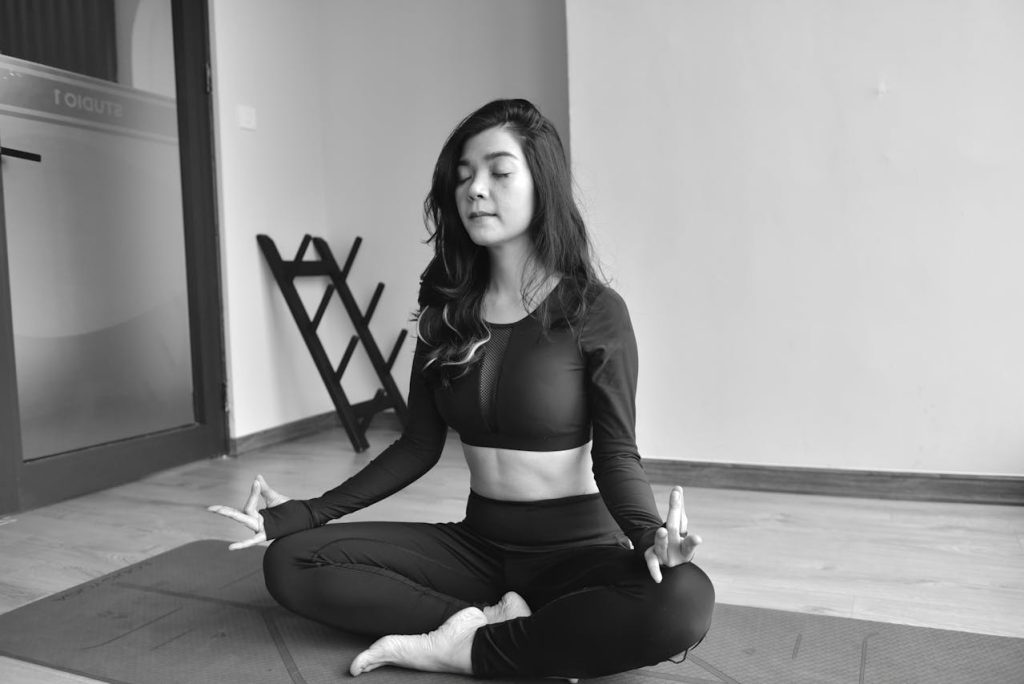
Mindfulness is the practice of being fully present in the moment without judgment. When applied to sleep, mindfulness helps:
- Calm racing thoughts before bedtime
- Reduce physical tension and stress
- Improve the quality of deep sleep
- Develop a consistent sleep routine
Scientific studies show that mindfulness can significantly reduce insomnia and improve overall sleep quality. It’s a natural, non-pharmaceutical way to reset your sleep patterns.
Top Mindfulness Exercises for Sleep
Here are the most effective mindfulness exercises for sleep that you can start tonight:
1. Mindful Breathing
Mindful breathing helps slow down your heart rate and signals your body that it’s time to sleep.
How to do it:
- Lie down comfortably in your bed.
- Close your eyes and take a deep breath in through your nose for 4 counts.
- Hold your breath for 2 counts.
- Exhale slowly through your mouth for 6 counts.
- Focus solely on your breath, noticing the rise and fall of your chest.
- Repeat for 5–10 minutes or until you feel relaxed.
Tip: If your mind wanders, gently return your focus to your breath.
2. Body Scan Meditation
A body scan is a guided exercise to release tension throughout the body.
Steps:
- Lie on your back with arms at your sides.
- Bring attention to your toes. Notice any tension and consciously relax it.
- Slowly move your focus up through your feet, legs, hips, torso, arms, neck, and head.
- Pay attention to each area and release tightness or discomfort.
- Finish by taking a deep breath and letting your entire body feel heavy and relaxed.
Benefits: This exercise helps you become aware of tension and allows the body to unwind naturally, leading to deeper sleep.
3. Guided Imagery
Guided imagery is a mindfulness exercise that uses visualization to promote calmness.
How to do it:
- Imagine a serene place—a beach, forest, or quiet meadow.
- Engage all your senses: feel the warmth of the sun, hear the waves, smell the flowers.
- As you visualize, focus on your breathing and let all stressful thoughts fade.
Tip: You can use guided imagery recordings available online or create your own mental scenario.
4. Mindful Journaling Before Bed
Writing down your thoughts mindfully can ease a busy mind.
Steps:
- Keep a notebook by your bedside.
- Write down any worries, tasks for tomorrow, or thoughts lingering in your mind.
- Reflect briefly on something you’re grateful for.
- Close the journal and acknowledge that these thoughts are temporarily set aside for sleep.
Effect: Journaling can help prevent late-night rumination, a common cause of insomnia.
5. 4-7-8 Breathing Technique
This classic mindfulness exercise is excellent for quickly reducing stress.
Instructions:
- Inhale quietly through your nose for 4 counts.
- Hold your breath for 7 counts.
- Exhale completely through your mouth for 8 counts.
- Repeat for 4–8 rounds until your body feels calm.
Why it works: The 4-7-8 pattern slows your heart rate and calms your nervous system, creating optimal conditions for sleep.
6. Progressive Muscle Relaxation
This mindfulness exercise systematically tenses and relaxes muscles to release stress.
How to practice:
- Start with your feet. Tense muscles tightly for 5 seconds, then relax for 10 seconds.
- Gradually work up through calves, thighs, abdomen, arms, shoulders, neck, and face.
- Focus on the difference between tension and relaxation.
Benefit: You’ll notice your body feels heavier and more ready for sleep.
Tips for Creating a Sleep-Friendly Environment
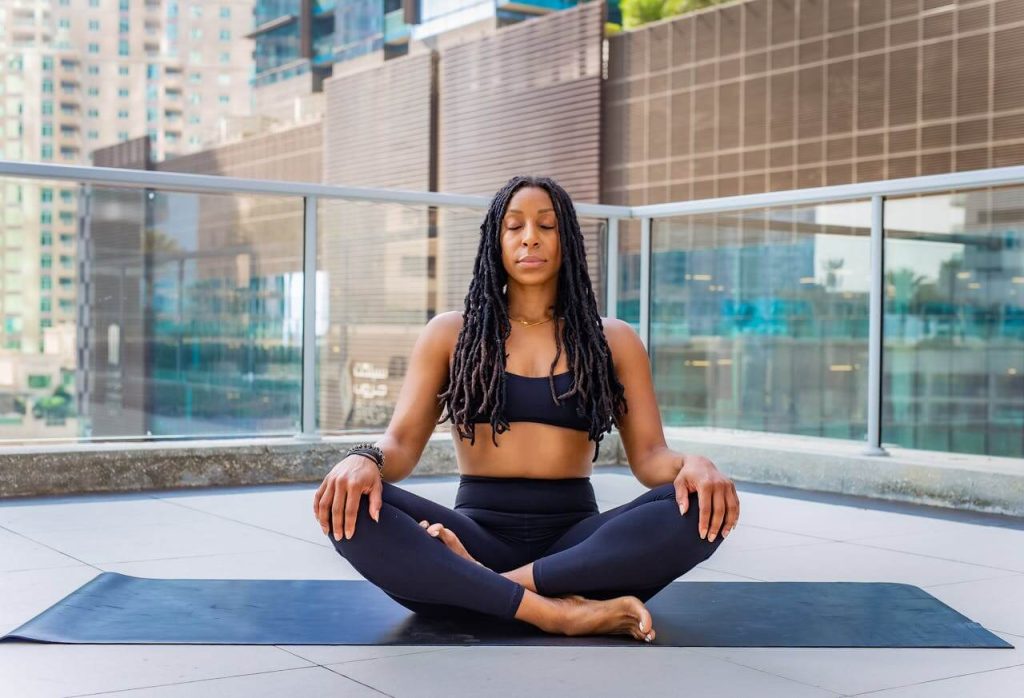
To maximize the effectiveness of mindfulness exercises for sleep, consider these adjustments:
- Keep your room cool and dark: A temperature of 65–70°F is ideal.
- Limit screen time: Avoid phones, computers, and TVs 1 hour before bed.
- Establish a bedtime routine: Practice mindfulness exercises at the same time nightly.
- Use calming scents: Lavender essential oil or chamomile tea can enhance relaxation.
Integrating Mindfulness into Your Nightly Routine
Consistency is key. Here’s an example of a mindful nighttime routine:
- 8:30 PM: Dim lights, silence electronics.
- 8:45 PM: Drink herbal tea (optional).
- 9:00 PM: Mindful breathing for 5 minutes.
- 9:05 PM: Body scan meditation for 10–15 minutes.
- 9:20 PM: Journaling for 5 minutes to clear your mind.
- 9:30 PM: Lights out, focus on your breath as you drift off.
Tip: Experiment with different exercises to see which combination helps you fall asleep fastest.
How Mindfulness Exercises for Sleep Improve Overall Health
Regularly practicing mindfulness for sleep can result in:
- Reduced anxiety and stress
- Improved mood and emotional stability
- Higher energy levels during the day
- Better memory and concentration
- Strengthened immune system
By calming your mind before bed, you’re not only improving sleep quality but also supporting your mental and physical well-being.
Why Choose Mindfulness Meditation Hub for Sleep Guidance
At Mindfulness Meditation Hub, we specialize in helping people adopt effective mindfulness practices for better sleep. Our guided exercises, practical tips, and resources are designed to help anyone:
- Fall asleep faster
- Maintain uninterrupted rest
- Wake up refreshed and energized
We offer personalized guidance, step-by-step tutorials, and expert advice so that mindfulness becomes a natural part of your nightly routine.
FAQs for Mindfulness Exercise for Sleep
What is a mindfulness exercise for sleep?
A mindfulness exercise for sleep is a practice that helps calm your mind, release tension, and focus on the present moment to fall asleep more easily. It often includes breathing techniques, body scans, or guided imagery.
How does mindfulness help with insomnia?
Mindfulness reduces racing thoughts, anxiety, and stress—common causes of insomnia. By practicing mindfulness before bed, your brain signals that it’s time to relax, improving both sleep onset and quality.
Can mindfulness exercises help if I wake up in the middle of the night?
Yes. Mindfulness exercises like deep breathing or focusing on sensations in your body can help you calm down and return to sleep without becoming frustrated or anxious.
How long should I practice mindfulness before sleep?
Even 5–15 minutes of mindfulness exercises before bedtime can make a difference. Consistency is more important than duration. Over time, you may find you naturally fall asleep faster.
Which mindfulness exercise is best for sleep?
Popular exercises include mindful breathing, body scan meditation, guided imagery, progressive muscle relaxation, and the 4-7-8 breathing technique. You can experiment to see which works best for you.
Can children benefit from mindfulness exercises for sleep?
Absolutely. Age-appropriate mindfulness exercises, like guided stories or simple breathing, can help children relax and establish healthy sleep routines.
Do I need a quiet room to practice mindfulness before sleep?
A quiet environment helps, but it’s not mandatory. You can use headphones with guided meditations or soothing background sounds to focus your mind.
How soon will I see results from mindfulness exercises for sleep?
Some people notice improvement after just one session, but consistent practice over 1–2 weeks usually produces more reliable results in sleep quality and ease of falling asleep.
Can mindfulness exercises replace sleep medication?
Mindfulness exercises can significantly improve sleep quality and may reduce dependence on medication, but always consult a healthcare provider before making changes to prescribed treatments.
What if my mind keeps wandering during mindfulness practice?
It’s normal for thoughts to drift. Simply acknowledge the thoughts without judgment and gently bring your focus back to your breath, body, or visualization.
Are there specific times of night best for mindfulness exercises?
Practicing mindfulness 20–30 minutes before your intended bedtime works best, but you can also do short exercises if you wake up during the night.
Can mindfulness exercises improve dream quality?
Mindfulness promotes deeper, more restorative sleep, which may enhance dream vividness and recall, as the brain cycles more calmly through REM sleep.
Do I need prior meditation experience for mindfulness exercises for sleep?
No prior experience is necessary. These exercises are beginner-friendly and guided practices can help anyone start immediately.
Can mindfulness exercises reduce stress during the day as well as at night?
Yes. Regular mindfulness practice not only improves sleep but also helps reduce overall stress, anxiety, and emotional tension during daily life.
How can I make mindfulness exercises a regular part of my bedtime routine?
Set a consistent sleep schedule, designate a quiet space, and start with short exercises. Gradually, mindfulness will become an automatic cue for relaxation and sleep.
Related Topics
- Articles on Mindfulness: Power of Meditation for Daily Life
- What Does Mindfulness Mean? Understanding Its Benefits
- What Is Being Mindfulness? A Complete Guide to Mindful Living
- Walking Mindfulness Meditation: A Simple Path to Inner Peace
- Mindfulness Body Scan Meditation: A Complete Guide
- Workplace Mindfulness: Improve Focus & Productivity
- Meditation Methods for Beginners | Start Your Mindfulness Journey
- What Does Being Mindful Mean? A Complete Guide to Mindfulness
- Definition of Mindfulness? Meaning, Benefits & Practice
- Mindfulness for the Workplace: Boost Productivity & Well-being
- Breath Meditation: A Complete Guide to Mindfulness & Relaxation
- Mastering the Art of Having Patience: A Mindfulness Approach
- Mindfulness Meditation for Anxiety: Calm Your Mind
- Self Meditating: A Complete Guide to Practicing Mindfulness
- Mindfulness for Grief: Find Peace Through Mindful Awareness
- Meditation and Sounds: Boost Mindfulness & Relaxation
- Emotion Mindfulness: Techniques to Manage Your Feelings
- Daily Mindfulness: How to Transform Your Life