
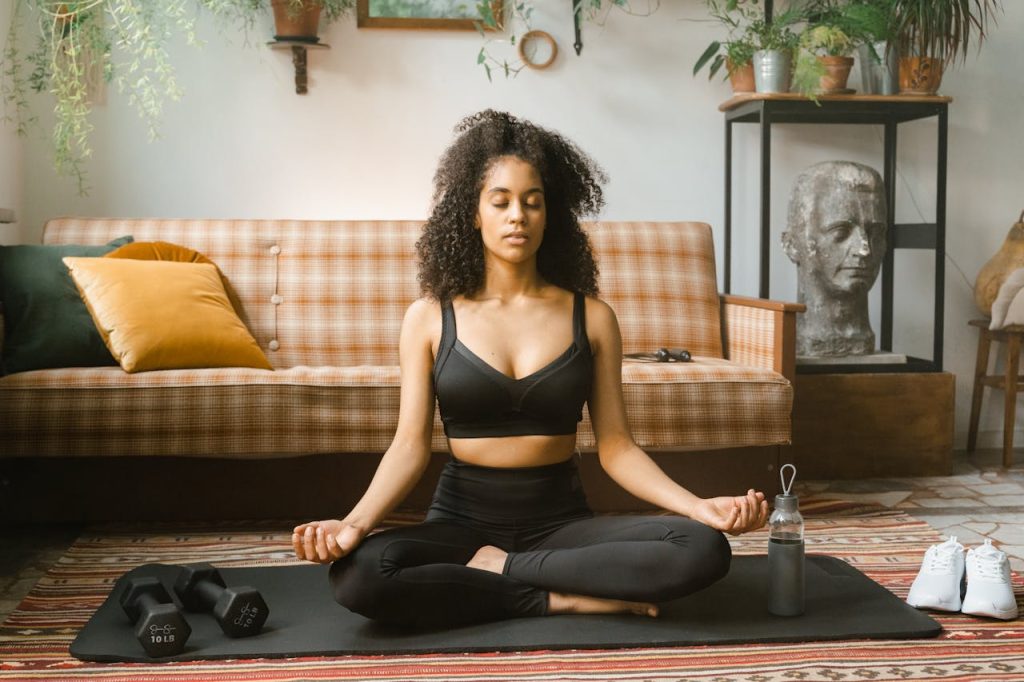
Discover effective mindfulness exercises for sleep to reduce stress, calm your mind, and improve your nightly rest. These simple techniques can help you achieve better sleep tonight!
Overview
In this blog post, readers will learn how mindfulness exercises for sleep can transform restless nights into peaceful, restorative rest. We will explore why mindfulness supports better sleep, step-by-step exercises to try tonight, and tips for creating a bedtime routine that enhances relaxation. By the end, readers will feel equipped to use mindfulness to improve sleep quality, reduce stress, and wake up refreshed.
Why Mindfulness Matters for Sleep
Many people struggle to fall asleep or stay asleep because their minds are overloaded with stress, worries, or racing thoughts. Mindfulness—a practice of paying attention to the present moment without judgment—can help quiet the mind, reduce anxiety, and prepare the body for sleep.
Research shows that practicing mindfulness regularly can:
- Lower cortisol levels (the stress hormone)
- Improve sleep duration and quality
- Reduce insomnia symptoms
- Enhance overall well-being and relaxation
By incorporating mindfulness exercises for sleep into your nightly routine, you can train your mind and body to transition more smoothly from wakefulness to rest.
Top Mindfulness Exercises for Sleep
Here are some highly effective mindfulness exercises that promote relaxation and prepare your body for sleep:
1. Body Scan Meditation
What it is: A body scan meditation involves focusing attention on each part of your body, noticing sensations without judgment.
How to do it:
- Lie down comfortably in bed.
- Close your eyes and take a few deep breaths.
- Begin at your toes, slowly moving your focus upward through your body.
- Notice tension, aches, or relaxation in each area.
- Release tension with each exhale.
Benefits:
- Relieves physical tension
- Reduces anxiety
- Promotes deeper, more restful sleep
2. Mindful Breathing
Mindful breathing is one of the simplest and most effective exercises for sleep.
How to practice:
- Inhale deeply for a count of four, hold for four, exhale for four, and pause for four (box breathing).
- Focus entirely on the sensation of your breath.
- If your mind wanders, gently bring your focus back to breathing.
Benefits:
- Slows heart rate
- Reduces stress and worry
- Prepares your nervous system for rest
3. Guided Imagery
Guided imagery involves visualizing calming and peaceful scenes to relax your mind.
How to do it:
- Close your eyes and take a few deep breaths.
- Imagine a serene environment, such as a beach, forest, or quiet meadow.
- Engage all your senses: hear the waves, feel the breeze, smell the flowers.
- Stay in the visualization for 5–10 minutes or until you feel sleepy.
Benefits:
- Distracts from racing thoughts
- Reduces anxiety
- Promotes a sense of safety and relaxation
4. Mindfulness Journaling Before Bed
Writing down your thoughts mindfully can clear mental clutter and ease stress before sleep.
How to do it:
- Keep a small journal next to your bed.
- Write down your thoughts, worries, or things you are grateful for.
- Focus on each thought without judgment.
- Close your journal and take a few calming breaths.
Benefits:
- Clears the mind of repetitive thoughts
- Reduces bedtime anxiety
- Encourages reflection and gratitude
5. Progressive Muscle Relaxation
This technique helps release tension in each muscle group, signaling your body that it’s time to sleep.
How to practice:
- Lie down comfortably.
- Starting with your toes, tense muscles for 5 seconds, then release.
- Move upward through calves, thighs, abdomen, arms, and face.
- Focus on the sensation of relaxation after each release.
Benefits:
- Relieves body tension
- Promotes deep relaxation
- Improves sleep quality
Creating a Mindfulness Sleep Routine
Consistency is key to using mindfulness exercises for sleep effectively. Here’s how to build a nightly routine:
- Set a regular bedtime: Go to bed at the same time every night to train your body’s internal clock.
- Limit screen time: Avoid phones, laptops, or TVs 30–60 minutes before bed.
- Create a calming environment: Dim lights, use soft bedding, and maintain a comfortable room temperature.
- Practice one or more mindfulness exercises: Choose 1–2 exercises from above each night and commit to doing them consistently.
- Be patient: Mindfulness is a skill. Improvement in sleep may take a few weeks with regular practice.
Tips to Enhance Mindfulness for Better Sleep
- Combine exercises: For example, start with mindful breathing, then do a body scan.
- Use guided recordings: Apps and online resources can provide guidance and structure for mindfulness exercises.
- Be gentle with yourself: If your mind wanders, return your focus without judgment.
- Integrate mindfulness into your day: Short mindful breaks during the day can reduce overall stress, improving nighttime sleep.
How Mindfulness Meditation Hub Can Help
At Mindfulness Meditation Hub, we offer guided meditations and mindfulness exercises designed specifically to improve sleep. Our library includes:
- Guided body scans and breathing exercises
- Sleep-focused meditations for beginners and experienced practitioners
- Expert-led mindfulness courses to build long-term habits
By practicing mindfulness exercises for sleep regularly with our guidance, you can:
- Fall asleep faster
- Sleep more deeply
- Wake up feeling refreshed and energized
Key Takeaways
- Mindfulness exercises for sleep are proven to reduce stress, quiet the mind, and improve overall sleep quality.
- Techniques like body scan meditation, mindful breathing, guided imagery, journaling, and progressive muscle relaxation can be easily integrated into your nightly routine.
- Building a consistent sleep routine with mindfulness exercises ensures long-term benefits for your physical and mental health.
- At Mindfulness Meditation Hub, you can access resources and guided exercises to make sleep improvement simple and effective.
Final Thoughts
Sleep is essential for overall health, but many struggle due to stress and racing thoughts. By incorporating mindfulness exercises for sleep into your nightly routine, you can calm your mind, release tension, and enjoy restorative sleep. Start tonight with one of these exercises and experience the benefits for yourself!
FAQs for Mindfulness Exercises for Sleep
What are mindfulness exercises for sleep?
Mindfulness exercises for sleep are techniques that help calm the mind, relax the body, and prepare you for restful sleep through focused awareness and meditation practices.
How do mindfulness exercises improve sleep quality?
By reducing stress, calming racing thoughts, and lowering cortisol levels, mindfulness exercises help you fall asleep faster and enjoy deeper, more restorative sleep.
Can beginners practice mindfulness exercises for sleep?
Yes! Beginners can start with simple techniques like mindful breathing, body scans, or guided imagery, gradually building their practice over time.
How long should I do mindfulness exercises before bed?
Even 5–15 minutes of mindfulness exercises before bedtime can significantly improve sleep quality. Consistency is more important than duration.
What is the best time to practice mindfulness exercises for sleep?
The best time is typically 30–60 minutes before your usual bedtime, allowing your body and mind to relax and transition into sleep naturally.
Are mindfulness exercises for sleep effective for insomnia?
Yes, regular mindfulness exercises have been shown to reduce insomnia symptoms by calming the mind and improving sleep routines.
Can mindfulness exercises help if I wake up in the middle of the night?
Absolutely. Mindfulness exercises like mindful breathing or a brief body scan can help you relax and fall back asleep more easily.
Do I need special equipment for mindfulness exercises for sleep?
No special equipment is needed. A quiet, comfortable space and optionally a yoga mat or pillow are enough to practice effectively.
What is the difference between guided and unguided mindfulness exercises for sleep?
Guided exercises use audio or video instructions from teachers, while unguided exercises rely on your own focus and awareness. Beginners often find guided sessions easier to follow.
Can children benefit from mindfulness exercises for sleep?
Yes, age-appropriate mindfulness exercises can help children relax, reduce bedtime anxiety, and improve sleep quality.
How long does it take to see results from mindfulness exercises for sleep?
Many people notice improvements within a few days, but consistent practice for 2–4 weeks often leads to more significant and lasting sleep benefits.
Can mindfulness exercises for sleep reduce stress during the day?
Yes, regular mindfulness practice not only improves sleep but also reduces daytime stress and promotes overall mental well-being.
Is it okay to combine mindfulness exercises with other sleep aids?
Yes, mindfulness exercises can complement other healthy sleep practices such as limiting screen time, maintaining a regular sleep schedule, and creating a calming bedtime environment.
How do I stay consistent with mindfulness exercises for sleep?
Set a regular bedtime routine, choose one or two exercises to practice nightly, and track your progress to make mindfulness a consistent habit.
Where can I find guided mindfulness exercises for sleep?
Mindfulness Meditation Hub offers a library of guided meditations and exercises specifically designed to improve sleep, suitable for beginners and experienced practitioners alike.
Related Topics
- Articles on Mindfulness: Power of Meditation for Daily Life
- What Does Mindfulness Mean? Understanding Its Benefits
- What Is Being Mindfulness? A Complete Guide to Mindful Living
- Walking Mindfulness Meditation: A Simple Path to Inner Peace
- Mindfulness Body Scan Meditation: A Complete Guide
- Workplace Mindfulness: Improve Focus & Productivity
- Meditation Methods for Beginners | Start Your Mindfulness Journey
- What Does Being Mindful Mean? A Complete Guide to Mindfulness
- Definition of Mindfulness? Meaning, Benefits & Practice
- Mindfulness for the Workplace: Boost Productivity & Well-being
- Breath Meditation: A Complete Guide to Mindfulness & Relaxation
- Mastering the Art of Having Patience: A Mindfulness Approach
- Mindfulness Meditation for Anxiety: Calm Your Mind
- Self Meditating: A Complete Guide to Practicing Mindfulness
- Mindfulness for Grief: Find Peace Through Mindful Awareness
- Meditation and Sounds: Boost Mindfulness & Relaxation
- Emotion Mindfulness: Techniques to Manage Your Feelings
- Daily Mindfulness: How to Transform Your Life